
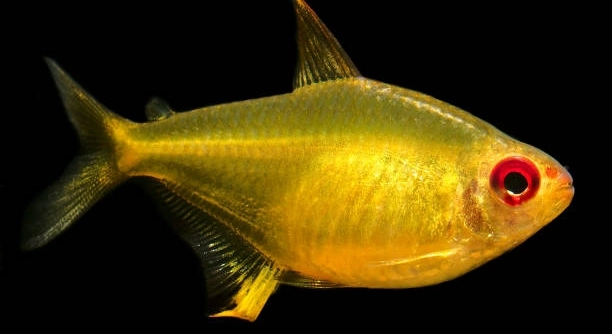
Do you ever notice your lemon tetra swimming close when you approach the tank? Watching their tiny movements can be surprisingly engaging, especially when they seem to react to your presence. These fish may recognize routines.
Lemon tetras are capable of forming simple associations with feeding times and human activity. Through repeated exposure, they can anticipate when a caretaker approaches, demonstrating a basic level of learned expectation without complex cognition or emotional attachment.
Observing their behavior can reveal subtle signs of recognition and anticipation, offering insights into how your fish interacts with its environment and routine.
How Lemon Tetras Notice Their Caretaker
Lemon tetras are small, active fish that can quickly learn the patterns of their tank environment. Over time, they start to recognize when someone is near and what that presence usually means. For instance, if you feed them at the same time every day, they can link your movements outside the tank with food coming soon. They are highly sensitive to changes in light, movement, and sound. Even subtle cues like tapping the glass or approaching with a hand near the water can trigger anticipation. Their schooling behavior also helps reinforce this learning, as one fish noticing you can influence the others. Consistency matters, as random feeding or inconsistent signals make it harder for them to form these associations. Observing them closely shows how quickly they pick up patterns, even though their understanding is simple and instinct-driven. Lemon tetras demonstrate that small fish can show recognizable responses to human presence.
These fish respond best to routine, making their behavior more predictable and easier to notice.
Watching their reactions over time reveals how they communicate subtly with movements, positioning, and attention shifts. It is fascinating to see them adjust to repeated signals and to feel like they understand what happens next in their daily routine.
Signs Your Fish Anticipates You
Most lemon tetras will move toward the front of the tank when you approach.
Recognizing anticipation can be straightforward if you know what to look for. Signs include gathering near the feeding area, becoming more active, and moving in synchronized patterns. Some will even wait near the surface or hover in spots where food usually appears. These behaviors develop gradually, reinforced by regular feeding and consistent interaction. While they do not form emotional bonds like mammals, the recognition of patterns indicates memory and learning. It is not unusual to notice slight differences in response between individuals, as some fish are naturally more responsive than others. The tank environment, lighting, and decorations also affect how they behave. Clear water and minimal distractions help them focus on routine cues. By observing these small details, you can see how they anticipate your actions and respond in ways that feel almost interactive.
Over time, these observations can enhance your care approach, making feeding and tank maintenance smoother. Knowing the fish notice and anticipate your presence allows you to create a predictable, stress-free environment that improves their activity levels, health, and general well-being. Routine actions like feeding or gentle movements at consistent times help reinforce this learning, while sudden changes may confuse them. The more you pay attention to their reactions, the more you can support their natural instincts. Simple measures, such as approaching the tank in the same way or using consistent cues for feeding, strengthen their ability to anticipate events. In a small but meaningful way, these responses show that even tiny fish are capable of memory and recognition, allowing for a more interactive and mindful aquarium experience.
Training Your Lemon Tetra
Consistency is key when helping lemon tetras recognize routines. Feeding at the same time daily encourages them to anticipate your presence and associate it with food. Small, repeated actions create patterns they can learn and respond to reliably.
Using gentle, predictable movements strengthens their learning. Approaching the tank the same way each day, tapping lightly, or placing food consistently in the same spot helps reinforce the association. Avoid sudden changes in your actions, as this can confuse them. Over time, they begin to position themselves near the expected feeding area and show increased activity, signaling that they understand what will happen next. Observation is important, as individual fish may react differently, but persistence with routine helps all of them adapt. Their behavior becomes a reliable reflection of your consistent care.
Positive reinforcement works for fish too. When you feed them after a predictable cue, they gradually connect that signal with reward. Even small gestures like placing food gently on the water surface or showing your hand briefly can help them recognize patterns. While it may take days or weeks, the results are noticeable through increased movement, anticipation, and responsiveness. Lemon tetras show that even small creatures can learn simple routines and respond in ways that feel interactive and personal.
Environmental Influence on Anticipation
Tank layout and surroundings directly affect how lemon tetras notice and anticipate human presence. Open swimming spaces make it easier for them to react quickly, while cluttered areas may slow responses.
Clear, consistent environments enhance learning. Decorations, plants, and hiding spots should be arranged thoughtfully to allow easy movement and visibility. Bright lighting during feeding times signals activity, while dim lighting may reduce responsiveness. Noise near the tank can startle them and disrupt patterns. Temperature consistency also matters, as sudden shifts can stress the fish and interfere with routine learning. By keeping the tank stable, you help them focus on cues and develop predictable responses. Small adjustments, like placing food in the same area or using gentle hand signals, improve recognition and anticipation.
Monitoring subtle behavioral changes is important. Fish may shift position, speed up swimming, or gather in feeding zones as they learn patterns. Observing how they interact with the environment and respond to cues helps you adjust care methods. For example, removing excessive clutter or minimizing sudden noise allows them to notice signals more clearly. Environmental consistency reinforces their ability to recognize routines, while changes may confuse or stress them. By paying attention to how tank conditions affect behavior, you can create an environment that supports learning and anticipation. Over time, their responsiveness becomes a reliable indicator of their comfort and familiarity with daily interactions.
Understanding Their Memory
Lemon tetras can remember simple patterns over short periods. Repetition and consistent cues help them link your presence with feeding. Memory plays a key role in anticipation, even if it is limited compared to larger animals.
Observing repeated behaviors shows how memory guides their actions. They respond faster when cues are consistent, which helps reinforce learning and predictability in their routine.
Signs of Recognition
Movement toward the front of the tank, hovering near feeding spots, and synchronized swimming are clear indicators. They show that the fish recognize cues and expect an event, like feeding, based on prior experience.
Feeding Cues
Using consistent hand gestures or placing food in the same spot signals that feeding is about to happen. These cues gradually teach them to associate your presence with mealtime.
Interaction Tips
Avoid sudden movements or loud noises around the tank. Gentle, steady actions encourage recognition and reduce stress, making it easier for lemon tetras to anticipate daily routines.
FAQ
Can lemon tetras really recognize me?
Yes, lemon tetras can learn to recognize patterns associated with you, especially if you feed them regularly. They notice movement, shadows, and the approach of your hand. While they do not form emotional bonds like mammals, they can anticipate your presence based on repeated actions.
How long does it take for them to learn?
Learning time varies, but with consistent routines, they often start showing signs within a few days to weeks. Short-term memory and repeated exposure are key. Feeding at the same time and using consistent cues speeds up the process and helps them anticipate events reliably.
What behaviors indicate recognition?
Common signs include gathering near the front of the tank, hovering near feeding areas, and moving in synchronized patterns. Increased activity, faster swimming, or positioning themselves near where food usually appears also shows they notice and expect what will happen next.
Do all lemon tetras respond the same way?
No, individual differences exist. Some are more alert and reactive, while others may be shy or slower to learn. Environmental factors like tank size, decorations, lighting, and noise levels also influence responsiveness. Observation of each fish helps tailor your approach.
Can I use hand gestures or tapping to train them?
Yes, gentle hand movements or light taps near the tank can become recognizable cues. Consistency is crucial. Avoid sudden or erratic motions, as these may startle the fish and disrupt learning. Over time, they will associate these cues with feeding or interaction.
Does tank environment affect learning?
Absolutely. Open swimming spaces and clear visibility help them notice cues. Cluttered tanks, strong currents, or poor lighting can make recognition harder. Stable temperature, consistent lighting, and minimal sudden disturbances improve learning and anticipation behaviors.
Will they become dependent on me?
Lemon tetras do not form attachments like pets such as dogs or cats. They do not feel dependence but will learn patterns related to your care. Their behavior reflects routine recognition rather than emotional need.
Can feeding at irregular times confuse them?
Yes, inconsistent feeding makes it harder for them to form associations. Random schedules disrupt learning, and fish may show less anticipation. Regular routines and predictable cues are necessary for them to reliably anticipate your presence and feeding.
Are there signs of stress if they don’t recognize cues?
Sudden changes in behavior, hiding, reduced activity, or erratic swimming can indicate stress. If cues are inconsistent or the environment is disruptive, they may struggle to learn patterns and become less responsive over time.
Can I teach other behaviors besides feeding anticipation?
To some extent, yes. Lemon tetras can respond to movement, light, or positioning cues. Simple behaviors like approaching certain areas or swimming patterns can be encouraged through repetition, but complex tricks are beyond their capacity. Consistent, gentle reinforcement is key.
How do I maintain their learning over time?
Maintaining a stable routine, consistent cues, and a calm environment helps preserve recognition and anticipation. Regular observation ensures you notice changes in behavior and adjust care if needed. Reinforcement through repeated cues keeps their responses reliable.
Is anticipation linked to health?
Yes, active and alert anticipation often reflects a healthy fish. Lethargy, lack of response, or disinterest may indicate illness or stress. Maintaining clean water, proper diet, and routine care supports both health and learning behaviors.
Do they react to me differently if I’m new to the tank?
Initially, new caretakers may notice slower responses. Fish need repeated exposure to recognize patterns, so patience and consistent actions help them adjust. Over time, they begin anticipating feeding or routines regardless of who approaches the tank.
Can lemon tetras recognize multiple people?
They can learn patterns from multiple individuals if each person follows consistent routines. Each fish may respond differently depending on previous exposure, but predictable cues from several caretakers allow them to anticipate actions reliably.
How do I encourage more interaction?
Maintain a calm presence, feed at regular times, and use gentle cues. Avoid startling movements or loud noises. Over time, they respond faster and appear more alert, showing that they recognize and anticipate your actions.
Are there limitations to their memory and learning?
Yes, lemon tetras have simple memory. They remember short-term patterns but cannot retain complex information. Their learning is primarily based on repetition and routine, not reasoning or deep understanding. Observing subtle responses shows their capacity for simple recognition.
Can I tell which fish has learned faster?
Yes, some fish consistently move to feeding areas first, hover near cues, or react immediately. These differences are normal and reflect individual personalities, sensitivity, and prior experience. Observing each fish over time highlights variations in learning speed.
Does stress impact their ability to anticipate me?
High stress reduces responsiveness. Sudden noise, temperature changes, poor water quality, or overcrowding can interfere with learning. A calm, predictable environment ensures they notice cues and form associations with your presence effectively.
Are there signs they are bored if anticipation is low?
Reduced activity, disinterest in movement, or ignoring cues can indicate boredom or lack of stimulation. Introducing gentle variation, like rearranging decorations slightly or adding enrichment, can encourage curiosity and responsiveness without disrupting routine.
Can other fish affect their learning?
Yes, schooling behavior influences responses. If one fish notices a cue, others often follow. Shy or less active fish may take longer to recognize patterns, while more dominant or active fish may influence the group’s overall behavior.
Do seasonal changes affect recognition?
Changes in light, temperature, or routine can impact how quickly they respond. Maintaining consistent environmental factors year-round helps them anticipate actions reliably, despite seasonal fluctuations outside the tank.
How important is patience in this process?
Patience is essential. Learning is gradual, and each fish reacts differently. Consistent care, repeated cues, and gentle observation create conditions where anticipation develops naturally over time without stress.
Can they recognize when it’s feeding time without me?
Yes, after repeated routines, they may respond to internal cues such as light changes or time of day. Predictable signals in their environment reinforce learning even in your temporary absence, showing their capacity for pattern recognition.
Final Thoughts
Lemon tetras are small fish, but they can show surprising awareness of their surroundings. They respond to routines, movements, and cues consistently repeated over time. Even though they do not form emotional bonds like dogs or cats, their behavior can feel interactive. Watching them recognize when food is coming or when someone approaches the tank can be rewarding. The patterns they develop are based on memory and repetition, showing that even small fish have the ability to learn simple associations. By keeping feeding times consistent and approaching the tank in predictable ways, it becomes easier for them to anticipate your presence. Over days and weeks, these tiny movements and responses become noticeable and predictable, making care more engaging. The way they swim toward certain areas, gather near feeding spots, or hover in anticipation demonstrates a clear response to repeated stimuli, reflecting both their adaptability and memory. Observing these behaviors can also help in noticing health issues or stress early, because changes in anticipation often reflect changes in well-being.
Providing a stable environment is key for encouraging learning and recognition. Lemon tetras respond better when the tank is organized and consistent. Open swimming areas, clear visibility, and minimal sudden disturbances allow them to notice cues quickly. Lighting, temperature, and water quality play a significant role in their responsiveness, as sudden changes can stress them and reduce their ability to recognize routines. Decorations, plants, and hiding spots should be arranged to allow visibility while still offering comfort, so the fish feel secure but can move freely. Reducing loud noises, erratic movements near the tank, and strong currents supports predictable behavior. Small, repeated cues such as placing food in the same location or using the same hand gestures help reinforce learning over time. The more consistent the environment and the cues, the faster they learn, and the more reliably they show anticipation. This combination of consistency, stability, and observation strengthens the relationship between routine and response, helping the fish thrive while giving caretakers insight into their behavior.
Understanding lemon tetras’ capacity to anticipate human presence can improve both care and interaction. Their learning is simple and instinct-driven, but it allows for predictable responses that make daily routines smoother and more enjoyable. Recognizing the subtle signs of anticipation, such as movement patterns, hovering near feeding areas, and synchronized swimming, provides insight into their ability to learn patterns. Consistency, patience, and observation are essential for fostering this recognition. Small adjustments in behavior, tank setup, and feeding routines have noticeable effects on their responsiveness. While they do not experience emotions the same way mammals do, their ability to notice and anticipate human activity shows a level of awareness that can feel rewarding. Providing an environment that supports learning and predictability not only improves their health and well-being but also makes interactions more engaging for the caretaker. Over time, noticing these patterns can create a sense of connection, demonstrating that even tiny fish can respond meaningfully to consistent care and attention. With careful observation and routine, lemon tetras show that learning and anticipation are possible even in small, simple creatures.

Hello,
If you enjoy the content that we create, please consider saying a "Thank You!" by leaving a tip.
Every little bit helps us continue crafting quality advice that supports the health, happiness, and well-being of pets around the world, for pets of all shapes, sizes, and species.
We really appreciate the kindness and support that you show us!