
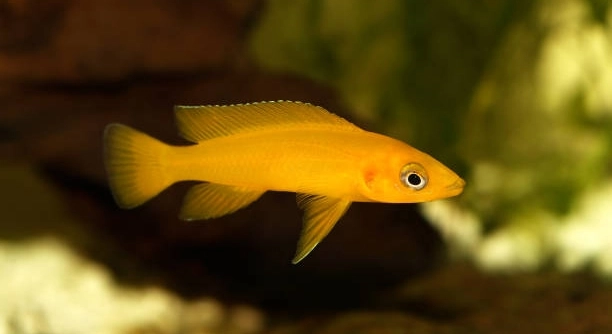
Lemon tetras are known for their lively schooling behavior, adding vibrant motion to any aquarium. Observing them move together can be calming, yet sometimes their tight group suddenly breaks apart without an obvious reason. This can concern many fish owners.
Schooling breakdown in lemon tetras is often caused by environmental stressors, illness, or social disruption. Changes in water quality, improper tank size, aggressive tank mates, or inadequate nutrition can all interfere with their natural cohesion, leading to fragmented or erratic group movement.
Understanding the causes behind schooling issues can help you restore harmony in your tank and support your tetras’ overall wellbeing. Addressing these factors ensures a healthier, more balanced environment for your fish.
Poor Water Quality
Water conditions play a major role in lemon tetra behavior. High levels of ammonia, nitrites, or nitrates can stress the fish, causing them to scatter. Even small changes in temperature or pH can make them uneasy, leading to disrupted schooling. Keeping the tank clean with regular water changes helps maintain stable conditions. Filtration is essential, as it removes waste and toxins that accumulate over time. Overfeeding can also impact water quality, as leftover food decomposes and increases harmful compounds. Monitoring parameters weekly ensures the environment remains safe for your tetras. Healthy water encourages natural behavior, keeping the school tight and coordinated.
Maintaining stable water conditions prevents stress and supports consistent schooling behavior.
Regular testing and prompt adjustments are crucial. Observing your tetras daily helps you notice early signs of stress. A combination of filtration, careful feeding, and consistent water changes fosters a balanced habitat, ensuring your lemon tetras thrive and interact normally within their group.
Tank Size and Space
Insufficient swimming space can disrupt schooling. Crowded tanks limit movement and create tension among fish.
Lemon tetras need room to swim freely in coordinated patterns. A tank that is too small forces fish to compete for space, increasing stress levels. In tight quarters, some tetras may isolate themselves, breaking the school. Providing a larger tank allows proper schooling and natural interactions. Decorations should not overly restrict movement; open swimming areas are vital. Avoid placing incompatible species that invade territory or chase tetras. A spacious, well-planned tank supports healthier, more consistent group behavior, helping the school remain unified and active throughout the day.
Aggressive Tank Mates
Aggressive fish can intimidate lemon tetras, causing the school to scatter. Constant chasing or nipping interrupts their natural cohesion, making them hesitant to swim together.
Even mildly aggressive tank mates create tension. Lemon tetras are small and peaceful, so any persistent threat can break their group patterns. They may hide, swim erratically, or avoid certain areas of the tank entirely. Over time, stress from these interactions can affect health and reduce overall activity. Choosing compatible, peaceful species helps maintain a stable and cohesive school, allowing tetras to swim confidently without fear.
Introducing aggressive species without monitoring can lead to long-term behavioral issues. Tetras may stop schooling altogether, isolating themselves for safety. Rearranging the tank, adding hiding spots, and separating overly dominant fish can help restore normal behavior. Observing interactions carefully ensures the school functions as intended and promotes a calmer, healthier environment.
Illness and Parasites
Illnesses can weaken tetras, causing them to separate from the school. Parasites or bacterial infections often reduce swimming ability or energy levels, making cohesive movement difficult.
Sick fish may become lethargic, stay near the bottom, or avoid the group entirely. Subtle signs, like clamped fins, loss of color, or unusual swimming patterns, indicate health issues affecting school dynamics. Treating disease promptly prevents further disruption and limits the risk of spreading illness to other tank inhabitants. Quarantining affected fish and maintaining clean water reduces stress and supports recovery.
Early intervention is key. Regular observation, proper nutrition, and prompt treatment of symptoms keep lemon tetras healthy and schooling normally. Ignoring minor signs can escalate problems, increasing stress across the tank. Monitoring behavior, maintaining hygiene, and separating affected fish allows the school to regain cohesion quickly, preserving both group dynamics and overall fish wellbeing.
Sudden Changes in Environment
Lemon tetras are sensitive to sudden changes in their tank. Rapid temperature shifts, lighting changes, or moving decorations can startle them and disrupt schooling.
Even small alterations can cause stress. Fish may scatter or hide until they adjust. Gradual changes help maintain normal behavior and keep the school cohesive.
Overcrowding
Overcrowding creates constant competition for space and resources. When there are too many fish, tetras struggle to maintain their group formation.
High density increases stress, aggression, and territorial disputes. Fish may isolate or swim erratically to avoid conflict. Proper stocking levels ensure that lemon tetras can swim freely, school naturally, and remain healthy, reducing tension and improving overall behavior.
Inadequate Nutrition
Poor or inconsistent feeding affects energy levels. Tetras may become weak or lethargic, causing the school to break apart.
Lack of Hiding Spots
Without plants or decorations for shelter, tetras feel exposed. Feeling threatened makes them scatter more often.
FAQ
Why is my lemon tetra school breaking apart suddenly?
Sudden schooling disruptions are often linked to stress, illness, or environmental changes. Rapid shifts in water temperature, new tank mates, or poor water quality can cause tetras to scatter. Observing them closely helps identify the trigger. Gradual adjustments and consistent maintenance usually restore normal schooling behavior.
Can aggressive tank mates permanently affect my lemon tetras?
Yes, even mild aggression can have long-term effects. Persistent chasing or nipping forces tetras to hide or isolate themselves. Over time, this stress can reduce their activity, weaken their immune system, and prevent the school from forming correctly. Choosing peaceful species is essential for stable behavior.
How can water quality impact schooling?
Poor water quality stresses fish and can lead to scattered schooling. High ammonia, nitrites, or nitrates, as well as fluctuating pH or temperature, make tetras uneasy. Regular water testing, proper filtration, and consistent water changes maintain a safe environment that supports natural schooling.
What role does tank size play in schooling behavior?
Small tanks restrict movement and increase competition for space. Lemon tetras need open areas to swim freely and coordinate as a group. Crowding leads to erratic swimming and isolation. A larger, well-planned tank with adequate swimming space helps maintain a cohesive school.
Can illness cause schooling issues?
Yes, sick fish often lag behind or hide, disrupting group movement. Parasites, bacterial infections, or weakened immune systems make tetras less active. Early detection and treatment, along with quarantining affected fish, prevent further disruption and allow the school to regain normal patterns.
How does nutrition affect schooling?
Inadequate or inconsistent feeding reduces energy levels. Tetras may become lethargic, swim slowly, or break away from the group. Providing a balanced diet, feeding at regular intervals, and avoiding overfeeding helps maintain healthy energy and promotes consistent schooling.
Do environmental changes like decorations or lighting impact schooling?
Yes, sudden rearrangements or bright lighting can startle tetras. Feeling exposed, they may scatter or hide. Introducing changes gradually and providing hiding spots like plants or rocks helps them adjust, keeping the school cohesive and less stressed.
How do I restore schooling if my fish have scattered?
First, check water quality, tank mates, and nutrition. Correct any issues and provide open swimming areas. Gradually reintroduce changes to avoid stress. Observing fish closely allows you to intervene if the school starts breaking again, ensuring long-term stability and natural behavior.
Is it normal for lemon tetras to occasionally break school?
Yes, small breaks can happen temporarily due to feeding, exploring, or minor disturbances. Occasional scattering is normal as long as the group quickly regroups. Persistent or frequent breaks indicate an underlying problem that needs attention, such as water quality, aggression, or health issues.
How many lemon tetras should I keep together?
A minimum of six tetras is recommended to maintain proper schooling behavior. Smaller groups may struggle to form cohesive patterns, while larger groups create a more natural dynamic. Proper group size ensures confidence, coordination, and a visually active, healthy school.
Can stress from overcrowding be reversed?
Yes, reducing tank population or adding larger tanks can help. Overcrowding increases tension, aggression, and competition, which breaks schooling. Once density is lowered and open swimming space is available, tetras can regain normal schooling patterns and exhibit calmer, more balanced behavior.
What signs indicate my school is healthy?
A healthy school swims in sync, with minimal erratic movement. Tetras explore together, maintain consistent spacing, and respond to feeding or environmental changes as a group. Bright coloration, active swimming, and normal interaction with tank mates are indicators of overall health and cohesion.
How long does it take for a disrupted school to recover?
Recovery time varies depending on the cause. Correcting water quality, removing aggressive fish, or treating illness can show improvement within days, but full restoration of tight schooling may take one to two weeks. Consistency and careful observation are key to a complete recovery.
Are there preventive measures for schooling issues?
Maintaining stable water conditions, providing adequate space, feeding balanced diets, and selecting compatible tank mates prevent most schooling disruptions. Regular observation helps catch early signs of stress or illness, allowing quick intervention before the school breaks apart. Consistency is crucial to long-term stability.
Can hiding spots reduce stress and improve schooling?
Yes, plants, rocks, and decorations offer shelter and security. When tetras feel safe, they swim more confidently and remain closer as a group. A mix of open swimming areas and hiding spots balances safety with freedom, encouraging cohesive schooling and reducing anxiety in the tank.
What should I avoid to prevent schooling problems?
Avoid overcrowding, aggressive fish, sudden environmental changes, poor water quality, and inconsistent feeding. Each factor can independently or collectively disrupt schooling. Maintaining predictable, clean, and spacious conditions supports healthy, natural group behavior and ensures lemon tetras thrive together.
Final Thoughts
Lemon tetras are naturally social fish, and their schooling behavior is one of their most appealing traits. When they swim together in coordinated patterns, it reflects a healthy, balanced environment. Maintaining this behavior requires consistent attention to water quality, nutrition, and tank conditions. Even small changes in their surroundings, such as shifts in temperature, pH, or lighting, can disrupt the school. Observing the fish regularly allows you to notice subtle changes in behavior before they become serious problems. Healthy tetras will display synchronized swimming, active exploration, and bright, consistent coloration. These visual cues are indicators that their environment supports their natural instincts and overall wellbeing.
Proper tank setup is essential for preserving schooling behavior. Lemon tetras need open swimming areas and sufficient space for all members of the school to move freely. Overcrowding can lead to stress, competition, and fragmented groups. Aggressive or territorial tank mates also create tension, forcing tetras to hide or swim erratically. Including hiding spots, such as plants or decorations, can reduce stress and provide security without restricting movement. Equally important is feeding a balanced diet at consistent intervals. Adequate nutrition ensures the fish have the energy to maintain their coordinated movement, and overfeeding should be avoided, as leftover food can harm water quality and lead to health issues. By addressing these factors, the school is more likely to remain cohesive, active, and visually engaging.
Schooling disruptions are often a sign that something in the tank needs attention. Illness, parasites, or stress from environmental changes can all interfere with normal group behavior. Early identification and treatment of health issues, combined with careful monitoring of water parameters and tank conditions, can restore stability. Consistency is key; sudden changes, even minor ones, can unsettle the fish and cause temporary breaks in the school. Observing the group daily, making gradual adjustments, and ensuring proper care fosters a calm, supportive environment. By maintaining these practices, lemon tetras can thrive, exhibiting natural, cohesive schooling that enhances both their health and the overall aesthetics of the aquarium. A well-maintained tank benefits not only the tetras but also provides a peaceful, lively display for the keeper.

Hello,
If you enjoy the content that we create, please consider saying a "Thank You!" by leaving a tip.
Every little bit helps us continue crafting quality advice that supports the health, happiness, and well-being of pets around the world, for pets of all shapes, sizes, and species.
We really appreciate the kindness and support that you show us!