
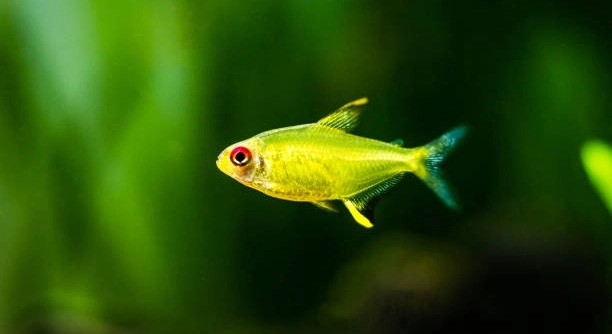
Lemon tetras are small, vibrant fish that bring life to any aquarium. Observing their behavior can reveal much about their mood and interactions within the group. Even subtle changes in movement or positioning can signal tension.
When lemon tetras display aggressive behavior, it is often visible through chasing, nipping, or sudden darting movements. Territorial disputes or competition for food and space can trigger these actions, indicating a clear form of disagreement within the school.
Recognizing these behaviors early allows for better management of your aquarium environment. Proper observation ensures a peaceful and healthy setting for all your fish.
Common Signs Lemon Tetras Are Arguing
Lemon tetras often show subtle signs when they are in conflict. Rapid chasing around the tank, constant nipping at fins, and sudden bursts of darting indicate tension. Sometimes, they form small groups and exclude others from certain areas. Color changes, like a slightly duller hue or flared fins, can also appear when they are stressed. Observing how they interact near feeding times can reveal competition, as some tetras push others away to claim food. Even resting spots can become points of disagreement, especially in smaller tanks. Over time, repeated confrontations can cause stress, weaken immunity, and affect overall health. It’s important to note that not all fast movements or chasing indicate conflict; some are normal schooling behaviors. Careful observation over days can help distinguish playful swimming from aggressive disputes. Understanding these behaviors early helps prevent injuries and maintain harmony in the aquarium.
Tracking these patterns consistently helps identify tensions before serious issues develop, keeping your tetras calmer.
Stress and aggression in lemon tetras are often connected to tank size and environment. Overcrowding or lack of hiding spaces can make even peaceful fish more aggressive. Regular observation of how they swim, interact, and rest can highlight problem areas. Introducing new fish can also trigger temporary disputes as the group adjusts to new social dynamics. Maintaining proper water quality and consistent feeding routines reduces irritability. Providing plants, decorations, and open swimming areas allows tetras to establish territories safely. Recognizing subtle signals like fin nips or chasing helps you respond promptly. Adjusting tank layout, increasing hiding spots, or separating overly aggressive individuals can restore balance. Consistent monitoring ensures that any escalation is caught early. Over time, creating a stable environment allows lemon tetras to interact naturally without constant conflict. A calm tank supports healthy schooling behavior and reduces stress-related illnesses.
Preventing Conflicts Among Lemon Tetras
Providing sufficient space and hiding spots is crucial to reduce disputes. Lemon tetras need room to swim freely without feeling threatened.
Maintaining a balanced environment involves proper tank size, stable water conditions, and thoughtful placement of plants and decorations. Avoid sudden changes in feeding routines or lighting, as these can trigger stress. Observing interactions and acting promptly if aggression arises keeps the group harmonious. In some cases, adding extra fish of similar size disperses attention and reduces targeted aggression. Regular monitoring and gentle adjustments create a calmer, healthier community. Over time, these measures encourage natural schooling and reduce unnecessary tension.
How Tank Conditions Affect Behavior
Water quality directly influences lemon tetra interactions. Poor water conditions can make fish irritable and more likely to chase or nip at one another. Stable temperature, proper filtration, and regular cleaning keep stress levels low and reduce conflicts.
Lemon tetras are sensitive to pH, temperature, and ammonia levels. Even slight fluctuations can increase aggression. Regular testing ensures that water parameters remain consistent, creating a calmer environment. Adding plants and decorations helps break lines of sight, reducing territorial disputes. Crowded tanks amplify conflicts, while a balanced population minimizes tension. Observing daily behavior alongside water conditions allows timely intervention if signs of stress or aggression appear. Maintaining a clean, stable habitat directly supports natural schooling behavior and overall health.
Tank layout also impacts how lemon tetras interact. Open areas promote swimming and group cohesion, while tight spaces force fish into conflict over preferred spots. Hiding areas give less dominant fish refuge, reducing repeated chasing. Adjusting plant placement or decorations can change movement patterns, easing tension. Feeding strategies also matter; spreading food throughout the tank prevents competition and ensures all fish receive nutrition. Combining careful layout, consistent water maintenance, and attentive feeding creates a stable environment where lemon tetras can interact naturally, minimizing aggressive behaviors.
Social Dynamics Within a School
Dominance hierarchies form naturally in lemon tetra groups, influencing who chases or gets chased. Recognizing these patterns helps manage aggression effectively.
Within a school, certain individuals may assert control over space or food. These interactions are often brief but repeated, creating tension for weaker fish. Observing who initiates chases or who retreats consistently can highlight dominant and subordinate roles. Social balance can shift with changes, such as introducing new fish, which temporarily disrupts hierarchy. Adjusting tank conditions, ensuring adequate space, and providing hiding spots helps maintain stability. Over time, understanding these dynamics allows the school to settle, reducing persistent stress and preventing injury.
Common Triggers for Disagreements
Feeding times often spark minor disputes among lemon tetras. Competition over food can lead to chasing, nipping, and short bursts of aggression. Spreading food evenly helps reduce these conflicts.
Changes in the tank, such as new plants or decorations, may also trigger temporary disagreements. Fish need time to adjust to new layouts, which can increase tension briefly.
Monitoring Aggression Levels
Keeping track of interactions over several days reveals patterns of aggression. Note which fish are frequently chased and which initiate conflicts. Regular observation helps identify triggers and allows for timely adjustments in tank conditions.
Adjusting Tank Layout
Open swimming areas reduce tension, while hiding spots provide refuge for less dominant fish. Rearranging plants or decorations can help balance social interactions.
FAQ
How can I tell if my lemon tetras are stressed rather than just active?
Stressed lemon tetras often separate themselves from the group, hide frequently, or display rapid, erratic swimming. Faded colors, clamped fins, and refusal to eat are also signs. Active schooling behavior without chasing or nipping is usually normal, while persistent tension signals stress.
Why do lemon tetras chase each other?
Chasing is often related to establishing dominance within the school. It can also occur during feeding when fish compete for food. Territorial disputes over preferred swimming areas or resting spots may also trigger short bursts of chasing among individuals.
Are all nips aggressive behavior?
Not always. Minor nips can occur during normal social interactions or playful swimming. Aggressive nips are more consistent, target specific individuals repeatedly, and are often paired with chasing or flared fins. Observing patterns over time helps distinguish playful behavior from genuine conflict.
Can tank size affect aggression?
Yes. Small or overcrowded tanks increase competition for space, hiding spots, and food, which can elevate aggression. A properly sized tank with enough swimming space and hiding areas reduces disputes and supports calmer social dynamics among lemon tetras.
Does adding more lemon tetras help reduce arguing?
Sometimes. A larger group can disperse attention and lessen repeated targeting of weaker fish. However, overcrowding can worsen aggression, so it’s important to balance the number of fish with tank size and available hiding spots.
How often should I observe my tetras to catch conflicts early?
Daily observation is ideal. Short, consistent checks allow you to notice subtle changes in swimming patterns, chasing behavior, or fin damage. Noting patterns over several days helps differentiate normal schooling activity from persistent aggression.
What role does feeding play in aggression?
Uneven feeding or limited food access can increase chasing and nipping. Spreading food across the tank ensures all fish can eat without conflict. Feeding smaller amounts more frequently can also reduce stress and competition during meals.
Can rearranging the tank help reduce aggression?
Yes. Rearranging plants, rocks, or decorations breaks visual lines of sight and gives less dominant fish refuge. Creating multiple hiding areas and open swimming spaces balances social interactions and reduces repeated conflicts among lemon tetras.
Is color change a sign of arguing?
Faded or dull colors can indicate stress, which often accompanies aggressive behavior. Brighter, stable colors generally reflect calm and healthy fish. Combined with other behaviors like chasing or hiding, color change can help identify tension in the school.
When should I separate aggressive tetras?
Separation may be necessary if persistent chasing or nipping causes injury or constant stress. Using a temporary divider or moving a fish to another tank can restore balance. After tension decreases, gradual reintroduction under observation can help maintain harmony.
Do all lemon tetras behave the same way in a school?
No. Individual personalities affect behavior. Some fish are naturally more dominant, while others are shy or submissive. Understanding these differences helps in managing conflicts and designing a tank that accommodates the entire group.
Can water conditions trigger arguments?
Absolutely. Poor water quality, fluctuating temperatures, or incorrect pH levels increase stress and irritability. Stable water parameters, consistent maintenance, and monitoring for ammonia or nitrite spikes prevent tension and support healthy schooling behavior.
How long do disputes usually last?
Most disagreements are brief and resolve once dominance is established or food is consumed. Persistent, repeated conflicts over days indicate environmental issues, overcrowding, or stress that need intervention to prevent injuries.
Are there signs my tetras are too stressed from arguing?
Yes. Constant hiding, fin damage, faded colors, reduced appetite, and erratic swimming are indicators. Long-term stress can weaken the immune system, making fish more prone to disease. Early intervention is key to maintaining a healthy tank.
Can tank mates affect lemon tetra aggression?
Yes. Aggressive or larger species can stress lemon tetras, increasing their own conflicts. Choosing peaceful tank mates and observing interactions helps minimize tension and keeps the school cohesive.
How do I restore peace after a fight?
Adjust tank layout, provide hiding spots, ensure proper feeding, and monitor water quality. Separating highly aggressive fish temporarily can reduce tension. Gradually, the school usually settles once the environment supports natural social behavior.
What is the role of plants in preventing disputes?
Plants offer shelter, visual barriers, and resting spaces. They reduce direct line-of-sight conflicts and allow weaker or shy fish to escape aggressive encounters. Strategically placing plants encourages calmer movement and natural schooling behavior.
Are aggressive behaviors seasonal or random?
Aggression is more influenced by environment, tank conditions, and social hierarchy than seasons. However, breeding periods or changes in light cycles can occasionally increase activity and temporary disputes within the school.
Should I worry if occasional nipping occurs?
Occasional nipping is normal, especially during feeding or play. Persistent targeting, chasing, or injuries indicate a problem that needs addressing. Monitoring the frequency and context helps determine whether intervention is necessary.
How can I track behavior effectively?
Keeping a simple log of interactions, feeding times, and observed conflicts helps identify patterns. Noting who initiates or is targeted in chases over days provides insight into dominance, stress, and potential environmental improvements.
What is the best way to introduce new tetras?
Introduce new fish gradually and monitor interactions closely. Providing extra hiding spaces during acclimation reduces stress and prevents excessive chasing. Adjusting the school size slowly allows the group to re-establish a balanced social hierarchy.
Do lemon tetras argue more in small groups?
Smaller groups can result in repeated targeting of weaker individuals. Larger schools diffuse attention and reduce repeated conflicts, but the tank must accommodate the group comfortably to prevent overcrowding stress.
How can I tell if arguing is affecting health?
Fin damage, faded colors, loss of appetite, and frequent hiding are physical signs. Behavioral changes like constant chasing, erratic swimming, or isolation indicate stress that can compromise immune function over time.
What are quick steps to calm a tense tank?
Increase hiding spaces, spread food evenly, check water conditions, and observe for aggressive individuals. Temporary separation of overly aggressive fish can restore stability, allowing the group to settle naturally.
Does lighting impact aggression?
Sudden changes in lighting can startle fish and trigger short-term aggression. Maintaining a consistent light cycle with gradual transitions reduces stress and helps lemon tetras maintain calmer interactions.
Can diet influence behavior?
Proper nutrition reduces competition over scarce resources. Balanced feeding with high-quality flakes or frozen foods ensures energy levels remain stable and lowers the likelihood of disputes over food.
Is it normal for dominant fish to chase multiple times a day?
Occasional chasing is natural to maintain hierarchy, but repeated, aggressive targeting suggests stress or environmental issues. Ensuring enough space, hiding spots, and even food distribution helps moderate this behavior.
How do I know if a fish is too stressed to stay in the group?
A fish that constantly hides, loses weight, or shows fin damage from repeated attacks may need temporary separation. Monitoring recovery and gradually reintroducing it ensures the school remains balanced without ongoing stress.
Are disputes always harmful?
Short, occasional disputes are part of social behavior and rarely cause harm. Persistent or severe conflicts, however, can injure fish, increase stress, and negatively affect health, requiring intervention to prevent long-term problems.
What is the best tank setup to minimize arguments?
A tank with sufficient space, stable water parameters, multiple hiding spots, open swimming areas, and balanced group size reduces tension. Plants, decorations, and consistent routines encourage natural schooling and minimize aggressive interactions.
How long does it take for a new tank environment to settle tensions?
Depending on tank size, group size, and individual personalities, it can take days to weeks. Careful observation and small adjustments during this period help the school settle without prolonged stress.
Can siblings or fish from the same batch be less aggressive?
Familiarity may reduce initial disputes, but dominance hierarchies still form naturally. Even siblings can show chasing or nipping, though conflicts are sometimes less intense compared to completely new introductions.
What signs indicate the school has returned to calm behavior?
Even swimming, minimal chasing, vibrant colors, and balanced feeding behavior indicate harmony. Fish interact naturally without repeated targeting or hiding, reflecting a stable social hierarchy and healthy environment.
How often should I rearrange plants to prevent boredom or disputes?
Minor adjustments occasionally help break patterns without stressing fish. Frequent drastic changes can increase tension, so subtle, spaced-out rearrangements are best for maintaining calm social behavior.
Can aggression be inherited or personality-based?
Individual temperament influences behavior. Some lemon tetras are naturally dominant or more aggressive, while others are submissive. Recognizing these traits helps manage group dynamics and reduce repeated conflicts.
What is the safest way to separate fish temporarily?
Using a clear divider or a quarantine tank allows observation without permanent removal. This prevents injuries while keeping social interactions partially intact, allowing for gradual reintegration once aggression decreases.
How can I encourage natural schooling without fighting?
Sufficient space, consistent feeding, hiding areas, and stable water conditions support healthy schooling. Observing interactions and adjusting environmental factors as needed fosters cohesion while minimizing aggressive disputes.
Is it normal for aggression to fluctuate daily?
Yes. Minor daily changes in behavior are common due to feeding times, light cycles, or minor disturbances. Persistent or escalating aggression over multiple days signals environmental or social issues needing attention.
How do I prevent recurring conflicts in the long term?
Maintain stable water quality, provide adequate space and hiding spots, monitor daily behavior, and ensure balanced feeding. Gradual introductions and occasional minor layout adjustments keep the school calm and reduce repeated disputes.
What are key warning signs to address immediately?
Visible fin damage, constant chasing, faded colors, isolation, or loss of appetite indicate urgent intervention is needed. Early action prevents long-term stress and injuries.
Can adding driftwood or rocks help reduce arguing?
Yes. These create physical barriers, visual separation, and alternative territories. Fish can retreat or hide, which helps reduce repeated chasing and allows natural social balance to form.
Is arguing among lemon tetras ever beneficial?
Short, brief disputes help establish hierarchy and maintain social structure. These interactions are usually harmless if space and resources are sufficient, allowing the school to function smoothly.
How long should I monitor aggressive behavior before making changes?
Observe patterns over several days to distinguish normal schooling from persistent aggression. Consistent observations help identify triggers and determine whether environmental or social adjustments are necessary.
Does tank lighting color affect disputes?
Lighting color has minimal effect compared to tank size, layout, and social hierarchy. Stable light cycles matter more than color, as sudden changes or flickering can trigger stress and temporary conflicts.
What’s the best approach when introducing multiple new fish?
Introduce them gradually, provide extra hiding spots, and monitor interactions closely. Adjust the environment as needed to prevent repeated chasing and ensure a stable social hierarchy.
How can I tell if a fish recovers from stress after arguing?
Fish that resume normal swimming, vibrant colors, regular feeding, and minimal hiding indicate recovery. Continuous monitoring ensures they reintegrate smoothly into the school without ongoing tension.
Can rearranging the tank too often cause stress?
Yes. Frequent or drastic changes disrupt established territories, increasing tension and aggression. Subtle, occasional adjustments are safer and help maintain a balanced environment without unnecessary stress.
How important is water flow in preventing aggression?
Moderate water flow allows comfortable swimming and reduces bottlenecks. Strong currents can increase stress, while stagnant areas can create territorial disputes. Balanced flow supports calmer social interactions and natural movement patterns.
Can aggression indicate illness?
Sometimes. Sick or weakened fish may be targeted repeatedly, increasing conflicts. Conversely, illness can make fish irritable, triggering nipping or chasing. Monitoring both health and behavior ensures early detection of problems.
Does schooling size affect long-term stress levels?
Yes. A sufficiently large group distributes social attention and reduces repeated targeting. Too few or too many fish can increase stress, making proper population balance essential for a harmonious school.
How do I maintain harmony over months?
Regular observation, proper feeding, stable water parameters, balanced group size, hiding spots, and gradual adjustments prevent tension. Consistent care and timely interventions ensure long-term peaceful interactions.
Can aggressive behavior suddenly stop?
Yes, once dominance is established, the environment is balanced, or stressors are removed, chasing and nipping often decrease naturally. Continuous monitoring ensures the school remains calm and healthy.
What is the ideal number of lemon tetras to prevent arguing?
A minimum of six fish is recommended to distribute social interactions. Larger numbers can reduce repeated targeting, but the tank must be spacious enough to prevent overcrowding and maintain harmony.
How do I differentiate between playful and aggressive chasing?
Playful chasing is brief, involves multiple fish, and rarely results in injuries. Aggressive chasing targets specific individuals repeatedly, often accompanied by nipping, fin flaring, and signs of stress in the chased fish.
Can sudden feeding changes trigger disputes?
Yes. Skipping meals, introducing new foods, or concentrating food in one area can increase competition and lead to chasing. Gradual changes and spreading food reduce tension and encourage calmer feeding behavior.
What are long-term effects of unresolved aggression?
Persistent fighting can cause chronic stress, injuries, weakened immunity, stunted growth, and higher susceptibility to disease. Early detection and environmental adjustments prevent these negative outcomes and support a healthier, cohesive school.
How can I encourage less dominant fish to thrive?
Provide hiding spots, spread food evenly, and maintain open swimming areas. Avoid overcrowding and observe interactions to ensure weaker fish can feed, rest, and move without constant harassment from dominant individuals.
Does tank decoration placement matter?
Yes. Proper placement creates visual breaks, refuges, and swimming paths. Strategic arrangement reduces repeated confrontations, allowing fish to interact naturally while minimizing stress and aggression.
Can frequent observation stress fish?
Short, calm observation from outside the tank usually does not stress fish. Sudden movements or tapping on the glass should be avoided, as these can trigger temporary tension or chasing behaviors.
What combination of factors ensures minimal aggression?
Stable water conditions, adequate space, proper schooling size, consistent feeding, hiding spots, balanced layout, and attentive monitoring create an environment where lemon tetras interact naturally without prolonged disputes.
Are some lemon tetras naturally more aggressive than others?
Yes. Individual temperament varies. Dominant or assertive fish will initiate more chasing, while shy fish tend to retreat. Recognizing personality differences helps manage the group and reduce repeated conflicts.
What is the safest way to reintroduce a fish after separation?
Gradual reintroduction with visual barriers or temporary dividers allows fish to acclimate. Observing interactions carefully ensures that aggression does not resume at harmful levels, maintaining harmony in the school.
Can temporary isolation calm aggressive behavior?
Yes. Isolating a dominant or stressed fish briefly reduces repeated chasing, allowing the group to settle. Reintroduction should be gradual with environmental adjustments to maintain balance.
Does tank shape affect disputes?
Long, open tanks provide more swimming space and reduce confrontations, while tall or narrow tanks can create bottlenecks and increase tension. A layout that encourages free movement helps minimize aggressive interactions.
How can I prevent repeated chasing during feeding?
Spread food across multiple areas, feed small portions at intervals, and ensure all fish have access. Adequate hiding spots and open swimming areas also reduce competition and prevent persistent chasing during meals.
Are aggressive interactions ever necessary for schooling health?
Brief dominance displays help establish hierarchy, which supports natural schooling. These interactions are beneficial if short and infrequent, ensuring the group functions cohesively without causing stress or injury.
How do I monitor recovery after a fight?
Observe swimming patterns, coloration, feeding behavior, and fin condition. Reduced hiding, calmer interactions, and normal schooling indicate recovery. Intervene only if aggression persists or physical harm occurs.
Does the number of hiding spots influence long-term stress?
Yes. More hiding spaces allow weaker or shy fish to escape repeated harassment. Adequate cover reduces chronic stress, supporting healthier social dynamics and natural schooling behavior.
Can adding floating plants reduce disputes?
Floating plants create shaded areas and visual barriers, breaking direct lines of sight. This helps minimize chasing and provides resting zones for less dominant fish, supporting calm interactions.
What is the best method to introduce environmental changes?
Make small, gradual adjustments to plants, decorations, or water conditions. Sudden changes can increase stress and provoke temporary disputes, while gradual modifications allow fish to adapt without persistent aggression.
How do I know when my tank is harmonious?
Even swimming, balanced feeding, minimal chasing, vibrant coloration, and visible social cohesion indicate a calm and stable school. The fish interact naturally without persistent disputes or visible stress.
How important is daily care in preventing aggression?
Consistent maintenance of water quality, feeding, and observation allows early detection of tension. Daily care ensures environmental stability, which is crucial for minimizing aggressive behaviors and promoting long-term health.
Can tank lighting intensity affect behavior?
High or sudden changes in intensity may startle fish and temporarily increase chasing. Gradual transitions and consistent light levels support calmer interactions and reduce stress-induced aggression.
Are some disputes unavoidable?
Yes. Short dominance displays or minor skirmishes are natural. The key is ensuring they remain brief, infrequent, and do not cause injury or prolonged stress, preserving overall tank harmony.
Does temperature fluctuation cause aggression?
Yes. Sudden temperature changes increase irritability and stress. Maintaining a stable temperature within the species’ preferred range supports calm behavior and reduces conflicts over swimming areas or food.
How can I encourage shy fish to feed without conflict?
Offer food in multiple locations, provide hiding spots nearby, and ensure dominant fish are distracted. This allows less assertive individuals to access nutrition without repeated harassment or stress.
Can aggression indicate a need for tank expansion?
Yes. Persistent disputes in a crowded tank often signal insufficient space. Increasing tank size or reducing population density allows fish to establish territories safely and reduces tension.
What is the best way to combine new and existing tetras?
Introduce new fish gradually, provide hiding spots, and monitor interactions closely. Adjust layout or feeding routines if disputes arise. Gradual acclimation reduces stress and allows the school to form a stable hierarchy naturally.
How do I know if interventions are working?
Calmer interactions, fewer chases, vibrant colors, and balanced feeding indicate improvements. Persistent aggression signals that additional adjustments to space, hiding spots, or feeding practices are needed.
Are disputes more common during certain times of day?
Feeding periods or sudden environmental changes may increase activity and short-term disputes. Consistent routines and evenly distributed feeding reduce these temporary tensions.
Can aggressive individuals be trained or tempered?
Behavior can be managed by environmental adjustments, spreading food, and providing refuge. True “training” is limited, but careful observation and modifications reduce repeated conflicts and promote calmer interactions.
Final Thoughts
Lemon tetras are lively and social fish that bring a sense of movement and color to any aquarium. Observing their behavior closely is essential to maintaining a peaceful tank. While disagreements and chasing are natural parts of their social structure, persistent aggression can lead to stress and harm. Understanding their interactions, such as chasing, nipping, and hiding, helps identify when behavior is normal and when it indicates tension. Regular monitoring, noting patterns, and responding to changes promptly can prevent small conflicts from escalating into serious issues. Paying attention to these details allows the fish to thrive in a healthy, balanced environment where the entire school can coexist comfortably.
Tank conditions play a significant role in reducing disputes. Stable water quality, consistent temperature, and proper filtration are critical for maintaining a calm environment. Overcrowding, sudden changes in layout, or inconsistent feeding routines can heighten irritability and trigger arguments among tetras. Providing enough swimming space, multiple hiding spots, and evenly distributed food ensures that all individuals have access to the resources they need without constant competition. Plants and decorations can act as visual barriers and resting places, helping less dominant fish avoid repeated harassment. Even small adjustments, such as repositioning a plant or adding a floating cover, can make a noticeable difference in the school’s overall harmony. By observing daily behavior and making these environmental improvements, owners can create a tank that supports natural schooling behavior and reduces stress-related issues.
Social dynamics within the school also deserve attention. Dominance hierarchies are normal, and brief displays of aggression help establish roles among individuals. However, repeated targeting of certain fish, constant chasing, or visible injuries indicate a problem that requires intervention. Introducing new fish gradually, providing hiding spots, and monitoring feeding behavior all contribute to reducing persistent conflicts. It is equally important to recognize individual personalities, as some tetras are naturally more dominant or assertive than others. Over time, balancing environmental factors with careful observation allows the school to settle into a natural rhythm. Maintaining this balance ensures that lemon tetras interact comfortably, exhibit healthy coloration and behavior, and thrive in a tank that meets both their physical and social needs.

Hello,
If you enjoy the content that we create, please consider saying a "Thank You!" by leaving a tip.
Every little bit helps us continue crafting quality advice that supports the health, happiness, and well-being of pets around the world, for pets of all shapes, sizes, and species.
We really appreciate the kindness and support that you show us!