
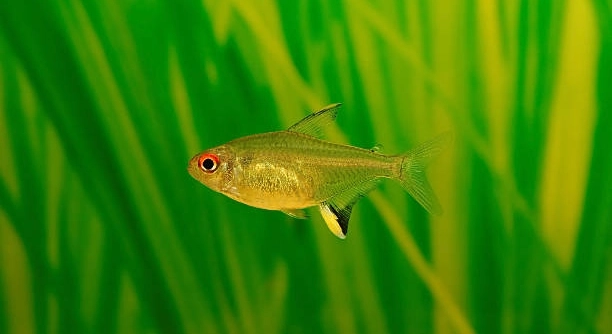
Do you ever find yourself watching your lemon tetras swim and wonder if they are truly happy? These small, colorful fish are known for their lively nature and playful interactions in the aquarium.
Lemon tetras are social creatures and thrive best when kept in groups of at least six. Regular interaction with other fish is essential for their mental stimulation, reducing stress, and promoting natural schooling behavior within a home aquarium.
Understanding their social needs can help you create a balanced and healthy environment for your fish to flourish. This insight ensures they remain active and vibrant in your tank.
Understanding Lemon Tetra Social Behavior
Lemon tetras are naturally schooling fish that rely on each other for safety and comfort. In a tank, they feel more secure when surrounded by others of their kind. Without companions, they can become stressed, shy, and may hide more often, which can affect their appetite and overall health. Observing their behavior in a group shows how they interact, chase each other playfully, and form patterns in the water. Providing at least six lemon tetras together encourages these natural behaviors, making them more active and visually appealing. Tank size also matters, as a cramped environment can lead to tension, while a spacious tank with hiding spots and plants allows them to feel safe. Regular observation helps notice any changes in mood or behavior, which can indicate their comfort level. Ensuring proper social interaction is a key part of maintaining a healthy and vibrant aquarium.
Social interaction keeps lemon tetras mentally and physically healthy, reducing stress and preventing aggressive behavior in the tank.
Creating a comfortable habitat for lemon tetras requires more than just the right number of fish. Tank decorations, plants, and open swimming spaces all contribute to their sense of security. When they can explore and hide when needed, they feel less stressed and more confident. Water quality also affects social behavior; clean, stable water allows them to swim freely without irritation or illness. Feeding routines can further enhance social harmony, as lemon tetras tend to compete less aggressively when food is evenly distributed. Observing their interactions daily helps identify any issues early. By combining proper group size, tank setup, and maintenance, you can ensure your lemon tetras thrive together, exhibiting natural schooling and playful activity.
Signs Your Lemon Tetras Need More Companions
A small number of lemon tetras can lead to noticeable stress behaviors, such as hiding, lethargy, or loss of color.
When lemon tetras lack social interaction, they can become withdrawn and avoid the center of the tank. Isolated fish often show irregular swimming patterns and may appear skittish around tankmates or even the owner. Stress from isolation can weaken their immune system, making them more vulnerable to diseases like fin rot or fungal infections. Introducing additional lemon tetras gradually can improve their behavior and overall well-being, as they learn to interact and form a proper school. Monitoring their response to new companions ensures a smooth adjustment. Over time, a properly sized group of lemon tetras will swim more confidently, display vibrant colors, and exhibit natural social behaviors, which makes the aquarium more lively and enjoyable to watch. This approach balances the health of each fish with the dynamics of the group, ensuring they flourish in a shared environment.
Ideal Group Size for Lemon Tetras
Keeping lemon tetras in groups of six or more helps maintain natural behavior and reduces stress in the tank. Smaller groups can lead to shyness and inactivity, making the fish less healthy and vibrant over time.
A larger group allows lemon tetras to interact naturally, forming schools that move together across the tank. This schooling behavior provides comfort and protection, helping them feel secure. When they are in proper numbers, they show active swimming, playful chasing, and more vibrant coloration. Tank dynamics improve as each fish has a role within the group, reducing aggression and competition for food.
Overcrowding should be avoided, as too many fish can cause stress, water quality issues, and potential disease outbreaks. The ideal balance allows for social interaction while giving enough space to swim freely. Proper filtration, regular water changes, and tank decorations enhance their environment, making the group thrive. Monitoring behavior ensures adjustments can be made to keep all fish healthy and active.
Signs of Stress in Lemon Tetras
Stress in lemon tetras can show through hiding, loss of color, or irregular swimming patterns. Observing their behavior daily helps catch problems early.
Stressed lemon tetras often cling to the edges or bottom of the tank and avoid interacting with tankmates. They may also display rapid gill movements, loss of appetite, or fading coloration. Poor water conditions, insufficient companions, or sudden changes in the tank can trigger this stress. Addressing these factors promptly prevents long-term health issues.
Reducing stress involves maintaining stable water parameters, providing enough companions, and creating hiding spots with plants or decorations. Feeding a balanced diet regularly and ensuring consistent tank routines also helps. Watching how fish respond after changes or additions provides insight into their comfort level. By adjusting tank conditions and social dynamics, lemon tetras regain their natural activity, vibrant colors, and healthy schooling behavior. Regular observation and intervention are key to preventing prolonged stress and promoting overall well-being.
Benefits of Social Interaction
Lemon tetras become more active and confident when kept in proper groups. Social interaction helps them display natural schooling behavior, reduces stress, and encourages healthy swimming patterns in the tank.
Regular interaction also improves their appetite and overall health. Fish that feel secure in a group show brighter colors and less aggressive tendencies, making the aquarium environment calmer.
Adjusting Group Dynamics
Introducing new lemon tetras should be done gradually to prevent stress. Quarantine new fish and monitor behavior before adding them to the main tank. Proper acclimation ensures they integrate smoothly with the existing school, maintaining harmony and reducing conflicts.
Tank Setup for Social Comfort
A well-decorated tank with plants, hiding spots, and open swimming areas supports social behavior. Lemon tetras feel secure when they can retreat or explore freely, allowing them to interact naturally with other fish.
Monitoring Your Fish
Regular observation is essential to detect early signs of stress, illness, or conflict. Watching their swimming patterns and interactions helps ensure a balanced and healthy group dynamic.
FAQ
How many lemon tetras should I keep together?
Lemon tetras are schooling fish that feel safest in groups of six or more. Smaller groups can lead to stress, hiding, and lack of activity. Keeping at least six encourages natural swimming patterns, playful interactions, and social comfort. The more space in the tank, the better they can form a proper school.
Can lemon tetras get stressed if they are alone?
Yes, isolated lemon tetras often become shy, hide frequently, and lose their bright coloration. Stress can weaken their immune system, making them more prone to illness. Keeping them in a group reduces these behaviors and helps maintain a healthy and active fish.
How do I introduce new tetras to an existing group?
New fish should be quarantined for a few days before introduction to prevent disease. Gradual acclimation to the tank’s water conditions helps reduce shock. Slowly introducing them while observing interactions ensures they integrate smoothly into the existing school without causing stress or aggression.
What are signs that my lemon tetras are stressed?
Stress can show through hiding, fading colors, erratic swimming, or loss of appetite. Rapid gill movements and staying at the tank edges are also common indicators. Monitoring behavior daily helps catch stress early and allows for corrective action, like adjusting group size or improving tank conditions.
Does tank size affect their social behavior?
Yes, overcrowding or very small tanks can increase stress and aggression. A tank large enough for free swimming, combined with plants and decorations, allows lemon tetras to school naturally. Adequate space is essential for comfort, exercise, and maintaining proper social interactions.
How can I encourage natural schooling behavior?
Keeping a proper group size, providing open swimming areas, and minimizing sudden disturbances encourage natural schooling. Plants and hiding spots offer security while allowing space for movement. Observing their daily interactions can help ensure they feel safe and continue their normal group patterns.
How often should I monitor my lemon tetras?
Daily observation is ideal. Watch for changes in swimming, color, or interactions with other fish. Early detection of stress or illness allows you to correct problems quickly, keeping the group healthy and active. Small, regular checks prevent issues from escalating.
What role does feeding play in social harmony?
Feeding evenly and consistently helps reduce competition and stress among fish. Spread food throughout the tank so all tetras get their share. Balanced nutrition supports their health and encourages calm interactions, helping maintain a peaceful, socially stable school.
Can lemon tetras live with other fish?
They can live with other peaceful species of similar size. Avoid aggressive or much larger fish, which can stress them and disrupt schooling. Keeping compatible species allows lemon tetras to maintain social behavior while coexisting peacefully in a community tank.
How do I maintain a happy, healthy group long-term?
Ensure stable water conditions, a proper group size, and a balanced diet. Provide enough space, decorations, and hiding spots for security. Regular observation of behavior and early action on signs of stress help maintain vibrant, socially active tetras that thrive in their environment.
What happens if a tetra dies in the tank?
The loss of a fish can affect the remaining school, especially if the group becomes too small. It may increase stress or reduce natural schooling behavior. Adding a new compatible tetra helps restore social balance and maintains group activity and comfort.
Are lemon tetras active at all times of day?
They are generally active during the day and sleep at night. Proper lighting, a consistent day-night cycle, and enough companions help them maintain natural activity patterns. Observing their routines can also indicate comfort and social satisfaction within the tank.
Can a single tetra recover from isolation?
A lone tetra can regain activity and color once introduced to a proper school. Gradual acclimation and monitoring are important to avoid stress during the transition. Once part of a group, their natural behavior, schooling, and social comfort return.
How important are hiding spots in social interaction?
Hiding spots reduce stress and allow fish to retreat if they feel threatened. Plants, rocks, and decorations give lemon tetras security while interacting. A safe environment supports natural schooling and reduces conflict among group members, keeping the fish healthy and active.
Does water quality affect social behavior?
Yes, poor water quality can cause stress, illness, and aggression. Maintaining clean, stable water with proper filtration and regular changes supports social interaction, natural behavior, and overall health. Healthy water conditions allow lemon tetras to swim freely and interact comfortably with their group.
Can I mix male and female lemon tetras?
Yes, they can coexist peacefully. Males may display brighter colors, but both genders interact socially and school together naturally. A balanced mix of sexes promotes normal behavior and contributes to the group’s activity and vibrancy without causing stress.
What temperature and pH are ideal for social comfort?
Lemon tetras thrive in water around 72–78°F (22–26°C) with a pH of 6.0–7.5. Stable conditions reduce stress and support schooling behavior. Sudden changes in temperature or pH can disrupt social harmony, causing hiding, lethargy, or health problems among the group.
How do I tell if a new tetra fits into the group?
Observe interactions for signs of acceptance or aggression. A tetra that swims with the school, mirrors group patterns, and avoids hiding shows successful integration. Early intervention is needed if the new fish is consistently chased or stressed. Patience and gradual introduction help smooth social adjustment.
Can social behavior impact breeding?
Yes, lemon tetras that feel safe and secure in a proper group are more likely to exhibit natural breeding behavior. Stress, isolation, or overcrowding can inhibit mating and egg-laying. A comfortable social environment supports reproductive activity and overall vitality in the tank.
Is it normal for tetras to chase each other?
Light chasing within a school is normal and part of social interaction. Aggressive or prolonged chasing may indicate stress, overcrowding, or insufficient hiding spots. Monitoring behavior helps distinguish natural play from signs of tension that need attention.
How often should I change tank water to support social behavior?
Regular partial water changes, about 20–25% weekly, maintain water quality and reduce stress. Clean water allows lemon tetras to swim actively, interact normally, and maintain their health. Consistent maintenance ensures a stable environment for schooling and social harmony.
Can stress from poor social conditions be reversed?
Yes, correcting group size, improving tank conditions, and providing hiding spots can restore natural behavior. Once comfortable, lemon tetras regain bright colors, activity, and schooling patterns. Early intervention is key to preventing long-term health problems and ensuring social stability in the tank.
What should I do if a tetra is aggressive?
Check group size, tank space, and water quality. Aggression often stems from stress, overcrowding, or lack of companions. Adjusting these factors and providing hiding spots can reduce conflicts. Persistent aggression may require separating the individual temporarily to restore balance in the group.
How important is consistency in care?
Consistent feeding, water maintenance, and monitoring help lemon tetras feel secure and support natural social behavior. Sudden changes in routine, companions, or environment can cause stress, affecting interaction, health, and schooling. Steady care ensures long-term happiness and activity in the group.
Can lemon tetras adapt to new tankmates over time?
Yes, gradual introductions and stable conditions help tetras adjust to new companions. They typically integrate into a school once the environment feels safe, regaining normal social behavior and confidence. Careful observation ensures a smooth transition and prevents stress or aggression.
Does schooling make them more visible in the tank?
Yes, a properly sized school of lemon tetras is more active and swims together, creating a dynamic display. Schooling behavior highlights their vibrant colors and natural patterns, making the tank more lively and engaging while keeping the fish healthy and socially fulfilled.
Are lemon tetras sensitive to sudden environmental changes?
Yes, sudden shifts in temperature, pH, or lighting can stress them. Stability in water conditions, tank setup, and companions supports calm behavior, active schooling, and healthy social interaction. Gradual changes are necessary to prevent stress and maintain group harmony.
How do I know if my tank is too small for the group?
Signs include frequent chasing, hiding, or erratic swimming. Limited space prevents proper schooling and causes stress. Upgrading to a larger tank or reducing fish numbers helps restore natural behavior and promotes social comfort among lemon tetras.
Can decorations affect social behavior?
Yes, plants and hiding spots provide security, reduce aggression, and allow safe exploration. Open swimming areas support schooling. Thoughtful placement of decorations creates an environment where lemon tetras can interact naturally, stay active, and maintain vibrant health.
What is the role of lighting in social interaction?
Proper lighting helps regulate activity and sleep patterns. Consistent day-night cycles encourage normal swimming and schooling while preventing stress. Bright or sudden lighting changes can frighten fish, affecting group dynamics and overall behavior.
Do lemon tetras need companions of the same species only?
While they can coexist with other peaceful species, same-species companions are essential for schooling behavior. Mixed groups may reduce natural interaction, while a proper group of lemon tetras maintains social comfort, reduces stress, and encourages healthy activity in the tank.
Can social behavior impact their lifespan?
Yes, properly socialized tetras experience less stress, healthier immune systems, and more natural activity, all contributing to longer life. Isolation, aggression, or overcrowding can shorten lifespan by increasing illness and reducing overall well-being. A balanced group ensures healthier, longer-living fish.
How do I handle a sudden loss in the group?
Replacing the lost fish with a compatible tetra restores group dynamics. Temporary stress may occur, but proper acclimation and gradual introduction help the remaining tetras readjust to maintain schooling, social comfort, and active behavior in the tank.
Is daily observation enough to maintain a healthy group?
Yes, regular checks allow early detection of stress, illness, or aggression. Observing swimming patterns, coloration, and interactions ensures a balanced, socially stable environment, supporting long-term health and natural behavior in lemon tetras.
Can feeding times affect social interaction?
Consistent feeding routines help prevent competition and stress. Even distribution of food ensures all tetras get their share, maintaining calm behavior and encouraging healthy social dynamics within the group.
How long does it take for a new tetra to integrate?
Integration can take several days to a few weeks. Gradual acclimation, proper tank setup, and careful observation help the new fish join the school, restoring natural behavior and social balance without causing stress or aggression.
What are the most common social problems in lemon tetras?
Stress from isolation, overcrowding, poor water quality, or lack of hiding spots are common issues. These lead to hiding, aggression, or reduced activity. Proper group size, tank maintenance, and careful monitoring prevent these problems and ensure a healthy, active school.
Does schooling affect their feeding behavior?
Yes, a school encourages coordinated feeding and reduces stress during meals. Fish feel safer eating together, and evenly spread food prevents competition, supporting overall health, calm interactions, and natural social behavior in the tank.
Are lemon tetras sensitive to noise or vibrations?
Yes, loud noises or vibrations can startle them, causing hiding or erratic swimming. A stable, calm environment supports normal schooling, social comfort, and overall health. Minimizing disturbances helps maintain a balanced, active group.
How do I maintain long-term social harmony?
Maintain proper group size, stable water, and hiding spots. Regular observation, consistent feeding, and careful integration of new fish help prevent stress or aggression. Stable care ensures lemon tetras remain active, healthy, and socially comfortable in the aquarium.
Can seasonal changes affect social behavior?
Sudden temperature or lighting shifts during seasonal changes can stress fish. Consistent water conditions, lighting schedules, and companion stability help maintain social behavior, activity, and overall health throughout the year.
How do I handle aggressive behavior during feeding?
Spread food evenly, reduce overcrowding, and provide hiding spots. Observation helps identify persistent aggression. Adjusting tank setup or temporarily separating aggressive individuals restores calm and ensures fair access to food for all lemon tetras.
Is water hardness important for social interaction?
Yes, lemon tetras prefer soft to moderately hard water. Stable water hardness reduces stress, supports healthy schooling, and encourages active behavior. Sudden changes can disrupt social dynamics and affect overall well-being.
Can older tetras dominate younger ones?
Occasionally, older or larger tetras may display mild dominance. Providing sufficient space, companions, and hiding spots ensures this does not cause stress. Monitoring interactions helps maintain a balanced and harmonious group.
Do tetras prefer male or female companions?
They do well with both genders. Males may show brighter colors, but both sexes interact socially and school naturally. Gender balance contributes to stable group dynamics without causing stress or disrupting natural behavior.
How important is water circulation for social comfort?
Moderate water flow keeps the tank healthy and stimulates swimming. Proper circulation prevents stagnant areas, supports oxygenation, and encourages natural schooling behavior, contributing to active, socially comfortable lemon tetras.
Can social behavior indicate overall health?
Yes, active schooling, vibrant colors, and playful interactions show that lemon tetras are healthy and stress-free. Withdrawal, hiding, or erratic swimming can signal illness or environmental issues, prompting adjustments to restore well-being.
How often should I rearrange decorations?
Frequent changes can stress tetras. Minimal rearrangement maintains security and comfort while allowing exploration. Thoughtful placement supports schooling, hiding, and social harmony, keeping fish active and healthy.
Do tetras react to human presence socially?
Yes, they may swim closer or follow movement. Observing reactions can indicate comfort and confidence. A calm approach supports normal social behavior and reduces stress in the tank.
Can adding plants improve social behavior?
Yes, live or artificial plants provide hiding spots, reduce stress, and encourage natural swimming and schooling. Plants contribute to a balanced, socially active environment for lemon tetras.
What is the role of tank mates in social comfort?
Compatible tank mates reduce stress without disrupting schooling. Peaceful species of similar size allow lemon tetras to interact normally, maintain group cohesion, and enjoy a stable, active social environment.
Does overcrowding always lead to aggression?
Often, yes. Overcrowding increases competition for space, hiding spots, and food, causing stress and aggression. Proper group size and tank space prevent conflict and maintain healthy social dynamics.
Can stress from isolation be permanent?
Long-term isolation can have lasting effects, including timid behavior and reduced activity. Introducing companions and improving conditions can help recovery, but early intervention is most effective.
How do I know if my school is balanced?
A balanced school swims together, shows natural color, and interacts calmly. Fish do not hide excessively or chase each other aggressively. Monitoring daily ensures social harmony and overall well-being.
Are lemon tetras sensitive to temperature changes during transport?
Yes, sudden shifts during transport can stress them. Gradual acclimation to new tank conditions is necessary for smooth integration and normal social behavior. Careful handling prevents stress-related health issues.
Can social enrichment improve their activity?
Yes, providing a proper group, hiding spots, and open swimming areas keeps them active and engaged. Social enrichment supports schooling, reduces stress, and enhances overall health and well-being.
Do all lemon tetras integrate easily into a new group?
Most do with proper acclimation, but some may be shy initially. Gradual introduction, monitoring, and sufficient space help them join the school and regain normal social behavior without stress.
Is it normal for a tetra to isolate briefly?
Occasional brief isolation can happen during rest or exploration. Persistent hiding, lethargy, or avoidance signals stress or health issues, which require attention to restore social comfort and active behavior.
Can seasonal light changes impact schooling?
Yes, inconsistent lighting can disrupt activity patterns. Stable light cycles help maintain normal swimming, social behavior, and overall health. Gradual adjustments prevent stress and encourage a balanced group dynamic.
How do I encourage shy tetras to interact?
Provide a proper group, hiding spots, and stable conditions. Avoid sudden disturbances and ensure enough swimming space. Gradual encouragement through observation and consistent care helps shy tetras join the school naturally.
Can frequent water testing improve social behavior?
Yes, maintaining stable water parameters prevents stress, supports healthy schooling, and ensures vibrant colors. Regular testing allows early detection of issues that could affect social comfort and overall activity.
Are lemon tetras active at feeding times?
Yes, feeding often stimulates activity and interaction within the school. Proper distribution of food encourages natural behavior, reduces competition, and maintains calm social dynamics.
Does introducing too many new fish at once cause stress?
Yes, sudden group additions can overwhelm existing tetras, causing hiding or aggression. Gradual introduction of new fish ensures smooth integration and maintains social harmony.
How long does it take for tetras to show normal schooling behavior?
Once in a proper group and stable conditions, they typically display normal schooling within a few days to a week. Observation ensures they adapt comfortably without stress.
Can lemon tetras thrive in planted tanks only?
Yes, planted tanks provide hiding spots, security, and natural swimming areas. Plants support social comfort, reduce stress, and encourage natural schooling behavior in lemon tetras.
Is social interaction linked to reproduction?
Proper schooling and comfort encourage natural mating behavior. Stress or isolation can prevent breeding, while stable social groups promote activity and reproductive readiness.
How do I maintain a calm school long-term?
Maintain proper group size, stable water, and consistent feeding. Provide hiding spots, observe interactions, and introduce new fish gradually. Stable conditions ensure lemon tetras remain active, healthy, and socially comfortable indefinitely.
Can stress from water quality affect color?
Yes, poor water can dull colors, reduce activity, and alter behavior. Maintaining clean, stable water supports vibrant coloration, natural schooling, and overall social comfort.
Do tetras prefer flowing or still water?
Moderate flow encourages swimming and reduces stagnant areas, supporting natural activity and schooling. Extreme currents can stress fish and disrupt social behavior.
Are juvenile tetras as social as adults?
Juveniles also thrive in groups and begin schooling early. Proper group size and tank setup allow them to develop natural social behavior alongside adults.
How important is regular observation for long-term health?
Daily observation ensures early detection of stress, illness, or aggression. It helps maintain balanced social interactions and overall well-being, keeping the school active, healthy, and vibrant.
Can aggression arise during breeding?
Yes, males may display dominance, but proper space, hiding spots, and group size reduce conflicts. Monitoring behavior ensures social stability during reproductive periods.
Do tetras show signs of social boredom?
Limited interaction or isolation can reduce activity, cause hiding, and dull colors. A proper school, open swimming space, and environmental enrichment keep them engaged and active.
**How do I
Lemon tetras are small, lively fish that thrive in social environments. They feel most comfortable when kept in groups of six or more, which allows them to display natural schooling behavior. When they have companions, they swim together, interact playfully, and explore the tank with confidence. This social interaction reduces stress, encourages activity, and helps maintain vibrant colors. A well-sized group also prevents hiding and lethargy, common problems when tetras are kept alone or in very small numbers. Observing their behavior in a properly set-up group shows just how much they rely on each other for comfort and security, making their social needs an important part of daily care.
The tank environment plays a significant role in supporting social behavior. Open swimming spaces, decorations, plants, and hiding spots allow lemon tetras to feel secure while interacting with the group. Proper water quality and consistent maintenance are also crucial, as sudden changes in temperature, pH, or cleanliness can stress the fish and interfere with schooling behavior. Feeding routines and evenly distributed food help reduce competition and keep the group calm. A comfortable, well-maintained tank encourages active swimming, natural interaction, and healthy development. Regular observation is important to notice early signs of stress, illness, or aggression, so adjustments can be made to maintain harmony in the group.
Maintaining a healthy, socially active school of lemon tetras requires attention to both their group size and environment. Introducing new fish should be done gradually, ensuring they integrate smoothly without causing tension. Overcrowding or isolation should be avoided, as both can lead to stress, illness, and reduced activity. Consistent care, observation, and a balanced habitat support long-term health, proper social interaction, and natural behavior. By providing the right companions, tank setup, and water conditions, lemon tetras can thrive and exhibit their playful, lively nature. Paying attention to these aspects ensures a peaceful, active, and visually engaging aquarium where lemon tetras feel secure and happy.

Hello,
If you enjoy the content that we create, please consider saying a "Thank You!" by leaving a tip.
Every little bit helps us continue crafting quality advice that supports the health, happiness, and well-being of pets around the world, for pets of all shapes, sizes, and species.
We really appreciate the kindness and support that you show us!