
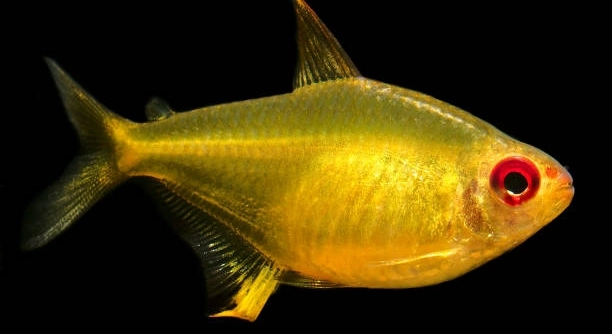
Are your home aquariums filled with lively Lemon Tetras, sparkling with color and activity? These small, peaceful fish bring life to any tank, but their behavior can sometimes change when unexpected disturbances occur around them.
Lemon Tetras are sensitive to loud sounds due to their lateral line system, which detects vibrations in water. Excessive noise can trigger stress responses, including erratic swimming, hiding, or increased aggression, impacting their overall health and well-being.
Understanding how noise affects these fish can help you create a calmer, healthier environment, ensuring they thrive and display their natural, vibrant behavior.
How Loud Sounds Affect Lemon Tetras
Lemon Tetras are small, delicate fish that rely heavily on their senses to navigate their environment. Loud noises can startle them easily, causing sudden bursts of swimming or frantic movement. Prolonged exposure to high noise levels may increase stress hormones, which can weaken their immune system over time. This stress can lead to decreased appetite, color fading, and even susceptibility to diseases. Even vibrations from nearby appliances, footsteps, or music can create disturbances that are noticeable to these sensitive fish. Providing a quiet environment with stable conditions is essential for their well-being. Observing their behavior regularly helps you identify if noise is affecting them. Small adjustments, like placing the aquarium away from heavy traffic areas or reducing sudden sounds, can make a noticeable difference. Calm surroundings encourage natural schooling behavior, which is a sign that the fish feel secure. Over time, less stress means healthier, more active Lemon Tetras that show vibrant colors and consistent behavior.
Reducing noise near the tank creates a calmer atmosphere, helping Lemon Tetras swim naturally and maintain good health consistently.
Creating a stable, low-noise environment involves considering both the placement of the tank and surrounding activities. Sudden loud sounds, like closing doors, dropping objects, or loud conversations, can startle the fish. Even daily household noises, such as vacuum cleaners or washing machines, may affect their stress levels if the tank is nearby. Placing the aquarium in a quiet corner, away from heavy foot traffic or frequently used appliances, reduces unnecessary disturbances. Covering the tank partially with a decorative background can help block external vibrations. Maintaining consistent feeding and lighting schedules also supports their sense of security. Observing their reactions over days allows you to notice patterns of stress linked to noise. Creating a predictable, calm environment encourages schooling behavior, healthy eating, and vibrant colors, ensuring the Lemon Tetras feel safe in their habitat.
Practical Steps to Protect Lemon Tetras
Monitoring noise levels near the tank is an effective first step in protecting the fish.
Simple measures can significantly reduce stress. Using soft padding under the tank, keeping it away from windows with traffic noise, and limiting sudden loud activities nearby all help. Regularly checking the fish for signs of stress, such as erratic swimming or hiding, ensures early intervention. Consistent lighting and feeding routines further support their well-being. Small changes in the environment, like moving speakers or household appliances farther away, create noticeable improvements. By understanding their sensitivity and adjusting the surroundings, you ensure the fish remain active, healthy, and display their natural colors. Even minor adjustments can prevent long-term health issues linked to stress. Over time, these efforts contribute to a stable, vibrant aquarium that showcases Lemon Tetras in their best condition. Proper care and attention to noise create a peaceful home that benefits both the fish and the overall tank ecosystem.
Common Signs of Stress in Lemon Tetras
Lemon Tetras show stress through behavior changes such as hiding, rapid swimming, or staying at the bottom of the tank. Loss of color, reduced appetite, and frequent darting are additional signs indicating the fish are disturbed by their environment or loud noises.
Stress can affect health significantly. Prolonged exposure to disturbances weakens the immune system, making fish prone to infections. Changes in water quality or sudden loud sounds can trigger erratic schooling, aggression, or lethargy. Observing these patterns early allows for corrective actions. Adjusting tank placement, reducing noise, and maintaining consistent feeding and lighting routines help minimize stress. Stress management improves longevity and ensures Lemon Tetras remain active and vibrant, maintaining their natural social behavior and coloration within the tank environment.
Behavioral signs often accompany physical symptoms. Faded colors, clamped fins, and reduced activity are visible indicators. Paying attention to these changes allows for timely interventions. Environmental adjustments and careful observation help maintain a healthy, balanced habitat where Lemon Tetras can thrive with minimal stress.
Reducing Noise Impact in the Aquarium
Positioning the tank in a quiet area limits exposure to vibrations and loud sounds, helping the fish stay calm. Avoid placing the aquarium near speakers, doors, or frequently used appliances.
Noise reduction involves both tank placement and environmental management. Using a sturdy stand, soft padding underneath, and tank covers can dampen vibrations. Limiting household activity near the tank, including sudden movements, loud conversations, or appliance use, further decreases stress. Regular observation helps identify triggers that cause erratic behavior, allowing for timely adjustments. Maintaining a consistent lighting schedule and minimizing sudden changes in the environment contributes to the overall well-being of Lemon Tetras, reducing stress-related health problems.
Small modifications create a stable, low-stress environment. Rearranging furniture, moving the tank away from high-traffic areas, and controlling household noise levels ensure the fish can exhibit natural behaviors. Consistent monitoring, proper feeding, and a calm atmosphere combine to support vibrant colors, healthy activity levels, and reliable schooling patterns for Lemon Tetras over time.
Environmental Factors That Heighten Sensitivity
Sudden vibrations, bright lights, or frequent movement near the tank can increase Lemon Tetras’ sensitivity. These fish react to changes quickly, and repeated disturbances can lead to prolonged stress.
Temperature fluctuations and poor water quality also amplify their stress response. Stable conditions reduce sensitivity and support healthier behavior.
Feeding and Stress Management
Stress can affect feeding habits. Lemon Tetras may eat less or refuse food when exposed to frequent loud sounds or disturbances. Maintaining consistent feeding times and a calm environment encourages normal appetite and helps preserve their energy and vitality.
Using Decorations to Reduce Stress
Adding plants, rocks, or hiding spaces provides security. These decorations allow Lemon Tetras to retreat when feeling threatened, reducing stress levels and promoting natural behavior patterns in the tank.
Observation and Routine Checks
Regularly watching the fish helps identify stress signs early. Adjusting the environment promptly ensures Lemon Tetras remain healthy and active.
FAQ
Are Lemon Tetras harmed by occasional loud sounds?
Lemon Tetras are sensitive to vibrations and loud noises, but occasional disturbances generally do not cause permanent harm. Short-term exposure may startle them, leading to brief bursts of erratic swimming or hiding. Consistent stress is the main concern, so occasional noise is less damaging than repeated exposure.
How can I tell if loud sounds are stressing my Lemon Tetras?
Look for behavioral changes such as rapid swimming, hiding, or staying near the tank bottom. Physical signs include faded colors, clamped fins, or reduced appetite. Observing these signs consistently indicates that environmental noise or vibrations are affecting their well-being.
Can loud music affect Lemon Tetras?
Yes, loud music can create vibrations in the water that Lemon Tetras detect through their lateral line system. While moderate background noise is generally tolerated, sudden or high-volume music may trigger stress responses. Keeping music at a low volume and away from the tank helps reduce this impact.
Do all Lemon Tetras react the same way to noise?
Individual fish may vary in sensitivity. Some may tolerate occasional disturbances without noticeable stress, while others may respond quickly to minor vibrations. Observing the specific behavior of your fish helps identify which individuals are more sensitive and need additional care.
Will moving the tank reduce stress from loud sounds?
Yes, positioning the tank in a quiet area away from doors, speakers, or high-traffic zones significantly reduces exposure to vibrations. Ensuring the tank is on a stable stand with padding underneath further minimizes the transmission of external noise into the water.
Can decorations help reduce stress from noise?
Decorations such as plants, rocks, or hiding spots provide refuge areas. Lemon Tetras use these spaces to feel secure when startled. A well-decorated tank encourages natural behavior, reduces prolonged stress, and helps maintain normal schooling and feeding patterns even if occasional noise occurs.
Is it safe to have other pets near the tank?
Other pets, like cats or dogs, can create vibrations or sudden movements that stress Lemon Tetras. Limiting their access to the tank area, or placing the aquarium where pets are less likely to cause disturbances, helps maintain a calm environment for the fish.
How often should I monitor my fish for stress?
Daily observation is recommended. Watching their behavior during feeding and general activity provides insight into their comfort level. Noting any unusual behavior, hiding, or color changes allows for prompt intervention, reducing long-term stress effects.
Do loud sounds affect breeding behavior?
Yes, stressed Lemon Tetras are less likely to breed. Noise and frequent disturbances can interfere with natural courtship behavior, reduce spawning, and impact the development of eggs or fry. Maintaining a calm, quiet tank increases the likelihood of successful breeding.
Can stress from noise lead to illness?
Chronic stress weakens the immune system, making Lemon Tetras more susceptible to infections, fin rot, or other health issues. Maintaining a stable, low-noise environment and observing early stress indicators help prevent illness and support long-term health.
Are there alternatives to reducing noise near the tank?
Using soft padding under the tank, covering it partially with a background, and keeping it away from appliances or traffic areas are effective strategies. These adjustments reduce vibrations without major changes to tank placement.
How quickly do Lemon Tetras recover from noise stress?
Recovery depends on the severity and duration of the disturbance. Short-term stress from minor noise usually resolves within minutes to hours. Consistent, prolonged disturbances may take days to recover, and repeated exposure can have longer-term effects on health and behavior.
Does tank size influence noise sensitivity?
Smaller tanks transmit vibrations more directly, so Lemon Tetras in compact setups may react more strongly to noise. Larger tanks provide a buffer, diluting vibrations and allowing fish to find calmer areas. Proper tank size combined with environmental adjustments helps manage sensitivity effectively.
Can adjusting water parameters reduce stress from loud sounds?
Stable water temperature, proper pH, and clean water reduce overall stress, making Lemon Tetras more resilient to occasional noise. Fluctuating water conditions can worsen stress responses, so maintaining consistent water quality is critical for their well-being.
Is it normal for some Tetras to hide more than others when there is noise?
Yes, individual fish have different coping mechanisms. Some may hide immediately, while others remain active. Providing hiding spaces and observing each fish helps ensure all individuals feel secure and reduces the overall impact of stress on the school.
Do tank mates influence stress levels related to noise?
Yes, aggressive or overly active tank mates can worsen stress, especially if loud sounds occur. Compatible species that remain calm help buffer the effects of disturbances and create a more stable social environment, supporting the well-being of Lemon Tetras.
How can I maintain a low-stress environment long-term?
Place the tank away from noise sources, provide hiding spots, maintain stable water conditions, and monitor behavior daily. These steps create a predictable, safe environment, ensuring Lemon Tetras remain healthy, active, and display natural coloration consistently.
Can aquarium equipment contribute to noise stress?
Yes, filters, air pumps, or other equipment can produce vibrations or humming sounds. Choosing quiet models, placing them on vibration-absorbing surfaces, and ensuring proper maintenance reduces additional stress for sensitive Lemon Tetras.
What is the most effective method to minimize noise-related stress?
Combining multiple approaches works best: strategic tank placement, quiet surroundings, stable water parameters, decorations for hiding, and consistent routines. Observing the fish and adjusting environmental factors as needed ensures minimal stress and supports a healthy, thriving aquarium community.
Final Thoughts
Lemon Tetras are small, peaceful fish that bring vibrancy and movement to any home aquarium. Their sensitivity to sound and environmental changes is a natural part of how they interact with their surroundings. Loud noises, sudden vibrations, or frequent disturbances can startle them and trigger stress responses. These responses may include erratic swimming, hiding, or reduced activity, and over time, repeated stress can affect their health. Maintaining a calm, predictable environment is essential to supporting the well-being of Lemon Tetras. Providing stable water conditions, consistent feeding schedules, and low-noise surroundings allows the fish to feel secure and display their natural behavior. By observing the fish regularly, you can notice changes in behavior or coloration that signal stress, allowing you to make adjustments before any long-term impact occurs.
Creating a low-stress aquarium does not require complicated setups. Simple changes, such as placing the tank away from doors, speakers, or high-traffic areas, can significantly reduce disturbances. Adding decorations like plants, rocks, or small hiding spots gives Lemon Tetras safe areas to retreat when startled. These additions encourage natural behavior, including schooling and exploring, while helping the fish feel secure. Quiet equipment, such as filters and air pumps designed to minimize vibrations, further supports a calm environment. Even small adjustments, like using padding under the tank or partially covering the sides, can dampen vibrations and reduce stress. Ensuring that other pets or household activity do not create sudden disturbances also contributes to a stable and healthy habitat. Over time, these considerations help Lemon Tetras thrive, maintain their color, and remain active.
Understanding the needs of Lemon Tetras is key to keeping them healthy and vibrant. Their sensitivity to loud sounds and sudden changes is part of their natural behavior, not a sign of weakness. By monitoring the fish, managing environmental factors, and providing secure spaces, you can prevent stress from becoming a long-term problem. Calm surroundings and consistent care allow Lemon Tetras to exhibit natural schooling patterns, feed reliably, and display their bright, lively colors. The benefits of a stable, low-stress environment go beyond reducing stress—it supports overall health, improves longevity, and creates a tank where these small fish can flourish. Maintaining awareness of noise, vibrations, and household activity ensures that Lemon Tetras remain active, comfortable, and visually vibrant for years to come.

Hello,
If you enjoy the content that we create, please consider saying a "Thank You!" by leaving a tip.
Every little bit helps us continue crafting quality advice that supports the health, happiness, and well-being of pets around the world, for pets of all shapes, sizes, and species.
We really appreciate the kindness and support that you show us!