
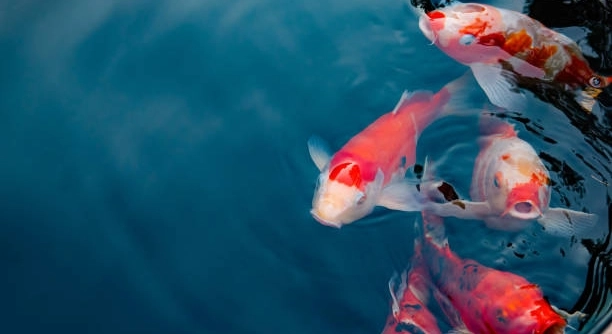
Are your koi often skittish or stressed after bringing them home, even though everything in the pond seems just right?
The most effective way to introduce new koi is through a slow acclimation process, including temperature matching, water mixing, and quarantine. These steps reduce stress and prevent the spread of disease, promoting healthier integration into your pond.
Learning how to properly introduce new koi can make all the difference in their health and behavior. Each step helps set them up for a peaceful and balanced life in their new environment.
Use a Quarantine Tank First
Quarantining new koi is one of the most important first steps. It helps prevent the spread of illness to your established fish. Set up a separate tank with proper filtration, aeration, and water quality before your koi arrive. Keep the new fish in quarantine for at least two to four weeks. During this time, observe them for signs of disease, such as white spots, frayed fins, or unusual behavior. Treat any problems before introducing them to your main pond. Using a heater in the quarantine tank can help support their immune system. You can also add salt at low levels to reduce stress and lower parasite risks. Make sure to feed lightly, and remove any uneaten food. Clean the tank regularly to maintain water quality. If you notice anything unusual, act quickly with appropriate treatment. After the quarantine period, your koi will be healthier and less likely to affect other fish.
Quarantine gives your koi a safe space to adjust and recover from the stress of transport, which improves long-term health.
Once your koi show signs of being active, healthy, and disease-free in the quarantine tank, you can begin planning their move to the main pond. This step keeps your existing fish population safe and balanced.
Match Water Conditions
Your pond and the quarantine tank need similar water conditions. Temperature, pH, and hardness should be as close as possible before moving the fish.
Gradual acclimation is key. Start by floating the koi in a bag or container in the pond for 20 to 30 minutes to equalize temperature. Then slowly add small amounts of pond water into the bag every 10 minutes for about an hour. This helps the koi adjust to the new water chemistry without stress. Avoid rushing the process. A sudden change in water conditions can shock the fish and lead to health problems. After acclimation, gently release the koi into the pond using a net or by letting them swim out of the container. Discard the transport water to avoid introducing possible contaminants. Monitor the koi closely for the next 48 hours. If they seem lethargic or hide excessively, check your water parameters again. Stable and clean water supports their immune system and helps them feel comfortable faster.
Introduce Koi During Calm Weather
Avoid introducing new koi during extreme weather. Sudden changes in temperature or storms can cause stress and lower your koi’s immune response. Choose a mild day with steady temperatures to reduce risks during the transition.
Wind, rain, or sudden cold snaps can disrupt the pond’s environment and make it harder for your new koi to adjust. When the weather is calm, oxygen levels tend to be stable, and water temperature doesn’t fluctuate as quickly. This creates a more welcoming and less stressful space. If possible, check the weather forecast before planning the introduction. Even if your pond has good filtration and aeration, weather can still influence your fish’s comfort. Choosing a good day shows care and helps set your koi up for success. Don’t forget to avoid mid-day heat, as it can increase surface temperatures quickly and cause discomfort. Early morning or late afternoon is usually ideal.
Stable weather also allows you to observe your koi better after release. Fish tend to act differently during shifts in barometric pressure, and that can make it harder to spot signs of distress. When everything is steady, you’ll be able to monitor how well they’re adjusting to their new space without weather distractions.
Monitor Behavior Closely
Once your koi are in the pond, keep an eye on them for at least the first 48 hours. Watch for signs like flashing, clamped fins, or isolating behavior. These could point to stress or illness.
Healthy koi will swim calmly, interact with others, and respond to food. If they seem slow or overly active, it may mean something’s off. Use a test kit to check your pond water regularly—especially in the first few days. Temperature, ammonia, nitrites, and pH can shift when adding new fish. A spike in these levels may affect all your koi, not just the new ones. Feed lightly during this period and remove leftovers to maintain water quality. If behavior doesn’t normalize after a couple of days, consider isolating the new fish again. Trust your observations—they’ll often show problems before test results do. Careful monitoring helps prevent small issues from becoming serious health problems.
Avoid Feeding Right Away
Hold off on feeding your new koi for the first 24 hours. Moving into a new pond is stressful, and their appetite may be low. Giving them food too soon can lead to water quality issues if they don’t eat.
Let them settle before offering anything. Once they begin swimming around calmly and showing interest in their surroundings, you can introduce small amounts of food. Keep feedings light for the first few days, and remove any uneaten bits to keep the water clean and safe.
Add Koi in Small Groups
Introducing too many koi at once can upset the pond’s balance. The filter may not handle the extra waste load right away, and stress levels can rise among all the fish. Add koi in small batches, giving your system time to adjust and stabilize between introductions. This method keeps your pond healthier and gives each group a smoother start. Monitor your water quality after each batch. A few days between additions is usually enough, depending on the size of your pond and the strength of your filtration system.
Keep Equipment Clean
Always clean your nets, tubs, and other tools before and after use. This prevents the spread of parasites or bacteria between tanks or ponds. Avoid sharing equipment with other ponds unless it has been disinfected.
FAQ
How long should I quarantine new koi before adding them to the pond?
The recommended quarantine period is at least two to four weeks. This gives enough time to observe the fish for signs of disease or parasites. During this period, maintain clean water with proper filtration and aeration. Check the temperature and use a low dose of pond salt if needed to reduce stress and help healing. Feed lightly and only if the koi seem settled. If any signs of illness appear—like white spots, torn fins, or unusual swimming behavior—extend the quarantine and treat accordingly. Only move the koi once they show steady, healthy behavior.
Can I use my main pond as a quarantine space?
Using the main pond as a quarantine area is not recommended. If the new koi carry any diseases or parasites, they can easily spread to your existing fish. A separate tank, even a large tub or temporary holding pool, is much safer. It allows you to treat the new koi without risking the health of the others. If you absolutely must use your pond, remove your existing fish first—but this process is stressful and can be risky. It’s always better to set up a proper quarantine system ahead of time.
What signs of stress should I look for after introducing koi?
Look for clamped fins, rapid gill movement, flashing (rubbing against objects), loss of color, or hiding constantly. These are common signs of stress. Koi may also avoid eating or separate themselves from the group. Watch your fish closely in the first 48–72 hours after release. Stress can lead to weakened immunity and illness. If the behavior doesn’t improve or gets worse, test the water and consider re-isolating the affected koi. Always respond quickly to early signs to prevent larger issues.
Is it okay to introduce koi during winter?
Introducing koi in cold water (below 50°F or 10°C) is not ideal. Koi have slower immune responses in winter, making it harder for them to recover from stress or fight off any illnesses they might bring. It’s better to wait for spring or fall when water temperatures are more stable and within a healthy range (between 65°F and 75°F). If you must introduce koi in winter, use a heated quarantine tank and wait until conditions improve. Cold water introductions often lead to poor adjustment and a higher risk of disease.
How do I know if the new koi have adjusted well to the pond?
Healthy, well-adjusted koi will swim steadily, interact with other koi, and explore their surroundings. They may come up to feed and appear calm rather than hiding. Their colors should remain bright, and their fins should be open, not clamped. You’ll also notice regular breathing and smooth movements through the water. If they behave this way for several days and show no signs of illness or stress, they’ve likely adjusted well. Continue to monitor them for a week or two to be sure.
Can I skip the quarantine if the koi come from a trusted breeder?
Even if your koi are from a trusted source, quarantine is still important. Fish can carry parasites or illnesses without showing symptoms right away. Stress from transport can also weaken their immune systems, making them more likely to get sick. Quarantining gives you control over the environment and time to notice any hidden problems. Many experienced keepers always quarantine—no matter the source. It’s a small step that can prevent serious issues later.
What should I feed new koi after moving them?
Once they’ve had time to settle in (at least 24 hours), start with a high-quality, easy-to-digest food. Wheat germ-based foods are good because they’re gentle on the digestive system. Feed small amounts and watch how the koi respond. If they show interest, continue feeding lightly for a few days. Avoid overfeeding, especially in cooler water, since uneaten food can pollute the pond. Always remove leftover food and observe your koi’s behavior after feeding.
Should I keep the pond lights on after adding new koi?
Keep lighting soft or natural for the first few days. Bright lights can stress newly introduced koi, especially at night. Allow them to rest and feel safe in their new space. If you use pond lighting, try dimming it or limiting its use until the koi appear comfortable. Once they’re settled, you can resume your normal lighting routine. The goal is to create a calm, low-stress environment during their adjustment period.
Final Thoughts
Introducing new koi to your pond can feel like a big task, but it becomes much easier when you follow a clear and careful process. Taking small steps, such as quarantining, matching water conditions, and observing behavior, helps keep your new and existing fish healthy. These actions may seem simple, but they have a big impact on the well-being of your koi. Rushing the process or skipping steps can lead to problems later, like illness or poor adjustment. With some patience and planning, you can reduce stress for the fish and avoid unnecessary risks. Each step plays a part in making sure your pond stays balanced and peaceful.
One of the most important things you can do is stay observant. Even after the new koi have joined your pond, your role doesn’t end there. Continue checking water quality and watch how your fish behave around each other. Koi can be sensitive to changes, and their behavior often shows early signs when something isn’t right. Don’t hesitate to act if anything seems off. Test the water, review recent changes, and, if needed, separate the fish again for treatment. Giving attention to small details makes a big difference. Being careful early on prevents long-term issues and helps your koi thrive in their new home.
In the end, adding new koi isn’t just about expanding your pond—it’s about building a safe space for them to grow and live well. The goal is to keep things calm, clean, and steady. You don’t need a large setup or expensive equipment to do this right. With clean tools, good timing, and a watchful eye, you can make the transition smooth for everyone involved. Your koi will thank you by staying active, healthy, and colorful. Whether you’re adding one new koi or several, following these steps each time will help keep your pond community happy. Thoughtful care today leads to better results tomorrow, and that’s what makes koi keeping a rewarding experience.

Hello,
If you enjoy the content that we create, please consider saying a "Thank You!" by leaving a tip.
Every little bit helps us continue crafting quality advice that supports the health, happiness, and well-being of pets around the world, for pets of all shapes, sizes, and species.
We really appreciate the kindness and support that you show us!