
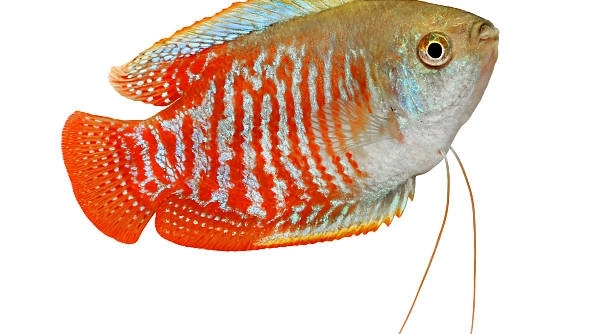
Gourami fish are popular in home aquariums, known for their peaceful nature and vibrant colors. However, sometimes it can be hard to tell if they are simply playing or engaging in a fight.
Gourami fish show signs of aggression or playfulness through their body language and behavior. Fighting often includes flaring fins, chasing, and territorial displays, while playing typically involves less intense movements and more casual interactions.
Understanding these behaviors will help you identify if your gourami are in distress or simply enjoying their space. Keep reading to find out more!
Signs of Gourami Fighting
When gourami fish are fighting, their behavior becomes quite noticeable. They will often engage in aggressive displays, such as flaring their fins, puffing out their bodies, and swimming rapidly. They may also chase one another, trying to establish dominance. This is particularly common when there are multiple males in the same space, as they will compete for territory or mates. You might see them bumping into each other or even nipping at one another, which can lead to stress or injury if it escalates.
In some cases, fighting can also involve posturing. This includes spreading their fins wide to make themselves appear larger and more threatening. You may also notice one fish swimming more erratically or trying to hide, signaling that it’s trying to avoid confrontation. Keep an eye on your fish during these moments to see how long the aggression lasts.
Understanding these aggressive signs is important for maintaining the health of your aquarium. If you notice persistent fighting, you may need to rearrange the tank or separate the fish to avoid injury.
Signs of Gourami Playing
Gourami fish are also known to be playful, and their movements can be quite entertaining. They often swim together in small groups, weaving through plants or around tank decorations.
This playful behavior is less intense than fighting. They may chase each other for short bursts, but there are no signs of aggression. Instead of flaring fins, they swim calmly and sometimes even interact with other fish in a friendly manner. Playful gourami can be seen exploring their surroundings or gently brushing past each other without causing harm.
Recognizing when gourami are playing versus fighting is key to maintaining a healthy and peaceful aquarium. If you’re uncertain, it’s always good to observe their body language carefully.
How to Tell the Difference Between Fighting and Playing
Gourami fish may appear similar when they’re playing or fighting, but key differences can help you spot the signs. Fighting is more intense and includes more aggressive actions.
The main distinction is how long and how aggressive the actions are. Fighting gourami will chase each other repeatedly, flaring their fins, and occasionally nipping or bumping into one another. Their movements will be erratic and forceful. On the other hand, playing gourami display much calmer behaviors. They might swim in tight groups or dart around each other playfully, without showing signs of aggression or stress. While their activity level may be higher, it won’t result in harm.
In some cases, even playful gourami might have small disagreements. They could momentarily chase each other or compete for space, but it’s not prolonged or harmful. Understanding the difference between these activities helps ensure that your gourami’s behavior is normal and not a sign of stress or injury.
What to Do If You Think Your Gourami Are Fighting
If you notice your gourami fish engaging in fights, it’s important to address the situation quickly. Separation is often necessary to reduce stress and prevent injury.
Start by observing the fish closely. If the aggression seems ongoing, it’s best to separate the aggressive fish from the others. You can do this by placing them in a separate tank or creating barriers within the same tank to give them more space. Another solution is to rearrange the decorations in the aquarium. This helps reduce territorial behavior, as fish can become less territorial when their environment changes.
By managing these aggressive behaviors early on, you can create a more peaceful environment for all the fish in your tank. Fish can often return to peaceful interactions if given time and space, but constant fighting could result in permanent harm.
Why Gourami Fish Fight
Gourami fish may fight due to territory disputes, especially in confined spaces. Males are most likely to engage in these aggressive behaviors, competing for space or mates. Overcrowding in a tank can also increase the chances of conflict, as the fish feel stressed and more territorial.
Lack of hiding spots and tank decorations can also trigger fighting. Gourami fish feel more secure with plants or rocks to hide behind. Without these hiding places, they may become more territorial and aggressive. Proper tank setup is key to reducing these conflicts and ensuring peace.
How to Prevent Fighting
To prevent fighting, ensure your aquarium is properly set up with enough space and hiding spots. A larger tank with plants or decorations allows fish to establish territories and reduces stress.
Adding plenty of cover and adjusting the number of males can significantly help. Avoid keeping too many gourami males in one tank, as this will only lead to competition and aggression. Providing a balanced environment can make a big difference in how peacefully your fish behave.
When to Seek Help
If your gourami are fighting despite your best efforts, it might be time to seek professional advice. A veterinarian or experienced fish keeper can provide guidance on managing aggressive behaviors and suggest other solutions.
FAQ
How can I tell if my gourami are stressed?
Stressed gourami fish may show several signs, including erratic swimming, hiding more than usual, or having clamped fins. Their colors might also appear faded, and they may seem lethargic. A stressed gourami might also avoid eating or become more aggressive. Keep an eye on their behavior and environment, as stress can quickly lead to illness or aggression if not addressed.
What is the best tank size for gourami fish?
Gourami fish do best in a tank that is at least 20 gallons. This gives them enough space to swim around comfortably without feeling crowded. If you plan on having multiple gourami, a larger tank (30 gallons or more) will help reduce territorial behavior. A bigger tank with plenty of plants and hiding spots creates a more peaceful environment.
Can I keep more than one male gourami in the same tank?
It’s generally not advisable to keep multiple male gourami in a small tank. Male gourami can become territorial and aggressive toward one another. If you want to keep more than one male, make sure your tank is large enough to provide enough space for them to establish their own territories. You might also need to create barriers or add more hiding spots to reduce aggression.
How do I know if my gourami are getting along?
Gourami that are getting along will swim peacefully together, often in small groups, without showing signs of aggression. They will share the space without constantly chasing each other or flaring their fins. Playful interactions, like gentle swimming around one another or interacting with tank decorations, indicate that your gourami are content.
What should I do if my gourami keeps attacking another fish?
If one gourami is attacking another, it’s important to separate them immediately. Place the aggressive fish in a quarantine tank or a separate section of the aquarium. You can also try rearranging the tank’s decor to break up territorial claims. If the fighting continues, consider rehoming one of the fish or adding more hiding spots to reduce stress.
How do I know if my gourami are breeding?
Breeding gourami exhibit specific behaviors like nest-building. Males will build bubble nests near the water’s surface, often under plants or other decorations. You may also see males chasing females or displaying their fins to attract a mate. During breeding, the female’s belly may become rounder as she fills with eggs.
What should I feed my gourami to keep them healthy?
A balanced diet is essential for your gourami’s health. Feed them a mix of high-quality flake or pellet food, supplemented with live or frozen foods like brine shrimp, bloodworms, and daphnia. Avoid overfeeding, as this can lead to water quality issues and health problems for your fish.
Can gourami fish live with other species?
Gourami fish can generally live peacefully with other peaceful species, such as tetras, guppies, and corydoras. However, avoid keeping them with aggressive fish or species that are known to nip fins, as this can cause stress. It’s important to research the specific needs and temperaments of potential tank mates before introducing them to your gourami.
Why are my gourami hiding all the time?
Hiding can be a sign of stress or illness. If your gourami are constantly hiding, check the water quality, as poor water conditions can cause discomfort. Overcrowding or aggressive tank mates can also lead to hiding behavior. Make sure the environment is peaceful and your fish have enough space and hiding places to feel secure.
How do I prevent my gourami from becoming territorial?
Providing a well-decorated tank with plenty of plants and hiding spots is key to preventing territorial behavior. Avoid overcrowding your aquarium, and ensure your fish have enough space to swim freely. If you have multiple gourami, consider keeping them in groups of at least 3-4 to reduce aggression, as this can help distribute the territorial instincts.
How often should I clean my gourami’s tank?
Cleaning your gourami’s tank is essential to maintaining their health. You should perform partial water changes (about 20-25%) every 1-2 weeks. Regularly clean the substrate and remove any uneaten food to prevent water quality issues. Make sure to monitor water parameters like pH, ammonia, and nitrate levels to keep your fish safe.
Why is my gourami losing its color?
A gourami losing its color can indicate stress, illness, or poor water quality. Check the tank’s water parameters and ensure the environment is suitable for your fish. Stress factors such as overcrowding, aggressive tank mates, or changes in water temperature can also cause a loss of color. If the problem persists, consider consulting a fish expert or vet for further guidance.
What’s the best way to introduce new gourami to my tank?
When adding new gourami to your tank, do so slowly. Introduce them one at a time, and keep a close eye on their behavior. It’s important to acclimate them to the water temperature and conditions of the tank. Also, make sure the new gourami are not overly stressed, as this can lead to aggression from the existing fish.
Final Thoughts
Understanding the behavior of your gourami is essential for maintaining a peaceful and healthy aquarium. While these fish are generally calm and enjoyable to watch, they can sometimes exhibit aggression, especially in confined spaces or when they feel threatened. Recognizing the signs of fighting or playful behavior can help you avoid stress for your fish and prevent any potential harm. Knowing when they are stressed, fighting, or simply playing is key to making sure they live happily in your tank.
Providing the right environment for your gourami is crucial. Ensuring that your tank is large enough, has plenty of hiding spots, and includes a good mix of plants and decorations can go a long way in minimizing territorial behavior and aggression. Avoid overcrowding, and be mindful of the fish you add to the tank to reduce the chances of conflict. Sometimes, small changes like rearranging decorations or adjusting the number of males in the tank can resolve many of the issues. Keeping the water quality high and offering a balanced diet also plays a big role in maintaining the health and well-being of your fish.
If you notice persistent fighting or stress, don’t hesitate to take action. Separating the aggressive fish, rearranging the tank, or even consulting an expert if needed can help resolve the situation. Every fish has its own personality, and finding the right balance is part of the process. Ultimately, creating an environment where your gourami feel secure and comfortable will result in a more harmonious aquarium. By being attentive and proactive, you can ensure that your gourami live a long, happy life in your care.

Hello,
If you enjoy the content that we create, please consider saying a "Thank You!" by leaving a tip.
Every little bit helps us continue crafting quality advice that supports the health, happiness, and well-being of pets around the world, for pets of all shapes, sizes, and species.
We really appreciate the kindness and support that you show us!