
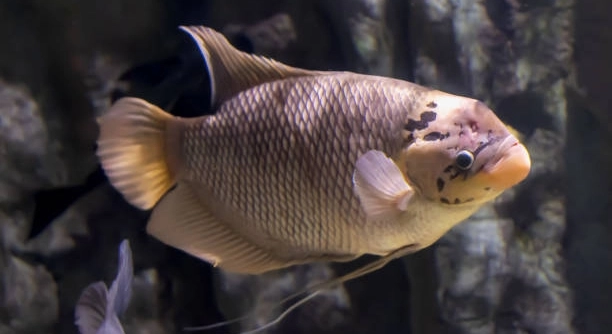
Are your gourami acting differently or not looking as bright as usual? Subtle signs can mean something is wrong with their health.
The most common signs of illness in gourami include clamped fins, faded color, loss of appetite, and erratic swimming. These symptoms may signal stress, infection, or poor water conditions and require timely intervention to prevent worsening.
Knowing what to watch for can make all the difference. These signs might be small at first, but they often mean your gourami need some extra care.
1. Clamped Fins
Clamped fins are when your gourami keeps its fins close to the body instead of spreading them out. This can be one of the first signs that something is off. It often means your fish is uncomfortable, stressed, or starting to get sick. Poor water quality, sudden temperature changes, or the presence of toxins like ammonia or nitrites can lead to this behavior. It may also happen if your gourami is dealing with internal issues like parasites or infections. Look closely—if clamped fins are combined with low activity or staying near the bottom, that’s a sign they need help fast.
Clamped fins can develop gradually or appear overnight, depending on what’s causing the stress. Check your tank conditions and do a water test right away.
To help your gourami, first make sure the water parameters are stable. Ammonia and nitrite should be at zero, and nitrates should be low. The temperature should stay consistent, between 75°F and 82°F. If you’ve recently added new fish, quarantine them next time to avoid spreading illness. Keep an eye on how your gourami behaves after you fix the tank conditions. If clamping continues or worsens, consider treating for internal parasites or infections using aquarium-safe medications.
2. Loss of Appetite
Loss of appetite is another common sign your gourami isn’t feeling well. It can mean they’re sick, stressed, or reacting to poor water conditions.
When a gourami stops eating, it usually means something is wrong inside or around them. Sometimes, stress from a recent tank change or bullying from other fish can lead to loss of appetite. Other times, it may be due to internal parasites, bacterial infections, or water that’s too cold. Start by removing uneaten food to keep the tank clean, then test your water to make sure everything is balanced. You can also try offering live or frozen food to stimulate interest, as these are often more appealing than dry flakes. If your gourami still refuses to eat for more than a couple of days, it’s time to look deeper—consider a vet visit or using a parasite treatment designed for freshwater fish. Early care can stop things from getting worse.
3. Faded Color
A gourami’s colors can fade when they’re stressed, sick, or living in poor tank conditions. This change might happen slowly or suddenly, depending on what’s wrong. It’s often a sign your fish isn’t feeling well and needs attention right away.
Stress is one of the main causes of faded color in gouramis. Loud noises, sudden lighting changes, or overcrowding can all lead to stress. Water quality plays a big role too—high ammonia or nitrite levels are especially harmful. If your gourami is hiding more than usual or acting skittish, faded color may be just one part of the issue. Start by testing your water, doing a partial water change, and checking if tank mates are being aggressive. Small improvements in their environment can bring their color back in a few days.
If water and stress aren’t the issues, the faded color might be linked to illness. Bacterial infections, parasites, or even poor nutrition can affect appearance. Try offering a higher quality diet with more variety, like frozen bloodworms or brine shrimp. Look for other symptoms, such as clamped fins or sluggish swimming. If more than one sign shows up, treating your tank with a general medication might help. Always follow dosage directions carefully and monitor behavior daily.
4. Erratic Swimming
Erratic swimming usually means something is seriously wrong. It can look like darting, spinning, or struggling to stay upright. These movements aren’t normal and shouldn’t be ignored. Water quality, toxins, or swim bladder problems are often the cause.
One of the first things to check is your water. Sudden shifts in pH, temperature, or the presence of ammonia or nitrites can make gouramis lose control of their movement. If your fish seems dizzy or keeps floating to the surface or sinking, they might have a swim bladder issue. Swim bladder disease can be caused by overfeeding, constipation, or infection. Try feeding a skinned pea (boiled and soft) to help digestion. Also, avoid dry flakes for a day or two. If the issue continues, a targeted treatment for bacterial infection may be needed. Keep the tank calm during this time, with the lights dim and no new changes.
5. Staying at the Bottom
If your gourami spends most of its time resting at the bottom, it could mean something is wrong. This behavior often points to stress, poor water quality, or early signs of illness that need attention.
Sometimes staying at the bottom is related to temperature. If the water is too cold or too warm, your gourami may become sluggish and seek the lower part of the tank.
6. White Spots on the Body
White spots on your gourami’s body usually mean a parasitic infection called Ich. These spots often look like tiny grains of salt and can appear quickly. Infected fish may also rub against surfaces or seem restless. Treating Ich early is important, as it spreads fast in warm water tanks. Use an Ich medication specifically made for freshwater fish and follow the instructions carefully. Increase the water temperature slightly (about 2°F) to help speed up the parasite’s life cycle, but avoid sudden changes. Keep the water clean and stable throughout the treatment. A full course of medicine is usually needed.
7. Gasping at the Surface
Gasping at the surface often means your gourami isn’t getting enough oxygen. This can happen if the water is too warm, has poor circulation, or if the tank is overcrowded.
FAQ
What is the ideal water temperature for gourami?
The ideal water temperature for gourami is between 75°F and 82°F. Keeping the temperature within this range helps ensure that they stay active, healthy, and comfortable. If the water is too cold, they may become sluggish, and if it’s too warm, they may struggle to breathe properly. Invest in a reliable aquarium heater and thermometer to keep the water stable.
How often should I clean my gourami’s tank?
It’s best to clean your gourami’s tank about once a week. During each cleaning, remove uneaten food, vacuum the substrate, and do a partial water change of about 25-30%. It’s also essential to test the water for ammonia, nitrites, and nitrates regularly to make sure the tank conditions stay safe.
Why is my gourami hiding all the time?
If your gourami is hiding, it could be a sign of stress, illness, or an issue with the water quality. Stress can occur from overcrowding, aggressive tank mates, or sudden changes in the environment. Illness may cause them to seek shelter for comfort. Test the water and check the tank for any potential stress factors. If the hiding continues, look for other symptoms like clamped fins or faded colors.
Can gourami live with other fish?
Yes, gouramis can generally live with other peaceful fish, but some species may be more territorial or aggressive, especially if they feel crowded or stressed. Choosing compatible tank mates is essential. Avoid keeping gouramis with fin-nipping species or overly aggressive fish. Suitable tank mates include tetras, peaceful catfish, and other calm community fish.
What should I feed my gourami?
Gouramis are omnivores and can eat a variety of foods. Offer them high-quality flakes or pellets as the main food source, supplemented with live or frozen foods like brine shrimp, bloodworms, and daphnia. Be sure to vary their diet to keep them healthy. Overfeeding can cause water quality issues, so feed in small amounts once or twice a day, and remove any uneaten food to prevent it from polluting the water.
Why is my gourami’s color fading?
Faded color in gouramis is often a sign of stress, poor water quality, or illness. Factors like high ammonia levels, rapid changes in tank conditions, or aggressive tank mates can contribute to this. If the water quality is good and there’s no aggression from other fish, faded color might indicate a more serious health problem like parasites or internal infections.
Can I treat my gourami for illness without medications?
You can sometimes treat your gourami naturally by improving the water conditions and reducing stress. For example, doing water changes, adjusting the temperature slightly, and offering a better diet can help. However, if symptoms like clamped fins, loss of appetite, or white spots persist, medication is often necessary. There are a variety of treatments available for common diseases, but be sure to follow the instructions carefully.
How do I know if my gourami has parasites?
Parasites often show up as white spots (Ich), stringy feces, or excessive scratching. If your gourami is rubbing against decorations, swimming erratically, or has white, cotton-like growths on its skin or gills, parasites are likely the cause. A separate quarantine tank and treatment with the appropriate parasite medication will be needed.
Why is my gourami swimming erratically?
Erratic swimming, such as darting or spinning, could be caused by several factors. It can be a sign of water quality problems, like high ammonia or nitrites, or an infection like swim bladder disease. It could also be caused by parasites or stress. First, test the water and make sure the tank is stable. If the issue persists, look for other symptoms and consider treating with a general antibiotic or anti-parasite medication.
What’s the best way to improve water quality for my gourami?
To improve water quality, start by testing the water for ammonia, nitrites, and nitrates. Keep ammonia and nitrites at zero, and nitrates below 20 ppm. Perform regular water changes, vacuum the substrate, and clean the filter. Avoid overfeeding, as leftover food can pollute the water. Consider adding a few live plants to help maintain water quality naturally. A good filtration system and proper tank maintenance are key to keeping your gourami healthy.
How long do gouramis typically live?
Gouramis can live anywhere from 4 to 6 years on average, but with optimal care, they can sometimes live up to 8 years. Providing them with stable water conditions, a balanced diet, and a stress-free environment can help them reach the upper end of their lifespan. Regular tank maintenance and quick action when illness arises are essential for keeping them healthy for the long term.
Final Thoughts
Taking care of your gourami requires attention to detail and consistency, but it’s worth it to keep them healthy and happy. They’re beautiful, peaceful fish that can thrive in a well-maintained tank. By keeping the water clean, the temperature stable, and their diet varied, you can prevent many health issues before they even start. However, it’s important to remember that fish can’t always tell you what’s wrong, so understanding their behavior and looking for warning signs is essential.
If you notice your gourami acting differently, like staying at the bottom, fading in color, or swimming erratically, it could be a sign of stress, illness, or poor water quality. Most of the time, the solution lies in addressing the environment around them. Regular water testing, temperature control, and ensuring they aren’t overcrowded can solve many common issues. If the problem persists despite these changes, it may be necessary to treat them with medications or seek professional advice. The key is acting quickly to prevent a small problem from becoming a bigger one.
Keeping an eye on your gourami and learning their normal behavior will make it easier to spot when something’s wrong. If you’re new to fishkeeping, be patient and allow yourself time to learn. With a little care, your gourami will thrive, and you’ll have a beautiful, peaceful addition to your aquarium for years to come.

Hello,
If you enjoy the content that we create, please consider saying a "Thank You!" by leaving a tip.
Every little bit helps us continue crafting quality advice that supports the health, happiness, and well-being of pets around the world, for pets of all shapes, sizes, and species.
We really appreciate the kindness and support that you show us!