
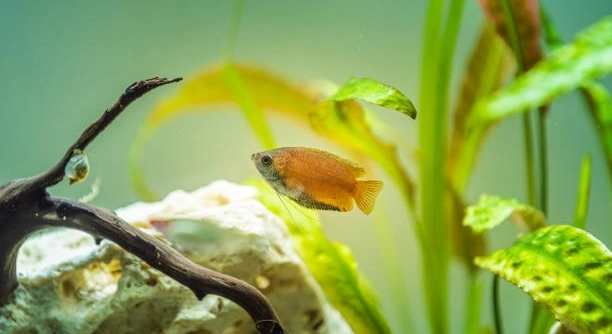
Many gourami owners face challenges with their fish’s territorial behavior. These fish can become aggressive, causing stress for other tank inhabitants. Understanding how to reduce this aggression is essential for maintaining a peaceful aquarium environment.
Reducing territorial behavior in gouramis involves providing ample space, adding plenty of hiding spots, and carefully managing tank mates. Proper tank setup and consistent maintenance help minimize aggression and promote a balanced social structure within the aquarium.
This article explains practical steps to help gouramis coexist more peacefully and improve the overall harmony of your fish tank.
Understanding Gourami Territorial Behavior
Gouramis are known for their vivid colors and interesting personalities, but territorial behavior can be a challenge. This behavior often arises from their natural instinct to protect their space, especially in confined environments. When tanks are too small or lack sufficient hiding spots, gouramis become more aggressive. Males tend to be more territorial, particularly during breeding periods. Stress from overcrowding or incompatible tank mates can worsen this behavior. Observing your gouramis regularly helps identify signs of aggression early. Addressing these factors promptly can reduce conflicts and improve tank harmony.
Territorial behavior often increases in tanks smaller than 20 gallons or when tank mates are aggressive or similar in size.
Adjusting the environment to suit gouramis’ social needs can significantly reduce their territorial instincts, making them calmer and more sociable.
Creating a Balanced Environment
Providing enough space and hiding spots is essential to reduce gourami aggression. A larger tank allows gouramis to establish territories without constant confrontation. Adding plants, caves, or decorations offers refuge where fish can retreat when feeling threatened. These structures break lines of sight, preventing direct confrontations. Choosing peaceful tank mates that do not provoke gouramis also helps. Avoid overcrowding, as it increases stress and competition. Regular water changes and maintaining good water quality contribute to a healthier environment, indirectly lowering aggression. Watching how your gouramis interact after changes ensures the setup is effective.
A peaceful tank environment starts with adequate space, proper decorations, and compatible fish species.
Selecting the right tank mates is crucial. Avoid fast or aggressive fish that may trigger defensive behavior in gouramis. Species like tetras, rasboras, and peaceful catfish work well. Maintain a balanced ratio of fish to avoid overcrowding. Consistent water quality supports fish health, reducing stress-related aggression. By carefully managing these factors, territorial disputes become less frequent, resulting in a calmer aquarium where gouramis coexist without constant conflict.
Adjusting Feeding Habits
Feeding gouramis consistently helps reduce competition and aggression. Uneven feeding times or insufficient food can increase territorial disputes.
Offering food at regular intervals ensures all gouramis get enough nutrition without needing to compete aggressively. Using sinking pellets or spreading food in different areas of the tank helps reduce fighting over food. Overfeeding should be avoided, as it leads to poor water quality and stress.
Including a varied diet of flakes, pellets, and occasional live or frozen food supports gouramis’ health and reduces hunger-driven aggression. Monitoring feeding behavior helps adjust portions and timing to keep peace in the tank.
Monitoring Behavior and Intervening Early
Keep an eye on your gouramis to catch signs of stress or aggression early. Early intervention can prevent serious conflicts.
If a particular fish is overly aggressive, separating it temporarily may help reduce tension. Rearranging tank decorations can disrupt established territories and reset social order. Maintaining consistent water parameters supports fish health and reduces irritability.
Documenting behavior changes helps track improvements or identify worsening issues. Acting quickly prevents long-term stress or injury and promotes a more peaceful aquarium environment for all fish involved.
Selecting Compatible Tank Mates
Choosing peaceful, non-aggressive fish reduces gourami territorial disputes. Avoid fish that compete for the same space or food.
Tank mates should be similar in size but not overly bold. This balance helps maintain harmony and minimizes conflict within the aquarium.
Managing Tank Size and Layout
A larger tank allows gouramis to establish separate territories with less direct contact. A minimum of 30 gallons is recommended for multiple gouramis.
Adding plants and decorations creates natural barriers and hiding spots. This reduces stress and territorial behavior by breaking visual lines between fish.
Using Visual Barriers
Plants, rocks, and décor help create separate zones in the tank. Visual barriers reduce aggressive interactions between gouramis.
FAQ
Why are my gouramis so territorial?
Gouramis are naturally territorial fish, especially males. This behavior helps them protect their space, find mates, and feel secure. When kept in small tanks or without enough hiding places, their territorial instincts increase. Stress from overcrowding or incompatible tank mates can also worsen aggression.
How much space do gouramis need to reduce territorial behavior?
Providing at least 30 gallons for multiple gouramis is important. A larger tank allows them to spread out and claim their own territory, reducing direct conflicts. More space also lets you add decorations and plants that create natural barriers.
What kinds of decorations help reduce aggression?
Live plants, rocks, and caves work best. These create hiding spots and break sight lines between fish. When gouramis cannot see each other constantly, they tend to be less aggressive. Dense planting and varied décor give each fish a place to retreat.
Can changing tank mates help with territorial issues?
Yes. Choosing peaceful fish that do not compete for the same space or food is important. Avoid aggressive or very active species that might provoke gouramis. Suitable tank mates include small tetras, rasboras, and peaceful bottom dwellers like Corydoras.
How often should I feed gouramis to reduce fighting?
Feed them small amounts two to three times a day. Regular feeding helps reduce hunger-driven aggression. Spread food around the tank to prevent competition. Avoid overfeeding as it can worsen water quality and increase stress.
What diet is best for gouramis to keep them healthy and calm?
A varied diet of quality flakes, pellets, and occasional live or frozen foods like brine shrimp or bloodworms supports their health. Proper nutrition reduces stress and aggressive behavior linked to hunger or poor condition.
What signs indicate that territorial behavior is becoming a problem?
Look for constant chasing, fin nipping, or hiding fish with torn fins. Frequent aggressive displays can stress fish, leading to illness. If one fish is isolating or injured, intervention is needed to prevent harm.
Is separating aggressive gouramis a good solution?
Temporarily separating aggressive individuals can help restore peace. Isolation reduces stress on other fish and allows the aggressive one to calm down. Rearranging tank decorations after reintegration can help reset territories and reduce future conflicts.
How important is water quality in controlling aggression?
Water quality is very important. Poor water conditions increase stress, which makes fish more aggressive. Regular water changes, proper filtration, and monitoring parameters like ammonia, nitrites, and nitrates help maintain a healthy, calm environment.
Can tank layout changes reduce gourami aggression?
Yes. Changing the layout disrupts established territories, forcing fish to adapt and often reducing aggressive behavior. Adding or moving plants and decorations breaks lines of sight and creates new hiding spots, helping balance social dynamics.
Do all gourami species have the same territorial tendencies?
No. Some gourami species are more aggressive than others. For example, dwarf gouramis tend to be less territorial, while pearl gouramis and kissing gouramis can be more aggressive. Knowing your species’ behavior helps tailor tank conditions accordingly.
How can I tell if my gouramis are stressed from territorial fights?
Stressed gouramis may hide more, lose appetite, or show faded colors. They may also breathe faster or develop torn fins. Early detection is key to preventing health issues related to stress and aggression.
Is it necessary to keep gouramis in groups or alone?
Gouramis can be kept alone or in groups, but males should be limited in number to prevent fights. A balanced group with enough space and hiding places allows natural social behavior without excessive territorial disputes.
Can adding more hiding places ever increase aggression?
Adding hiding spots usually reduces aggression, but if they are unevenly distributed, some fish may claim the best spots and become territorial. Make sure hiding places are spread evenly to give all fish access and prevent dominance.
How long does it take for gouramis to settle after changes?
It usually takes a few days to a couple of weeks for gouramis to adjust after adding new fish, rearranging the tank, or making other changes. During this time, watch for increased aggression and intervene if needed.
What should I do if aggression continues despite all efforts?
If aggressive behavior persists, consider removing the most aggressive fish or upgrading to a larger tank. Sometimes, species compatibility or individual temperament causes ongoing problems that require separation for the well-being of all fish.
Final Thoughts
Managing territorial behavior in gouramis requires patience and consistent care. These fish naturally establish territories, especially males, so some level of aggression is normal. However, providing a suitable environment with enough space, hiding spots, and compatible tank mates can greatly reduce conflicts. Careful attention to tank setup and daily routines helps create a peaceful atmosphere where gouramis can thrive without constant stress from fighting.
Regular observation is key to maintaining harmony in the tank. Watching for early signs of aggression or stress allows timely intervention before problems escalate. Adjusting feeding habits, rearranging tank decorations, or temporarily separating aggressive individuals can restore balance. Clean water and proper nutrition support overall fish health, which also reduces irritability and territorial disputes. Consistency in care practices helps gouramis feel secure, which lowers aggression over time.
Ultimately, understanding the natural behavior of gouramis helps in managing their territorial nature effectively. Each fish has its own temperament, so what works for one tank may need adjustment in another. Being mindful of their needs and making gradual changes when necessary creates a stable environment. This approach ensures that gouramis live comfortably alongside their tank mates, leading to a more enjoyable and healthy aquarium experience.

Hello,
If you enjoy the content that we create, please consider saying a "Thank You!" by leaving a tip.
Every little bit helps us continue crafting quality advice that supports the health, happiness, and well-being of pets around the world, for pets of all shapes, sizes, and species.
We really appreciate the kindness and support that you show us!