
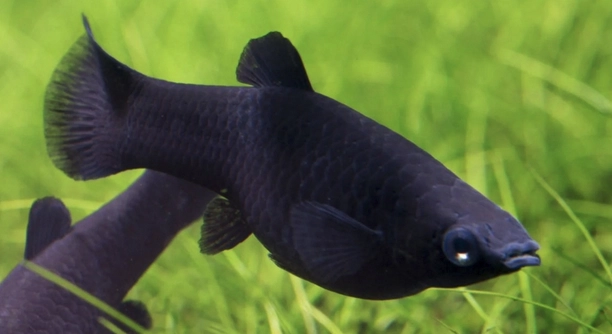
If you care for black mollies and often think about their swimming habits near the surface, you might appreciate understanding how their behavior connects to comfort, water conditions, and activities in a peaceful home aquarium.
Black mollies can remain near the surface long term when water quality, oxygen levels, and tank stability meet their needs. Consistent parameters encourage this behavior as a normal response to comfort rather than distress, reflecting suitable environmental management in aquariums.
Learning about this gentle habit can help you guide their routine with confidence, creating a smoother and more comfortable environment.
Understanding Why Black Mollies Stay Near the Surface
When black mollies spend a lot of time near the surface, it can reflect simple needs that shape their comfort each day. I like to focus on the basics because they usually explain this behavior more clearly than anything complicated. Stable water quality, steady temperatures, and calm tankmates help them relax. When these conditions are in place, many mollies feel confident swimming higher without signs of stress. They also enjoy the layer where oxygen is most available, especially in tanks with mild movement. Watching them glide along the top can show you how comfortable they feel in their environment. Keeping everything steady supports their long term habits in an easy and reliable way. These gentle swimmers respond well to consistency, making it easier for you to guide their routine and keep their needs met through simple care.
Surface swimming can continue naturally when their tank remains balanced and predictable.
Small changes in temperature or oxygen levels can affect their behavior, so paying attention to these details helps you maintain steady habits.
How Tank Conditions Shape Surface Swimming
Warm, clean, and stable water makes it simple for black mollies to stay comfortable near the top. Even small shifts in your aquarium can influence where they prefer to swim. If the water becomes too warm or too cool, they may move around in search of a better area. When oxygen dips lower than usual, they instinctively rise to the surface because it offers easier breathing. Strong currents may push them downward, while softer movement encourages natural gliding near the top. By keeping filters clean, water changes consistent, and temperatures steady, you create an environment where surface swimming becomes a sign of comfort rather than concern. Over time, you will notice how dependable care shapes calm behavior. Watching these gentle patterns helps you understand what your fish need, allowing you to make simple adjustments that support their long term peace in the aquarium.
Identifying When Surface Swimming Signals Stress
Surface swimming can become a concern when it appears sudden or paired with tense movements. Quick breaths, lowered activity, or repeated attempts to reach the top usually show that something in the tank needs attention right away.
When behavior shifts like this, I usually start by checking oxygen levels and temperature because they influence comfort the most. Poor aeration can make black mollies rise quickly, and warm water holds less oxygen, which adds even more pressure. I also look for debris or cloudy water, since waste buildup strains their breathing. Subtle details like sluggish movement or tight fins can help you understand what they are feeling. Giving them a clean and balanced environment lowers tension and brings their pattern back to normal. Simple adjustments often make a big difference for these gentle swimmers.
Stress linked to surface swimming can also appear when tankmates behave too aggressively or compete for space. When I notice a molly avoiding others, hiding, or rising higher whenever another fish swims by, it usually means the group dynamic is off balance. Overcrowding pushes them upward too, especially when they do not have enough room to glide comfortably. Separating aggressive fish, adding more plants, or giving them a calmer area often helps them settle. With space and stability, their routine becomes smoother, and their time near the surface starts to look more relaxed.
How Feeding Habits Influence Surface Behavior
Feeding at the surface naturally encourages black mollies to spend more time near the top, especially when they associate that area with food. If feeding becomes irregular or too heavy, they may linger longer than usual, waiting for leftovers or showing signs of mild digestive strain.
Overfeeding makes them swim upward seeking comfort, especially when uneaten food lowers water quality. I try to offer small portions that float briefly before sinking, giving them a simple pattern to follow without creating waste. Floating foods bring them higher, but sinking options help balance their movement. When I keep feeding steady and measured, their habits look more relaxed. Good routines encourage healthier swimming patterns, and their time at the surface becomes a normal, comfortable part of their day rather than a sign of discomfort.
xxxxxxxxxxxxxxxxxxx
Water flow affects how long black mollies remain near the surface, especially when currents shift their comfort. I usually adjust the filter to keep movement gentle because strong flow can push them downward, making their behavior look restless when they only need softer circulation to relax in their daily routine.
Light levels also influence surface swimming, especially when brightness feels too strong. I lower the lighting slightly to help them settle because harsh beams make them rise quickly seeking calmer spots. Balanced lighting keeps their movement steady and encourages a peaceful pattern that feels natural and comfortable for them daily.
xxxxxxxxxxxxxxxxxxx
Creating a stable environment helps black mollies maintain calm surface habits without sudden shifts. I focus on simple steps that keep the tank predictable, like steady water changes, clean filters, and gentle aeration. When everything stays consistent, their movement becomes smooth and easy to read. I watch for small signs such as slower gliding or tighter fins because these details help me understand when something feels off. Stable conditions support their comfort and reduce the chance of stress pushing them upward. By keeping care steady and thoughtful, their behavior remains relaxed, and their time near the surface becomes a choice.
xxxxxxxxxxxxxxxxxxx
Water clarity also shapes how mollies behave near the surface, especially when particles or cloudiness affect their comfort. I keep the tank clear with regular cleaning because clear water supports steady breathing and smooth movement, giving them an environment where surface swimming feels calm and predictable each day for them.
How long can black mollies safely swim near the surface?
Black mollies can stay near the surface for long periods if their tank conditions are stable. I have noticed that when water temperature, oxygen levels, and cleanliness are consistent, they show calm, natural behavior without signs of stress. It’s not about a strict limit but about comfort. When the environment supports their needs, surface swimming becomes a regular, relaxed part of their day. Changes in behavior usually indicate something in the tank requires attention rather than an inherent problem with staying near the top.
Is it normal for black mollies to linger at the surface all day?
Yes, it can be normal, especially in tanks with gentle water flow and proper aeration. I often see mollies linger near the surface to access oxygen-rich water and float around leisurely. However, if they seem sluggish or show rapid gill movement, it signals that oxygen levels or water quality may need checking. Observing their activity alongside water parameters helps distinguish normal behavior from signs of stress.
What tank conditions encourage surface swimming?
Stable water temperature, good oxygenation, and gentle flow are key. I maintain water between 75–80°F because mollies feel comfortable there. Filters that create light circulation without strong currents allow them to glide naturally. Adding floating plants also gives them spots to rest near the surface without feeling exposed. Regular partial water changes and a clean tank reduce stress and encourage calm, long-term surface activity.
Can diet affect how often mollies stay at the surface?
Yes, feeding routines influence surface habits. I prefer small, frequent portions rather than large amounts. Floating foods attract them upward, while sinking foods balance their movement. Overfeeding can leave uneaten food that reduces water quality, making them linger higher due to discomfort. Maintaining a consistent, appropriate diet keeps their swimming predictable and healthy.
Do other fish impact black molly surface behavior?
Tankmates play a role in their comfort. Aggressive or very active fish may push mollies to the surface to avoid conflict. I usually observe interactions carefully and create hiding spots or separate aggressive species when needed. Peaceful cohabitants and plenty of swimming space allow black mollies to stay near the surface without tension or stress.
Are temperature changes a problem for surface swimming?
Even small fluctuations can influence their behavior. I check heaters and thermometer readings daily because cold or hot pockets make them rise or hide. Stable temperature keeps their metabolic rate steady, which supports calm, long-term surface swimming. A steady routine is better than constant adjustment because it allows them to adapt naturally to the environment.
How does oxygen affect their comfort at the top?
Oxygen-rich water encourages relaxed surface swimming. I notice that in tanks with poor aeration, they gasp more at the top. Adding an air stone or gentle filter flow helps maintain oxygen levels, which reduces stress and makes surface swimming a normal part of their day. It’s a subtle but consistent factor in overall comfort.
When should I be concerned about surface swimming?
Sudden changes, erratic movements, or rapid gill motion are warning signs. I check water parameters, diet, and tankmates when I notice unusual patterns. Consistent, calm swimming near the surface is healthy, but abrupt shifts usually indicate a problem like low oxygen, illness, or water quality issues that need immediate attention.
Do black mollies prefer surface areas with plants?
Yes, they often use floating plants as shelter or resting points. I keep some in my tank because they provide shade, calmness, and security. Plants also help reduce light intensity and support oxygen exchange, creating a comfortable area for surface swimming without forcing them into stressful open water zones.
Can long-term surface swimming harm black mollies?
If the tank is well-maintained, long-term surface swimming is not harmful. I make sure temperature, oxygen, diet, and space are consistent. Problems only arise when conditions deteriorate, which can lead to stress or illness. With careful monitoring and steady care, black mollies can enjoy extended periods near the surface safely and comfortably.
This FAQ covers most concerns I encounter while keeping black mollies. Observing patterns, maintaining stable conditions, and adjusting diet or tankmates when necessary ensures their surface swimming stays a healthy and natural habit.
Black mollies are gentle fish that often spend time near the surface, and understanding why they do so helps maintain a healthy aquarium. In my experience, surface swimming is usually linked to comfort and oxygen availability. When the tank is clean, water quality is good, and the temperature remains stable, they glide near the top calmly and without stress. Observing their behavior closely allows you to see what feels normal for each fish, making it easier to spot early signs of problems. Paying attention to simple factors like water movement, aeration, and light levels often explains why mollies prefer the surface and gives you straightforward ways to support their well-being.
Diet and feeding habits also play a role in their surface activity. Black mollies often rise toward floating food or linger near the top after feeding. I’ve noticed that offering small portions at regular intervals helps keep their swimming balanced and prevents uneaten food from polluting the water. Overfeeding or inconsistent routines can cause them to stay near the surface longer than usual, sometimes signaling mild discomfort rather than a health issue. Floating plants or decorations can also create shaded resting areas at the top, giving them a sense of security while allowing natural surface behavior to continue without stress. Small adjustments to feeding and tank design often make a noticeable difference in how they move and settle in the aquarium.
Maintaining stable conditions is the most reliable way to ensure black mollies swim near the surface comfortably for long periods. Gentle water flow, regular cleaning, and steady oxygen levels make their environment predictable and safe. Temperature fluctuations, overcrowding, or aggressive tankmates can disrupt this calm pattern, so monitoring these factors is important. I find that when these elements are kept steady, mollies develop consistent swimming habits and seem more relaxed overall. Long-term surface activity becomes a sign of comfort rather than concern, allowing you to enjoy watching them glide freely. With careful attention to water quality, feeding, and the overall tank setup, black mollies can thrive, and surface swimming becomes a natural, healthy part of their daily routine.

Hello,
If you enjoy the content that we create, please consider saying a "Thank You!" by leaving a tip.
Every little bit helps us continue crafting quality advice that supports the health, happiness, and well-being of pets around the world, for pets of all shapes, sizes, and species.
We really appreciate the kindness and support that you show us!