
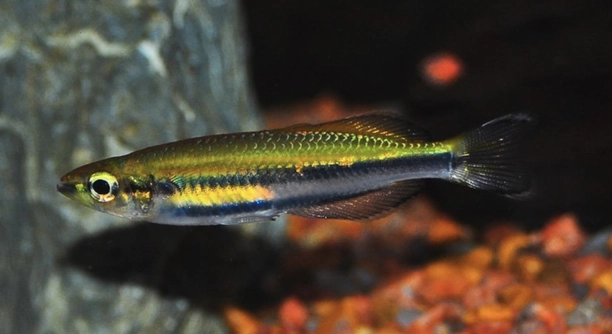
Rainbowfish are small, colorful freshwater fish that many people keep in aquariums. Their shimmering scales catch the light beautifully, making them a favorite for home fish tanks and hobbyists alike. These fish are gentle and active swimmers.
Rainbowfish cannot see in complete darkness. Like most fish, they rely on light to perceive their surroundings. Their eyes are adapted to detect movement and colors in well-lit conditions, but in total darkness, their vision is severely limited.
Observing rainbowfish behavior under different lighting can reveal surprising insights about their daily activity patterns and natural instincts in the wild.
How Rainbowfish Eyes Work
Rainbowfish have eyes that are specially adapted for their environment. Their vision is strongest in bright or moderately lit waters, where they can detect colors and movement easily. These fish have a layer of cells in their eyes called photoreceptors, which help them see different shades and patterns. In aquariums, their eyesight allows them to notice other fish, plants, and any movement around the tank. This ability is essential for finding food and avoiding potential dangers. Their eyes are also sensitive to contrast, helping them navigate complex spaces among rocks or plants. However, their vision has limits. In very dim or completely dark environments, rainbowfish struggle to see clearly. They depend on light to interpret shapes and colors. Even under low lighting, they may rely more on other senses, such as feeling water currents with their fins. Understanding how their eyes work can help provide better care and create a more suitable tank environment for these vibrant fish.
Rainbowfish rely on light to feed, explore, and interact. Darkness greatly reduces their activity and awareness.
Observing them in different lighting conditions shows their preferences and how their eyes function. In dim light, rainbowfish may stay closer to hiding spots or swim slowly. Bright environments encourage natural behaviors like schooling, feeding, and exploring. Tank owners can use this knowledge to optimize lighting, balance comfort with stimulation, and maintain their fish’s health. Proper lighting enhances their colors and activity, making them more visually appealing and healthier.
Adapting to Low Light
Rainbowfish show limited adaptation to low-light conditions. They may become less active and cautious.
In nature, rainbowfish often inhabit shallow, clear waters where sunlight penetrates easily. They are not designed for dark caves or murky water. If light is insufficient, they may struggle to locate food or recognize other fish. Over time, extended darkness can stress them, affecting their behavior and overall health. In aquariums, moderate lighting is enough to support their natural instincts while reducing stress. Choosing the right lighting schedule can mimic day and night cycles, helping rainbowfish stay healthy. Their sensitivity to light also means that sudden changes in brightness should be avoided. Providing consistent, gentle illumination ensures they remain active, maintain normal swimming patterns, and display their vibrant colors. Observing how they respond to different lighting can help tank owners adjust setups effectively. In low light, rainbowfish may rely on memory and social cues, but this cannot fully replace the role of vision in their daily life.
Feeding Rainbowfish in Dim Light
Rainbowfish can still feed in low-light conditions, but they move more slowly and rely on memory and movement to find food. Bright lighting encourages more active feeding and better interaction with other fish.
In dim lighting, rainbowfish may miss small food particles or struggle to locate them quickly. Their eyes are less effective in darkness, so they often depend on social cues from other fish to find feeding spots. Providing slightly brighter areas in the tank during feeding times helps them locate food efficiently. Over time, consistent feeding routines can help them adapt, though complete darkness will always limit their ability to see and react. Tank owners can scatter food in multiple locations to ensure all fish get enough nutrition. Observing feeding behavior under different lighting helps maintain health and prevents stress-related issues.
Some rainbowfish may adjust to low light by using other senses, such as sensing water vibrations. They can detect movements of other fish to locate food, though this method is slower. Regular lighting schedules help reinforce these patterns.
Maintaining a Healthy Tank for Rainbowfish
Proper lighting is key to keeping rainbowfish healthy and stress-free. Too little light can reduce activity and cause hiding behaviors. Plants, decorations, and open swimming spaces all contribute to their comfort and natural behavior.
Balanced lighting encourages rainbowfish to swim, interact, and display their colors naturally. A tank with both shaded areas and brighter spots lets them regulate their activity according to comfort levels. Lights should mimic day and night cycles to prevent stress and support normal behaviors. Avoid sudden changes in brightness, as rainbowfish are sensitive to abrupt shifts. Regular water changes and maintaining ideal temperature, pH, and hardness complement proper lighting, ensuring overall wellbeing. Observing behavior during feeding and movement helps adjust tank setup. Providing gentle currents also stimulates natural swimming patterns. Thoughtful attention to light and environment improves health, reduces stress, and highlights their vibrant colors.
Nighttime Behavior
Rainbowfish often become less active at night, resting near plants or decorations. They may stay close to other fish for comfort and protection during darker hours.
Even in low light, subtle movements in the water keep them aware of surroundings. Complete darkness slows their activity and reduces interaction with the tank environment.
Using Light to Encourage Activity
Moderate lighting encourages rainbowfish to swim actively and explore their tank. Gentle changes in brightness can help them adjust gradually and maintain normal routines. Observing their responses to light helps create a comfortable and stimulating environment, enhancing both their health and appearance.
Stress and Darkness
Extended periods of darkness can stress rainbowfish. They may hide more often, eat less, and show reduced color intensity. Maintaining a consistent light schedule helps prevent these issues and supports natural behaviors.
Can rainbowfish see in complete darkness?
Rainbowfish cannot see in complete darkness. Their eyes are adapted to detect movement and colors in well-lit environments, but in total darkness, they rely mostly on other senses. In aquariums or natural habitats, this limitation makes them slower and more cautious during nighttime or in shaded areas.
How does low light affect their behavior?
In low light, rainbowfish reduce their activity and may stay near plants, rocks, or other fish for safety. Feeding can become slower, and they may miss small food particles. Light is important for their schooling behavior, swimming patterns, and social interactions. Gradual lighting changes help them adjust without stress.
What kind of lighting is best for rainbowfish?
Moderate and consistent lighting is ideal for rainbowfish. They benefit from light that mimics natural day and night cycles. Brightness should be enough for them to see and interact with the tank environment while allowing shaded areas for resting. Avoid sudden or extreme changes, as this can stress the fish.
Can they adapt to darkness over time?
Rainbowfish may adjust slightly to dim conditions by relying on water movement and observing other fish, but they cannot fully adapt to complete darkness. Their eyesight is not built for night vision, so prolonged absence of light will limit their activity, feeding, and social behaviors.
Do rainbowfish need darkness to sleep?
Yes, darkness helps rainbowfish rest and maintain a natural rhythm. While they cannot see well in dark environments, a consistent night cycle allows them to conserve energy, hide safely, and recover from daily activity. Sudden changes in light can disrupt their rest and increase stress levels.
How does darkness affect their color?
Extended darkness or low light can cause rainbowfish to display less vibrant colors. Color intensity is partly linked to activity, mood, and light exposure. Providing proper lighting helps maintain their natural hues and overall health. Shaded areas can balance visual comfort without dulling their appearance.
What should I do if my tank is too dark?
If your tank is too dark, rainbowfish may become inactive and stressed. Add moderate lighting with a gentle transition between light and dark. Ensure hiding spots remain available for security, and observe feeding behavior to confirm all fish are eating well. Regularly monitor their activity to maintain a healthy environment.
Are there signs of stress from darkness?
Signs of stress include hiding constantly, reduced swimming, poor appetite, and faded colors. Long periods in dark conditions can also affect immune function. Adjusting lighting gradually and ensuring proper tank conditions helps reduce stress and supports natural behaviors.
Can rainbowfish see in moonlight or dim natural light?
Rainbowfish can detect movement in very low light, such as moonlight or shaded waters, but their vision is not sharp in these conditions. They rely more on movement cues from other fish or water vibrations to navigate and avoid obstacles during low-light periods.
How important is light for feeding?
Light is essential for feeding, as rainbowfish rely on vision to find food quickly. In dim conditions, they may eat slower or miss food entirely. Providing slightly brighter areas during feeding times ensures all fish can locate food efficiently and maintain proper nutrition.
Does tank placement affect their vision?
Yes, tank placement affects light exposure, which directly influences rainbowfish behavior. Placing a tank near windows or in overly dark corners can create inconsistent lighting. Balanced placement with controlled artificial lighting helps maintain activity, color, and overall wellbeing.
Can rainbowfish communicate in darkness?
While they cannot see well in darkness, rainbowfish use subtle movements and social cues to interact. Swimming patterns, fin gestures, and vibrations in the water help them maintain group cohesion even when visibility is limited. Light improves communication, but they retain some interaction ability in dim conditions.
How long can rainbowfish tolerate darkness?
Rainbowfish can tolerate short periods of darkness without major issues, especially if they have shaded areas for hiding. Extended darkness over days can lead to stress, reduced feeding, and weakened coloration. Maintaining a reliable light schedule is critical for their health and natural behavior.
What tank setup supports low-light conditions?
A tank supporting low-light conditions should include plants, rocks, and hiding spots. These structures provide security and reduce stress. Moderate lighting with gradual transitions ensures fish can navigate and feed without feeling overwhelmed. Observation helps adjust the setup to meet both comfort and activity needs.
Do rainbowfish need different lighting in winter?
During winter, daylight hours are shorter, and rainbowfish may receive less natural light. Supplementing with consistent artificial lighting helps maintain normal activity, feeding, and color. Avoid abrupt changes, and ensure a day-night rhythm to mimic natural conditions for their wellbeing.
Can stress from darkness affect growth?
Yes, stress from prolonged darkness can slow growth in rainbowfish. Reduced activity and feeding during extended low-light conditions affect metabolism and overall health. Providing proper lighting and a stable environment encourages normal growth rates and supports their natural development.
How does darkness influence breeding?
Breeding behavior is influenced by light, as rainbowfish use visual cues to select mates and display courtship. Darkness reduces visibility, which may lower breeding activity or delay spawning. Providing sufficient moderate light helps promote natural reproductive behaviors and successful breeding.
Can rainbowfish see in aquarium night lights?
Aquarium night lights are usually dim and may not provide enough illumination for rainbowfish to see clearly. They can detect movement, but full visibility requires moderate light. Night lights may help observe behavior but do not replace proper lighting for normal activity, feeding, and interaction.
Is it safe to use blackout conditions temporarily?
Temporary blackout conditions are generally safe for short periods, such as during maintenance. However, extended blackout can stress rainbowfish, reduce feeding, and affect health. Always ensure normal lighting resumes promptly to maintain their natural rhythm and wellbeing.
Do other fish affect rainbowfish vision in darkness?
Yes, other fish can help rainbowfish navigate in low light. They often follow movements and cues from tank mates to locate food or avoid obstacles. This social reliance is more pronounced when visibility is limited, but it cannot fully replace proper lighting for their safety and activity.
Rainbowfish are beautiful, active fish that bring life to any aquarium. Their vibrant colors and playful swimming patterns make them enjoyable to watch. One key aspect of their care is understanding how light affects them. Rainbowfish rely on vision to explore, feed, and interact with other fish. In complete darkness, they cannot see clearly, which limits their activity and can increase stress. Even in dim lighting, they may slow down, stick close to hiding spots, or follow other fish to navigate their surroundings. Recognizing how their eyes work helps tank owners provide a more comfortable and healthy environment. By paying attention to lighting, you can support their natural behaviors and ensure they feel secure in the tank.
Lighting is essential not just for activity, but also for maintaining their colors, feeding routines, and overall health. Rainbowfish kept in low light for extended periods may lose some of their vibrant hues or appear less energetic. Providing moderate lighting that mimics natural day and night cycles allows them to display their colors fully, swim actively, and feed efficiently. Gradual transitions between light and dark periods help reduce stress and create a routine that feels natural for them. Additionally, incorporating shaded areas and hiding spots ensures they have security when they feel the need to rest. Proper lighting and tank setup work together to maintain the fish’s physical and emotional wellbeing, encouraging more natural interactions and movement throughout the tank.
Observing rainbowfish behavior in different lighting conditions is an important part of caring for them. Noticing when they hide, slow down, or follow other fish can indicate how comfortable they are in their environment. Adjusting lighting, feeding routines, and tank layout based on these observations ensures that rainbowfish remain active, healthy, and stress-free. Even though they cannot see in complete darkness, their ability to adapt slightly and rely on other senses shows their resilience. Creating a balanced environment with appropriate lighting and thoughtful tank design supports their natural behaviors and allows you to enjoy their colors, movements, and interactions. By understanding their needs and paying attention to how light affects them, you can provide a more fulfilling and safe home for rainbowfish, helping them thrive in captivity.

Hello,
If you enjoy the content that we create, please consider saying a "Thank You!" by leaving a tip.
Every little bit helps us continue crafting quality advice that supports the health, happiness, and well-being of pets around the world, for pets of all shapes, sizes, and species.
We really appreciate the kindness and support that you show us!