
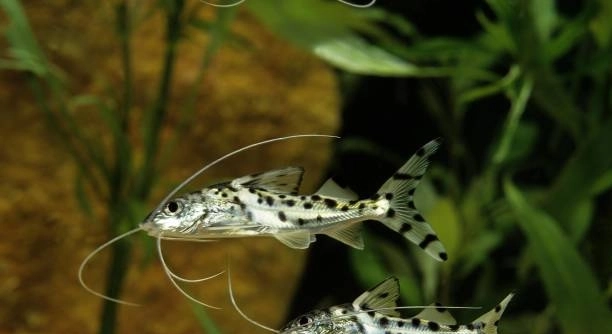
Is your pictus catfish acting strangely or hiding more than usual? Sometimes, sudden behavior changes in fish can signal something serious going on in their environment or health.
A pictus catfish in shock may show signs such as rapid gill movement, loss of color, frantic swimming, or complete stillness at the bottom of the tank. These symptoms often result from sudden changes in water temperature, pH, or other stressors.
Recognizing these signs early can help you take the right steps to support your catfish and create a more stable aquarium environment.
Common Signs of Shock in Pictus Catfish
When a pictus catfish is in shock, the symptoms usually show up quickly. You might notice your catfish swimming erratically, bumping into objects, or lying still at the bottom of the tank. It may breathe faster than usual, lose its normal color, or isolate itself from other fish. These signs can be worrying to see, especially if your fish was acting fine just hours before. Shock is often a reaction to sudden stress, like a sharp change in water temperature, ammonia spikes, or being introduced to a new tank too quickly. It’s important to stay calm and observe closely. Knowing what to look for gives you the best chance to respond quickly and help your fish recover. Pictus catfish are sensitive creatures, so even small issues in the tank can have a big effect on them. Catching these signs early can make all the difference.
These signs are not always obvious right away, so take the time to monitor their behavior closely after any changes in their environment.
Some pictus catfish may freeze in place while others may dart around the tank in a panic. If left untreated, shock can weaken their immune system and lead to further health problems. Acting quickly improves their chances of recovery.
Causes of Shock in Pictus Catfish
Stress from water changes, poor water quality, and sudden shifts in tank conditions are some of the most common reasons pictus catfish go into shock.
Pictus catfish are highly sensitive to their surroundings. One of the most common causes of shock is a sudden change in water temperature—this can happen during large water changes when cold water is added too quickly. Another cause is poor water quality due to high levels of ammonia or nitrites, which can irritate the fish’s gills and cause breathing issues. Moving a fish from one tank to another without proper acclimation can also trigger shock. Loud noises, harsh lighting, or too much handling can lead to stress that builds over time. Overstocking your tank or housing your catfish with aggressive fish can make them feel unsafe and overwhelmed. Even changes in pH or hardness that seem small to us can feel extreme to a fish. Regular testing, gentle care, and consistent maintenance help reduce the risk of shock in your pictus catfish.
How to Help a Pictus Catfish Recover from Shock
Start by turning off any bright lights and reducing noise around the tank. Keep the environment calm. Check the water temperature and parameters right away to make sure everything is within safe levels. Avoid sudden movements near the tank.
If the water temperature has changed, slowly adjust it back to the ideal range of 74–78°F using a heater. Sudden corrections can make things worse. Test the water for ammonia, nitrites, and nitrates using a reliable kit. If any levels are off, perform a small water change—about 10–15%—to avoid shocking the fish further. Make sure the water you add is close to the tank’s current temperature. Avoid feeding during this time; your fish may not eat, and uneaten food can affect water quality. Let the fish rest and monitor it closely over the next few hours. Improvement can take time.
If your pictus catfish continues to show signs of distress, add an air stone or increase surface agitation to boost oxygen levels. Oxygen is important during stress recovery. You can also add a small dose of aquarium salt if your tank is freshwater-only and there are no sensitive tank mates. Salt can help reduce stress and promote healing. Be cautious and follow dosing instructions carefully. Avoid medication unless you are sure there is an infection, as unnecessary treatments can stress your fish more. A quiet, stable environment and consistent monitoring often give your catfish the best chance of recovering fully from shock.
Preventing Future Shock Episodes
Keep a consistent schedule for water testing and tank maintenance. Stable conditions are key. Avoid large, sudden changes in temperature or chemistry. When doing water changes, match the new water’s temperature and condition it properly before adding it to the tank.
Always acclimate new fish slowly before adding them to the tank. Float the bag in the tank for 15–20 minutes, then gradually mix in tank water over another 20–30 minutes. This helps prevent temperature or pH shock. Avoid overfeeding, as excess food can decay and change water quality. Clean your filter regularly, but don’t replace all filter media at once—this can disturb the beneficial bacteria your tank needs. Use a thermometer and test kit regularly, not just when problems happen. Be gentle during tank cleanings and avoid rearranging decorations too often. Creating a steady, predictable environment will help your pictus catfish stay healthy and lower the chances of stress or shock.
How Long It Takes for a Pictus Catfish to Recover
Most pictus catfish begin to show signs of improvement within a few hours once conditions are stable. Full recovery, however, can take a few days depending on the severity of the shock and the overall health of the fish.
Continue monitoring closely during this time. If your catfish remains calm, regains color, and resumes swimming normally, these are signs that recovery is going well. Avoid making any more changes to the tank until the fish has fully stabilized and is acting like its usual self again.
When to Worry About Prolonged Symptoms
If your catfish shows no signs of improvement after 48 hours, it may be dealing with more than just shock. Ongoing stress or illness can cause symptoms to linger. Look for signs like clamped fins, white patches, or labored breathing. These may point to an infection or poor water quality. Test the tank again and consider isolating the fish if needed. Make sure tank mates aren’t causing harm or stress. If symptoms persist or worsen, it may be time to speak with an aquarium specialist or vet who can guide you further. Catching problems early gives your catfish a better chance at healing.
Watching for Subtle Changes in Behavior
A pictus catfish that stays hidden longer than usual or reacts slowly to food might still be stressed. Keep an eye on its habits.
What causes shock in pictus catfish?
Shock in pictus catfish is usually caused by sudden changes in their environment. This includes rapid shifts in water temperature, poor water quality, or abrupt changes in pH or hardness. Stress from overcrowding, aggressive tank mates, or rough handling during tank transfers can also trigger shock. These fish are sensitive and need stable conditions to stay healthy.
How can I tell if my pictus catfish is in shock?
Signs of shock include rapid or labored breathing, loss of color, hiding more than usual, or swimming erratically. Some catfish may freeze at the tank bottom or bump into decorations. These behaviors show the fish is stressed and struggling to adjust to its surroundings.
How long does it take for a pictus catfish to recover from shock?
Recovery time depends on the severity of the shock and how quickly the environment is stabilized. Some catfish improve within hours, but full recovery can take several days. Providing calm, stable conditions and monitoring water quality helps speed healing.
What should I do if my pictus catfish is in shock?
First, reduce stress by dimming tank lights and minimizing noise. Check water temperature and quality immediately. Perform a partial water change if needed, using water that matches the tank’s temperature and parameters. Avoid feeding until the fish shows interest again. Adding an air stone can improve oxygen levels, which helps recovery.
Can shock cause permanent damage to my pictus catfish?
If shock is caught early and treated properly, permanent damage is unlikely. However, prolonged or repeated shock can weaken the immune system, making the fish more vulnerable to infections and illness. Consistent care is important to prevent long-term effects.
Is it safe to use medication if my catfish is in shock?
Medication should only be used if there are clear signs of infection or disease. Treating shock itself with drugs is not recommended because it can add more stress. Focus first on improving water conditions and reducing stress. Consult a vet or aquarium expert before using medicine.
How often should I test my tank’s water to prevent shock?
Regular water testing is key to preventing shock. Test at least once a week for ammonia, nitrite, nitrate, pH, and temperature. More frequent testing is needed after water changes or if you notice unusual fish behavior. Maintaining stable water parameters is the best way to keep your catfish healthy.
What temperature range is best for pictus catfish?
Pictus catfish thrive in temperatures between 74 and 78 degrees Fahrenheit (23 to 26 degrees Celsius). Sudden shifts outside this range can cause shock. Use a reliable heater and thermometer to keep temperature stable.
How should I acclimate a new pictus catfish to avoid shock?
Float the fish in its sealed bag inside the tank for 15–20 minutes to match the water temperature. Then, slowly add small amounts of tank water into the bag over the next 20–30 minutes. This gradual change helps the fish adjust to differences in temperature, pH, and hardness without stress.
Can poor diet cause shock in pictus catfish?
While poor diet alone rarely causes shock, a weak or malnourished fish is more vulnerable to stress and illness. Feeding a balanced diet with quality sinking pellets and occasional live or frozen foods helps keep your catfish strong and better able to handle stress.
What are common mistakes that lead to shock in pictus catfish?
Common mistakes include sudden large water changes, adding untreated tap water, introducing new fish without acclimation, overfeeding, and keeping the tank too cold or too warm. Rough handling during tank cleaning or transport can also cause shock.
How can I improve tank conditions to prevent shock?
Keep water clean by performing regular partial water changes (10–20% weekly). Test water parameters often and maintain consistent temperature. Avoid overcrowding and choose compatible tank mates. Provide hiding spots to reduce stress. Clean the filter media gently without replacing it all at once.
What should I do if my pictus catfish stops eating after shock?
It’s normal for fish to lose appetite when stressed. Don’t feed for 24 to 48 hours to avoid fouling the water. After that, offer small amounts of favorite foods like bloodworms or sinking pellets. If the fish refuses to eat for more than a few days, seek advice from an aquarium specialist.
Is it normal for pictus catfish to hide more after shock?
Yes, hiding is a common way fish cope with stress. If your catfish stays hidden longer than usual but otherwise behaves normally, it may just be recovering. Keep the environment calm and give it time. Sudden, frequent hiding combined with other symptoms could mean ongoing stress or illness.
Can other fish in the tank cause shock to a pictus catfish?
Yes, aggressive or territorial tank mates can stress pictus catfish, leading to shock. Make sure your catfish shares the tank with peaceful species and has enough space and hiding places to feel secure.
How important is oxygen during shock recovery?
Very important. Shocked fish may breathe rapidly or struggle to get enough oxygen. Adding an air stone or increasing surface agitation helps improve oxygen levels. This supports their breathing and speeds up recovery.
When caring for a pictus catfish, it is important to watch for signs of shock carefully. These fish are sensitive to changes in their environment, and even small shifts in water temperature, quality, or tank conditions can cause stress. Knowing the symptoms, like erratic swimming, loss of color, or hiding, helps you act quickly to support your fish. Acting fast and calmly can prevent serious problems and help your pictus catfish recover more easily. Keeping a close eye on your fish’s behavior is part of responsible care, especially after changes in the tank or when introducing new fish.
Maintaining stable tank conditions is key to preventing shock in pictus catfish. Regularly testing water quality for ammonia, nitrites, nitrates, and pH keeps the environment safe and healthy. Avoiding sudden changes during water updates and temperature shifts reduces stress for your fish. Proper acclimation when adding new fish to your tank helps them adjust gradually. It’s also important to avoid overcrowding and provide plenty of hiding spots, so your catfish feel secure. These simple habits can protect your pictus catfish from shock and improve their overall well-being.
If your pictus catfish does go into shock, patience and care are necessary for recovery. Reducing stress by dimming lights, lowering noise, and keeping the tank stable creates the best healing environment. Small water changes and boosting oxygen with an air stone help ease symptoms. It may take a few days for your fish to return to normal, so monitor closely but avoid overhandling. If signs don’t improve, testing water again and seeking expert advice can make a difference. With proper care and attention, your pictus catfish can regain health and continue to thrive in your aquarium.

Hello,
If you enjoy the content that we create, please consider saying a "Thank You!" by leaving a tip.
Every little bit helps us continue crafting quality advice that supports the health, happiness, and well-being of pets around the world, for pets of all shapes, sizes, and species.
We really appreciate the kindness and support that you show us!