
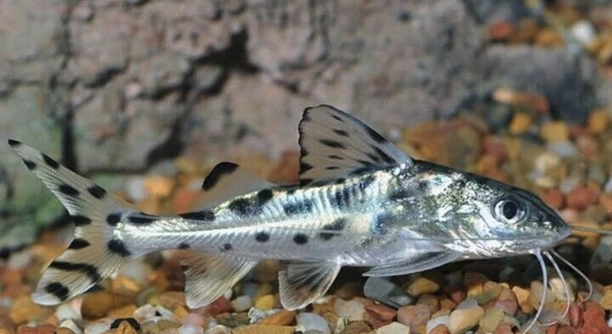
Many aquarists enjoy keeping pictus catfish for their active and peaceful nature. However, these fish have specific needs, especially regarding light levels in their tank. Too much brightness can cause stress and health problems for them.
Pictus catfish prefer dimmer environments because excessive light disrupts their natural behavior and comfort. Bright tanks can lead to hiding, reduced activity, and increased stress, which may impact their overall well-being and lifespan if not corrected.
Knowing how to spot signs of too much light will help you create a better home for your catfish. This article explains clear indicators and offers useful advice for your tank setup.
Increased Hiding Behavior
When pictus catfish feel uncomfortable due to bright lighting, they tend to hide more often. In a brightly lit tank, these fish may retreat to decorations, plants, or corners where shadows provide cover. This behavior is a natural response to stress caused by excessive light. It helps them avoid the discomfort but also limits their activity and exploration. If you notice your catfish spending much of their time hidden, it could be a sign the lighting is too intense. They are nocturnal or crepuscular by nature, meaning they prefer low light conditions, which help them feel safe and secure. Adjusting the lighting to create dimmer areas can encourage more natural behavior and make your fish more visible and active.
Hiding too much is an early warning sign that tank lighting should be reassessed.
Providing shaded spots or lowering light intensity will help your pictus catfish feel more at ease and behave naturally.
Faded Coloration
Faded or dull coloration in pictus catfish often results from stress, including exposure to bright light. Their natural vibrant patterns become less distinct when the tank is too bright. This is a sign that the fish are uncomfortable and not thriving in their environment. Unlike some fish that brighten under good lighting, pictus catfish need softer illumination to maintain their colors. Over time, constant exposure to harsh light can weaken their immune system and increase susceptibility to illness. Monitoring color changes is important for early intervention.
Reducing light intensity and providing hiding places can help restore their natural appearance.
Creating a more suitable environment by dimming lights will support their health and coloration.
Ensuring the tank mimics their natural habitat with shaded areas and softer light levels is key to their well-being. Many keepers overlook this, but lighting plays a big role in how these fish feel and look. Adjusting the light helps reduce stress, which improves their color and activity. Consider using floating plants or dimmable LED lights to create a balanced setup. When pictus catfish feel secure, they display their full, attractive patterns, enhancing your tank’s beauty and their quality of life.
Restless Swimming
Pictus catfish may swim restlessly or erratically if the tank is too bright. This behavior indicates discomfort and stress caused by excessive light exposure. It disrupts their normal calm and exploratory swimming patterns.
Erratic swimming is often a sign that the fish are trying to find a darker, more comfortable area. Bright lighting makes them feel exposed and unsafe, leading to nervous movements and quick darting around the tank. This can be exhausting for the fish and may cause long-term health issues if the lighting problem is not fixed. Watching for changes in swimming patterns can help identify lighting problems early. Adjusting the light level or adding shaded areas will encourage more natural swimming behavior.
Creating hiding spots with plants or decorations can reduce stress and improve how your catfish swim. A calm, dim environment helps pictus catfish feel secure and move naturally without constant agitation or fear.
Clamped Fins
Clamped fins are a common sign of stress in pictus catfish. When stressed by bright light, these fish hold their fins close to their bodies instead of spreading them naturally. This reduces their ability to swim properly and shows discomfort.
This behavior indicates the fish are trying to protect themselves from an environment they find uncomfortable. Clamped fins make it harder for pictus catfish to move gracefully and can affect their balance. If this continues, it may lead to further health problems like infections or weakened immune responses. Monitoring fin posture is a simple way to detect stress from lighting. Providing a dimmer tank environment with hiding spots allows the catfish to relax and display normal fin movement.
Reducing light intensity will improve your fish’s comfort and encourage healthy fin use. Observing their fins regularly helps you ensure their tank conditions are suitable and stress-free.
Loss of Appetite
Bright lighting can cause pictus catfish to lose interest in food. Stress from excessive light reduces their natural feeding behavior, leading to decreased appetite.
If your catfish are eating less, checking the tank’s light levels is important. Low light helps them feel safe and ready to eat.
Increased Stress Levels
Constant exposure to bright light increases stress hormones in pictus catfish. This stress weakens their immune system, making them more prone to disease and infections. Over time, stressed fish may show lethargy, poor growth, or other health issues. Maintaining moderate lighting and providing shaded areas can significantly reduce stress and improve their overall health. Creating a calm environment supports their natural rhythms and helps them thrive in captivity.
Frequent Hiding
Excessive light encourages pictus catfish to hide often. They seek shelter to escape discomfort caused by too much brightness. This behavior reduces their visibility and activity in the tank.
How much light is ideal for pictus catfish?
Pictus catfish do best in low to moderate lighting. Ideally, the tank should mimic their natural habitat, which is often shaded or dim. Using LED lights with adjustable brightness or placing floating plants can help reduce light intensity. Around 0.5 to 1 watt per gallon is generally suitable, but it’s more important to create shaded areas where the fish can retreat from direct light. Avoid bright, harsh lighting that stays on for long periods.
What are the signs that my tank light is too bright for pictus catfish?
Some common signs include excessive hiding, faded coloration, clamped fins, restless swimming, and loss of appetite. Your catfish may also appear stressed, with less natural behavior and reduced activity. If you notice they spend most of their time under decorations or plants, or they dart nervously around the tank, the lighting is likely too strong.
Can too much light harm my pictus catfish’s health?
Yes, bright lighting can cause stress, which weakens the immune system and makes pictus catfish more prone to illness. Over time, chronic stress may result in poor growth, disease susceptibility, and shortened lifespan. Stress also disrupts normal behavior, such as feeding and swimming, further impacting health.
How can I adjust my lighting to better suit pictus catfish?
Start by lowering the brightness using dimmable LEDs or switching to bulbs with lower wattage. Add floating or tall plants to create shaded areas where the catfish can retreat. Position decorations and rocks to provide shadows and hiding spots. You can also reduce the daily light duration, keeping it around 8 to 10 hours instead of longer periods.
Is it okay to have bright lighting if I provide plenty of hiding spots?
While hiding spots help, constant bright lighting can still stress pictus catfish. The fish might hide more often, reducing their natural activity. It’s best to combine moderate lighting with ample shade rather than relying on hiding spots alone. A softer light environment will make your catfish feel more comfortable and display healthier behavior.
Can pictus catfish adapt to brighter tanks over time?
They may tolerate it to some extent but will likely remain stressed if the lighting is too strong. Their natural preference is for dimmer environments, so forcing them to live under bright light can reduce their quality of life. Adjusting the tank conditions to suit their needs is a better approach than expecting them to adapt.
What types of lighting are best for pictus catfish tanks?
LED lights with adjustable brightness are excellent because you can control the intensity. Soft white or daylight bulbs with a warm tone are preferable to harsh, bluish lights. Using plants, both real and artificial, can help diffuse the light and create a more natural setting. Avoid bright fluorescent lights that produce strong, direct illumination.
How long should the lights be on each day?
Keeping the light on for 8 to 10 hours a day is sufficient for pictus catfish. This simulates their natural day and night cycle without causing excess stress. Longer lighting periods can increase stress and reduce their activity. Using a timer helps maintain a consistent schedule.
Can I use a dimmer switch to control the light intensity?
Yes, dimmer switches are a great way to fine-tune light levels for your tank. They allow you to adjust brightness gradually and find the best setting for your catfish. This flexibility helps create a comfortable environment and prevents sudden changes that could stress your fish.
What else can I do to improve my pictus catfish’s comfort besides adjusting lighting?
Besides controlling light, provide plenty of hiding places, like caves, plants, and driftwood. Keep water parameters stable and clean, and avoid overcrowding the tank. Adding soft substrate helps create a more natural bottom where they feel secure. Combining these factors with proper lighting greatly improves their well-being.
Finding the right lighting for pictus catfish is essential for their health and happiness. These fish prefer dimmer environments that closely mimic their natural habitats. When the tank light is too bright, it can cause stress, hiding behavior, and loss of color. Adjusting your tank’s lighting to a softer, more natural level will help your catfish feel comfortable and encourage normal activity. Using adjustable LED lights or adding plants to create shaded areas are practical ways to reduce brightness. It is important to observe your fish carefully and notice any changes in their behavior or appearance as signs that the lighting may need adjustment.
Maintaining a balanced environment goes beyond just lighting. While dimming the light helps reduce stress, it is also important to provide hiding spots like caves, plants, and decorations where pictus catfish can retreat when needed. Keeping water clean and stable is equally important for their well-being. Overcrowding or poor water conditions can add to the stress caused by lighting. When these factors are managed together, pictus catfish are more likely to thrive and display their natural, active behavior. Paying attention to these details shows care and improves the quality of life for your fish.
Making small changes can have a big impact on your pictus catfish’s comfort. If you notice signs like increased hiding, clamped fins, or restless swimming, it is a good idea to evaluate the tank’s lighting. Reducing brightness and creating a more natural setting can help your fish feel secure and healthy. Remember that pictus catfish are sensitive to light and need a calm environment to thrive. Taking steps to create the right conditions shows respect for their natural needs and will reward you with a lively, colorful tank.

Hello,
If you enjoy the content that we create, please consider saying a "Thank You!" by leaving a tip.
Every little bit helps us continue crafting quality advice that supports the health, happiness, and well-being of pets around the world, for pets of all shapes, sizes, and species.
We really appreciate the kindness and support that you show us!