
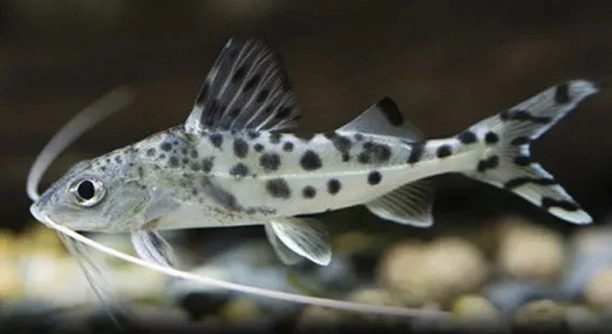
Internal health problems in Pictus catfish can be hard to spot at first. These peaceful fish may hide signs of discomfort until their condition worsens. Watching for early signals helps keep them healthy and happy.
Internal issues in Pictus catfish often present through changes in behavior, appetite loss, unusual swimming patterns, bloating, discoloration, lethargy, and difficulty breathing. Identifying these signs early allows for timely intervention and better treatment outcomes.
Recognizing these signs early can make a big difference in caring for your Pictus catfish. This guide will help you understand what to look for.
Changes in Behavior
When a Pictus catfish experiences internal problems, their behavior often shifts noticeably. They may become less active or hide more than usual. Sometimes, they swim erratically or rest at the bottom of the tank for long periods. These changes happen because the fish is uncomfortable or in pain. Unlike their usual playful nature, a sick catfish may avoid interaction or lose interest in exploring. Observing your fish daily helps catch these changes early. Ignoring behavior shifts can allow the condition to worsen, making treatment harder. Keeping the tank clean and maintaining stable water conditions supports their health and reduces stress, which can trigger internal issues.
Behavioral changes are one of the earliest signs that something may be wrong inside your Pictus catfish.
Watching for these signs and acting promptly can improve your fish’s chance of recovery and well-being.
Appetite Loss
A sudden or gradual loss of appetite is a common sign of internal health problems in Pictus catfish. When they stop eating or eat much less, it usually means something inside is wrong. Internal infections, parasites, or organ issues can cause this symptom. Appetite loss also weakens the fish, reducing its ability to fight illness. It is important to monitor feeding habits closely. Providing a balanced diet rich in nutrients supports the fish’s immune system. Sometimes, stress or water quality problems also affect appetite. Ensuring a calm, clean environment can help improve feeding behavior. If appetite loss continues for more than a day or two, it is best to consult an expert or consider treatment options. Early action can prevent more serious problems from developing.
Unusual Swimming Patterns
Unusual swimming is a clear sign something is wrong. Your Pictus catfish may dart around suddenly or float awkwardly.
Erratic swimming can mean internal discomfort or swim bladder problems. The fish might have trouble maintaining balance or staying upright. This can be caused by infections or internal parasites affecting its organs. Sometimes, water quality issues make swimming difficult. Watch for your catfish struggling to swim straight or resting sideways. These behaviors show stress or illness. Addressing tank conditions and checking for illness can help. If the swimming problems persist, medical treatment might be needed.
A Pictus catfish with internal issues often swims in odd ways that don’t match its normal, smooth movements. Catching this early helps protect your fish’s health.
Bloating and Physical Changes
Bloating is a noticeable sign of internal problems. Your catfish’s belly may swell or look uneven. This swelling often means internal infection, constipation, or organ failure. It’s important to check water quality, as poor conditions can cause or worsen bloating. Diet also plays a role; overfeeding or feeding inappropriate foods can lead to digestive blockages.
Other physical changes like discoloration or sores might appear with bloating. These changes suggest the fish’s immune system is struggling. If you notice these signs, isolating the fish and improving tank care is crucial. A veterinarian’s advice can help decide on the best treatment. Monitoring these changes regularly gives you the best chance to catch issues early and keep your fish healthy.
Lethargy and Weakness
Lethargy shows when your Pictus catfish is unusually slow or inactive. The fish may rest more and avoid swimming.
Weakness often follows, making it hard for the fish to move or respond to its environment. These signs usually point to internal illness or stress.
Difficulty Breathing
Difficulty breathing in Pictus catfish can show as rapid gill movement or gasping at the surface. This may signal internal infections or poor water quality affecting oxygen levels. Ensuring clean, well-aerated water is key to helping your fish breathe easier and recover.
Discoloration
Discoloration often indicates health problems. Pictus catfish with internal issues may develop pale or dark patches on their skin or fins.
This change usually means stress, infection, or poor nutrition. Monitoring color changes helps detect problems early.
What causes internal issues in Pictus catfish?
Internal issues in Pictus catfish often result from infections, parasites, or poor water quality. Bacteria and parasites can enter the fish’s body, leading to organ damage or digestive problems. Stress caused by sudden changes in temperature, poor diet, or overcrowded tanks also weakens their immune system. When the water has high levels of ammonia or nitrites, it harms the fish internally. Overfeeding or feeding inappropriate foods can cause constipation or bloating. Regular tank maintenance, proper diet, and stable water conditions help prevent most internal problems.
How can I tell if my Pictus catfish has internal parasites?
Signs of internal parasites include sudden weight loss, loss of appetite, unusual swimming, and bloating. The fish may scratch against tank decorations or the tank glass due to irritation. Parasites disrupt digestion and nutrient absorption, making the fish weak and lethargic. Sometimes, you might see white stringy feces or spots on the fish’s body. If you suspect parasites, isolating the fish and treating it with proper medication is important. Regular tank cleaning and quarantining new fish before adding them can help prevent parasite infections.
Is poor water quality a big factor in internal problems?
Yes, poor water quality is one of the biggest causes of internal health issues in Pictus catfish. Dirty water contains harmful chemicals like ammonia, nitrites, and nitrates, which damage the fish’s organs and immune system. Low oxygen levels in the water can cause breathing difficulties and stress, making fish more vulnerable to illness. Regular water testing, partial water changes, and using a good filtration system are essential to maintain healthy water. Stable water temperature and pH also reduce stress and help the fish’s body fight infections.
What should I do if my catfish shows signs of internal illness?
If your Pictus catfish shows signs of internal illness, act quickly. First, check the water quality to rule out environmental causes. Perform a partial water change if needed and clean the tank. Isolate the sick fish to prevent spreading disease. Adjust feeding habits by offering easy-to-digest foods in small amounts. Consult a veterinarian or aquatic specialist for advice on medication and treatment. Early intervention improves the chance of recovery. Monitor the fish closely and keep the tank conditions stable.
Can diet affect internal health in Pictus catfish?
Diet plays a big role in internal health. Feeding low-quality or inappropriate food can cause digestive issues, constipation, and nutrient deficiencies. A balanced diet with high-quality pellets, frozen or live foods like bloodworms or brine shrimp supports digestion and immune function. Avoid overfeeding, as leftover food pollutes the water and causes bloating. Occasionally fasting your fish for a day helps clear their digestive system. Providing variety and proper nutrition helps keep the fish strong and less prone to internal problems.
How long does it take for a Pictus catfish to recover from internal illness?
Recovery time varies depending on the illness, its severity, and how quickly treatment begins. Mild infections or digestive problems may improve within a week with proper care. More serious conditions like internal parasites or organ damage can take several weeks to heal. Consistent tank maintenance, good nutrition, and reducing stress during recovery are essential. If the fish does not improve after treatment, further veterinary care may be necessary. Patience and careful observation help guide the recovery process.
Can internal issues be prevented?
Yes, many internal issues can be prevented through proper care. Regular water testing and tank cleaning keep the environment safe. Feeding a balanced diet in the right amounts supports health. Quarantining new fish before introducing them reduces disease risk. Avoid overcrowding and sudden changes in water temperature or chemistry to reduce stress. Providing hiding spots and maintaining stable conditions help your Pictus catfish stay healthy. Prevention is always better than treatment, so consistent care is key.
Are medications always needed to treat internal problems?
Not always. Mild cases may improve with better tank conditions and diet adjustments. However, infections, parasites, or severe symptoms often require medication to clear the problem. Always use medications designed for aquarium fish and follow instructions carefully. Overuse or incorrect treatment can harm your fish or tank ecosystem. Consulting a professional before starting medication helps ensure the correct diagnosis and treatment plan. Sometimes, supportive care without drugs is enough if problems are caught early.
Taking care of a Pictus catfish means paying close attention to its health, especially internal issues that can be hard to see. These problems often show through small changes in behavior, appetite, or swimming patterns. Noticing these signs early can help prevent serious illness and keep your fish comfortable. It’s important to check the tank regularly, maintain clean water, and provide a good diet. By doing this, you reduce stress and support the fish’s natural defenses. The healthier the environment, the less likely your catfish will face internal problems.
When you do notice something unusual, like bloating or difficulty breathing, acting quickly is very important. Sometimes, changes in water quality or feeding habits can fix the problem. Other times, you may need to treat the fish with medication or get advice from an expert. Being calm and careful helps reduce stress on your fish while it recovers. Always remember that patience and consistency in care are key. Healing takes time, and your attention makes a big difference in the fish’s recovery.
Keeping a Pictus catfish healthy takes effort, but it is rewarding. These fish bring life and movement to your aquarium, and watching them thrive feels good. By understanding the signs of internal issues and knowing how to respond, you can protect your fish’s well-being. Small steps like good tank maintenance, a balanced diet, and close observation make a strong foundation for their health. Taking care of your catfish this way helps ensure it stays happy and healthy for a long time.

Hello,
If you enjoy the content that we create, please consider saying a "Thank You!" by leaving a tip.
Every little bit helps us continue crafting quality advice that supports the health, happiness, and well-being of pets around the world, for pets of all shapes, sizes, and species.
We really appreciate the kindness and support that you show us!