
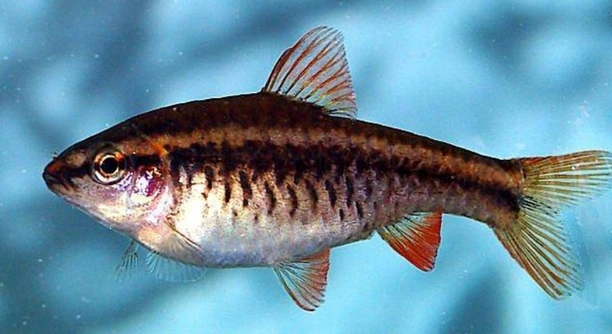
Cherry barbs are small, active fish that can make a great addition to your aquarium. Understanding when they are ready to spawn can make the breeding process more successful. Knowing the signs is important for fish enthusiasts.
Cherry barbs typically show signs of readiness to spawn when females become plumper and males display more intense colors. The males will often chase the females around, and the female may seek out a sheltered area to lay her eggs.
By recognizing these signs, you can better prepare for the breeding process and ensure a healthy environment for the baby fish. Knowing how to care for them during this time is essential for their development.
Recognizing the Signs of a Ready Cherry Barb Female
The female cherry barb shows clear signs when she is ready to spawn. A noticeable change in her body shape is one of the first indicators. The belly becomes rounder and fuller, as she carries eggs. She may also appear a bit more subdued compared to her usual active self. This behavior is a natural part of the preparation for spawning, as her body undergoes physical changes to support egg development. Her colors may not be as vibrant as when she’s in her usual active state, but the swelling in her belly is hard to miss. If your female cherry barb is acting more relaxed and seems a bit larger than usual, it’s a good sign she is preparing to spawn.
The male cherry barbs will start chasing the female when she’s ready, attempting to get her attention. During this time, he will also start displaying his most vivid colors, which is a clear signal to both the female and other males.
Once you notice these changes in the female, it’s essential to ensure the environment is conducive to spawning. Having plants, rocks, or any type of shelter can encourage a successful egg-laying process. These hiding spots provide the female with a sense of security during this vulnerable time. It’s also helpful to check the water quality and temperature, as these factors play a crucial role in successful spawning. The temperature should be warm, but not too hot, ensuring the water conditions are ideal for both the fish’s health and egg development.
Understanding Male Behavior During Spawning Time
The male cherry barb becomes more active when the female is ready to spawn. He will chase her around, sometimes displaying his bright colors more than usual. This is his way of attracting her attention. As the female approaches an area to spawn, the male follows closely behind, ready to fertilize the eggs.
The male’s behavior may seem overly energetic, but it’s part of the natural process. His bright colors and constant movement help encourage the female to lay her eggs. During this period, the male’s competition with other males can also intensify, especially if more than one male is present in the tank. This competition can sometimes lead to more aggressive behavior.
To ensure the spawning process is smooth, it’s best to have a separate area for the male and female, or at least offer enough space for them to feel comfortable. This can prevent overexcitement and stress, allowing the female to relax and focus on laying eggs.
Water Conditions for Spawning Success
For cherry barbs to spawn successfully, water conditions are crucial. The ideal temperature range is between 75-80°F (24-27°C), with soft, slightly acidic water. It’s also important to maintain a clean and stable environment to prevent stress during spawning.
When setting up the tank for spawning, ensure the water is free of pollutants. Regular water changes are essential to maintain good water quality. Adding a sponge filter can also help keep the water clean without disturbing the delicate eggs. A proper filtration system is necessary for oxygenating the water, which is vital for the health of both the adult fish and the eggs.
In addition to proper filtration, consider adding plants to the tank. Live plants, especially fine-leaved varieties, provide a place for the female to lay her eggs. These plants also offer hiding spots, reducing stress for the female as she prepares to spawn. You can also use a separate breeding tank, with gentle water flow, to increase the chances of successful spawning.
Preparing the Male and Female Cherry Barbs
Before spawning begins, ensure both the male and female are in optimal condition. Feed them a nutritious diet of high-quality flakes or live foods like brine shrimp and daphnia. A well-fed cherry barb is more likely to spawn successfully.
Make sure the male and female are both healthy before pairing them for spawning. If either fish shows signs of illness or stress, it’s better to wait until they recover. Healthy fish will be more active and willing to engage in spawning behavior. The male will be more vibrant in color, while the female will appear rounder.
Give the fish time to adjust to the spawning tank before you start. After a few days in the breeding setup, the female will start showing signs of readiness, and the male’s displays will become more pronounced. Allowing the fish to acclimate will reduce stress and increase the likelihood of successful egg laying.
Monitoring the Spawning Behavior
Once the female is ready, she’ll start laying eggs, often in a sheltered area among plants. The male will follow closely behind, fertilizing the eggs as they are laid. This behavior may last for several hours, with the female laying multiple batches of eggs.
During this time, it’s essential to monitor the tank for any signs of stress in the fish. The male may become more aggressive toward the female as he competes for her attention. If this behavior becomes excessive, it’s a good idea to provide the female with extra hiding spots to help her feel secure.
Removing Adult Fish After Spawning
After spawning is complete, the adults should be removed to prevent them from eating the eggs. Cherry barbs are known to consume their own eggs, so separating them from the tank is crucial for the survival of the young.
This is a critical step in ensuring the eggs have a chance to hatch. Removing the adults also reduces stress on the female, allowing her to rest and recover. You can place the eggs in a separate breeding tank with appropriate water conditions to ensure a better hatching rate.
Caring for the Eggs and Fry
Once the eggs are laid, they will typically hatch within 24 to 36 hours, depending on water temperature. The fry are very tiny and need to be kept in a separate tank with gentle filtration to prevent them from being sucked into the filter.
To encourage healthy growth, feed the fry with infusoria or other microscopic foods until they are large enough to eat baby brine shrimp. Keep the water temperature consistent and maintain excellent water quality to help them grow strong.
FAQ
How long does it take for cherry barbs to spawn?
Cherry barbs usually take about 2 to 3 days to complete the spawning process once the female is ready. The female will lay eggs in multiple batches, and the male will fertilize them immediately after each batch is laid. The whole process can last a few hours to a couple of days depending on the number of eggs the female is carrying. After spawning, it’s essential to remove the adult fish to prevent them from eating the eggs.
What should the water conditions be for cherry barb spawning?
For optimal spawning, water should be between 75-80°F (24-27°C), soft, and slightly acidic. A pH range of 6.5 to 7.0 is ideal. Clean, well-oxygenated water is also crucial, so regular water changes are recommended. Make sure the tank is equipped with gentle filtration, as strong currents can disturb the fish. Adding live plants to the tank provides hiding spots for the female and creates a more natural environment, encouraging the spawning process.
Can I breed cherry barbs in a community tank?
While it’s possible to breed cherry barbs in a community tank, it’s more difficult due to the risk of other fish eating the eggs. If you’re serious about breeding, it’s best to move the male and female into a separate breeding tank. This way, you can better control the water conditions and reduce stress, increasing the chances of successful spawning. Be mindful that other fish in a community setup may cause distractions or interfere with the spawning process, so extra care is needed.
How can I tell when my cherry barbs are ready to spawn?
Female cherry barbs show physical signs of readiness when their bellies become plumper due to carrying eggs. Males will also become more colorful and start chasing the females. Additionally, the female will often seek out sheltered areas where she can lay her eggs. The male’s increased activity and his colorful displays signal that he is ready to fertilize the eggs. If you notice these behaviors, it’s a sign that spawning is imminent.
Do I need to remove the adult cherry barbs after spawning?
Yes, it’s highly recommended to remove the adult cherry barbs after spawning. Cherry barbs are known to eat their own eggs, which can reduce the chances of the eggs hatching. By removing the adults, you allow the eggs to develop undisturbed. This step also prevents stress on the female, as she can rest and recover in a more peaceful environment. After the adults are removed, the eggs can be moved to a separate tank to hatch.
What should I feed the fry after they hatch?
When the fry hatch, they are tiny and need very fine food. Initially, they can be fed with infusoria or liquid fry food until they are large enough to consume baby brine shrimp or microworms. It’s essential to feed them small amounts frequently to ensure they get enough nutrition for growth. Over time, you can gradually introduce other foods like crushed flakes or finely powdered pellets as they grow larger and stronger.
How long does it take for cherry barb eggs to hatch?
Cherry barb eggs typically hatch within 24 to 36 hours after being fertilized, depending on the water temperature. The warmer the water, the quicker the eggs will hatch. However, keep in mind that the eggs need to be kept in stable, clean conditions to ensure a high hatching rate. If conditions are too cold or the water quality is poor, the eggs may not hatch, or the fry may be weak.
Can cherry barbs spawn without any special care?
Cherry barbs can spawn in a community tank with little intervention, but the chances of success are much higher with special care. Without extra attention to water conditions and the removal of adult fish after spawning, the eggs may not survive. Providing a separate breeding tank, adjusting the water temperature, and ensuring a proper diet for the fish can greatly improve your chances of successful spawning. Although cherry barbs can breed in a less controlled setup, their chances for healthy offspring are significantly better with more attention.
What is the best diet for cherry barbs before and during spawning?
Before and during spawning, feeding cherry barbs a varied and nutritious diet is key. High-quality flake food, live foods like brine shrimp and daphnia, and frozen foods provide the necessary nutrients for both males and females. A well-fed fish is more likely to spawn successfully, as it has the energy to produce healthy eggs and sperm. Feed them small amounts multiple times a day to ensure they are getting the right nutrients to support the spawning process.
Can cherry barb fry survive in a tank with adult fish?
It’s not recommended to keep cherry barb fry in a tank with adult fish, as the adults may eat them. Cherry barb fry are very small and fragile, making them easy targets for hungry adults. If you want to give the fry the best chance at survival, place them in a separate nursery tank with gentle filtration and plenty of hiding spots. This way, they can grow without the threat of being eaten.
Final Thoughts
Breeding cherry barbs can be a rewarding experience for aquarium hobbyists. These small, colorful fish are relatively easy to care for and can thrive in the right conditions. By understanding the signs that a female is ready to spawn, you can prepare your tank accordingly and ensure the process goes smoothly. Providing the right water conditions, ensuring the fish are healthy, and offering plenty of hiding spots for the female are all key steps in supporting successful spawning. With a little attention, you can help your cherry barbs produce healthy offspring.
It’s also important to note that the care doesn’t end after the spawning process. Once the eggs are laid, removing the adults is crucial to prevent them from eating the eggs. You’ll need to pay close attention to the eggs and fry as they develop, offering the proper food and maintaining the right water quality. Fry care can be a bit more challenging, but with the right approach, they can grow strong and healthy. Be prepared to monitor their growth and make necessary adjustments to the tank setup as they develop.
While breeding cherry barbs isn’t overly complicated, it does require some effort and attention to detail. Ensuring the tank environment is stable and the fish are in the best health possible will increase your chances of success. Remember to stay patient and avoid rushing the process. With time and the right care, you can enjoy watching the next generation of cherry barbs grow and thrive in your aquarium. Whether you’re new to breeding or experienced, it’s a fulfilling process that brings new life to your tank.

Hello,
If you enjoy the content that we create, please consider saying a "Thank You!" by leaving a tip.
Every little bit helps us continue crafting quality advice that supports the health, happiness, and well-being of pets around the world, for pets of all shapes, sizes, and species.
We really appreciate the kindness and support that you show us!