
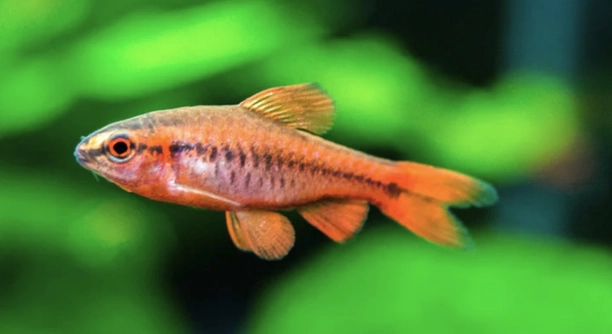
Cherry barbs are lively and curious fish, but some owners notice that they are only active during feeding time. Understanding why this happens can help improve their well-being and overall behavior in your aquarium.
The behavior of cherry barbs being more active during feeding is often linked to their natural instincts. They may associate feeding time with heightened activity, which is driven by hunger and the anticipation of food. Environmental factors like water quality and tank setup can also affect their activity levels.
Learning how to create a stimulating environment for your cherry barb can improve their behavior, ensuring they remain active throughout the day. Understanding these factors will help maintain your fish’s health and happiness.
Why Cherry Barbs are More Active During Feeding Time
Cherry barbs are known to become particularly lively when it’s feeding time. This natural response is a survival instinct, as they are conditioned to seek food whenever it is available. The excitement around feeding is usually triggered by hunger, but it can also be influenced by the fish’s natural behavior. Fish are constantly looking for food, and feeding time is a clear signal for them to become active.
Although feeding time might be the only time they are noticeable, this doesn’t mean they are unhealthy. In some cases, cherry barbs might be more passive at other times due to environmental factors, like poor water quality or stress. If the water quality is not ideal, they may not feel safe enough to move around freely.
If you want to encourage your cherry barbs to be more active throughout the day, try adjusting their environment. Increase plant coverage or add hiding spaces, and ensure the water quality is stable. Consistent water temperature and proper filtration will create a stress-free environment that allows them to explore and swim more.
Environmental Factors Affecting Activity
Water quality and tank conditions can have a significant impact on how active your cherry barb is. If there is too much debris or the pH is off, they may remain more passive.
Improper water conditions like high ammonia levels or low oxygen can lead to lethargy. These conditions may force them to hide or stay near the bottom of the tank for safety. Stress from tankmates, loud noises, or even sudden changes in lighting can also affect their behavior. Ensuring a clean tank and stable environment will encourage the fish to move more.
Additionally, cherry barbs thrive in slightly warmer temperatures. A water heater can help maintain a consistent and ideal temperature, which in turn encourages more movement. Make sure to monitor these factors regularly to keep them at their best. Healthy fish are naturally more active.
Tank Size and Space
The size of the tank can impact your cherry barb’s activity levels. A cramped tank can limit movement, making them feel stressed or territorial. Ensure the tank is large enough to accommodate your fish and allows for free swimming. Small tanks tend to limit the space for fish to explore.
Providing ample swimming space is essential for their well-being. Cherry barbs can become less active when they feel confined. A 20-gallon tank is recommended for a small school of these fish, but larger tanks can improve their behavior and make them more active. The more room they have, the more likely they are to explore and interact with their environment.
Adding plants and decorations in a larger tank will also stimulate them. Cherry barbs enjoy hiding in plants, which provides them with a sense of security and encourages natural behavior. A well-decorated tank promotes physical and mental health, making your cherry barbs more active throughout the day.
Diet and Feeding Routine
Your cherry barbs’ feeding routine also plays a significant role in their activity levels. Regular feeding times help establish a rhythm and keep your fish engaged. Providing a varied diet, such as high-quality flakes, frozen foods, and occasional live food, ensures they are getting proper nutrition.
Feeding them a balanced diet also encourages movement. Fish that are hungry or motivated by food tend to be more active, searching for their meals and engaging more with their environment. Overfeeding, however, can lead to lethargy. Stick to feeding your fish in moderation and ensure they finish their food within a few minutes to avoid water contamination.
A regular feeding schedule will also help you observe your fish more closely. This way, you can identify any changes in their behavior or any signs of stress, ensuring their well-being. Keeping their tank clean after each feeding session is crucial for maintaining healthy activity levels.
Tankmates and Social Behavior
Cherry barbs are social fish, so the presence of compatible tankmates can influence their activity levels. Aggressive or overly territorial species can stress them out, causing them to become more passive and hide during the day. Choose peaceful tankmates that encourage interaction.
Peaceful fish like tetras or other barbs are good companions for cherry barbs. When they feel safe among other calm species, they are more likely to become active and move around. The right tankmates create a sense of security, allowing your cherry barbs to swim freely and interact more.
Lighting and Day-Night Cycle
The lighting in your tank can also affect your cherry barb’s activity. A consistent day-night cycle is essential for their well-being. They are naturally more active during the daytime and less so at night, which reflects their natural circadian rhythm.
Providing a regular light schedule helps your cherry barbs maintain this rhythm. Bright, consistent lighting during the day and dim lighting at night mimics their natural environment. Overly bright lights or erratic lighting can disrupt this cycle, causing them to act differently or retreat into hiding.
FAQ
Why are my cherry barbs hiding most of the time?
Cherry barbs may hide due to stress, poor water quality, or an overcrowded tank. If they feel threatened by aggressive tankmates or are not provided with enough hiding spaces, they may retreat to a secluded area. Ensure the tank is well-decorated with plants and caves to give them a sense of security. Also, check water parameters like ammonia, nitrate, and pH levels, as poor conditions can cause them to seek shelter.
Do cherry barbs get along with other fish?
Yes, cherry barbs are generally peaceful and get along well with other non-aggressive species. They thrive in community tanks with fish of similar size and temperament. Avoid pairing them with fin-nipping fish or overly aggressive species, as this can lead to stress and inactivity. Tankmates like tetras, peaceful gouramis, and small rasboras make great companions for cherry barbs.
How can I tell if my cherry barbs are stressed?
Stressed cherry barbs may display abnormal behavior, such as excessive hiding, lack of movement, or swimming erratically. They may also show signs of poor health, such as faded colors, labored breathing, or loss of appetite. Stress can be caused by poor water quality, aggressive tankmates, or sudden changes in the environment. Regular water changes and maintaining a calm tank environment can help reduce stress.
How often should I feed my cherry barbs?
Cherry barbs should be fed once or twice a day. Offer them small portions that they can consume in a few minutes to avoid overfeeding. A varied diet, including high-quality flake food, frozen food, and occasional live food, ensures they receive proper nutrition. Overfeeding can lead to water contamination and lethargy, so be sure to remove any uneaten food after feeding.
Do cherry barbs need a heater in their tank?
Yes, cherry barbs prefer a stable temperature range between 72°F and 78°F (22°C to 26°C). While they can tolerate slight temperature fluctuations, a consistent temperature is crucial for their well-being. A water heater is recommended, especially in cooler climates or if the tank temperature fluctuates significantly. Be sure to monitor the water temperature regularly to avoid any sudden changes that could stress your fish.
Why do cherry barbs stop eating at times?
If your cherry barbs stop eating, it could be a sign of illness, water quality issues, or stress. Check the water parameters for any imbalances, such as high ammonia or nitrate levels. Illnesses like parasites or internal infections can also cause a loss of appetite. Stress from aggressive tankmates or environmental changes can affect their feeding habits. If the problem persists, consult a veterinarian or experienced aquarist.
Can cherry barbs live with shrimp or snails?
Yes, cherry barbs can live peacefully with shrimp and snails. They are not aggressive towards these creatures and will typically ignore them unless they are exceptionally small and might be seen as food. Shrimp like cherry shrimp or ghost shrimp and snails like mystery snails can thrive in a tank with cherry barbs. However, always ensure that the tank is large enough to accommodate all the species and that there are plenty of hiding spots for the shrimp and snails.
How can I improve the activity level of my cherry barbs?
To increase the activity level of your cherry barbs, focus on improving their environment. Ensure the tank is spacious enough and filled with plants, rocks, or other decorations that encourage exploration. Regular water changes and maintaining stable water conditions also help reduce stress. You can also feed them more frequently or vary their diet to keep them engaged.
Are cherry barbs good for beginners?
Yes, cherry barbs are suitable for beginners. They are hardy, peaceful, and adaptable to various water conditions. With proper care, they can thrive in a well-maintained tank. However, it’s important to research their specific needs, including water parameters, diet, and tank setup, to ensure they stay healthy. Cherry barbs do well in a community tank, making them a great choice for beginners looking to build a peaceful aquarium.
Can I breed cherry barbs in my aquarium?
Breeding cherry barbs is possible in a well-maintained aquarium. To encourage breeding, create a separate breeding tank with slightly acidic water and stable temperatures. The female cherry barb will lay eggs, which will hatch within a few days. Ensure there are enough plants or spawning mops in the tank for the eggs to attach to. Once the eggs hatch, the fry will need infusoria or baby brine shrimp to feed on until they are large enough for regular food.
Why are my cherry barbs not showing their colors?
Cherry barbs may lose their vibrant color due to stress, poor water quality, or an inadequate diet. Stress from overcrowding, aggressive tankmates, or sudden changes in the environment can cause them to appear dull. A lack of a proper diet, including nutrients like carotenoids, can also lead to faded colors. Ensure that your fish are in a calm environment, with proper water parameters, and provide a varied, nutritious diet.
Do cherry barbs need a lot of oxygen in their tank?
While cherry barbs don’t require an excessive amount of oxygen, they do benefit from well-oxygenated water. Proper filtration and surface agitation help maintain oxygen levels. If you notice your fish are spending time at the water surface, it could indicate that the oxygen levels are low. Adding an air stone or adjusting the filter can improve oxygenation.
Final Thoughts
Cherry barbs are generally peaceful, active fish that thrive in well-maintained tanks. Their behavior can be influenced by various factors, such as tank size, water quality, diet, and the presence of compatible tankmates. When given the right environment, cherry barbs will flourish, moving freely and interacting with their surroundings. These fish do best when they feel secure and have enough space to swim. Proper tank conditions are essential for keeping them healthy and active.
Their feeding habits, lighting, and social interactions all play a role in their overall activity levels. Providing a balanced diet and sticking to a regular feeding schedule can keep them engaged and healthy. A steady day-night cycle with appropriate lighting helps regulate their natural behavior, encouraging activity during the day. Additionally, choosing the right tankmates can help your cherry barbs feel comfortable and reduce stress, which would otherwise lead to lethargy. Creating a peaceful and balanced environment can result in more vibrant and active fish.
In conclusion, cherry barbs are a great choice for both beginner and experienced aquarists. They adapt well to various tank setups, as long as their basic needs are met. Ensuring that their water is clean, the temperature is stable, and their tank is properly decorated will promote healthy, active behavior. If you are seeing your cherry barbs only active during feeding times, it’s likely a sign that something in their environment needs adjustment. By addressing their needs and keeping the tank conditions stable, your cherry barbs will stay healthy, active, and vibrant.

Hello,
If you enjoy the content that we create, please consider saying a "Thank You!" by leaving a tip.
Every little bit helps us continue crafting quality advice that supports the health, happiness, and well-being of pets around the world, for pets of all shapes, sizes, and species.
We really appreciate the kindness and support that you show us!