
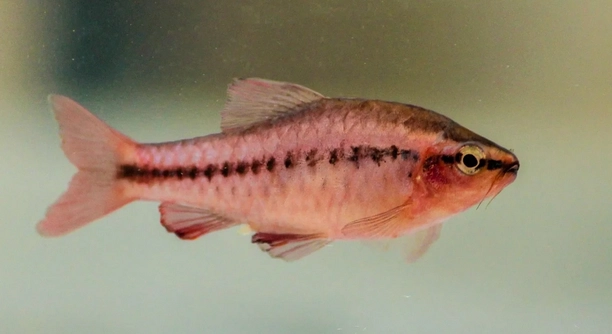
Cloudiness in a cherry barb tank can be a common issue, often perplexing new fishkeepers. You may notice the water turning cloudy and wonder what’s causing it, especially when everything seems fine with the fish themselves.
Cloudiness in a cherry barb tank is commonly caused by bacterial blooms, excess nutrients, or overfeeding. High organic waste can lead to these blooms, disrupting the water clarity. Poor filtration and insufficient water changes can exacerbate the issue.
Addressing the causes and implementing preventive measures will help maintain a clear, healthy tank. Knowing how to care for your tank properly can reduce future cloudiness and promote a stable aquatic environment.
Common Causes of Tank Cloudiness
Cloudy water in a cherry barb tank can stem from a variety of factors. One of the most frequent causes is a bacterial bloom, which occurs when there’s an overgrowth of bacteria in the water. This happens when there is an excess of organic material, often from uneaten food or fish waste. This excess creates ideal conditions for bacteria to multiply, clouding the water.
Overfeeding can also contribute significantly. When you give your cherry barbs more food than they can consume, it decomposes in the tank, releasing nutrients that fuel bacterial growth. Additionally, inadequate filtration can allow waste to accumulate faster than the filter can handle, leading to murky water. It’s important to find a balance between feeding and cleaning to prevent such issues.
Cloudiness can also result from newly set-up tanks, where the bacterial colonies aren’t established yet. This initial phase can cause temporary cloudiness that should clear up once the tank reaches biological stability.
Preventing Cloudiness in Your Cherry Barb Tank
Maintaining good water quality is key to preventing cloudiness. Regular water changes and proper filtration play a large role in keeping things clear.
To keep your tank clear, invest in an efficient filtration system and clean it regularly. A quality filter will remove excess waste and prevent bacterial blooms. In addition, avoid overfeeding by offering only as much food as your fish can eat within a few minutes. Keeping up with regular water changes also helps reduce the nutrient load in the tank, which is essential for preventing cloudiness.
Additional Tips for Clear Tank Water
To maintain a healthy, clear tank, make sure your cherry barbs aren’t overcrowded. Overcrowding can lead to higher waste levels and poor water quality. Also, check the water parameters regularly, including pH, ammonia, nitrite, and nitrate levels. High levels of ammonia and nitrites can harm your fish and contribute to cloudy water. If necessary, invest in water conditioners to help keep everything balanced. Proper tank maintenance, including cleaning your substrate and decorations, will further reduce the likelihood of cloudy water. By following these steps, you can ensure your cherry barbs thrive in a clear and healthy environment.
Filtration System and Its Impact on Water Clarity
A proper filtration system is essential in keeping your cherry barb tank clear. It helps remove organic waste and harmful substances, ensuring a healthy environment for the fish. A filter with a mechanical, biological, and chemical filtration system will tackle different types of debris effectively.
Without an efficient filter, particles in the water aren’t removed fast enough, leading to cloudiness. Mechanical filtration removes solid debris, while biological filtration processes toxic substances like ammonia. Chemical filtration uses activated carbon to absorb impurities. A filter that combines all three will maintain water clarity and improve the health of your tank.
When selecting a filter, consider the tank’s size and the fish load. Over-filtering is not a problem, but under-filtering can lead to cloudy water and other issues. Clean your filter regularly to ensure it functions effectively and maintains optimal water quality for your cherry barbs.
The Role of Water Changes
Regular water changes are one of the simplest yet most effective ways to prevent cloudiness. Changing 10-20% of the water every week helps remove excess nutrients, waste, and bacteria that contribute to cloudiness. Keeping the water clean can stop the growth of harmful bacteria and algae.
Use dechlorinated water when performing water changes to avoid introducing toxins to the tank. Also, try to match the temperature of the new water with the tank’s to avoid stressing the fish. By removing old water, you prevent the build-up of nitrates and phosphates, which are often the main cause of cloudy water.
Water changes can also dilute the concentrations of ammonia, nitrites, and nitrates. If you use tap water, it’s important to check the water quality beforehand. Tap water sometimes contains high levels of these compounds, which could worsen the problem.
Overfeeding and Its Effects on Water Quality
Overfeeding is a major cause of cloudiness in cherry barb tanks. Leftover food decomposes, creating excess nutrients that fuel bacterial blooms. This not only makes the water cloudy but can also lead to poor water quality, stressing your fish.
To avoid this, feed your fish only what they can consume in a few minutes. If food remains after this time, remove it to prevent waste build-up. Keeping portions controlled helps maintain water clarity and promotes a healthier environment for your cherry barbs.
The Importance of Tank Maintenance
Regular tank maintenance is essential to keeping your aquarium clear. Cleaning the substrate, decorations, and equipment helps prevent waste build-up and the growth of harmful bacteria. A clean tank will reduce the chances of cloudy water and improve the overall health of your fish.
Proper maintenance includes wiping down glass surfaces to remove algae, vacuuming the substrate to remove debris, and inspecting your filter for clogs. A well-maintained tank ensures stable water conditions, which help prevent cloudiness and promote a thriving environment for your cherry barbs.
Monitoring Water Parameters
Keep an eye on your tank’s water parameters. Ammonia, nitrite, and nitrate levels should be regularly tested to ensure they remain at safe levels. Elevated levels of these compounds can cause cloudy water and harm your fish. Properly maintaining these levels will help keep your tank clear and healthy.
FAQ
What should I do if my cherry barb tank is still cloudy after a water change?
If your tank remains cloudy after a water change, there could be several reasons. Bacterial blooms are common after water changes, especially if the tank’s biofilter isn’t fully established. It might take a few days for the water to clear as the filter catches the excess bacteria. If the cloudiness persists for more than a week, it’s a good idea to check the filtration system, perform another water change, and ensure the tank isn’t overfed. Sometimes, a quick dose of aquarium water clarifier can help, but regular maintenance is the best solution.
How can I prevent cloudy water caused by overfeeding?
To prevent cloudy water from overfeeding, only feed your cherry barbs what they can eat within a few minutes. Remove any uneaten food after feeding. Overfeeding leads to decomposing food, which creates waste that can cloud the water. Additionally, a good filtration system is necessary to handle the waste produced in the tank. If you notice leftover food regularly, consider reducing portion sizes or adjusting the feeding schedule.
Does cloudy water harm my cherry barbs?
Cloudy water itself doesn’t harm your cherry barbs directly, but it can indicate poor water quality. Bacterial blooms or excess nutrients in the water can stress your fish and lead to health issues. High levels of ammonia or nitrites, often linked to poor water conditions, can be toxic to your fish. If the water stays cloudy for extended periods, your cherry barbs could be exposed to harmful levels of toxins, which might make them sick.
Can cloudy water be caused by algae?
Yes, algae can cause cloudy water. Algal blooms occur when there’s an excess of light and nutrients, often from overfeeding or insufficient water changes. Algae thrive on nutrients like nitrates and phosphates, which build up in the water. To combat this, reduce the lighting period, improve water changes, and avoid overfeeding. Adding live plants can help as they absorb excess nutrients, reducing the chance of algae growth.
How can I reduce bacterial blooms in my cherry barb tank?
Bacterial blooms often occur when organic waste (like uneaten food or fish waste) builds up in the water. To reduce bacterial blooms, make sure you’re performing regular water changes, using an efficient filtration system, and not overfeeding your fish. A good filtration system will break down organic matter and keep bacteria from multiplying. Keep the tank clean by vacuuming the substrate regularly and removing any decaying food or waste. If a bloom does occur, it usually clears up in a few days, but in the meantime, continue with your regular tank maintenance.
What is the best type of filter for a cherry barb tank?
The best type of filter for a cherry barb tank is one that combines mechanical, biological, and chemical filtration. Mechanical filtration removes solid debris, biological filtration breaks down toxic waste, and chemical filtration eliminates impurities. A filter rated for the size of your tank and the number of fish will ensure the water remains clear. For cherry barbs, a sponge filter or a hang-on-back filter is often ideal because they provide gentle water flow, which is important for these small fish. Always clean the filter regularly to maintain optimal performance.
How often should I clean my cherry barb tank?
Cleaning your cherry barb tank involves more than just wiping down the glass. It’s essential to clean the substrate, remove any decaying food, and perform regular water changes. The tank should be cleaned every week or every other week, depending on the tank’s size and the number of fish. Be sure to vacuum the substrate to remove waste and detritus, which can contribute to cloudy water. Make sure the filter is cleaned monthly to ensure proper filtration. Avoid doing everything at once—performing small tasks consistently will help maintain water clarity and fish health.
Is it normal for a new tank to have cloudy water?
Yes, it’s completely normal for a new tank to experience cloudy water. This is often due to the “new tank syndrome,” where the filter and beneficial bacteria haven’t had time to establish themselves yet. This can result in cloudy water as bacteria multiply and decompose organic matter in the tank. As the tank matures and the biological filter establishes itself, the cloudiness should clear up. It can take a few weeks for the tank to stabilize, so be patient and continue monitoring water parameters, performing water changes, and avoiding overfeeding.
Can using water conditioners help clear up cloudy water?
Water conditioners can help improve water quality by neutralizing chlorine, chloramine, or heavy metals in tap water, which could contribute to cloudy water. However, they won’t address the root cause of the cloudiness, such as bacterial blooms or excess nutrients. If the cloudiness is caused by poor water quality, you’ll need to focus on proper filtration, regular water changes, and managing feeding habits. Water conditioners can be a good supplement for overall water health but should not be relied on as the sole solution.
What causes white cloudy water in a cherry barb tank?
White cloudy water is often caused by bacterial blooms, which occur when there’s an excess of organic material in the tank, such as uneaten food or fish waste. These bacteria thrive in nutrient-rich water, leading to cloudy water. White cloudiness may also result from a high number of suspended particles, such as debris or detritus. To resolve this, perform regular water changes, ensure the tank is not overfed, and maintain an effective filtration system. If the issue persists, check the water parameters and ensure they are within safe levels.
Final Thoughts
Maintaining a clear and healthy tank for your cherry barbs requires a balance of several factors. Cloudy water is often a sign of an underlying issue, such as overfeeding, bacterial blooms, or poor water quality. It’s important to monitor your tank’s water parameters regularly, making adjustments to ensure your fish thrive in a stable environment. A well-maintained filtration system, proper feeding habits, and regular water changes will go a long way in preventing cloudy water and ensuring the long-term health of your fish.
By focusing on keeping your tank clean and well-balanced, you will also help prevent other common issues related to water clarity. A good rule of thumb is to feed your fish only as much as they can consume within a few minutes and remove any uneaten food promptly. This reduces the buildup of organic waste, which can lead to bacterial growth and cloudy water. Regular maintenance, such as vacuuming the substrate, cleaning the glass, and replacing the filter media, is essential to preventing waste buildup and maintaining water quality.
While cloudy water is usually a temporary problem, it is important to address it quickly to prevent more serious water quality issues. If cloudiness persists despite your best efforts, it may be worth testing your water for ammonia, nitrites, and nitrates, as elevated levels of these compounds can be harmful to your fish. If necessary, make adjustments to your filtration system, reduce feeding, or perform more frequent water changes. With careful monitoring and attention, you can enjoy a clear and healthy tank for your cherry barbs.

Hello,
If you enjoy the content that we create, please consider saying a "Thank You!" by leaving a tip.
Every little bit helps us continue crafting quality advice that supports the health, happiness, and well-being of pets around the world, for pets of all shapes, sizes, and species.
We really appreciate the kindness and support that you show us!