
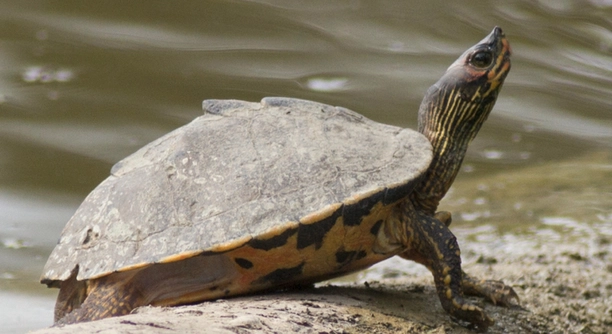
An Indian Roofed Tortoise can easily flip over, which may cause stress and harm. It is important to understand why this happens and how you can prevent it from happening in the future.
To stop your Indian Roofed Tortoise from flipping over, ensure that its enclosure is free of obstacles that may cause imbalance. Additionally, providing surfaces with gentle slopes and corners instead of sharp angles will help maintain its stability.
By taking these steps, you can ensure that your tortoise remains safe and comfortable. This will allow you to enjoy watching your pet thrive in its environment.
Understanding the Causes of Tortoise Flipping
Indian Roofed Tortoises often flip over due to their natural curiosity and the way they explore their surroundings. They may accidentally tip over when climbing on uneven surfaces or when their enclosures contain obstacles such as sharp corners or tall objects. Tortoises are not designed to quickly right themselves once flipped. Their body structure, with a heavy shell and short legs, makes it difficult for them to regain balance. Over time, this can lead to stress and physical harm if it happens repeatedly. The environment you create for them plays a major role in preventing these accidents.
Creating a safer space by using low, flat surfaces allows your tortoise to explore without the risk of flipping. Removing objects that could tip over or create imbalance is key to reducing these incidents. Ensuring their living area is smooth and simple can help them thrive without constant worry of getting stuck.
Tortoises are creatures of habit and prefer stability. By adjusting their environment to be more forgiving and less prone to accidents, you can prevent the need for constant monitoring. This approach minimizes stress and promotes better overall health.
Making Adjustments to the Enclosure
Adjusting the size and layout of your tortoise’s enclosure is a straightforward method of reducing accidents. Keep in mind that the more cluttered or confined the space, the more likely they are to tip over while moving.
When setting up the enclosure, avoid placing objects like rocks or logs at awkward angles. A smoother surface will reduce the chances of your tortoise flipping over as it moves about. Simple adjustments like these will create a safer, more comfortable home for your pet, reducing the stress of potential injuries.
The Importance of Proper Lighting
Proper lighting is essential for the overall health of your Indian Roofed Tortoise. They rely on natural sunlight or UVB lighting to regulate their metabolism, helping them digest food and absorb calcium for strong bones and shells.
Without sufficient UVB lighting, tortoises can suffer from metabolic bone disease and other health issues. It’s important to position their lighting source correctly within their enclosure, ensuring they receive exposure to the right amount of light each day. Placing a UVB bulb overhead for 10-12 hours will mimic natural sunlight and help support your tortoise’s well-being.
In addition to UVB, the temperature in the enclosure must also be carefully controlled. Tortoises need a basking spot where the temperature is slightly higher, around 85-90°F, to aid digestion. Providing areas of both heat and shade allows your tortoise to regulate its body temperature effectively, ensuring that it stays comfortable and healthy.
The Right Substrate for Comfort
Choosing the right substrate for your tortoise’s enclosure can help prevent flipping. Avoid substrates that can create uneven surfaces, such as loose gravel or large chunks of wood. Instead, opt for something soft and easy to navigate.
Coconut coir, grass hay, or a mixture of sand and soil are ideal choices. These substrates not only create a stable environment but also allow your tortoise to burrow and feel secure. A proper substrate helps retain humidity levels, which is important for their skin and overall comfort. Ensure that the substrate is kept clean and dry to prevent mold growth or other issues.
The surface should be easy to maintain and change regularly. Keeping the area free from droppings and food scraps helps prevent the buildup of bacteria, ensuring that your tortoise stays healthy. A clean environment also reduces the chances of infections that can arise from a messy living space.
Regular Monitoring and Observation
Regularly monitoring your tortoise’s behavior can help prevent flipping accidents. Watch for signs of difficulty moving or unusual positions that may indicate an issue with its environment. Early detection is crucial.
By keeping an eye on how your tortoise interacts with its space, you can make adjustments before an accident occurs. It’s also important to check for any physical abnormalities caused by previous flipping incidents, such as shell damage or stress. Monitoring their behavior helps ensure their health and safety.
The Role of Proper Feeding Practices
Proper feeding habits are important to ensure your tortoise remains healthy and active. An unhealthy or malnourished tortoise is more likely to struggle with movement and may be more prone to flipping.
Offer a balanced diet that includes leafy greens, vegetables, and occasional fruits. A healthy tortoise with proper nutrition will be stronger, helping it to move more confidently around its enclosure. Ensure that fresh food and clean water are always available to encourage healthy feeding habits, reducing the risk of injury from weak movements.
Avoiding Stressful Environments
Stress is a significant factor in the behavior of your tortoise. An overly loud or chaotic environment can cause your pet to act out or become disoriented. Keep the surroundings calm and quiet to help your tortoise feel at ease.
Loud noises or sudden movements can startle your tortoise, leading to erratic behavior. It’s also helpful to keep other pets or animals away from its enclosure to reduce anxiety. A peaceful and stable environment encourages your tortoise to explore in a more controlled and steady manner.
FAQ
Why does my Indian Roofed Tortoise flip over?
Indian Roofed Tortoises can flip over due to their natural curiosity, exploring their environment by climbing or attempting to navigate uneven surfaces. If the enclosure contains sharp corners or high objects, this increases the risk of tipping. Their body shape, with a heavy shell and short legs, makes it difficult for them to right themselves once flipped.
What are the signs my tortoise is stressed?
Signs of stress in tortoises include erratic movements, excessive hiding, refusal to eat, or sudden aggression. If your tortoise consistently flips over or struggles to move, it could be a sign of stress or an environment that isn’t ideal. Stress can also manifest through lethargy, changes in behavior, or a refusal to bask under UVB lights.
How can I prevent my tortoise from flipping over?
To prevent your tortoise from flipping over, make sure the enclosure is free from obstacles like tall objects, sharp corners, or uneven surfaces. Provide smooth, flat areas where your tortoise can move freely. You should also ensure the space is large enough to allow for comfortable movement without the risk of tumbling over. Keeping the habitat clean and secure is essential for the tortoise’s safety.
Is it okay if my tortoise flips over occasionally?
It’s normal for tortoises to occasionally flip, but frequent flipping can be dangerous. It’s essential to address the root cause of the problem, such as an unstable environment or improper layout. Frequent flipping can lead to injury or stress, and repeated incidents might affect your tortoise’s health over time.
Can I help my tortoise if it flips over?
If your tortoise flips over, gently assist it in turning back onto its feet. Be careful not to handle it too roughly, as their shell is sensitive. After helping them, check the enclosure for any hazards that could be contributing to the issue and make adjustments to prevent further flipping.
What should I do if my tortoise is flipping over a lot?
If your tortoise flips over regularly, it’s important to reassess the layout of its enclosure. Remove any items that could pose a risk, like high platforms, unstable decorations, or sharp edges. Additionally, consider altering the substrate to make it more stable and easier for your tortoise to navigate. Providing more space and keeping the environment calm can help reduce flipping.
How often should I check my tortoise’s environment?
You should check your tortoise’s environment regularly, at least once a week, for any changes that could impact their safety and comfort. Make sure the substrate remains dry and clean, and inspect any decorations or objects for stability. A thorough check ensures there are no hidden hazards that could lead to flipping or other injuries.
Can a flipped tortoise injure itself?
Yes, a flipped tortoise can suffer injuries such as bruising or shell damage. In rare cases, frequent flipping can lead to stress, dehydration, or digestive issues if the tortoise is unable to access food or water properly. Always monitor the situation closely and adjust the environment to reduce the risk.
How can I make my tortoise’s enclosure safer?
To make your tortoise’s enclosure safer, focus on creating a flat, stable environment with no sharp objects or uneven surfaces. Use a soft, natural substrate like coconut coir or grass hay. Keep decorations low and secure to prevent the tortoise from accidentally knocking them over. Regular cleaning and monitoring for safety hazards are also essential.
Should I worry if my tortoise seems to be flipping over less?
If your tortoise has started flipping over less, it’s a sign that the environment is becoming more comfortable and stable. This is a positive sign, but continue monitoring the enclosure for any changes that might still pose a risk. A gradual improvement in behavior shows that your efforts to reduce flipping are working.
What are some common mistakes that cause tortoises to flip over?
Common mistakes include using unsuitable substrate, placing objects in the enclosure that are too high or unstable, or keeping the habitat too small for the tortoise to move around comfortably. Additionally, failure to monitor the tortoise’s behavior and environment can lead to unnoticed hazards that increase the risk of flipping.
Can flipping cause long-term health problems?
Frequent flipping can lead to long-term health issues, particularly if it causes physical damage to the shell or if it results in repeated stress. Over time, stress can weaken the tortoise’s immune system, making it more susceptible to illnesses. Ensuring that the tortoise’s environment is secure and stable is key to avoiding these issues.
Can my tortoise right itself if it flips over?
Tortoises generally cannot right themselves if they flip over, especially if they are in a confined or uneven space. Their shell is heavy, and their short legs make it difficult for them to regain balance. If they are unable to do so on their own, they will need your assistance.
How can I create an environment that reduces flipping accidents?
Create a safe environment by using low, stable surfaces, and avoiding high objects or obstacles that could tip over. Ensure the substrate is even and easy for your tortoise to walk on. Keep the habitat simple, spacious, and free from excessive clutter to minimize the chance of flipping accidents.
Are there any tools to help prevent flipping?
There are no specific tools designed to prevent tortoise flipping, but providing a well-designed enclosure with flat, stable surfaces is key. Additionally, using ramps instead of steep slopes and ensuring all objects are securely in place will help reduce the risk.
Can a flipped tortoise recover from injuries?
If your tortoise sustains minor injuries from flipping, such as bruises or scratches, they will likely recover with time. However, if the injuries are more serious, such as cracks in the shell, veterinary care may be necessary. Quick intervention can help prevent further complications.
Should I remove objects from my tortoise’s enclosure?
Not all objects need to be removed, but be mindful of the stability of the items you place in the enclosure. Rocks, logs, or decorations should be stable and low to prevent flipping. Additionally, avoid creating narrow or uneven spaces where the tortoise may get stuck or struggle to move.
Final Thoughts
Taking the necessary steps to prevent your Indian Roofed Tortoise from flipping over is essential for its well-being. The right enclosure setup can make a huge difference. By ensuring that the space is large, stable, and free from obstacles that might cause the tortoise to tip over, you can significantly reduce the chances of accidents. A well-designed habitat is key to providing a safe and comfortable environment for your pet, allowing it to move around freely and explore without risk of injury.
Another important factor is your active involvement in monitoring the tortoise’s behavior and environment. Regular checks on the enclosure, along with adjustments as needed, will help maintain safety. This includes checking for any wear and tear that could make surfaces uneven or unstable. Over time, you may notice that your tortoise is less likely to flip over as it becomes more accustomed to its environment. This is a positive outcome, showing that your efforts are paying off in creating a secure home. It is also essential to provide enough space for the tortoise to roam, as confinement in too small of an area can increase stress and accidents.
In summary, ensuring your tortoise’s safety involves a combination of a well-organized, hazard-free habitat and careful monitoring. While occasional flipping may happen, frequent incidents should be addressed immediately to avoid potential health risks or injuries. By focusing on the stability of your tortoise’s environment, you can help provide it with a safe and happy life.

Hello,
If you enjoy the content that we create, please consider saying a "Thank You!" by leaving a tip.
Every little bit helps us continue crafting quality advice that supports the health, happiness, and well-being of pets around the world, for pets of all shapes, sizes, and species.
We really appreciate the kindness and support that you show us!