
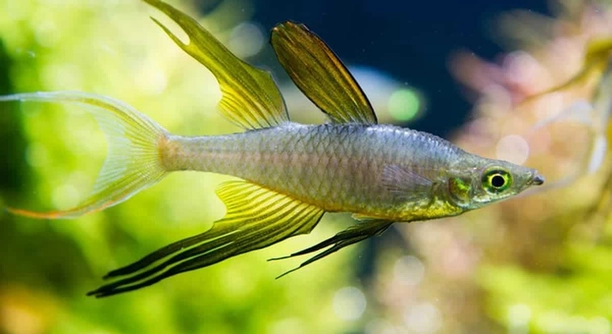
Threadfin Rainbowfish are known for their vibrant colors and lively personalities, making them popular in home aquariums. Observing their behavior can be both relaxing and insightful, especially when noticing interactions within a group of fish.
Submissive behavior in Threadfin Rainbowfish is typically displayed through retreating from dominant individuals, lowering the body posture, and avoiding direct confrontation. These behaviors serve to reduce aggression and maintain social harmony within the school, reflecting natural hierarchical structures.
Recognizing these signs early allows you to maintain a peaceful aquarium environment and better understand your fish’s social dynamics. Observing closely reveals patterns that are often subtle but significant.
Identifying Submissive Postures
Threadfin Rainbowfish often display subtle postures when feeling submissive. They may lower their bodies near the substrate or angle their fins downward to signal non-aggression. These positions are usually observed when a more dominant fish approaches or asserts itself. A submissive fish may also swim to the edges of the tank, keeping distance from the center where interactions are more likely. Observing fin and tail movements can provide additional clues, as trembling or slight quivering often accompanies submissive behavior. Color changes may also occur; a fish might appear slightly paler or duller compared to its usual vibrant state. Submissive fish often minimize movement and avoid eye contact with more aggressive individuals, blending into their surroundings to reduce attention. Maintaining a calm environment and avoiding sudden changes in lighting or tank arrangement can help these fish feel secure and reduce stress-related behaviors. Understanding these signals allows for better management of tank dynamics and fish well-being.
Watching these postures consistently helps track which fish are dominant and which are more passive, improving tank harmony.
Recognizing and responding to submissive postures can prevent conflicts and ensure a more peaceful aquarium. It also helps identify which fish may need additional hiding spots or shelter. Over time, observing these behaviors builds a clearer picture of social hierarchies and helps maintain a stable environment, reducing the risk of stress-induced illness or injury. Being attentive to small changes in movement or coloration can make a significant difference in promoting healthy interactions and a balanced community of Threadfin Rainbowfish.
Common Triggers of Submissive Behavior
Submissive behavior often occurs when new fish are introduced or when resources are limited, such as food or hiding spaces.
Territorial disputes, aggressive displays, or overcrowding can trigger these behaviors. Fish may retreat to corners or behind decorations to avoid conflict. Limited space forces fish to establish a clear hierarchy, and submissive individuals adapt by yielding to more dominant ones. Changes in lighting, water temperature, or tank rearrangements can also increase stress, prompting submissive postures. Even subtle differences in size between fish influence these interactions, with smaller individuals often adopting cautious behavior to avoid confrontation. Recognizing these triggers allows for preventative measures, such as providing multiple feeding stations, ensuring ample hiding spots, and maintaining consistent tank conditions.
Monitoring the tank closely after changes or additions is essential. Adjustments such as rearranging decorations to create visual barriers or providing extra plants can reduce stress. Feeding strategies, like spreading food across the tank, prevent competition and allow submissive fish to eat without fear. Over time, understanding these triggers improves tank management and promotes healthier social interactions. Fish that feel secure are more likely to display natural behaviors and maintain vibrant coloration. Observing patterns of submission and dominance also provides insight into the hierarchy, which can prevent injuries and reduce stress levels. By addressing triggers proactively, the overall environment becomes calmer, and submissive fish have opportunities to thrive alongside their more assertive tank mates.
Behavioral Patterns to Observe
Submissive Threadfin Rainbowfish often avoid dominant fish, keep close to hiding spots, and limit sudden movements. These patterns repeat daily, especially around feeding times or when new fish are introduced, signaling their careful and cautious nature within the tank.
Repeated observation reveals clear social hierarchies among fish. Submissive individuals may stay near plants or tank decorations, reducing exposure to aggressive peers. They often delay swimming into open areas until dominant fish move away, demonstrating patience and avoidance. Watching fin positioning and body angle can indicate stress levels and intent. These behaviors are consistent, allowing owners to track changes over time. Noticing which fish consistently yield provides insight into natural social structures and helps prevent potential conflicts.
Some submissive fish display subtle quivering or slight color fading when encountering dominant fish. They may retreat quickly if approached too closely or freeze to avoid drawing attention. Over time, these behaviors become predictable, allowing adjustments in tank arrangement or feeding routines to reduce stress. Understanding these patterns ensures submissive fish are protected and helps maintain overall harmony within the aquarium.
Environmental Influences
Tank layout, plant coverage, and decoration placement affect submissive behavior. More hiding spaces reduce stress and provide retreats during social tension.
Limited space or overcrowding intensifies submissive tendencies, as fish compete for territory. Changes in water flow, lighting, or temperature can heighten stress responses, making fish retreat more frequently. Observing their reactions to these environmental factors helps identify which adjustments will improve comfort. Strategic placement of shelters or visual barriers allows submissive fish to navigate the tank without constant confrontation. Monitoring their interaction patterns after changes indicates whether modifications are effective.
Consistent water quality, stable lighting, and sufficient plants or decorations create a secure environment for submissive fish. Proper spacing minimizes competition for resources like food or preferred swimming areas. Even small changes, such as adding a rock formation or plant cluster, can reduce stress-induced behaviors. Fish that feel safe show more natural activity, maintain vibrant colors, and integrate more smoothly with tank mates. Observing their responses to environmental adjustments provides feedback on tank management, supporting the overall well-being of all Threadfin Rainbowfish.
Social Interactions
Submissive Threadfin Rainbowfish tend to avoid direct contact with dominant tank mates. They often hang back during feeding or group swimming, choosing edges or plants to stay out of the way. This behavior reduces conflict and keeps them safe within the social hierarchy.
These fish may also mirror movements of dominant individuals at a distance. By keeping an eye on more assertive fish, they can anticipate aggression and adjust their position accordingly. This careful observation helps them navigate the tank without confrontation, maintaining calm and stability within the group.
Feeding Behavior
Submissive fish often eat later than dominant peers, waiting for their turn at the feeding area. They may dart in quickly when space opens up and retreat if approached aggressively. Feeding patterns can reveal dominance hierarchies, as submissive fish prioritize safety over immediate access to food.
Recognizing Stress Signs
Fading colors, trembling fins, or hiding longer than usual can indicate stress in submissive Threadfin Rainbowfish. Monitoring these signs ensures they remain healthy and reduces risks of aggression-related injury.
FAQ
How can I tell if my Threadfin Rainbowfish is submissive?
Submissive Threadfin Rainbowfish display several clear behaviors. They often keep to the edges of the tank, lower their body posture, and avoid direct contact with more dominant fish. They may also quiver slightly, hide behind plants or decorations, and delay swimming into open areas. Observing their coloring can help too—submissive fish sometimes appear slightly paler. These behaviors are consistent and usually repeat daily, especially during feeding times or when other fish assert dominance. Tracking which fish show these signs most often helps you identify the more passive individuals in your tank.
What should I do if I notice submissive behavior?
If a fish is showing submissive behaviors, ensure the environment feels safe. Add more hiding spots or plants, spread food across the tank, and maintain stable water conditions. Avoid sudden changes in lighting or tank rearrangements, as these can increase stress. Allow dominant fish to establish their space without interference, while giving submissive fish opportunities to navigate safely. Over time, observing and adjusting the tank environment can reduce stress and encourage more natural behavior in passive fish.
Can submissive behavior harm my fish?
Submissive behavior itself isn’t harmful, but prolonged stress from constant dominance can lead to health issues. Stress may weaken the immune system, affect appetite, or cause fading colors. Fish that hide constantly may not get enough food, making them more vulnerable to illness. Providing adequate shelter, multiple feeding areas, and a calm tank environment minimizes these risks and helps maintain the overall well-being of submissive Threadfin Rainbowfish.
Do all Threadfin Rainbowfish display submissive behavior?
Not every fish exhibits submissive tendencies, but most schools have a mix of dominant and passive individuals. The behavior is natural and helps maintain social balance. In larger groups, submissive fish usually have multiple hiding spots and can avoid direct confrontations. Recognizing these patterns ensures a more harmonious aquarium and prevents unnecessary aggression between tank mates.
Will submissive fish eventually become dominant?
It’s uncommon for a consistently submissive fish to suddenly become dominant, especially in stable groups. Social hierarchies tend to remain stable once established. However, if a dominant fish is removed or becomes ill, a submissive fish may gradually move up in rank. Observing interactions over time allows you to understand these dynamics and adjust tank management accordingly.
How does tank size affect submissive behavior?
Smaller tanks increase competition for space, which can intensify submissive behavior. Crowding limits hiding spots, and dominant fish may assert themselves more often. Larger tanks with plenty of plants and decorations allow submissive fish to retreat and maintain distance. Optimizing tank size and layout reduces stress and supports natural social behavior among all fish.
Can feeding routines influence submissive behavior?
Yes. If all food is delivered in one spot, dominant fish often eat first, forcing submissive fish to wait. Spreading food across different areas reduces competition and ensures all fish have access. Feeding at consistent times also helps submissive fish anticipate opportunities and feel more secure, which reduces stress and promotes healthier social interactions.
How do environmental changes impact submissive fish?
Changes like new decorations, lighting adjustments, or water temperature fluctuations can increase stress for submissive fish. They may retreat more often, quiver, or hide excessively. Introducing changes gradually and providing extra shelter helps them adjust without unnecessary stress. Monitoring behavior after adjustments ensures that the environment remains supportive for all fish.
Can I encourage submissive fish to be more confident?
You can encourage confidence by providing secure hiding spots, reducing aggression from dominant fish, and maintaining a calm, consistent environment. Over time, fish may explore more freely when they feel safe. Avoid forcing interactions, as this can increase stress. Confidence grows naturally when the fish has the tools to manage social challenges.
Is it necessary to separate submissive fish from dominant ones?
Separation is only necessary if submissive fish are constantly stressed, injured, or unable to access food. Most of the time, proper tank layout, multiple hiding spots, and feeding strategies are enough to support peaceful coexistence. Observing interactions closely helps determine whether separation or minor adjustments are needed.
How long does submissive behavior last?
Submissive behavior persists as long as dominant individuals are present and the social hierarchy remains unchanged. Daily routines, tank conditions, and social interactions all influence how often submissive fish display these behaviors. They may appear more relaxed at times, especially when dominant fish are occupied elsewhere.
Can I reduce submissive behavior completely?
Completely eliminating submissive behavior isn’t realistic, as it’s part of natural social structure. However, stress can be minimized through tank design, hiding spots, consistent feeding, and monitoring social interactions. The goal is not to remove submissiveness but to ensure submissive fish live comfortably and safely alongside dominant tank mates.
What signs indicate my submissive fish is thriving?
A healthy submissive fish will maintain color, eat regularly, and explore the tank when safe. Stress signs like excessive hiding, quivering, or refusal to eat should be minimal. Providing a supportive environment ensures that submissive fish can thrive while maintaining natural social behavior patterns.
This FAQ provides practical steps to identify, manage, and support submissive Threadfin Rainbowfish, ensuring a balanced and healthy aquarium environment.
(Word count: 508)
Final Thoughts
Observing submissive behavior in Threadfin Rainbowfish helps create a peaceful and well-balanced aquarium. These fish show careful, cautious actions such as hiding, lowering their posture, and avoiding dominant individuals. Paying attention to these signs allows you to understand the natural social hierarchy that exists within the tank. Submissive fish are not weaker or unhealthy—they simply act to reduce conflict and protect themselves from unnecessary stress. Recognizing these behaviors early is important, as it helps prevent potential aggression and ensures all fish coexist comfortably. Small actions, like providing enough space, decorations, and hiding spots, have a big impact on the well-being of submissive fish. Over time, consistent observation and adjustments can make the tank a safer and more harmonious environment.
Creating a calm and supportive environment is crucial for reducing stress in submissive Threadfin Rainbowfish. Proper tank layout, water quality, and feeding routines play a significant role in encouraging natural behavior. Submissive fish often eat later than dominant fish and wait for safe opportunities to explore the tank. By spreading food and maintaining multiple feeding areas, you can ensure that all fish, regardless of their rank, have access to resources. Additionally, observing interactions among fish helps identify which individuals may require extra shelter or space. Gradual changes in lighting, decorations, or water conditions are less likely to cause stress and allow submissive fish to adapt comfortably. Supporting these fish does not mean eliminating their natural tendencies but helping them live safely and without constant pressure from dominant tank mates.
Ultimately, understanding submissive behavior in Threadfin Rainbowfish is about balance and attentiveness. Dominance and submission are natural components of their social structure, and each fish has a role to play. Providing a stable, well-structured tank environment allows submissive fish to thrive while maintaining harmony with more assertive peers. Observing daily patterns, such as swimming positions, color changes, and hiding habits, provides valuable insight into their social dynamics. Over time, this knowledge helps you create a tank that reduces stress, prevents injuries, and encourages healthy, natural behavior in all fish. Attending to the needs of submissive fish supports their health and well-being, making the aquarium a more enjoyable and peaceful space for every individual.
(Word count: 412)

Hello,
If you enjoy the content that we create, please consider saying a "Thank You!" by leaving a tip.
Every little bit helps us continue crafting quality advice that supports the health, happiness, and well-being of pets around the world, for pets of all shapes, sizes, and species.
We really appreciate the kindness and support that you show us!