
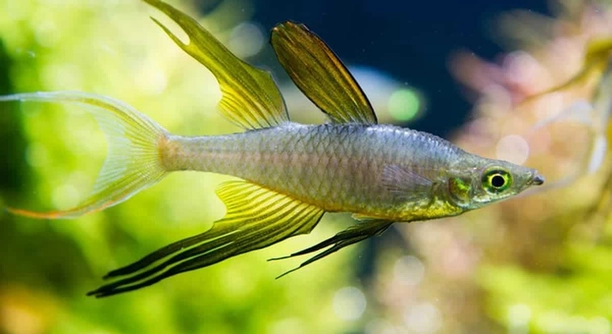
Have you ever tried setting up a peaceful community aquarium but wondered how different fish would get along? Threadfins are graceful swimmers, and barbs are active and lively, making their compatibility a frequent concern for hobbyists.
Threadfins can generally be kept with peaceful barbs if the tank is spacious and well-decorated. Proper monitoring and maintaining stable water conditions help minimize stress, ensuring both species coexist without aggressive behaviors or territorial disputes.
Keeping these fish together requires attention to detail, tank layout, and proper care, which can make your aquarium both harmonious and visually appealing.
Understanding Threadfin Behavior
Threadfins are calm, schooling fish that prefer open spaces and gentle water currents. They move in groups and rely on swimming freely to feel secure. In a community tank, they usually avoid confrontations, but they are sensitive to sudden changes or aggressive tankmates. Barbs, even peaceful species, are more active and sometimes nippy, which can stress threadfins if the tank is too small or crowded. Providing plants, hiding spots, and open swimming areas helps reduce tension between species. Observing their daily interactions can give insight into their comfort levels and highlight if adjustments are needed. Threadfins feed from the water column, so ensuring proper food distribution prevents competition. Water quality is also critical, as these fish are prone to stress if parameters fluctuate. By understanding their behavior, you can set up a tank environment that respects both species’ natural tendencies and keeps the aquarium peaceful, active, and visually appealing.
Threadfins show calmer behavior in groups, and adding enough space reduces stress when paired with active barbs.
A well-planned tank layout is essential. Using floating plants and mid-level cover gives threadfins safe zones. Barbs enjoy swimming through open areas, so maintaining a balance between shelter and free space is important. Regular feeding schedules and monitoring water quality ensure that neither species suffers from stress or aggression. Paying attention to their interactions over time helps identify minor adjustments, such as rearranging décor or adding more plants, to support harmony.
Feeding and Care Tips
Proper feeding ensures both species remain healthy without conflict.
Threadfins and barbs have different diets but can coexist if feeding routines are managed. Threadfins prefer small, live, or frozen foods, while peaceful barbs eat flake or pellet foods. Feeding in multiple areas reduces competition. Monitoring water quality during feeding times prevents uneaten food from polluting the tank. Maintaining stable temperature and pH levels supports overall health. Regular observation allows early detection of any signs of stress or illness. Keeping the tank clean and well-oxygenated further promotes harmony between threadfins and barbs. Overfeeding or underfeeding can create aggression or stress, so attention to quantity and frequency is crucial.
Balancing diet, monitoring behavior, and maintaining clean water are key steps to ensuring peaceful coexistence in a community tank.
Consistent care routines make a significant difference. Threadfins and barbs thrive in a well-maintained environment where food, space, and water conditions are predictable. Adjusting feeding schedules and tank décor over time keeps both species comfortable. Observation allows subtle changes, such as adding more plants or rearranging rocks, to prevent stress. Regular water testing, partial water changes, and removing uneaten food prevent illness and promote a stable ecosystem. Understanding each species’ preferences for space, hiding spots, and swimming areas minimizes competition. Even small measures, like using separate feeding zones or floating feeders, can reduce conflict. By investing consistent attention into feeding, care, and tank management, you create a sustainable and peaceful community aquarium that supports the natural behavior of threadfins and barbs while maintaining a visually appealing and active environment for everyone in the tank.
Tank Setup Considerations
A spacious tank with plenty of hiding spots is essential. Open swimming areas reduce stress, and decorations should be arranged to provide both cover and clear lines of sight for threadfins and barbs.
Threadfins need mid- to upper-level swimming space, while barbs are more active and occupy different areas of the tank. Using plants, rocks, and driftwood strategically creates zones that minimize confrontations. Avoid overcrowding, as too many fish increase stress and aggression. Proper filtration and water movement help maintain stable conditions. Regular monitoring of interactions allows adjustments in décor or stocking to keep harmony. By planning the tank layout carefully, both species can thrive and display natural behaviors without unnecessary stress.
Lighting and substrate also play roles in tank comfort. Soft, moderate lighting mimics natural environments, while sand or fine gravel is gentle on threadfins’ delicate fins.
Choosing Compatible Barbs
Peaceful barbs such as cherry or gold barbs work best with threadfins. Aggressive or large barbs should be avoided to prevent stress.
Keeping barbs that are too boisterous can lead to nipping or chasing, which threadfins do not tolerate well. Selecting smaller, calmer species reduces conflict and encourages peaceful coexistence. Grouping barbs in schools of at least six spreads out activity and prevents targeting threadfins. Monitoring behavior regularly ensures that any signs of stress or aggression are addressed promptly. Introducing barbs gradually to a well-established tank gives threadfins time to adjust and establish safe zones. Proper selection and careful observation allow both species to live harmoniously.
Barb diet and feeding behavior should be considered. Feeding in multiple locations prevents competition and ensures threadfins get their share of food. Regular water checks and tank maintenance support a balanced environment. Adjusting decorations or adding plants can further reduce tension and create natural boundaries. A careful approach to species selection, feeding, and tank management ensures that peaceful barbs and threadfins coexist comfortably without stress or health issues, making the aquarium visually appealing and lively.
Water Parameters
Stable water conditions are critical for both threadfins and peaceful barbs. Maintaining temperature, pH, and hardness within recommended ranges prevents stress and promotes healthy behavior.
Regular testing and small, consistent water changes help sustain balance. Sudden fluctuations can trigger aggression or illness, so monitoring parameters is essential for a peaceful tank environment.
Monitoring Behavior
Observing interactions daily helps detect early signs of stress. Look for chasing, fin nipping, or hiding, which may indicate tension.
Intervening early, such as adjusting tank décor or adding more hiding spots, can prevent serious conflicts. Keeping notes on behavior patterns helps manage long-term harmony.
Breeding Considerations
Threadfins may become more sensitive during breeding periods. Extra space and privacy reduce stress and protect fry from active barbs.
Providing separate breeding areas or adding dense plant cover ensures that young fish have a chance to grow safely without interference from more active tankmates.
FAQ
Can threadfins live peacefully with all types of barbs?
Threadfins generally do well with smaller, calmer barbs such as cherry or gold barbs. Avoid large or aggressive species, like tiger barbs, because they may nip fins or chase threadfins, causing stress or injury. Careful species selection ensures a harmonious tank.
How many threadfins should I keep together?
Threadfins are schooling fish and feel safer in groups of at least four to six. Keeping them in small groups allows them to display natural swimming behavior and reduces stress, especially when paired with active barbs.
What tank size is ideal for keeping threadfins and peaceful barbs together?
A minimum tank size of 55 gallons is recommended. This provides enough swimming space for threadfins and allows barbs to move actively without crowding. Larger tanks offer better separation of zones and reduce the risk of conflicts.
How do I arrange decorations to prevent stress?
Use plants, rocks, and driftwood to create hiding spots for threadfins and open swimming paths for barbs. Floating plants provide cover without blocking movement. Avoid cluttering the tank, as overcrowding can lead to tension and aggressive behavior.
What should I feed threadfins and barbs in a shared tank?
Feed threadfins small live or frozen foods, like brine shrimp or daphnia, while barbs accept flakes or pellets. Distribute food in multiple areas to prevent competition. Monitoring feeding ensures all fish get adequate nutrition without stress.
How often should I test water parameters?
Test water at least once a week for temperature, pH, ammonia, nitrites, and nitrates. Threadfins are sensitive to fluctuations, and stable conditions prevent illness and aggression. Regular water changes help maintain a balanced environment.
Can threadfins get stressed by overly active barbs?
Yes, threadfins are calm swimmers and may become stressed if barbs chase them or compete for space. Providing ample room, hiding spots, and sufficient schooling partners helps threadfins feel secure while coexisting with lively barbs.
Do breeding threadfins need a separate tank?
It is recommended. Threadfins become more sensitive during breeding, and fry are vulnerable to active barbs. A separate breeding area or heavily planted section increases survival rates and reduces stress for both parents and young.
How can I tell if my fish are stressed?
Signs include hiding, clamped fins, loss of appetite, or erratic swimming. Early detection allows you to adjust tank conditions, rearrange decorations, or separate fish if necessary to restore peace and reduce stress.
Is it necessary to school barbs as well?
Yes, barbs feel more comfortable in groups of six or more. Schooling spreads activity, reduces nipping, and helps maintain balance in the tank. Proper schooling supports peaceful coexistence with threadfins and enhances natural behavior.
Can I mix threadfins with other peaceful fish besides barbs?
Threadfins can coexist with other calm, non-aggressive species, such as rasboras or tetras. Avoid fin-nipping or overly active species. Observing behavior and providing space for each species ensures long-term harmony in a mixed community aquarium.
How do I prevent competition for food?
Feed at multiple locations and use sinking or floating foods suitable for each species. Watch feeding times and adjust quantities to ensure all fish eat adequately without stress or dominance struggles.
Do water flow and current affect compatibility?
Yes, threadfins prefer gentle currents, while some barbs enjoy moderate activity. Adjust filter output to balance movement. Too strong a current can exhaust threadfins or increase stress, while too little may reduce barb activity.
How can I encourage peaceful interaction?
Provide proper schooling groups, enough swimming space, and hiding spots. Keep both species well-fed, maintain stable water conditions, and monitor behavior. Gradual introductions and careful tank arrangement foster calm, cooperative interactions.
How often should I rearrange the tank?
Minor adjustments can help prevent boredom or territorial disputes. However, frequent changes may stress threadfins. Rearrange only when needed to improve hiding spots, swimming areas, or during behavioral observation.
Can barbs and threadfins recognize each other over time?
Yes, fish can become accustomed to their tankmates. Threadfins learn safe zones, and barbs adjust activity to avoid persistent conflict. Consistency in care, feeding, and tank layout supports peaceful long-term coexistence.
Are there health concerns unique to mixed tanks?
Stress from aggressive or crowded conditions can weaken immune systems. Uneaten food can increase ammonia, affecting both species. Maintaining cleanliness, water quality, and proper feeding prevents illness and supports healthy interaction.
How do I introduce new barbs to a tank with threadfins?
Quarantine new barbs first, then introduce them gradually. Monitor behavior closely, and provide extra hiding spots. Slow acclimation helps threadfins adjust and reduces the risk of initial aggression or stress.
What is the ideal temperature range for both species?
Maintain 74–80°F (23–27°C) for both threadfins and peaceful barbs. Consistent temperature prevents stress, encourages natural behavior, and supports healthy metabolism and immune function.
How do I balance lighting for both species?
Moderate, consistent lighting benefits both threadfins and barbs. Avoid overly bright lights that may stress threadfins or trigger excessive activity in barbs. Floating plants can diffuse light and create shaded areas for comfort.
How long does it take for threadfins and barbs to settle together?
Acclimation can take a few days to weeks. Monitoring interactions and providing sufficient space and hiding spots speeds adjustment. Patience and observation ensure long-term peace and balanced behavior.
Can I keep other bottom-dwelling fish with threadfins and barbs?
Yes, species like Corydoras catfish or loaches can coexist, as they occupy different tank levels. Ensure compatible water parameters and monitor behavior to prevent competition or accidental stress.
How do I manage aggression if it occurs?
Separate aggressive fish temporarily or adjust tank décor to break line-of-sight. Increasing space and adding hiding spots reduces tension. Consistent care and monitoring prevent escalation and protect threadfins from harm.
What signs show that tank harmony is successful?
Calm swimming, consistent feeding, minimal chasing, and healthy appearance indicate successful coexistence. Both species should display natural behaviors, with threadfins schooling peacefully and barbs active but non-aggressive.
Is breeding success affected by mixed species?
Yes, stress from active tankmates can reduce breeding or fry survival. Providing a safe, private area increases success. Dense plants or breeding tanks protect young fish and give parents a calm environment.
Can I change tankmates over time?
Yes, but do so gradually. Introduce new species carefully, maintain proper conditions, and monitor behavior. Sudden changes may stress threadfins or barbs, so patience and preparation are key to preserving harmony.
How do I maintain long-term tank stability?
Regular water changes, monitoring behavior, proper feeding, and routine maintenance support a stable community. Gradual adjustments and careful species management help threadfins and barbs live together peacefully for years.
Are threadfins suitable for beginner aquariums with barbs?
Yes, if careful attention is given to tank size, water parameters, and compatible barbs. With proper setup and monitoring, beginners can maintain a peaceful, visually appealing tank.
What common mistakes should I avoid?
Overcrowding, aggressive barbs, poor water quality, and inconsistent feeding can cause stress or injury. Planning tank layout, selecting compatible species, and maintaining stable conditions prevent problems and promote long-term harmony.
Can I use plants to reduce aggression?
Yes, dense plants provide hiding spots and break line-of-sight, reducing chasing and stress. Floating plants or mid-level cover works well for threadfins while allowing barbs to remain active in open areas.
Is regular observation really necessary?
Yes, daily checks help spot stress, aggression, or illness early. Observing feeding behavior, swimming patterns, and interaction ensures prompt intervention and a peaceful, healthy aquarium environment.
How do I know if the tank is too small?
Signs include constant chasing, stress, or restricted movement. A minimum of 55 gallons is recommended, with larger tanks allowing proper swimming zones, schooling, and personal space for both species.
Are threadfins compatible with other schooling fish?
Yes, calm schooling species like tetras or rasboras work well. Avoid overly active or aggressive species. Proper spacing, hiding spots, and observation maintain peaceful coexistence.
How can I keep both species visually active without conflict?
Provide swimming zones, hiding spots, and balanced schooling groups. Feed appropriately, maintain water quality, and avoid overcrowding. This encourages natural movement and interaction without aggression or stress.
Do seasonal changes affect behavior?
Yes, temperature fluctuations or lighting changes can alter activity levels. Keeping conditions consistent minimizes stress and supports normal behavior, feeding, and breeding cycles.
Can barbs and threadfins share the same feeding schedule?
Yes, if food types and locations are managed. Threadfins need small live or frozen foods, while barbs accept flakes or pellets. Feeding in multiple areas prevents competition and ensures both species eat adequately.
What is the best way to acclimate new fish?
Float the bag in the tank, gradually mix tank water, and release fish slowly. Observation for several days ensures they adjust well without causing stress to existing tankmates.
How do I prevent territorial disputes?
Provide enough space, hiding spots, and visual barriers. Avoid overcrowding and monitor interactions. Proper layout and schooling reduce territorial conflicts and stress for threadfins and barbs.
Can I mix different barb species with threadfins?
Yes, but choose peaceful varieties of similar size. Aggressive or large species can stress threadfins. Gradual introductions and monitoring behavior ensure compatibility.
How do I know when it’s safe to add more fish?
Ensure current fish are calm, water parameters are stable, and space is sufficient. Gradually adding new fish prevents overcrowding and allows smooth adjustment for all species.
What maintenance routines support peaceful coexistence?
Weekly water testing, partial changes, cleaning substrate, checking filtration, and observing behavior support harmony. Adjust decorations, feeding, or schooling groups as needed to maintain balance and reduce stress.
Are there specific plants that help both species feel secure?
Floating plants and tall mid-level plants create shaded areas for threadfins while allowing barbs open swimming space. Hardy plants like java fern or hornwort work well.
How often should I check for signs of aggression?
Daily observation is ideal, especially after adding new fish or rearranging décor. Early detection allows quick intervention and prevents serious conflicts.
Is it necessary to separate injured fish?
Yes, separating injured or stressed fish prevents further harm and allows recovery. Use quarantine tanks if needed to reduce stress and avoid spreading illness.
How do I handle sudden changes in behavior?
Check water parameters, feeding routines, and tank layout. Adjust hiding spots, add schooling partners, or temporarily separate aggressive fish. Prompt action restores calm and reduces stress.
Can stress affect threadfin coloration?
Yes, stressed threadfins may appear duller. Proper tank conditions, calm tankmates, and adequate space help maintain vibrant color and healthy appearance.
What signs indicate a healthy community?
Calm schooling, active swimming, regular feeding, and minimal chasing show balance. Threadfins and barbs displaying natural behaviors without stress indicate successful coexistence.
Do barbs need more exercise than threadfins?
Yes, barbs are more active swimmers. Providing open swimming space and schooling groups helps them expend energy without disturbing calmer threadfins.
How do I manage different feeding speeds?
Feed slower-eating threadfins separately or provide slow-sinking foods in areas away from fast barbs. This ensures all fish receive proper nutrition without stress.
Are certain water filtration types better for mixed tanks?
Moderate flow filters work best, creating gentle currents for threadfins while maintaining oxygenation. Avoid strong currents that exhaust calmer fish or stir excessive debris.
Can temperature swings cause aggression?
Yes, unstable temperatures can stress fish and trigger chasing or fin nipping. Maintaining consistent temperature reduces aggression and supports healthy behavior for both species.
How do I maintain long-term compatibility?
Regular care, proper feeding, stable water parameters, sufficient space, and careful monitoring ensure threadfins and barbs coexist peacefully for years without stress or health issues.
Is overcrowding the main cause of conflict?
Yes, too many fish increase stress, chasing, and aggression. Adequate space, hiding spots, and balanced schooling groups prevent conflicts and support a calm, healthy community.
How important is lighting duration?
Moderate, consistent lighting helps regulate activity and stress levels. Excessive or irregular lighting may overstimulate barbs or cause threadfins to hide excessively. Maintaining 8–10 hours daily works well.
Can I mix juveniles and adults?
Yes, but monitor interactions. Adults may unintentionally stress juveniles. Provide plenty of space and hiding areas to reduce potential conflicts and ensure all fish adjust comfortably.
Does tank shape matter?
Yes, longer tanks offer better swimming zones and allow separation of territories. Avoid tall, narrow tanks that restrict horizontal movement for schooling threadfins and active barbs.
How do I prevent bullying?
Provide multiple hiding spots, maintain schooling groups, and avoid aggressive species. Early intervention, proper feeding, and observing behavior reduce risk of bullying and stress in the tank.
Are seasonal water changes necessary?
Regular partial water changes maintain stable parameters. Seasonal adjustments may help, but consistency is more important than large, infrequent changes, which can stress threadfins and barbs.
What is the best way to introduce plants or décor?
Add them gradually, allowing fish to acclimate. Dense plant areas create safe zones, and open spaces maintain swimming areas. Observe how fish adjust before making additional changes.
How can I reduce fin nipping?
Choose calm barb species, provide space, and include plenty of hiding spots. Feeding in multiple locations also helps reduce competition that can lead to nipping.
Do threadfins prefer specific tank levels?
Yes, they generally swim mid- to upper-levels, while barbs are more active throughout the tank. Proper tank layout accommodates both preferences and reduces tension.
Can I keep other schooling species with barbs and threadfins?
Yes, small, peaceful species like rasboras or tetras work well. Avoid overly active or aggressive fish to prevent stress and competition.
Is gradual introduction better than adding all at once?
Yes, introducing new fish slowly allows threadfins and barbs to adjust, reduces stress, and prevents immediate conflict. Careful observation ensures a peaceful environment.
How do I handle sudden tank disturbances?
Minimize sudden changes like loud noises or rapid water adjustments. Provide hiding spots and maintain calm conditions to reduce stress and prevent aggressive behavior.
Can water hardness affect behavior?
Yes, sudden changes in hardness can stress fish. Keep parameters stable within recommended ranges to ensure normal activity and peaceful interactions between threadfins and barbs.
Are artificial or live plants better?
Both work, but live plants improve water quality and provide natural hiding spots. Artificial plants are easier to maintain and can still create safe zones if arranged thoughtfully.
How often should I observe feeding interactions?
Daily observation ensures all fish eat properly and allows early detection of aggression. Adjust feeding locations or schedules as needed to maintain peace.
Do threadfins need more swimming space than barbs?
Yes, they are long-bodied swimmers that prefer open mid- to upper-level areas. Ensuring sufficient space prevents stress and allows natural schooling behavior.
Can I mix juvenile barbs with adult threadfins?
Yes, but monitor for stress. Juveniles may be more active or timid, so providing hiding spots and swimming areas reduces potential conflict.
Is quarantine necessary for new fish?
Yes, quarantining prevents introducing disease and allows gradual acclimation. Observing behavior during quarantine helps predict compatibility with existing fish.
What is the best way to maintain water clarity?
Regular water changes, proper filtration, and removing uneaten food prevent debris buildup. Clear water reduces stress and supports healthy behavior for threadfins and barbs.
How do I know if fish are comfortable?
Calm swimming, regular feeding, natural schooling, and minimal chasing indicate comfort. Threadfins and barbs displaying these behaviors show successful coexistence.
Can I keep both species with snails or shrimp?
Yes, small invertebrates generally coexist peacefully. Monitor interactions, as some barbs may nibble on tiny or slow-moving shrimp. Dense plants provide protection.
Do threadfins need gentle water flow?
Yes, they prefer moderate currents. Too strong a flow can stress them, while barbs tolerate more activity. Balancing filter output keeps both species comfortable.
How do I prevent sudden aggression?
Maintain space, stable water conditions, hiding spots, and proper feeding. Gradual introductions and monitoring behavior minimize sudden aggression between barbs and threadfins.
Are juvenile threadfins more sensitive than adults?
Yes, juveniles are more prone to stress and require gentle tankmates, plenty of cover, and stable water conditions to thrive alongside barbs.
Can feeding times affect behavior?
Yes, competition during feeding can trigger chasing or nipping. Distributing food across the tank and adjusting schedules reduces stress and supports peaceful coexistence.
How do I handle illness in a mixed tank?
Separate sick fish in a quarantine tank, treat appropriately, and maintain clean water. This prevents disease spread and reduces stress for healthy tankmates.
Is schooling behavior important for tank harmony?
Yes, proper schooling reduces aggression, distributes activity, and helps threadfins and barbs feel secure, maintaining a peaceful, balanced aquarium environment.
Can stress affect growth?
Yes, stressed fish may grow slower or fail to reach full size. Proper care, stable water conditions, and compatible tankmates support healthy development.
How do I manage different activity levels?
Provide adequate swimming zones, hiding spots, and balanced schooling groups. Careful feeding and monitoring reduce conflicts between active barbs and calmer threadfins.
Are there seasonal behavioral changes?
Some changes occur with temperature, light, or water adjustments. Maintaining consistent conditions minimizes stress and preserves peaceful interactions.
Do water changes affect behavior?
Gradual, regular water changes improve water quality without shocking fish. Sudden, large changes can stress threadfins and barbs, triggering aggression or hiding.
Can I keep barbs and threadfins with other mid-level swimmers?
Yes, peaceful species like rasboras or danios are compatible. Ensure sufficient space, hiding spots, and monitor interactions to maintain harmony.
How do I prevent territorial disputes among barbs?
Group barbs
Final Thoughts
Keeping threadfins with peaceful barbs can be a rewarding experience when the tank is set up thoughtfully. Both species have different activity levels and swimming preferences, so providing enough space is essential. Threadfins are calm, schooling fish that enjoy mid- to upper-level swimming areas, while peaceful barbs are more active and explore open spaces throughout the tank. Ensuring there is a balance of open swimming areas and hiding spots helps reduce stress and minimizes potential conflicts. Plants, rocks, and driftwood can create natural zones for both species, allowing threadfins to retreat if they feel threatened and giving barbs space to move freely. Even simple measures, like floating plants to diffuse light or arranging décor to break lines of sight, can have a big impact on harmony. Monitoring how each fish interacts over time allows you to make small adjustments as needed, ensuring both species can thrive together.
Feeding routines and water care play a major role in maintaining a peaceful tank. Threadfins prefer small live or frozen foods, while barbs often eat flakes or pellets. Feeding in multiple areas ensures that neither species has to compete aggressively for food, which reduces tension. Regular water testing and partial changes are equally important because both threadfins and barbs are sensitive to fluctuations in water quality. Stable temperature, pH, and water hardness help prevent stress-related issues and promote overall health. Keeping the tank clean, removing uneaten food, and maintaining filtration further supports a balanced environment. Even small details, like monitoring how fish behave during feeding or adjusting water flow to suit both species, make a noticeable difference. Over time, these consistent care practices help both threadfins and barbs feel secure, eat properly, and display natural behavior without unnecessary stress or aggression.
Patience and observation are key to long-term success. Threadfins and barbs can coexist peacefully, but it may take time for all fish to adjust to one another. Introducing new fish gradually, maintaining proper schooling groups, and observing daily behavior can prevent conflicts before they escalate. During breeding periods, threadfins may become more sensitive, so providing dense plant cover or separate breeding zones ensures fry have a safe environment. Choosing compatible barb species and avoiding overly aggressive or large types prevents chronic stress for threadfins. Over months and years, careful attention to tank layout, feeding, and water quality allows a well-balanced community to develop. With proper care, threadfins and peaceful barbs can share the same aquarium, providing both visual appeal and an active, harmonious tank environment that supports the natural tendencies of each species.

Hello,
If you enjoy the content that we create, please consider saying a "Thank You!" by leaving a tip.
Every little bit helps us continue crafting quality advice that supports the health, happiness, and well-being of pets around the world, for pets of all shapes, sizes, and species.
We really appreciate the kindness and support that you show us!