
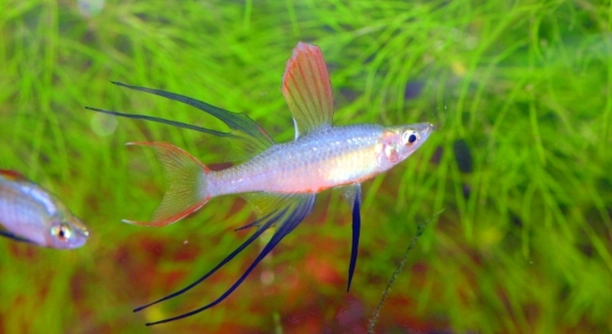
Do you ever find yourself enjoying the colors and activity of your Threadfin Rainbowfish but feeling unsure if your care routine is correct? These lively fish can be sensitive, and small mistakes may affect their well-being.
Avoiding overfeeding, neglecting water quality, and improper tank setups are critical when caring for Threadfin Rainbowfish. Consistent monitoring of water parameters, providing a balanced diet, and maintaining a stable environment prevent stress, illness, and shortened lifespans in these delicate fish.
Understanding these habits will help you create a healthier, happier environment for your rainbowfish and ensure they thrive in your aquarium.
Overfeeding Your Threadfin Rainbowfish
Overfeeding is a common mistake that many fish owners make without realizing the consequences. Threadfin Rainbowfish have small stomachs and cannot process large amounts of food at once. Giving too much food leads to uneaten leftovers, which decay and pollute the tank. Over time, this can cause ammonia spikes and poor water quality, stressing the fish and weakening their immune systems. A proper feeding routine involves offering small amounts two to three times daily, only what they can consume in a few minutes. Observing your fish as they eat helps ensure each one gets enough without overfeeding. Using high-quality flake or pellet food formulated for tropical fish supports their growth and coloration. Live or frozen foods, like brine shrimp, can be added occasionally, but moderation is key. Maintaining a consistent feeding schedule not only prevents water issues but also encourages healthy, natural behavior among your rainbowfish, keeping them active and vibrant.
Feeding small portions at regular intervals is the safest way to maintain healthy fish and clean water conditions.
Overfeeding doesn’t just harm water quality; it can also affect the fish internally. Excess food can cause digestive problems, bloating, and fat accumulation, which may lead to long-term health complications. Fish that overeat often become lethargic, swim less actively, and may lose their vibrant colors. Uneaten food also encourages algae growth, further disrupting the tank’s balance. Monitoring feeding habits carefully ensures each fish receives enough nutrients without overwhelming the aquarium ecosystem. By sticking to precise portion sizes and observing the fish during feeding, you reduce the risk of water contamination and disease outbreaks. Incorporating a mix of dry and occasional live foods provides variety while supporting overall health. It’s essential to remove any leftovers promptly and check water parameters regularly. Clean tanks and proper nutrition go hand in hand, creating an environment where Threadfin Rainbowfish can thrive, display their natural beauty, and live longer, healthier lives.
Ignoring Water Quality
Neglecting water quality is one of the fastest ways to harm Threadfin Rainbowfish. These fish require clean, stable conditions to stay healthy.
Maintaining proper water parameters, like temperature, pH, and ammonia levels, is essential. Regular testing prevents illness and supports natural behavior.
Even small fluctuations in water quality can stress the fish, making them more susceptible to disease. Threadfin Rainbowfish thrive in slightly acidic to neutral water with stable temperatures between 75–82°F. Neglecting filtration or delaying water changes allows toxins to build up, which can cause fin damage, lethargy, and weakened immune systems. Consistency is key: routine partial water changes of 20–30% weekly help maintain chemical balance. Using a reliable filter and monitoring its performance ensures the tank remains clear and safe. Proper water care also encourages natural swimming patterns, enhances coloration, and supports overall vitality. By prioritizing water quality, you create a stable environment where these sensitive fish can flourish, avoiding stress-related illnesses and supporting long-term health.
Using an Improper Tank Size
Threadfin Rainbowfish need space to swim freely. Small tanks can cause stress, stunted growth, and aggression.
A cramped tank restricts movement and prevents natural schooling behavior. These fish are active swimmers, and lack of space can lead to weaker immune systems and dull coloration. A minimum of 30 gallons is recommended for a small group, with larger tanks preferred for bigger schools. Proper tank size allows the fish to establish territories, interact naturally, and reduces stress levels. It also makes maintaining stable water parameters easier, as larger volumes dilute waste more effectively. Choosing an appropriately sized tank ensures the rainbowfish remain active, healthy, and display their bright colors. Proper aquascaping with open swimming areas and some plants provides both stimulation and safety, supporting natural behavior.
Crowded tanks increase the risk of disease and poor water conditions. Ensuring enough space keeps your rainbowfish lively and less prone to stress-related health issues.
Neglecting Proper Filtration
A weak or inadequate filter cannot handle the bio-load of a rainbowfish tank. Proper filtration is essential for clean, stable water.
Filtration removes waste, uneaten food, and toxins that build up quickly in freshwater tanks. Threadfin Rainbowfish are sensitive to ammonia, nitrites, and nitrates, so using a reliable filter rated for your tank size is critical. Filters with mechanical, chemical, and biological media help maintain balance. Skipping proper filtration can cause cloudy water, stress, and increased susceptibility to disease. Regular maintenance, like rinsing media and checking flow rates, ensures optimal performance. Good filtration supports oxygenation and reduces the frequency of full water changes, keeping the environment stable and healthy for all inhabitants.
A strong filter also helps maintain consistent water parameters, which supports natural behavior and vibrant colors. Investing in filtration improves tank health and reduces daily maintenance while keeping your rainbowfish active and disease-free.
Skipping Regular Water Changes
Regular water changes prevent toxin buildup and keep the tank stable. Neglecting them leads to stress, illness, and poor fish health.
Partial water changes of 20–30% weekly remove harmful chemicals and replenish essential minerals. Skipping this routine allows nitrates and waste to accumulate, which weakens immune systems and reduces lifespan.
Overcrowding the Tank
Overcrowding leads to stress, aggression, and poor water quality. Threadfin Rainbowfish need room to swim and establish territories. Keeping too many fish in one tank increases competition for food, reduces oxygen levels, and causes rapid waste buildup. Maintaining a proper fish-to-gallon ratio supports health, vibrant colors, and natural behavior, ensuring each fish thrives without constant stress or disease risk.
Using the Wrong Temperature
Incorrect water temperature affects metabolism and immunity. Threadfin Rainbowfish thrive best between 75–82°F.
FAQ
How often should I feed my Threadfin Rainbowfish?
Feed small portions two to three times a day, only what they can consume in 2–3 minutes. Overfeeding causes uneaten food, which decays and harms water quality. Stick to a consistent schedule and observe the fish during feeding to ensure everyone gets enough.
What is the ideal tank size for a small school?
A minimum of 30 gallons is recommended for a small group of Threadfin Rainbowfish. Larger tanks are better for bigger schools. Proper space allows swimming, schooling behavior, and natural interactions, reducing stress and promoting healthy growth.
What water parameters should I maintain?
Maintain a temperature between 75–82°F, pH around 6.5–7.5, and low levels of ammonia, nitrites, and nitrates. Stable water chemistry prevents stress and disease. Use a reliable filter and test water weekly to ensure balance.
How often should I change the water?
Perform partial water changes of 20–30% every week. Regular water changes remove waste and replenish minerals. Skipping them leads to toxic buildup, weakened immunity, and dull coloration. Always treat tap water to remove chlorine or chloramine before adding it to the tank.
Can I keep Threadfin Rainbowfish with other species?
Yes, but choose peaceful, similarly sized fish. Avoid aggressive or fin-nipping species. Proper tank mates reduce stress and allow rainbowfish to display natural behavior. Schools of 6 or more rainbowfish feel safer, even with compatible tank mates present.
What should I do if the fish show signs of stress?
Stress can appear as hiding, loss of color, or erratic swimming. Check water parameters, feeding routine, and tank conditions immediately. Address temperature fluctuations, ammonia spikes, or overcrowding to help fish recover quickly. Providing plants or decorations for hiding can reduce stress.
How do I prevent overfeeding?
Offer only the amount of food the fish can eat in a few minutes. Remove leftovers promptly. Using feeding tools like small cups or tweezers helps control portions. Vary their diet with high-quality flakes, pellets, and occasional frozen foods for balanced nutrition.
What type of filtration works best?
A filter rated for your tank size with mechanical, chemical, and biological media is ideal. This removes debris, toxins, and supports beneficial bacteria. Clean or rinse media as needed to maintain efficiency without killing helpful bacteria colonies.
Can Threadfin Rainbowfish tolerate fluctuating temperatures?
No, they are sensitive to sudden changes. Keep water temperature stable between 75–82°F. Use a heater and thermometer to monitor conditions. Sudden drops or spikes stress the fish, weaken immunity, and increase disease risk.
How do I maintain vibrant colors?
Feed a varied diet with high-quality flakes, pellets, and occasional live foods. Stable water quality and proper lighting enhance natural coloration. Avoid overcrowding and stress, as these factors can dull colors and make the fish appear unhealthy.
Are live plants necessary?
Live plants are beneficial but not mandatory. They provide hiding spots, reduce stress, and improve water quality. Choose hardy species that can tolerate similar water parameters. Even artificial plants can help if maintained clean and positioned to allow swimming space.
What common mistakes should I avoid?
Overfeeding, poor water quality, overcrowding, improper filtration, and unstable temperatures are the most frequent issues. Monitoring tank conditions, feeding properly, and keeping a reasonable number of fish prevents stress and disease, supporting long-term health and vibrant appearance of your Threadfin Rainbowfish.
How long do Threadfin Rainbowfish live?
With proper care, they typically live 5–8 years. Maintaining stable water parameters, proper feeding, and a clean, spacious tank ensures they reach full lifespan while remaining active and colorful.
Can I breed them in a home aquarium?
Yes, but it requires specific conditions. Use a separate breeding tank with fine-leaved plants, slightly higher temperature, and soft water. Remove adults after eggs are laid to prevent them from being eaten. Fry should be fed infusoria or finely crushed foods until large enough for regular diet.
Is it okay to skip tank maintenance for a few weeks?
No, even short periods of neglect can harm sensitive rainbowfish. Regular water changes, filter cleaning, and monitoring are essential. Delaying maintenance risks ammonia spikes, disease, and stress, which can lead to long-term health issues and reduced lifespan.
How do I handle sick fish?
Quarantine affected fish in a separate tank. Check water quality, feeding, and temperature first. Use proper treatments based on the diagnosis, such as antifungal or antibacterial medications. Prompt attention prevents spread and helps recovery while protecting the rest of the aquarium population.
Are Threadfin Rainbowfish compatible with community tanks?
Yes, if tank mates are peaceful and similar in size. Avoid aggressive or territorial species. Schools of 6 or more rainbowfish maintain social behavior and feel secure, allowing them to interact naturally even in a community setup.
How can I encourage schooling behavior?
Keep at least six or more rainbowfish together. Open swimming space and low-stress conditions help them form natural schools. Adding plants or hiding spots allows movement and safety, supporting active, social behavior.
What should I do if the fish stop eating?
Check water quality, temperature, and tank conditions first. Stress, illness, or poor food quality can cause appetite loss. Offer varied food types and monitor behavior. Isolate sick fish if necessary and treat promptly. Maintaining a stable environment encourages normal feeding patterns.
How do I reduce aggression in the tank?
Provide enough space, maintain proper school sizes, and avoid overcrowding. Introduce compatible tank mates and include plants or decorations for hiding. Aggression often arises from stress, limited territory, or competition, and addressing these factors improves harmony in the aquarium.
What type of substrate is best?
Fine gravel or sand works well. Sharp or rough substrates can injure delicate fins. Smooth substrates also make cleaning easier and allow natural foraging behavior without risk of harm. Substrate choice can enhance both aesthetics and fish health.
How do I maintain oxygen levels?
Use a filter or air stone to keep water moving. Adequate surface agitation promotes oxygen exchange. Avoid overcrowding, as too many fish can reduce oxygen availability. Stable oxygen levels support active swimming, healthy metabolism, and overall vitality.
Can Threadfin Rainbowfish tolerate brackish water?
No, they are freshwater fish. Salt or brackish water can stress them, damage gills, and increase susceptibility to disease. Keep them in stable freshwater conditions with appropriate parameters for optimal health and behavior.
How often should I check water parameters?
Test weekly at minimum, or more often if issues arise. Monitor ammonia, nitrites, nitrates, pH, and temperature. Frequent checks prevent sudden spikes or declines that can stress fish or cause illness, ensuring a safe and stable environment.
What lighting is suitable?
Moderate aquarium lighting is ideal. Too much light encourages algae growth, while too little may reduce activity and color intensity. A balanced day-night cycle supports natural behavior and keeps the fish active and healthy.
How do I prevent diseases?
Maintain clean water, proper filtration, stable temperatures, and a balanced diet. Avoid overcrowding and stress. Quarantine new fish before adding them to the tank. Promptly treat any signs of illness to prevent outbreaks and keep your rainbowfish healthy.
What are early signs of illness?
Look for faded color, clamped fins, erratic swimming, hiding, loss of appetite, or visible spots and lesions. Early detection allows treatment before serious complications arise. Consistent observation is key to catching problems before they worsen.
Is it okay to keep males and females together?
Yes, mixed groups are natural. Keep a ratio of more females than males to reduce aggression and stress. Balanced social structures encourage schooling behavior and maintain harmony in the tank.
Can I feed only flakes or pellets?
A varied diet is better. High-quality flakes or pellets form the base, but occasional live or frozen foods, like brine shrimp, provide protein and encourage natural hunting behavior. Variety supports growth, coloration, and overall health.
How long can Threadfin Rainbowfish tolerate poor water conditions?
They are sensitive and may show signs of stress within days. Prolonged exposure to poor water quality leads to disease, fin damage, and reduced lifespan. Consistent maintenance is essential for their health and vitality.
What is the best way to introduce new fish?
Quarantine new arrivals for at least two weeks. Acclimate them slowly to tank water temperature and chemistry before adding them to the main tank. Proper introduction reduces stress and prevents disease transmission.
How can I tell if my fish are happy?
Active swimming, bright coloration, regular schooling, and normal feeding behavior indicate healthy, content fish. Stressed or unhappy fish may hide, lose color, or show erratic movements. Consistent care promotes natural behavior and overall well-being.
Are there specific decorations they prefer?
Provide open swimming areas with scattered plants or decorations for hiding. Avoid overcrowding the tank with ornaments. A balanced layout allows exploration, reduces stress, and supports natural social behavior, keeping your rainbowfish active and comfortable.
How often should I clean the filter?
Rinse media in tank water monthly or as needed to remove debris. Avoid over-cleaning, which kills beneficial bacteria. Maintaining the filter ensures proper water flow, toxin removal, and a healthy environment.
Can I keep Threadfin Rainbowfish in a planted tank?
Yes, they thrive with live plants. Plants provide hiding spots, reduce stress, and improve water quality. Choose sturdy species that tolerate similar water conditions and allow open swimming areas for active movement.
How do I prevent fin damage?
Avoid sharp decorations and aggressive tank mates. Keep water parameters stable and maintain proper nutrition. Gentle handling and sufficient space reduce fin nipping and injuries, ensuring healthy, intact fins.
Is it necessary to use a heater?
Yes, to maintain stable temperatures between 75–82°F. Fluctuations stress the fish and reduce immunity. A reliable heater with a thermometer ensures consistent warmth, supporting metabolism, activity, and long-term health.
What are common diseases in Threadfin Rainbowfish?
Ich, fin rot, and bacterial infections are common if water quality is poor. Early detection, quarantine, and proper treatment prevent serious health issues and maintain tank stability. Prevention is always better than treatment through consistent care.
Can Threadfin Rainbowfish tolerate low light conditions?
They prefer moderate lighting. Low light reduces color intensity and activity, while excessive light encourages algae growth. Balanced lighting with a day-night cycle supports natural behavior and well-being.
How many Threadfin Rainbowfish should I keep together?
At least six, ideally more. They are schooling fish, and larger groups reduce stress, support social behavior, and encourage natural swimming patterns. Proper group size improves overall health and reduces aggression.
What should I do if fish stop schooling?
Check water quality, temperature, and tank conditions first. Stress, illness, or overcrowding can disrupt schooling behavior. Address underlying issues, provide space, and observe carefully to restore natural social patterns.
Are there signs of overfeeding to watch for?
Uneaten food, cloudy water, bloating, or lethargy indicate overfeeding. Reduce portions and feed only what fish consume within a few minutes to maintain water quality and prevent health problems.
Can I keep them with shrimp or snails?
Yes, peaceful invertebrates are generally safe tank mates. Ensure shrimp or snails are not small enough to be eaten. Their presence can help with algae control and add diversity to the tank.
What is the best way to acclimate new fish?
Float the bag in tank water for 15–20 minutes, then slowly mix tank water into the bag over 30–60 minutes. This reduces stress from temperature or chemistry changes and helps fish adjust safely.
How do I prevent algae growth?
Avoid overfeeding, maintain regular water changes, and balance lighting. Live plants compete for nutrients, reducing algae. Clean surfaces and monitor nutrient levels to keep algae under control without harming the fish.
What is the proper way to handle fish?
Avoid handling whenever possible. Use a net gently if necessary, and minimize stress by moving fish quickly. Proper handling prevents injuries and stress-related health issues.
Can Threadfin Rainbowfish live in colder climates?
Only if indoor tank temperatures are maintained. They are tropical fish and cannot tolerate temperatures below 75°F. Using a heater ensures a stable environment regardless of outdoor conditions.
How do I encourage natural behavior?
Provide space, plants, and stable water conditions. Feed a varied diet and maintain proper school sizes. Reducing stress and offering stimulation allows fish to swim, explore, and interact naturally.
Are male and female fish easy to distinguish?
Males are usually more colorful with slightly longer fins. Females are plainer and smaller. Proper identification helps manage breeding, school composition, and social behavior in the tank.
Can sudden changes in diet harm them?
Yes, abrupt changes may cause digestive problems or stress. Introduce new foods gradually, mixing small amounts with their regular diet to allow adjustment. Gradual transition ensures continued health and feeding behavior.
What should I do if the fish show signs of aggression?
Check for overcrowding, inadequate hiding spots, or incompatible tank mates. Increase space, add decorations, and monitor interactions to reduce stress and establish harmony in the tank.
How often should I monitor fish behavior?
Observe daily for activity, feeding, and social interaction. Early detection of stress, disease, or unusual behavior prevents health issues and ensures long-term well-being.
Can I keep them with goldfish?
No, goldfish are coldwater species and may outcompete rainbowfish for food. Temperature and behavior differences make them incompatible. Keep rainbowfish with tropical, peaceful species instead.
Is water hardness important?
Yes, moderate hardness supports health and proper metabolism. Extremely soft or hard water can stress rainbowfish. Regular testing and adjustments, if necessary, maintain optimal conditions for longevity and vitality.
What should I do during power outages?
Use a battery-powered air pump or move fish to a temporary container with aeration. Keep water temperature stable with insulated covers. Limit feeding and monitor oxygen levels until power is restored.
How do I prevent fin rot?
Maintain clean water, avoid injuries, and provide proper nutrition. Quarantine new fish and treat infections promptly. Early intervention and prevention through good care reduce the risk of fin rot spreading.
Can they tolerate sudden light changes?
No, abrupt changes stress fish. Use a gradual lighting schedule and avoid turning lights on or off suddenly. Consistent lighting supports natural rhythms, feeding, and coloration.
How often should I test ammonia levels?
Test at least weekly, more often in new or heavily stocked tanks. Ammonia spikes are toxic and can cause rapid health decline. Consistent monitoring prevents stress and disease.
Are Threadfin Rainbowfish sensitive to chemicals?
Yes, chlorine, chloramine, heavy metals, and strong medications can harm them. Treat tap water and follow dosing instructions carefully to avoid stress or poisoning.
Can they adapt to different diets?
Yes, but changes should be gradual. Introduce new foods slowly to prevent digestive issues. Balanced diets with dry, frozen, and occasional live foods ensure health and proper growth.
What is the best way to treat ich?
Raise temperature slightly and use aquarium-safe ich treatments according to instructions. Quarantine affected fish if possible. Early treatment prevents spread and supports recovery without harming healthy tank mates.
Are there seasonal care differences?
Indoor tanks minimize seasonal impact, but temperature consistency is key. Heating and monitoring prevent stress during colder months, while stable care routines maintain water quality year-round.
How do I prevent overstocking?
Follow recommended fish-to-gallon ratios. Keep at least six rainbowfish in a tank large enough for swimming and schooling. Avoid adding too many new fish at once to maintain water quality and reduce stress.
Can they live alone?
Threadfin Rainbowfish are social and prefer groups. Keeping a single fish leads to stress, abnormal behavior, and poor health. A proper school size ensures natural activity, security, and well-being.
How long should quarantine last for new fish?
At least two weeks. Observe for disease or unusual behavior. Gradually acclimate to tank parameters before introducing to the main tank to prevent spreading illness.
What is the best way to clean decorations?
Rinse with warm water or soak in a mild solution. Avoid harsh chemicals that can leave residues. Regular cleaning removes algae and debris while keeping the tank safe for fish.
How do I maintain social harmony?
Provide sufficient space, proper school size, compatible tank mates, and hiding spots. Monitor behavior and adjust conditions to prevent stress, aggression, or bullying among rainbowfish.
What should I do if a fish dies?
Remove it immediately to prevent water contamination. Test water quality, inspect tank mates for signs of illness, and maintain regular maintenance to avoid further losses.
Are there behavioral signs of aging?
Older fish may swim more slowly, eat less, and show faded coloration. Maintaining stable conditions, proper nutrition, and stress-free environment supports longevity and comfort in older fish.
Can Threadfin Rainbowfish tolerate different pH levels?
They prefer slightly acidic to neutral water. Sudden changes or extremes in pH stress the fish, weaken immunity, and may lead to disease. Gradual adjustments are necessary if parameters need correction.
How do I know if the fish are comfortable with tank mates?
Observe swimming, feeding, and schooling behavior. Calm, active interaction indicates compatibility. Hiding, aggression, or stress signs suggest reevaluating tank mate selection.
Is it necessary to remove uneaten food?
Yes, uneaten food decays, producing toxins. Remove leftovers promptly to maintain water quality and reduce stress or disease risk. Proper feeding prevents waste accumulation and keeps fish healthy.
How often should I clean the substrate?
Vacuum during partial water changes weekly. Removing debris prevents toxin buildup, reduces algae growth, and supports overall tank health. Consistent substrate maintenance keeps the aquarium safe and clean for rainbowfish.
Can they tolerate low oxygen conditions?
No, low oxygen causes stress, lethargy, and health decline. Ensure proper filtration, aeration, and moderate stocking levels to maintain sufficient oxygen for active, healthy fish.
What type of water conditioner should I use?
Use a product that removes chlorine, chloramine, and heavy metals. Some conditioners also support fish slime coats. Follow dosing instructions to protect delicate rainbowfish from toxins.
How do I prevent bullying among rainbowfish?
Maintain sufficient school size, space, and hiding spots. Monitor for aggression and adjust conditions. Balanced groups reduce stress and ensure all fish have access to food and swimming areas.
Are Threadfin Rainbowfish hardy?
They are moderately hardy but sensitive to poor water quality, sudden changes, and overcrowding. Consistent care, proper feeding, and stable conditions maximize their health, coloration, and lifespan.
**Can they tolerate tap
Caring for Threadfin Rainbowfish requires attention to detail and consistent care, but it can be very rewarding. These fish are lively, colorful, and active, and keeping them healthy means paying attention to their basic needs. Overfeeding, poor water quality, overcrowding, and incorrect tank conditions are common mistakes that can stress the fish and reduce their lifespan. By understanding their needs and avoiding these errors, it is possible to provide a stable, safe environment where the fish can thrive. Even small steps, like maintaining proper water temperature, performing regular water changes, and offering a balanced diet, make a big difference in their overall health and behavior.
Threadfin Rainbowfish respond well to well-maintained environments. They display their natural colors, swim actively, and interact more comfortably when their surroundings are stable and safe. Schools of at least six or more fish allow them to feel secure and demonstrate natural behavior, while proper filtration, tank size, and water care keep them stress-free. Neglecting these aspects can lead to health problems such as fin damage, disease, and loss of coloration. Even small habits, like observing the fish daily or testing water parameters regularly, help prevent issues before they become serious. Simple measures, like choosing suitable tank mates, providing hiding spots, and cleaning the tank properly, contribute significantly to the well-being of these fish. The goal is to make the tank a space where they can move freely, feed normally, and maintain their vibrant appearance.
Patience and consistency are key when caring for Threadfin Rainbowfish. Their needs are straightforward, but attention to detail ensures long-term health and happiness. Avoiding common mistakes and maintaining a stable environment allows these fish to display their full potential. Monitoring their behavior, feeding properly, and keeping water parameters steady are habits that support both their physical and emotional well-being. With care and dedication, Threadfin Rainbowfish can live long, active lives, providing enjoyment and satisfaction to anyone maintaining their tank. A thoughtful approach to care ensures that these beautiful fish continue to thrive and remain a lively, colorful presence in any aquarium.

Hello,
If you enjoy the content that we create, please consider saying a "Thank You!" by leaving a tip.
Every little bit helps us continue crafting quality advice that supports the health, happiness, and well-being of pets around the world, for pets of all shapes, sizes, and species.
We really appreciate the kindness and support that you show us!