
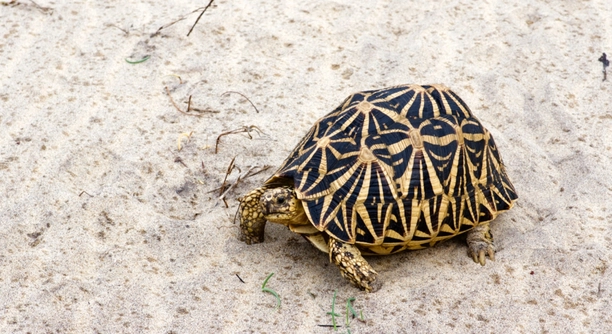
Ensuring that Indian star tortoise eggs hatch successfully requires attention to detail and proper care. The process can be delicate, so it’s important to understand the steps involved in providing the right environment.
The best way to ensure Indian star tortoise eggs hatch successfully is by providing a stable environment with proper humidity, temperature, and substrate. Ensuring minimal disturbance and regular monitoring will support the development of the eggs and increase hatching success.
These key steps will help guide you in creating the best possible conditions for the eggs. With proper attention, you’ll be on your way to seeing your tortoise hatchlings thrive.
Step 1: Choose the Right Substrate for Incubation
When it comes to incubating Indian star tortoise eggs, the substrate is a crucial factor. Use a mixture of sand and soil that holds moisture well but doesn’t become too wet. This helps maintain the right level of humidity. A loose substrate is best as it allows air to circulate around the eggs, preventing them from suffocating. You can also add some peat moss or coconut coir for extra moisture retention. Make sure the substrate is clean and free from harmful chemicals.
The substrate should be deep enough to allow the eggs to settle comfortably. Ensure that it provides a stable and consistent environment for the eggs to develop properly. Check the moisture levels regularly to ensure they are neither too dry nor too damp.
Maintaining the right humidity is key to preventing the eggs from drying out or becoming moldy. Be cautious not to disturb the eggs once they are placed in the substrate. Gentle handling is essential to avoid damaging them. With the proper substrate, the eggs will have a stable foundation for hatching.
Step 2: Control Temperature Carefully
Temperature plays a significant role in the hatching process. It is essential to maintain a consistent temperature of around 85°F (29°C) during incubation. The temperature should not fluctuate too much, as this can disrupt the development of the embryos. A steady and moderate heat source, such as a reptile incubator, works well.
A temperature that is too high or too low can delay or even prevent hatching. A reliable thermometer is essential to monitor the temperature, ensuring the eggs stay in the optimal range. Avoid placing the eggs in direct sunlight or near heaters, as extreme temperature changes can harm the eggs.
Temperature is a factor that requires careful attention. With the right warmth, the embryos will develop properly, ensuring successful hatching. Always check that the environment stays within a safe temperature range to promote healthy tortoise hatchlings. Consistent monitoring will give you the best chance for success.
Step 3: Monitor Humidity Levels
Humidity is one of the most important factors for successful hatching. Keep the humidity levels between 70-80% to mimic the tortoise’s natural environment. This will prevent the eggs from drying out and ensure proper embryo development. Regular checks are necessary to maintain this balance.
A hygrometer will help you keep track of humidity in the incubation area. If it’s too dry, you can add water to the substrate or mist the eggs lightly to raise the humidity. If it’s too high, increase air circulation to reduce moisture. Stability is key.
Over time, the right humidity levels will help maintain the proper balance for successful hatching. Too much moisture can lead to mold, while too little can cause the eggs to dehydrate. Be sure to check the eggs regularly and adjust the humidity as needed for the best chance of successful hatching.
Step 4: Handle Eggs With Care
When handling the eggs, be as gentle as possible. Move them carefully to avoid disturbing the embryos inside. If you must handle them, always use clean hands and wear gloves to minimize the risk of transferring bacteria or harmful substances.
It’s crucial to handle eggs with minimal movement to avoid disrupting the delicate development process. Always place the eggs in the same orientation they were found to prevent damage to the embryo. If they were collected from the wild, you can use a marker to gently note the top side to maintain consistency.
Avoid rotating or shaking the eggs, as it can affect the way the embryo grows. Keeping the eggs stable and undisturbed will give them the best chance to hatch successfully.
Step 5: Create a Stable Incubation Environment
The incubation environment should be quiet and undisturbed. Avoid placing the eggs in areas with heavy foot traffic or where temperature changes occur frequently. A calm, stable space will help maintain the conditions needed for hatching. Keeping the eggs in a controlled area is crucial.
Avoid opening the incubation container too often. Frequent temperature and humidity changes can create an unstable environment that could harm the eggs. By minimizing disruptions, you create the best chance for the eggs to develop undisturbed.
Step 6: Be Patient and Avoid Interfering
It can be tempting to check on the eggs regularly, but patience is key. The incubation process can take several months, and constant interference can disturb the delicate growth process. Let the eggs develop naturally without constantly moving them or checking their progress.
The eggs will incubate for approximately 60 to 90 days. During this period, it’s best to minimize disturbances to avoid stressing the embryos. Only check on them occasionally to ensure the environmental conditions remain stable, and avoid over-handling.
Step 7: Know When to Stop Incubating
Once the incubation period is over, it’s time to stop. You’ll start to notice subtle changes as the eggs begin to hatch. It’s important to be patient during this last phase, as rushing or disturbing the eggs too early can disrupt the hatching process.
FAQ
What is the best temperature for incubating Indian star tortoise eggs?
The best temperature range for incubating Indian star tortoise eggs is between 84°F to 88°F (29°C to 31°C). Keeping the temperature stable is important for the proper development of the embryos. If the temperature fluctuates too much, it could lead to failed hatching or deformed hatchlings. Using a reliable incubator with a thermometer will help you monitor and control the temperature effectively.
How do I maintain proper humidity for tortoise eggs?
The ideal humidity level for Indian star tortoise eggs should be around 70-80%. This can be achieved by using a substrate that retains moisture without becoming too wet. Regularly check the humidity using a hygrometer. If the humidity is too low, lightly mist the eggs or add water to the substrate. If it’s too high, increase ventilation to lower the moisture level. Maintaining a steady humidity level is crucial for the eggs to develop properly.
Can I rotate the eggs during incubation?
No, it is not advisable to rotate the eggs during incubation. The eggs should be left in the same orientation as when they were placed in the incubator. Moving or rotating them can disrupt the embryo’s development and lead to unsuccessful hatching. If you have to handle the eggs, ensure they remain in the exact position they were in when first placed.
How long does it take for the eggs to hatch?
Indian star tortoise eggs typically take around 60 to 90 days to hatch, depending on the temperature and environmental conditions. Warmer temperatures can speed up the process, while cooler temperatures can extend it. It’s important to be patient and avoid disturbing the eggs during this period, as the hatching process can take some time.
How can I tell if the eggs are fertile?
Fertile eggs are usually slightly translucent when held up to a light source, and they often have a slight pinkish tint to them. A method called “candling” can help you see the development of the embryo inside the egg. If the egg is clear or has no visible signs of embryo growth after a few weeks of incubation, it is likely infertile.
What should I do if the eggs don’t hatch?
If the eggs do not hatch after 90 days, it’s possible they were not fertile or the incubation conditions were not ideal. Before discarding them, make sure the humidity, temperature, and substrate were properly maintained throughout the incubation period. Sometimes, an egg may be a late hatcher, so give it some extra time before making any decisions.
Can I incubate eggs without an incubator?
While an incubator is ideal for maintaining the right temperature and humidity levels, you can still incubate tortoise eggs without one. If you don’t have an incubator, try to find a place with consistent temperatures, like a warm room or a space with controlled conditions. You may also use a DIY incubation setup with a container, heat source, and moisture control. However, keep in mind that without an incubator, it’s more difficult to maintain the proper conditions.
How often should I check on the eggs?
Checking the eggs too frequently can cause unnecessary disturbances, so it’s best to check on them only once a week. Make sure the temperature and humidity are in the correct range, and make sure the eggs have not shifted. Over-checking the eggs can lead to stress, which might impact the hatching process.
Can I move the eggs if they are not hatching?
It’s best not to move the eggs once they have been placed in the incubator. If the eggs have been properly incubated for the recommended amount of time and haven’t hatched, moving them could cause further stress or interrupt the final stages of hatching. If you believe the eggs are not viable, handle them gently and with care.
Is there a way to increase the chance of hatching success?
The best way to increase your chances of successful hatching is by ensuring consistent temperature and humidity levels, and by choosing a good substrate for the eggs. Patience is key; do not rush the process. Avoid unnecessary handling and keep the eggs in a calm, quiet environment. These steps will provide the best conditions for the eggs to hatch successfully.
What is the incubation period for Indian star tortoise eggs?
The incubation period for Indian star tortoise eggs typically ranges between 60 and 90 days. However, it can vary based on temperature and humidity. Warmer conditions usually lead to a quicker hatching, while cooler conditions may extend the period. Regularly monitor the conditions to ensure the best chances of success.
Final Thoughts
Incubating Indian star tortoise eggs requires careful attention and patience. From maintaining the right temperature and humidity levels to handling the eggs with care, each step plays an important role in ensuring the eggs hatch successfully. The process may seem challenging, but with the right setup and conditions, it can be very rewarding. While it takes time, the effort you put in will ultimately lead to the healthy hatching of your tortoises.
A stable environment is key to the incubation process. Temperature fluctuations or high humidity levels can harm the development of the eggs. Using a reliable incubator with a thermometer and hygrometer will help you monitor the conditions and adjust as needed. Substrate choice also plays a part in keeping the eggs safe. Ensure that it is moist enough to maintain humidity but not too wet. Regularly check the conditions without disturbing the eggs too often to ensure that they are developing properly.
The hatching process can take between 60 and 90 days, depending on the environmental factors. During this time, it’s important to give the eggs the space they need to hatch without constant interference. Only check on them occasionally to ensure that the temperature and humidity remain stable. If you’ve followed all the necessary steps, the chances of a successful hatch are high. In the end, the patience you put into incubating the eggs will be rewarded when you see the tiny hatchlings emerging.

Hello,
If you enjoy the content that we create, please consider saying a "Thank You!" by leaving a tip.
Every little bit helps us continue crafting quality advice that supports the health, happiness, and well-being of pets around the world, for pets of all shapes, sizes, and species.
We really appreciate the kindness and support that you show us!