
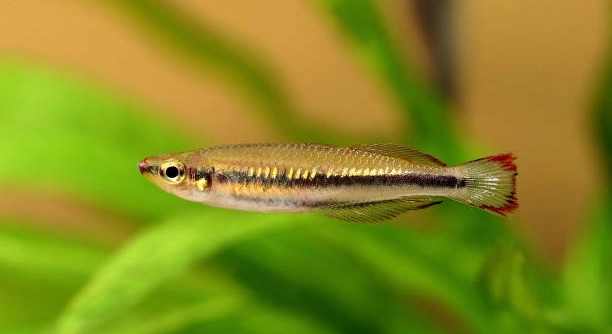
Have you ever noticed your rainbowfish swimming slower than usual or hiding more than normal in their tank? Watching for subtle changes in behavior can be important for keeping them healthy and happy over time.
Early detection of illness in rainbowfish involves careful observation of physical signs and behavior. Common indicators include changes in appetite, coloration, swimming patterns, or the presence of spots and lesions on their bodies.
Learning to recognize these warning signs early can prevent serious health issues and ensure your rainbowfish thrive in a safe, well-maintained environment.
Common Physical Signs of Illness
Rainbowfish can show illness through visible changes in their bodies. Look for faded colors, clamped fins, or unusual spots. Swollen bellies, frayed fins, or small lesions may appear on the skin. Even slight changes in eye clarity or body shape can indicate health problems. Regularly checking your fish up close helps detect issues early.
Paying attention to subtle physical signs allows prompt action and prevents minor conditions from becoming severe, ensuring your rainbowfish stay healthy.
Noticing physical changes early can save your fish from serious harm. Faded colors may indicate stress, poor water quality, or nutritional deficiencies. Frayed fins often result from minor infections or aggression. Swollen bellies can point to internal parasites, while abnormal swimming can suggest swim bladder problems. Spotting these issues quickly lets you isolate affected fish, adjust tank conditions, or seek treatment. Routine tank cleaning, proper diet, and observing daily behavior help maintain overall health. Over time, you’ll learn each fish’s normal patterns, making it easier to detect even minor changes that could signal illness. This proactive approach keeps your rainbowfish vibrant, active, and thriving, reducing the risk of outbreaks that can affect the whole tank.
Behavioral Changes to Watch
Changes in swimming patterns or appetite often indicate stress or illness. Slow movement or hiding can be early warning signs.
Behavioral observations are as important as physical checks. Rainbowfish may stop schooling, lose interest in food, or hover near the surface or bottom. Sudden aggression or lethargy also signals potential health concerns. Regularly noting these patterns allows you to identify problems before they escalate. Stressors such as poor water quality, sudden temperature changes, or incompatible tank mates can trigger abnormal behavior. Correcting environmental issues promptly can prevent illness and restore normal activity. Feeding schedules, water parameters, and social dynamics should be monitored to maintain a stable habitat. Observing interactions between fish helps spot bullying or dominance issues, which can impact health. In some cases, behavioral changes may precede visible symptoms, offering an early window for intervention. By keeping a careful eye on how your rainbowfish act, you increase their chances of long-term well-being, creating a calm and balanced tank environment.
Maintaining Water Quality
Clean water is essential for rainbowfish health. Regular water changes, proper filtration, and testing for ammonia, nitrites, and nitrates prevent stress and disease.
Maintaining stable water parameters reduces the risk of illness. Rainbowfish are sensitive to sudden changes in pH, temperature, or hardness. A consistent routine of water changes, around 20–30% weekly, helps remove waste and toxins. Using a reliable filter ensures debris and chemicals are kept at safe levels. Regular testing with simple kits allows you to monitor conditions closely. If levels rise, corrective measures like partial water changes or adjusting equipment prevent stress and keep fish active. Clear water also makes it easier to spot early signs of disease before it spreads.
Temperature control is equally important. Rainbowfish prefer a range of 24–28°C (75–82°F). Sudden drops or spikes can weaken their immune system, making them prone to infections. Using a heater and thermometer ensures a stable environment. Avoid overcrowding, as high fish density increases waste and stress. Introducing new fish gradually and quarantining them prevents introducing pathogens. Observing water clarity, smell, and movement helps detect issues early. Consistent maintenance fosters a healthy tank environment, supporting both growth and natural behavior. Proper water quality significantly increases the chances of your rainbowfish staying disease-free and lively.
Feeding and Nutrition
Balanced nutrition supports immune health and vibrant colors. High-quality flakes, pellets, and occasional live or frozen food meet dietary needs.
Feeding rainbowfish a varied diet ensures they receive essential proteins, fats, and vitamins. Flake or pellet food should form the base, supplemented by frozen or live foods like brine shrimp or daphnia. Variety prevents nutrient deficiencies and encourages natural foraging behavior. Avoid overfeeding, as leftover food can pollute the water and harm fish. Small portions two to three times a day are sufficient. Observing feeding response helps identify appetite loss, a common early sign of illness. Proper nutrition not only enhances color and energy but also strengthens disease resistance, supporting overall health and longevity.
Monitoring food intake is crucial. Reduced appetite may signal stress, parasites, or infections. Overfeeding leads to bloating, poor water quality, and fungal growth. Feeding small, frequent portions limits waste while providing constant energy. Rotating food types ensures a complete nutrient profile, supporting growth and reproductive health. Live foods stimulate natural hunting instincts and improve digestion. Pairing quality diet with stable water conditions prevents many common illnesses. Tracking which fish eat and how much helps identify weaker individuals who may require isolation or treatment. Adequate nutrition creates resilient rainbowfish, capable of withstanding environmental challenges and maintaining vibrant coloration.
Quarantine New Fish
Quarantining new fish before introducing them to the main tank prevents disease spread. A separate tank for two to three weeks allows observation and treatment if needed.
Watch for abnormal behavior, spots, or fin damage during quarantine. Early detection ensures only healthy fish join the community, keeping the main tank safe.
Signs of Parasites
Parasites can cause weight loss, flashing, and unusual swimming. External parasites may appear as tiny white or red spots. Internal parasites often reduce appetite and cause bloating. Catching these signs early allows timely treatment, preventing severe health problems and protecting other fish in the tank.
Stress Factors
Stress weakens rainbowfish immunity and increases susceptibility to illness. Crowding, sudden water changes, or aggressive tank mates are common causes.
Observing Daily Behavior
Daily observation of swimming patterns, feeding, and interactions helps detect early signs of illness. Consistent monitoring allows prompt action to address health concerns and maintain a stable, safe environment for all rainbowfish.
FAQ
How can I tell if my rainbowfish is sick?
Look for changes in color, fins, or behavior. Faded colors, clamped fins, spots, lesions, or unusual swimming are common signs. Loss of appetite and hiding more than usual also indicate potential illness. Observing daily helps detect problems early.
What should I do if I notice signs of illness?
First, isolate the affected fish to prevent spreading disease. Check water quality, adjust temperature, and ensure proper filtration. Depending on symptoms, you may need medication for parasites, bacterial infections, or fungal issues. Early treatment increases recovery chances.
How often should I test my tank water?
Testing weekly is ideal. Measure ammonia, nitrites, nitrates, and pH to maintain a stable environment. Sudden changes stress fish and can trigger illness. Adjust water parameters gradually to avoid further stress.
Can poor diet cause illness in rainbowfish?
Yes, lack of balanced nutrition weakens immunity. Feed high-quality flakes or pellets supplemented with live or frozen foods. Avoid overfeeding to prevent water contamination. Variety in diet supports vibrant colors and overall health.
How long should I quarantine new fish?
A minimum of two to three weeks is recommended. Observe behavior, appetite, and physical condition. Treat any signs of disease before introducing new fish to the main tank to protect existing inhabitants.
Why is water temperature important for rainbowfish health?
Rainbowfish thrive in 24–28°C (75–82°F). Sudden drops or spikes weaken the immune system, making fish more vulnerable to infections. Use a heater and thermometer to maintain stability. Gradual adjustments are necessary when changing temperature.
What are common parasites and how do I spot them?
External parasites often show as small white, red, or black spots on fins and body. Internal parasites may cause bloating, weight loss, or lethargy. Catching parasites early allows targeted treatment before the problem worsens.
How can stress be reduced in the tank?
Provide stable water conditions, avoid overcrowding, and choose compatible tank mates. Sudden water changes or aggressive fish increase stress. Hiding spots and plants create a safe environment, helping rainbowfish feel secure and healthy.
Can I treat my rainbowfish at home?
Yes, many illnesses can be treated with over-the-counter medications or natural remedies if caught early. Follow instructions carefully, isolate sick fish, and continue monitoring. Proper water quality and diet support recovery.
How do I prevent future illnesses?
Maintain clean water, stable temperature, and balanced nutrition. Quarantine new fish, monitor daily behavior, and address stress factors. Early detection of small changes prevents serious problems. Routine care is the most effective prevention method.
How long does it take for a sick rainbowfish to recover?
Recovery depends on the illness and treatment. Mild infections may improve in days, while serious bacterial or parasitic infections can take weeks. Consistent care, good water quality, and proper nutrition accelerate healing.
Are there signs that indicate urgent care is needed?
Yes. Rapid breathing, severe lethargy, bleeding, or sudden loss of balance requires immediate attention. Quick isolation and treatment can save the fish and prevent disease from spreading.
Can rainbowfish recover from fin rot or fungal infections?
Yes, with proper medication, clean water, and supportive care. Early detection improves recovery chances. Keep affected fish separate and maintain ideal tank conditions to prevent recurrence.
Is it normal for rainbowfish to hide occasionally?
Occasional hiding is normal, especially during feeding or resting. Persistent hiding, however, may indicate stress, poor water quality, or illness. Monitoring frequency and patterns helps distinguish normal behavior from problems.
How do I identify appetite loss?
If fish ignore food or eat less than usual for several days, it is a warning sign. Appetite loss can signal parasites, infections, or stress. Early observation allows timely intervention before the condition worsens.
Can overcrowding cause disease?
Yes, high fish density increases waste, stress, and competition for resources. Overcrowding weakens immunity and promotes infections. Keeping a balanced number of rainbowfish per tank volume is essential for long-term health.
What role does observation play in fish health?
Daily observation allows you to notice subtle changes in appearance or behavior. Early detection is key for preventing serious illnesses. Even minor shifts in activity, appetite, or coloration provide critical clues to potential problems.
How often should I clean the tank?
Partial water changes and substrate cleaning weekly maintain water quality. Avoid complete tank cleaning, which disrupts beneficial bacteria. Consistent maintenance prevents buildup of toxins and reduces stress on fish.
What are common mistakes that lead to illness?
Poor water quality, overfeeding, inadequate diet, overcrowding, and ignoring quarantine procedures are frequent causes. Monitoring behavior, maintaining water parameters, and providing balanced nutrition help prevent these issues.
Can rainbowfish live with other species safely?
Yes, if tank mates are compatible. Aggressive or fin-nipping species can stress rainbowfish and increase disease risk. Careful selection and monitoring interactions support a healthy, balanced tank environment.
How long should I monitor a sick fish after treatment?
Continue observing daily until full recovery. Watch for recurrence of symptoms, changes in behavior, or appetite loss. Consistent monitoring ensures the fish has fully regained health and prevents future outbreaks.
Are live plants beneficial for rainbowfish health?
Yes, live plants improve water quality, provide hiding spots, and reduce stress. They help maintain natural behavior while supporting a cleaner and healthier tank environment.
When should I consult a professional?
If illness persists despite treatment, symptoms worsen rapidly, or multiple fish are affected, seek advice from an aquatic veterinarian or experienced specialist. Early professional guidance can save lives.
How important is tank size for rainbowfish health?
A properly sized tank reduces stress and overcrowding. Larger tanks allow stable water conditions, better swimming space, and natural behavior. Maintaining suitable density is critical for long-term health.
Can environmental changes trigger illness?
Yes, sudden shifts in water temperature, pH, or hardness can stress fish and make them more susceptible to disease. Gradual adjustments and stable conditions support overall well-being.
How do I distinguish between stress and illness?
Stress often causes temporary hiding, color fading, or reduced activity. Illness shows persistent physical signs, appetite loss, or abnormal swimming. Monitoring patterns over time helps differentiate between the two.
What steps help prevent fin damage or infections?
Maintain clean water, avoid sharp decorations, and monitor interactions. Promptly isolate injured fish and provide medication if necessary. Good diet and stable conditions support fin regeneration.
How do I manage multiple sick fish at once?
Isolate each affected fish if possible. Treat according to the illness, maintain water quality, and monitor daily. Addressing all cases simultaneously prevents spread and promotes recovery.
Can stress cause color changes in rainbowfish?
Yes, stress often dulls colors. Improving water quality, providing hiding spots, and reducing aggressive interactions restores natural coloration and overall vitality.
Are there signs of aging I should consider?
Older rainbowfish may swim slower, eat less, or lose some color naturally. Distinguishing between age-related changes and illness ensures proper care without unnecessary treatment.
How do I handle sudden deaths in the tank?
Remove the deceased fish immediately, check water quality, and observe remaining fish for symptoms. Testing and treatment prevent potential outbreaks and protect the tank’s overall health.
How important is lighting for rainbowfish health?
Proper lighting supports natural behavior and coloration. Too bright or inconsistent lighting can stress fish, while moderate, consistent lighting promotes a healthy tank environment.
Can rainbowfish recover from mild swim bladder issues?
Yes, adjusting diet, water conditions, and reducing stress often resolves mild swim bladder problems. Severe cases may require isolation and targeted treatment for full recovery.
Is it normal for rainbowfish to school less at times?
Occasional reduced schooling can happen, but persistent separation or hiding may indicate stress or illness. Observing patterns helps ensure behavior remains within a healthy range.
How do I know if treatment is working?
Improvement in appetite, swimming, and coloration indicates recovery. Lack of progress after several days may require alternative medication or professional advice. Early detection improves treatment success.
Can rainbowfish transmit disease to each other?
Yes, many bacterial, fungal, and parasitic infections are contagious. Isolation of sick fish and proper tank hygiene minimize the risk of spreading illness.
Are frozen and live foods equally beneficial?
Both provide essential nutrients. Live food stimulates natural hunting instincts, while frozen food ensures safety from pathogens. Rotating foods balances nutrition and supports immune health.
How do I prevent stress when adding decorations or equipment?
Introduce new items gradually, avoiding sudden disruptions. Monitor fish behavior to ensure they adapt without hiding excessively or showing aggression. Gradual changes minimize stress and maintain stability.
What should I do if multiple illnesses appear at once?
Identify and isolate affected fish, check water quality, and treat each illness specifically. Maintaining clean water, proper diet, and consistent monitoring prevents further complications and supports recovery.
How can I maintain long-term rainbowfish health?
Consistent water maintenance, balanced nutrition, stress reduction, daily observation, and prompt treatment of minor issues prevent major illnesses. Healthy habits create a thriving environment, ensuring vibrant, active rainbowfish over time.
Rainbowfish are vibrant, active fish that bring life to any aquarium, but keeping them healthy requires careful attention. Observing your fish daily helps you notice even small changes in behavior, swimming patterns, or appetite. These changes often signal early signs of illness, allowing you to act quickly before a minor issue becomes a serious problem. Simple practices, such as monitoring water quality, checking for unusual spots or frayed fins, and keeping a regular feeding schedule, can make a big difference in maintaining their health. Paying attention to these details may seem tedious at first, but over time, it becomes a natural part of caring for your fish and ensures a stable, safe environment for them to thrive.
Proper nutrition is another critical aspect of rainbowfish care. Feeding a balanced diet of high-quality flakes or pellets, supplemented with live or frozen foods, provides essential nutrients that support growth, color, and immune function. Overfeeding can lead to water pollution, which increases stress and the risk of disease, so small, controlled portions are best. Variety in diet also prevents deficiencies and keeps your fish active and energetic. Observing feeding habits can reveal early signs of illness, as a decrease in appetite is often one of the first indicators that something is wrong. Combining a good diet with clean water and a well-maintained tank helps your rainbowfish resist infections and recover more easily if they become ill.
Creating a stable and stress-free environment is equally important. Overcrowding, aggressive tank mates, sudden temperature changes, or fluctuating water parameters can weaken the immune system and trigger illness. Providing hiding spots, maintaining proper water conditions, and monitoring interactions among fish reduce stress and support natural behavior. Quarantining new fish before introducing them to the main tank prevents the spread of disease, and regular observation allows early intervention when problems arise. Consistency in care, attention to detail, and a proactive approach are key to preventing health issues and ensuring that your rainbowfish remain vibrant, active, and thriving for years. With these practices in place, you can enjoy a healthy, colorful aquarium and the satisfaction of knowing your fish are well cared for.

Hello,
If you enjoy the content that we create, please consider saying a "Thank You!" by leaving a tip.
Every little bit helps us continue crafting quality advice that supports the health, happiness, and well-being of pets around the world, for pets of all shapes, sizes, and species.
We really appreciate the kindness and support that you show us!