
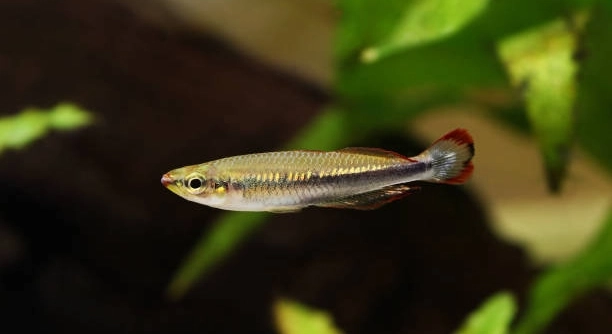
Have you ever noticed how your rainbowfish swim around the tank, seemingly aware of the time you usually feed them? Their quick movements and bright colors make watching them during feeding moments quite enjoyable.
Rainbowfish can develop a feeding routine through consistent timing and environment cues. By offering food at the same times daily and maintaining a stable tank setting, they gradually learn to anticipate meals and respond predictably to feeding signals.
Observing their behavior over time can reveal surprising patterns in how they adjust to daily routines. This can make caring for them simpler and more engaging.
How Rainbowfish Recognize Feeding Times
Rainbowfish are quite observant and can quickly pick up on regular feeding schedules. Over days or weeks, they begin to notice subtle cues, such as the movement of the tank lid, the presence of their owner near the tank, or the sound of food being prepared. Their natural instincts help them connect these signals with mealtime. Consistency is key; feeding them at the same times every day allows them to anticipate food and reduce stress. Bright lights or sudden noises can distract them, so keeping the environment calm during feeding helps reinforce the routine. They also respond well to the quantity and type of food offered, learning to associate specific foods with certain times. Watching them adapt can be rewarding, as they often swim actively near the surface before food appears. These patterns highlight their ability to learn and adjust to predictable schedules, making daily care more manageable and enjoyable.
Rainbowfish thrive when their feeding routine is predictable. They adjust behavior quickly with consistency.
Regular feeding schedules improve their health, reduce aggression, and encourage natural swimming behaviors, creating a stable tank environment overall.
Tips for Establishing a Routine
Start small by feeding rainbowfish at the same times daily.
Introduce visual or auditory cues that signal feeding, such as lightly tapping the tank or using a specific container. Consistency is essential in creating strong associations. Monitor their responses closely, adjusting the timing slightly if needed, but avoid abrupt changes. Keep the food portioned properly to prevent overfeeding, which can harm water quality and affect their behavior. Noting subtle signs like increased movement or surface activity helps reinforce the connection between the cues and mealtime. Over time, rainbowfish learn to anticipate feeding, reducing stress and improving their overall wellbeing. Providing a calm and predictable environment alongside consistent routines encourages them to respond naturally. Observing these small behavioral changes offers insight into how adaptable they are, highlighting the importance of patience and attentiveness. By paying attention to their reactions and maintaining consistency, you can successfully establish a reliable feeding routine that benefits both the fish and the tank’s ecosystem.
Common Feeding Mistakes
Overfeeding is the most frequent mistake. It leads to poor water quality and can make rainbowfish lethargic or stressed, disrupting their ability to follow a routine.
Portion control is essential. Even small amounts of uneaten food can decay and produce harmful toxins in the tank. Feeding the fish too frequently or offering large amounts at once can confuse them and weaken the association between cues and mealtime. Using a consistent feeding method and measuring the food carefully ensures they receive enough nutrients without excess. Observing how quickly the food disappears helps adjust portions. Over time, maintaining the right portions strengthens their learning of the feeding schedule.
Feeding at irregular times can also interfere with their routine. Rainbowfish rely on predictability, so sudden changes in timing may cause them to ignore cues or show stress behaviors. Establishing a fixed schedule and sticking to it allows them to anticipate meals confidently, creating a calmer tank environment.
Encouraging Positive Behavior
Rewarding active and healthy behavior helps reinforce the feeding routine.
Placing food in the same spot and using gentle signals every day encourages rainbowfish to associate these actions with mealtime. Avoiding sudden movements or loud noises during feeding keeps them focused. Consistent interaction helps them learn that predictable cues lead to food. Observing their swimming patterns and responses to cues provides feedback to fine-tune the routine. Some fish may take longer to adapt, but patience and steady signals result in more reliable feeding behavior.
Healthy routines improve both physical condition and social dynamics in the tank. Rainbowfish that understand when and where food will appear tend to show less competition and aggression. They swim confidently near the surface at feeding times and maintain energy throughout the day. Feeding in small, frequent amounts supports their metabolism and reduces stress, which is crucial for long-term wellbeing. Over time, a consistent approach can help all fish in the tank synchronize their behavior, creating a smoother and calmer environment that benefits everyone.
Signs Your Rainbowfish Are Learning
Rainbowfish often show anticipation by swimming near the surface when it’s close to feeding time. They may follow your movements or gather in areas where food usually appears.
Increased alertness and quicker reactions to cues are also strong indicators. Fish that recognize routines appear calmer and more confident, adjusting their swimming patterns accordingly.
Adjusting the Feeding Routine
If rainbowfish seem stressed or uninterested, small changes in timing or portion size can help. Gradually shifting feeding times or offering slightly different foods encourages them to stay engaged. Observing how they respond allows you to refine the routine. Maintaining consistency after adjustments ensures they quickly readapt and continue following predictable patterns. Environmental factors such as lighting, tank layout, and water quality also influence their ability to learn. By keeping these elements stable, you provide the support they need to reliably recognize mealtime cues. Regular monitoring helps you catch any disruptions early and correct them effectively.
Benefits of a Set Routine
A consistent feeding schedule improves health and reduces stress, creating a calmer tank atmosphere.
FAQ
How long does it take for rainbowfish to learn a feeding routine?
Rainbowfish can start recognizing feeding cues within a week if the schedule is consistent. Some may take longer, up to two or three weeks, depending on the number of fish, their temperament, and tank conditions. Patience and consistency are essential.
Can all rainbowfish species learn the same way?
Most common species like Boesemani and Melanotaenia respond well to routine, but individual personalities matter. Some may be slower to recognize cues, while others adapt quickly. Observing your specific fish helps you tailor the schedule.
What are the signs that my rainbowfish understands the feeding schedule?
They often gather near the surface or follow your hand when it approaches the tank. Swimming becomes more purposeful, and they show anticipation, such as active movements when feeding time is near. These behaviors indicate learning.
Is it okay to feed them at different times occasionally?
Occasional changes are fine, but frequent alterations can confuse them. Sudden shifts in timing may cause stress or make them ignore cues. Keeping a predictable routine benefits their overall behavior and wellbeing.
How much should I feed rainbowfish each time?
Offer small portions they can finish in a few minutes. Overfeeding leads to poor water quality and may harm their health. Observe their consumption and adjust portions gradually. Consistency in quantity reinforces the routine.
Can environmental factors affect their learning?
Yes, lighting, tank size, and water quality all impact their ability to recognize feeding cues. A calm environment with stable conditions helps rainbowfish learn and respond more reliably. Sudden changes or loud noises can disrupt their behavior.
Do rainbowfish respond to visual cues or sounds?
They respond to both. Movement near the tank, tapping the lid lightly, or even the sound of food being prepared can signal mealtime. Using the same cues consistently strengthens the association between the action and feeding.
What if some fish learn faster than others?
It’s normal for some to adapt quicker. Give slower learners time and maintain consistent feeding methods. Avoid changing the schedule for the faster learners, as consistency benefits all fish in the long run.
Will they forget the routine if I go on vacation?
Short breaks may cause minor confusion, but most rainbowfish quickly readjust when feeding resumes. Using an automatic feeder can maintain consistency during absences and prevent stress or missed meals.
Can feeding routines reduce aggressive behavior?
Yes, predictable feeding reduces competition and stress. Fish that anticipate meals calmly are less likely to chase or harass tankmates, creating a more stable and peaceful environment.
Are live foods or pellets better for teaching a routine?
Both work, but pellets are easier to control and measure. Live foods can be offered occasionally to add variety. Consistency in food type and timing helps fish learn faster.
How often should I monitor their routine?
Daily observation is important. Watching how they react to cues and noting any changes helps adjust portions or timing. Monitoring ensures all fish are eating well and maintaining healthy behavior patterns.
Is it necessary to train them formally?
No formal training is required. Routine, consistency, and gentle cues are enough for rainbowfish to learn. Positive reinforcement comes naturally through predictable feeding times, which helps them adjust over time.
Can feeding routines affect overall health?
Absolutely. Fish that recognize a routine tend to eat properly, reduce stress, and maintain better immunity. Predictable schedules also support digestion and energy levels, promoting long-term health.
How long can I expect them to follow the routine?
Once established, rainbowfish generally maintain the routine indefinitely as long as conditions remain stable. Any significant changes in environment or feeding method may require a brief period of readjustment.
Can I use multiple cues for the same routine?
Yes, combining visual and auditory signals can strengthen their learning. Keep the cues consistent each day to ensure they reliably associate the actions with mealtime. Avoid introducing new cues too often, as it may confuse them.
Do younger rainbowfish learn faster than older ones?
Juveniles tend to be more adaptable and pick up routines more quickly, but adult fish can also learn if given consistent signals. Patience and observation are key for all ages.
How do I prevent them from overeating while following a routine?
Stick to measured portions and observe how quickly they finish their food. Remove excess food promptly to prevent water contamination and maintain balance in the tank ecosystem. Consistency helps them understand the limits of mealtime.
Are there signs of stress if they don’t follow the routine?
Yes, erratic swimming, hiding, or aggression may indicate stress. It often happens when cues or timing are inconsistent. Adjusting the schedule carefully and keeping the environment calm helps reduce stress and restore predictable behavior.
Can I teach them more than one feeding routine?
Rainbowfish can learn multiple feeding times, but keep each routine consistent. Sudden changes or overlapping schedules may confuse them, so it’s better to introduce additional routines gradually. Over time, they adapt and respond reliably to each cue.
How long should each feeding session last?
A few minutes is sufficient. Fish should be able to consume the portion completely within this time. Longer sessions can lead to overeating, water pollution, and reduced effectiveness of the routine. Short, consistent sessions are best.
Is it okay to change the type of food occasionally?
Yes, but do it gradually. Sudden changes can confuse the fish or disrupt their anticipation. Maintaining consistency in timing is more important than the exact type of food. Gradual variety helps maintain interest and nutrition.
Can feeding routines help with tank maintenance?
Indirectly, yes. Predictable eating reduces leftover food and waste buildup, making water maintenance easier. A stable routine also allows monitoring of each fish’s health and eating habits, which supports long-term tank care.
Do rainbowfish communicate during feeding times?
They often exhibit coordinated swimming and subtle behaviors when anticipating food. While not vocal, these actions indicate awareness of routine and social interaction, which can help reinforce predictable patterns in the tank.
How do I know if my routine is working?
Fish consistently responding to cues, eating properly, and showing calm, predictable behavior indicates success. Regular observation and minor adjustments help ensure the routine remains effective and supports their wellbeing.
What is the best way to start a feeding routine?
Choose fixed times, use consistent cues, measure food carefully, and observe reactions. Small, gradual steps and patience allow rainbowfish to understand and anticipate meals effectively. Over time, the routine becomes natural for both fish and caretaker.
Establishing a feeding routine for rainbowfish is more manageable than it might first appear. These fish are observant and responsive to consistent cues, which makes it possible for them to anticipate mealtime over time. By feeding at the same times each day, using gentle visual or auditory signals, and keeping portions consistent, you create a predictable environment. This predictability is important because it reduces stress, helps the fish maintain regular energy levels, and encourages natural swimming behaviors. Rainbowfish tend to gather near the surface or follow subtle cues when they recognize a routine, showing that they can learn patterns and respond reliably. Observing these behaviors can be both informative and satisfying, as it allows you to see how quickly your fish adapt to structured feeding schedules. The process is gradual, but with patience, most rainbowfish will adjust and respond consistently, making daily care simpler and more organized.
Consistency in feeding routines also benefits the overall health of your rainbowfish. Overfeeding or irregular schedules can lead to poor water quality, which directly impacts the fish’s wellbeing. Uneaten food can decay and release toxins, causing stress and potential illness. By sticking to measured portions and feeding at predictable times, you reduce these risks and ensure that each fish receives proper nutrition. A stable routine encourages calm behavior in the tank, as fish that know when to expect food are less likely to compete aggressively or chase each other. Over time, maintaining this consistency also supports a balanced tank ecosystem, helping all fish coexist more peacefully. Even small changes, such as slight adjustments in feeding time or portions, can be introduced carefully without disrupting the routine, but sudden or frequent changes may confuse the fish and reduce the effectiveness of their learning.
Finally, establishing a feeding routine is not only about the practical aspects of care but also about building a predictable rhythm that benefits both the fish and the caretaker. When rainbowfish understand when and where food will appear, they become more confident and exhibit less erratic behavior. This predictability allows you to monitor their health and responses more easily, noticing any issues early. It also makes tank maintenance more straightforward, as consistent feeding reduces leftover food and waste buildup. The routine does not need to be complicated, but it does require attention, patience, and consistency. Over time, the fish learn to respond to cues, anticipate mealtime, and maintain energy and social behaviors in a stable environment. A well-established feeding routine ultimately creates a healthier, calmer, and more enjoyable environment for rainbowfish, making daily care more rewarding and manageable for anyone maintaining a home aquarium.

Hello,
If you enjoy the content that we create, please consider saying a "Thank You!" by leaving a tip.
Every little bit helps us continue crafting quality advice that supports the health, happiness, and well-being of pets around the world, for pets of all shapes, sizes, and species.
We really appreciate the kindness and support that you show us!