
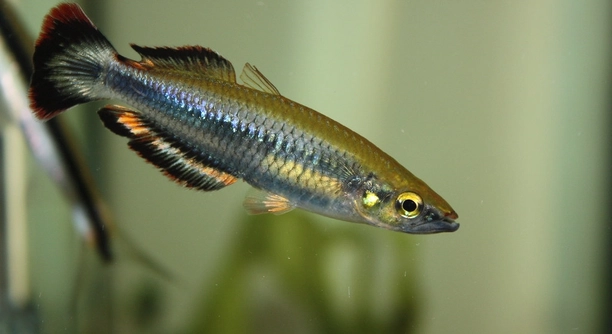
Rainbowfish are bright, active fish that bring life to any aquarium. Their shimmering colors make them popular among hobbyists, but their comfort depends on more than just water quality and temperature. Safe spaces play a crucial role.
Rainbowfish can survive without plants, but their sense of security may be compromised. Providing hiding spots, even with artificial decorations, helps reduce stress, supports natural behavior, and maintains overall health in environments lacking live vegetation.
Even small changes in their surroundings can make a noticeable difference. Knowing how to create comfort without plants ensures your rainbowfish remain healthy and vibrant.
Why Plants Matter for Rainbowfish
Plants provide more than just decoration in an aquarium. They create shelter that allows rainbowfish to hide when they feel threatened. Natural foliage also helps reduce stress by mimicking their native environment. Many rainbowfish are active swimmers, and having plants creates visual barriers that give them a sense of privacy. Without plants, fish can feel exposed, which may make them more skittish or prone to sudden movements. Plants also help maintain water quality by absorbing excess nutrients and providing surfaces for beneficial bacteria. These bacteria support a stable ecosystem, which is crucial for keeping fish healthy. Even artificial plants can offer some of these benefits if arranged properly. The presence of greenery encourages natural behavior, making your rainbowfish more confident and comfortable. Over time, fish with appropriate shelter are less likely to hide constantly and more likely to display their colors and personalities openly, creating a lively and balanced aquarium environment.
Plants can also help manage water flow and oxygenation. Their presence creates natural zones for fish to explore and rest.
Arranging plants strategically can enhance your aquarium visually and functionally. Place taller plants at the back and shorter ones in front to create depth. Include clusters of plants in corners or along the sides so rainbowfish can retreat when needed. Floating plants can provide shaded areas, reducing stress from bright lights. Regular trimming and maintenance ensure plants don’t overcrowd the tank, which could limit swimming space. Whether using live or artificial plants, the key is balance: enough cover for safety but enough open water for free movement. By thoughtfully designing plant placement, you provide comfort and stimulate natural behavior, making your rainbowfish healthier and happier over time.
Alternatives to Live Plants
Artificial decorations can mimic some of the benefits of live plants. They provide hiding spots and visual barriers that help fish feel secure.
Adding rocks, driftwood, or artificial plants creates safe zones in the aquarium. These structures break up open areas and reduce stress by giving rainbowfish options for retreat. Unlike live plants, these decorations don’t require constant care, yet they still offer similar protection and comfort. Strategically placing these items in clusters or along tank edges creates a more dynamic environment. Open swimming areas remain available while hiding spots give fish the choice to explore or rest. Some artificial decorations even have textured surfaces that allow beneficial bacteria to grow, contributing to water quality. By carefully selecting and arranging these alternatives, it’s possible to maintain a healthy, secure habitat without live vegetation, ensuring rainbowfish feel at ease and exhibit natural behavior consistently.
Tank Setup Tips for Rainbowfish
Providing hiding spots is essential for rainbowfish comfort. Even small decorations or plant clusters can create security. Placement matters to give fish both open swimming space and areas to retreat when stressed.
When setting up a tank, balance is key. Use taller items at the back and shorter ones near the front to create depth. Group decorations or artificial plants in corners so rainbowfish have safe zones without limiting swimming space. Open areas in the middle allow active fish to swim freely. Pay attention to lighting, as shaded spots reduce stress. Floating objects can also provide cover and mimic natural habitats, giving rainbowfish a sense of safety and stability.
Regular maintenance ensures the tank remains comfortable. Remove debris, trim plants if live, and adjust decorations as fish grow. Changing layouts occasionally can enrich the environment. Keep water parameters consistent to avoid stress, and ensure hiding spots are secure and stable. Observing fish behavior helps identify areas that need improvement, allowing you to tweak the setup for optimal comfort. A well-planned tank encourages natural activity and bright colors, supporting rainbowfish health over time.
Behavioral Signs of Comfort
Rainbowfish show comfort through confident swimming and exploration. When they feel safe, they interact with their surroundings more actively.
Signs of stress include hiding, darting, or staying near the bottom. When a tank provides adequate cover, rainbowfish display natural schooling patterns and are more vibrant. Watching their daily behavior helps determine whether adjustments are needed in hiding spots, decorations, or plant placement. Consistent behavior indicates the fish feel secure, while sudden changes suggest stress factors. Maintaining a balance between open space and safe zones supports healthy social interaction, reduces aggression, and encourages feeding. Proper tank design directly impacts rainbowfish comfort and overall well-being, making observation a key tool for maintaining a thriving aquarium.
Choosing the Right Decorations
Rocks, driftwood, and artificial plants all provide security for rainbowfish. Arrange them to create hiding spots without overcrowding the tank. Balance between open swimming space and sheltered areas is essential for fish comfort.
Smooth decorations prevent injuries and reduce stress. Avoid sharp edges and unstable items that could harm fish. Test stability before placing them fully in the tank to ensure they stay in position. Properly chosen decorations give rainbowfish confidence to explore while maintaining safe retreat areas, supporting natural behavior and overall health.
Lighting and Plant Alternatives
Lighting influences how safe rainbowfish feel. Dim or moderate lighting reduces stress and creates shaded zones for comfort. Artificial plants and decorations work well under appropriate light conditions, offering protection without complex maintenance. Adjusting light intensity mimics natural environments, helping rainbowfish settle in and feel secure.
Feeding and Stress Reduction
A calm feeding routine helps rainbowfish feel safe. Consistent times and locations reduce stress and encourage natural behavior, supporting their health and comfort in the aquarium environment.
Observation and Adjustment
Regular observation is key to understanding rainbowfish needs. Monitor their behavior, movement, and interaction with decorations. Adjust hiding spots or decor placement if signs of stress appear. Consistent care ensures a secure, comfortable environment where rainbowfish thrive naturally.
FAQ
Can rainbowfish survive without any plants at all?
Yes, rainbowfish can survive without live plants if the tank provides alternative hiding spots and structures. Rocks, driftwood, and artificial plants can offer the necessary security. The key is to create safe zones while maintaining open swimming space so the fish can move freely and feel comfortable.
What are the signs that my rainbowfish is stressed?
Stress in rainbowfish shows through hiding excessively, staying at the bottom, darting suddenly, or losing color vibrancy. Aggressive behavior or lack of appetite can also indicate stress. Observing daily patterns helps identify issues, allowing you to adjust decor, lighting, or hiding spots to reduce tension.
Can artificial plants replace live plants completely?
Artificial plants can provide many of the same benefits as live plants, including hiding spots, visual barriers, and shaded areas. They require minimal maintenance and don’t affect water quality. While they won’t contribute to oxygenation or nutrient absorption, careful placement still allows rainbowfish to feel secure and behave naturally.
How many hiding spots are enough for a tank?
The number depends on tank size and fish population. Generally, one to two hiding spots per fish is sufficient. Clusters in corners or along the sides are ideal. Ensure there is still enough open swimming space in the center. Adjust as the fish grow or if stress behaviors appear.
Does lighting affect how safe rainbowfish feel?
Yes, lighting influences comfort levels. Bright, harsh light can increase stress, while moderate or dim lighting creates shaded zones. Floating plants or artificial decorations can help provide cover. Mimicking natural light patterns supports natural behavior and makes rainbowfish feel more secure.
How do I maintain stress-free feeding?
Feed at consistent times and locations. Avoid sudden changes in diet or feeding routines, as rainbowfish notice disruptions. Providing food near safe zones encourages confident feeding. Remove uneaten food promptly to maintain water quality, which also contributes to a secure environment.
Will rearranging the tank stress my fish?
Rearranging can cause temporary stress, but thoughtful changes often improve comfort. Move decorations gradually rather than all at once. Observe fish responses and adjust placement to maintain open swimming areas and adequate hiding spots. Regular minor adjustments can enrich the environment without harming their sense of safety.
Do rainbowfish need live plants to breed?
Live plants are helpful but not strictly necessary for breeding. They provide shelter for fry and reduce stress during spawning. Artificial plants or decorations can serve as alternative cover, though extra care is needed to mimic conditions that encourage natural breeding behavior.
Can water quality affect how safe rainbowfish feel?
Absolutely. Poor water quality increases stress and can lead to illness. Maintaining proper temperature, pH, and cleanliness supports comfort. Healthy water combined with adequate hiding spots ensures rainbowfish feel secure and display natural behaviors consistently.
How can I tell if my artificial decorations are effective?
Observe how fish interact with them. If rainbowfish explore freely and use the spots to rest or hide, decorations are effective. Unused or ignored items may need repositioning. Stability, size, and placement determine whether decorations provide meaningful security and contribute to a healthy, stress-free environment.
Are smaller tanks harder for rainbowfish without plants?
Smaller tanks provide limited space, making hiding spots more crucial. Carefully placed decorations prevent stress by breaking up open areas. Overcrowding or lack of cover in compact tanks can make rainbowfish feel exposed, so balance is key to maintain comfort and natural behavior.
Do rainbowfish prefer dense or sparse planting?
Rainbowfish thrive in moderate cover. Dense planting or overcrowded decorations can restrict swimming space, while sparse setups may leave them exposed. Aim for a balance that provides security, open areas for swimming, and visual interest, allowing natural schooling behavior and reducing stress.
Can I combine live and artificial plants?
Yes, combining both types offers the benefits of live plants, such as oxygenation, with the low maintenance and flexibility of artificial plants. This hybrid setup gives rainbowfish plenty of hiding spots while supporting water quality and creating a dynamic, secure environment for their comfort and health.
How often should I check the tank for safety?
Regular observation is essential. Check daily for fish behavior, and weekly for water quality and decor stability. Adjust hiding spots or decorations as needed. Consistent monitoring helps catch stress signs early and ensures the tank continues to provide a safe and comfortable home for rainbowfish.
Can stress from lack of plants affect their lifespan?
Chronic stress can negatively impact health and longevity. Adequate hiding spots and secure environments reduce stress, support natural behavior, and contribute to a longer, healthier life for rainbowfish. Even without live plants, careful tank setup and observation can maintain comfort and overall well-being.
Rainbowfish are colorful and lively fish that bring vibrancy to any aquarium. Their comfort depends on more than water quality and temperature. Providing shelter and secure spaces is essential to their well-being, even if live plants are not part of the tank. Decorations, artificial plants, and carefully placed structures can mimic the protective environment they naturally seek. Hiding spots help reduce stress and give fish a sense of security, which encourages natural behaviors like schooling, exploring, and active swimming. When rainbowfish feel safe, their colors become brighter, and their overall health improves. The arrangement of the tank matters just as much as the items within it, as it creates zones for movement, exploration, and rest. Observing fish regularly allows you to understand their preferences and adjust the setup as needed, ensuring they remain comfortable and confident in their environment.
Maintaining a healthy tank without live plants requires attention to multiple factors. Decorations and artificial alternatives must be stable and safe, without sharp edges that could injure the fish. Grouping items strategically can break up open spaces while still leaving enough room for active swimming. Floating objects or artificial foliage can create shaded areas, helping fish feel protected under bright lighting. Consistent feeding routines and maintaining water quality are equally important, as sudden changes can increase stress. Watching for signs of discomfort, such as hiding, darting, or loss of color, helps identify when adjustments are necessary. By balancing security with open areas, rainbowfish can thrive without live plants while still displaying natural behaviors. Even minor changes, like moving a cluster of artificial plants or adding a small piece of driftwood, can improve their sense of safety.
Creating a secure and comfortable environment for rainbowfish without live plants is entirely achievable. Artificial plants, rocks, and driftwood can provide the necessary cover and help maintain visual interest in the tank. The key is to ensure that hiding spots are accessible but not overcrowded, leaving plenty of open swimming space. Lighting, feeding routines, and water quality all contribute to the overall comfort of the fish. Observing their behavior and adjusting the tank accordingly supports a healthier and more confident fish population. With thoughtful planning and ongoing attention, rainbowfish can live vibrant, stress-free lives without live plants, enjoying a safe and stimulating aquarium environment that promotes natural behavior and long-term health.

Hello,
If you enjoy the content that we create, please consider saying a "Thank You!" by leaving a tip.
Every little bit helps us continue crafting quality advice that supports the health, happiness, and well-being of pets around the world, for pets of all shapes, sizes, and species.
We really appreciate the kindness and support that you show us!