
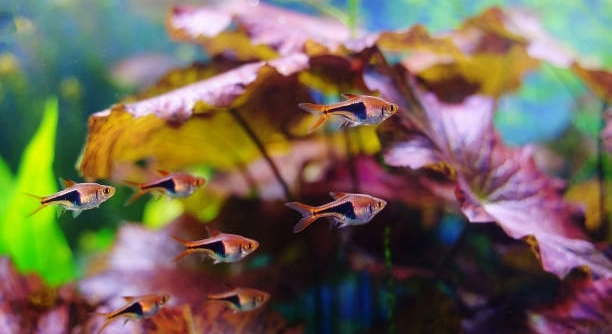
Ich is a common parasite that can affect Rasbora fish in home aquariums. It causes noticeable white spots and can make your fish uncomfortable. Recognizing Ich early is important to protect your fish from serious illness.
Ich, or Ichthyophthirius multifiliis, appears as small white cysts on Rasbora’s body and fins. Early signs include rapid breathing, scratching against surfaces, and lethargy. Prompt identification and treatment are critical to prevent spread and fatal outcomes.
Knowing how to spot Ich quickly helps maintain a healthy aquarium environment. This guide will provide clear steps to identify the signs and protect your Rasbora.
What Is Ich and How Does It Affect Rasbora?
Ich, short for Ichthyophthirius multifiliis, is a parasite that infects freshwater fish like Rasboras. It shows up as tiny white spots that look like grains of salt on the fish’s body, fins, and sometimes gills. These spots are actually cysts where the parasite grows. The infection can cause your Rasbora to feel itchy, making them rub against objects in the tank. This behavior can lead to injuries and stress. Infected fish might also breathe faster or stay near the water surface, which indicates distress. If left untreated, Ich can weaken the fish’s immune system and lead to death. This parasite spreads quickly, especially in crowded or poorly maintained tanks. Understanding what Ich looks like and how it impacts your Rasbora is key to keeping your aquarium healthy and your fish safe.
Ich damages the fish’s skin and gills, which affects breathing and overall health. Prompt action is essential to avoid serious harm.
Proper tank care and early detection are important. Keeping water clean and avoiding overcrowding reduce the risk. Regular monitoring helps catch symptoms early, improving chances of recovery.
Early Signs of Ich on Rasbora
Small white spots are the most obvious sign of Ich on Rasbora, but there are other early symptoms to watch for. Fish may scratch themselves on tank decorations or gravel as they feel irritated. You might notice your Rasbora acting sluggish or hiding more than usual. Changes in breathing, like gasping at the surface, can also indicate an infection. These signs often appear before the white spots become clearly visible. Detecting Ich early can save your fish from severe illness. Keeping a close eye on your Rasbora’s behavior daily is important. Observing how they swim and interact helps you catch problems quickly before they worsen.
At the first signs of Ich, immediate treatment can stop the parasite from spreading and reduce damage.
Acting fast with proper medication and water care is critical. Delaying treatment can cause the parasite to multiply rapidly and harm other fish in the tank. You should quarantine infected fish if possible to protect the rest of your aquarium. Raising the water temperature slightly can speed up the parasite’s life cycle, making treatments more effective. Using aquarium salt or specific anti-parasitic medications recommended for Ich will help clear the infection. Regular water changes and maintaining stable water conditions support your fish’s recovery. It is also important to clean tank equipment thoroughly to prevent reinfection. Early intervention combined with good aquarium hygiene greatly increases the chances of fully curing Ich on your Rasbora.
Preventing Ich in Your Rasbora Tank
Maintaining clean water and a balanced environment is essential to prevent Ich. Regular water changes and proper filtration reduce parasite risks. Avoid overcrowding your tank to minimize stress on your Rasbora, which makes them less vulnerable to infections.
Stress weakens a Rasbora’s immune system, making it easier for Ich to take hold. Keeping water quality high by testing parameters like ammonia, nitrite, and nitrate levels helps avoid this problem. Introducing new fish without quarantine increases infection chances, so always isolate new arrivals for at least two weeks. Consistent feeding with a balanced diet strengthens your fish’s resistance to disease. Monitoring fish behavior regularly ensures you catch signs of trouble early. Taking these steps creates a healthier environment that keeps Ich at bay and supports your Rasbora’s wellbeing.
Using a quarantine tank for new fish and plants is a strong defense against Ich. It prevents accidental introduction of parasites and other pathogens into your main tank. This extra step may seem inconvenient but saves a lot of trouble in the long run.
Effective Treatments for Ich on Rasbora
Medications like copper-based treatments and formalin solutions are commonly used to treat Ich effectively. These treatments target the parasite at various life stages and can clear infections when used correctly. It is important to follow dosing instructions carefully to avoid harming your fish.
Raising the tank temperature slightly to about 82°F (28°C) speeds up the parasite’s lifecycle, making treatments work faster. Adding aquarium salt in moderation can help reduce stress and support healing but avoid overdosing as Rasbora are sensitive. Multiple treatment cycles over a week or more may be necessary because some parasites hide in the tank substrate or on surfaces. Removing carbon from filters during treatment ensures medications remain effective. Always monitor your fish closely during treatment to catch any signs of stress or adverse reactions. A combination of proper medication, temperature control, and good tank care usually clears Ich successfully.
Monitoring Your Rasbora During Treatment
Watch your Rasbora carefully throughout the treatment period. Look for signs of improvement or any stress caused by medication. Adjust treatment if needed.
Keep water parameters stable to avoid adding stress. Regular observation helps ensure the infection is clearing and your fish stay healthy.
Cleaning and Maintenance to Avoid Reinfection
Regular tank cleaning is essential to prevent Ich from returning. Remove uneaten food, waste, and clean the substrate frequently. Clean decorations and equipment to eliminate any lingering parasites. Avoid overfeeding, which can degrade water quality and encourage parasite growth. Maintaining good filtration and performing regular partial water changes supports a healthy environment. Prevent reinfection by disinfecting nets and tools used in the tank. Consistent maintenance helps keep your Rasbora safe from future outbreaks and keeps your aquarium thriving.
When to Quarantine Your Fish
Quarantine new fish for at least two weeks before introducing them to your main tank. This prevents spreading parasites like Ich to healthy fish.
Signs Your Treatment Is Working
Clear reduction in white spots and more active, normal behavior indicate treatment success.
What causes Ich in Rasbora tanks?
Ich is caused by the parasite Ichthyophthirius multifiliis, which thrives in freshwater aquariums with poor water quality or high stress levels. It can enter your tank through new fish, plants, or equipment that hasn’t been properly quarantined or disinfected. Overcrowding and sudden changes in water conditions make Rasboras more susceptible to this parasite.
How quickly does Ich spread among Rasbora?
Ich can spread rapidly in a tank once introduced. The parasite has a life cycle that allows it to multiply quickly, especially if conditions are warm and crowded. Infected fish release free-swimming parasite stages that attach to healthy fish, leading to a fast outbreak if not treated promptly.
Can Ich be treated without medication?
Mild Ich cases sometimes improve by raising the tank temperature to about 82°F (28°C), which speeds up the parasite’s life cycle, making it easier for the fish to fight it off naturally. Adding aquarium salt in recommended doses can also reduce parasite stress. However, medication is usually needed to fully clear the infection, especially in severe cases.
Is it safe to use copper treatments for Rasbora?
Copper treatments are effective against Ich but must be used carefully because Rasboras are sensitive to copper levels. Always follow dosage instructions and monitor your fish closely. It’s best to remove activated carbon from filters during treatment, as it can absorb the copper, reducing its effectiveness.
How long does it take to cure Ich in Rasbora?
Treatment typically lasts 7 to 10 days, depending on the severity of the infection and the medication used. Several treatment cycles might be necessary to eliminate all parasite stages. Consistent observation is essential to ensure the infection clears completely.
Can Ich reoccur after treatment?
Yes, Ich can return if conditions in the tank allow the parasite to survive or if new infected fish are introduced. Maintaining good tank hygiene, quarantining new arrivals, and monitoring water quality help prevent recurrence.
Should I remove infected Rasbora from the main tank?
If possible, moving infected fish to a quarantine tank is a good practice. This isolates the parasite and prevents it from spreading to other healthy fish. It also makes treatment easier and safer for your Rasbora.
What are the early signs of Ich before white spots appear?
Before white spots form, infected Rasboras may scratch themselves against objects, swim erratically, or hide more than usual. Breathing might become rapid or labored, and fish may lose appetite. Catching these early signs helps start treatment sooner.
How often should I clean my tank during Ich treatment?
Perform regular partial water changes during treatment but avoid disturbing the tank too much, as this can stress fish. Cleaning the substrate lightly can help remove parasite stages. Clean filters carefully but do not replace or over-clean them to preserve beneficial bacteria.
Can other tank inhabitants get Ich from Rasbora?
Yes, Ich can infect many freshwater fish species. If your tank has multiple types of fish, all may be at risk once the parasite is introduced. Treat the entire tank, not just individual fish, to prevent spread.
Is it normal for Rasbora to behave differently during Ich infection?
Yes, infected Rasbora often become less active, lose appetite, and may isolate themselves. These changes are due to discomfort and stress caused by the parasite. Recovery usually brings their normal behavior back.
What water parameters help prevent Ich?
Stable water temperature around 74–78°F (23–26°C), low ammonia and nitrite levels, and moderate nitrate levels support Rasbora health and reduce Ich risk. Regular testing and water changes maintain these conditions.
Can aquarium salt harm Rasbora?
Rasboras are somewhat sensitive to salt, so use it sparingly and follow dosage instructions. Small amounts can reduce parasite stress, but too much salt may cause harm. Avoid salt if your tank has plants or sensitive species.
How do I quarantine new fish properly?
Quarantine new fish in a separate tank for at least two weeks. Observe them closely for signs of illness, including Ich. Treat them proactively if necessary before adding them to your main aquarium.
Does raising temperature stress Rasbora?
Slightly increasing temperature to speed up Ich’s life cycle is usually safe if done gradually. Sudden or extreme changes can stress fish, so adjust temperature slowly and monitor your Rasbora for signs of distress.
What is the life cycle of Ich?
Ich has three main stages: the parasite attaches to fish and forms white cysts, then falls off to the tank substrate, where it multiplies as free-swimming parasites. These then find new hosts to infect, completing the cycle in several days. Treatment aims to interrupt this cycle.
Can I use natural remedies for Ich?
Some natural remedies like garlic or herbal extracts claim to help, but their effectiveness is not scientifically proven. It is best to rely on tested medications and good aquarium practices for safe and reliable treatment.
How do I know if my Rasbora is suffering from something else?
Symptoms like fin rot, ulcers, or unusual spots may indicate other diseases. If white spots are absent and behavior differs from typical Ich signs, consult a specialist or research other common fish illnesses for proper diagnosis.
Can Ich kill Rasbora quickly?
If untreated, Ich can weaken Rasbora rapidly, leading to secondary infections and death. Early detection and treatment are crucial to prevent fatal outcomes.
Is it necessary to remove carbon from the filter during treatment?
Yes, carbon absorbs medications, reducing their effectiveness. Remove it before starting treatment and replace it afterward to maintain water quality.
When dealing with Ich on Rasbora, being informed and prepared makes all the difference. This parasite can quickly affect the health of your fish, but early detection and proper care improve the chances of recovery. Knowing what to look for and how to respond helps protect your Rasbora from serious harm. Maintaining a clean and stable tank environment is the best way to prevent Ich from becoming a problem. Regular observation and good aquarium habits are key parts of keeping your fish healthy and happy.
Treatment for Ich requires patience and careful attention. Using the right medication, following dosage instructions, and supporting your fish with stable water conditions will help clear the infection. Raising the temperature slightly and using aquarium salt can assist in speeding up the parasite’s life cycle and easing your Rasbora’s discomfort. It’s important to continue treatment until the parasite is completely gone to avoid reinfection. Keeping infected fish separated in quarantine tanks also reduces the risk to other fish in your aquarium. Consistent monitoring throughout the process allows you to catch any signs of stress or complications early.
Preventing Ich is easier than dealing with an outbreak. Quarantining new fish, maintaining proper water quality, and avoiding overcrowding lower the chances of infection. Cleaning the tank regularly and monitoring fish behavior ensures your Rasbora stay in good health. Even with the best care, infections can happen, so knowing how to spot Ich early and act quickly is valuable. By combining prevention, prompt treatment, and good tank management, you can support your Rasbora’s long-term health and enjoy a thriving aquarium.

Hello,
If you enjoy the content that we create, please consider saying a "Thank You!" by leaving a tip.
Every little bit helps us continue crafting quality advice that supports the health, happiness, and well-being of pets around the world, for pets of all shapes, sizes, and species.
We really appreciate the kindness and support that you show us!