
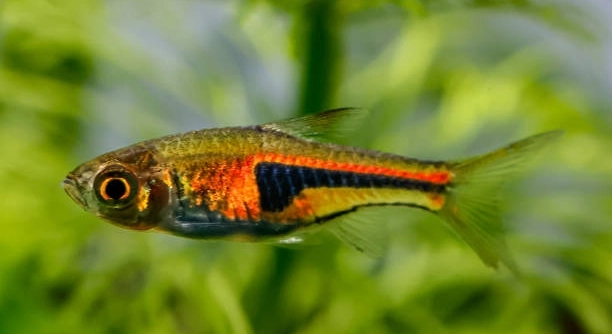
Do you ever notice your rasbora swimming calmly and wonder if they ever rest? Many fish owners find it hard to tell when these small, lively fish take breaks. Knowing about their sleeping habits can help keep them healthy and happy.
Rasboras do sleep, but their sleep is different from mammals. They enter a restful state where their activity slows, and they become less responsive to their surroundings. This rest is essential for their health and wellbeing.
Learning about how rasboras rest can improve how you care for them and create a better environment in your aquarium. Understanding their habits supports their long-term comfort and vitality.
How Rasboras Sleep
Rasboras don’t have eyelids, so it’s hard to tell when they are asleep. Instead of closing their eyes, they slow down their movements and hover near the bottom or in quiet corners of the tank. During this time, they remain alert enough to react to sudden changes but generally rest their bodies. Their breathing slows down, and their fins move less. This rest usually happens at night or in dim lighting. Providing a consistent day and night cycle in the aquarium helps rasboras settle into a natural sleep pattern. A calm environment with plants or decorations where they can hide also encourages restful behavior. Stress or poor water conditions can interfere with their ability to rest properly. Observing these signs of rest can help you ensure your fish feel safe and comfortable.
Sleep is important for rasboras because it allows their bodies to recover and maintain their health.
Recognizing rasboras’ unique sleeping habits can improve your aquarium setup. Keep lighting consistent, and add plants or hiding spots to make them feel secure. A peaceful tank encourages better rest and overall wellbeing. Avoid sudden changes or disturbances during their rest periods to help them stay healthy and active during the day.
Signs That Rasboras Are Resting
When rasboras are resting, they swim less and often stay in one spot, usually near the bottom or behind plants. Their colors may appear less bright during rest times.
Resting rasboras look relaxed, with gentle fin movements. Unlike mammals, their eyes stay open, but they are less responsive. You might notice them pause between swims or float quietly. These behaviors show they are in a restful state, not inactive due to illness. It’s normal for them to be more active during the day and rest during darker hours. If you see your rasboras behaving this way, it means they are getting the rest they need. Watching for these signs helps ensure your fish remain healthy and stress-free. Proper rest supports their immune system and growth, which is vital in a home aquarium setting.
Do Rasboras Sleep at Night?
Rasboras tend to rest more during nighttime when the aquarium lighting is low or off. This natural rhythm helps them conserve energy and stay healthy. Nighttime rest is vital for their overall wellbeing.
The quiet and dim environment at night signals rasboras to slow down. Without bright lights, they find calm spots and reduce their activity. Their metabolism slows, and they focus on body recovery. Keeping a consistent light schedule with a clear day and night cycle helps rasboras maintain this natural pattern. Sudden changes in light or noise can disrupt their rest and cause stress. Ensuring your tank has a regular night period supports their health and behavior.
In a well-maintained tank, rasboras follow a clear routine of activity during the day and rest at night. Providing dark hours without disturbance lets them sleep naturally, which improves their immune system and growth. Avoid turning lights on suddenly at night and keep the tank environment peaceful to support their sleep habits.
How to Create a Restful Environment for Rasboras
A calm tank with plenty of plants and hiding spots helps rasboras feel safe enough to rest. Soft lighting and minimal noise improve their comfort.
Adding live or artificial plants offers shelter and reduces stress by giving rasboras places to hide. Gentle water flow and stable water temperature also encourage relaxation. Avoid overcrowding the tank because too many fish can cause constant movement and stress, making it hard for rasboras to rest properly. Use dimmable or adjustable lighting to mimic natural conditions, gradually dimming the tank lights to signal rest time. Keeping feeding times consistent and avoiding sudden disruptions during their rest hours contributes to a stable environment. This care supports healthier, more active fish during the day and peaceful sleep at night.
Do Rasboras Need Darkness to Sleep?
Rasboras benefit from darkness to signal rest time. Without a clear dark period, they may become stressed and restless.
Consistent night periods with low or no light help regulate their internal clocks. Darkness encourages proper rest and recovery.
Can Rasboras Sleep in a Bright Tank?
Rasboras can rest in bright tanks but may have trouble relaxing. Constant light can confuse their natural sleep cycle and increase stress levels. This may lead to health issues over time, such as weakened immune response or reduced activity.
Do Rasboras Rest in Groups?
Rasboras often rest near each other for safety. Group resting helps reduce stress and creates a calm environment where they feel protected.
How Long Do Rasboras Sleep?
Rasboras usually rest for several hours during the night, depending on the light cycle and tank conditions.
How can I tell if my rasbora is sleeping?
Rasboras do not close their eyes when they sleep, so it can be tricky to tell. Usually, they become less active, swim slowly, or hover quietly near plants or decorations. Their fins move gently, and they are less responsive to sudden movements around the tank. Watching for these calm, restful behaviors, especially during nighttime or dim light, is the best way to know if they are resting.
Do rasboras need a special tank setup to sleep well?
A simple setup with stable water conditions and places to hide is enough. Rasboras appreciate plants, caves, or decorations that offer shelter. These hiding spots help them feel safe and secure. A consistent light cycle with clear day and night periods encourages natural sleep patterns. Avoid overcrowding and keep noise and sudden disturbances low during their rest times.
What happens if rasboras don’t get enough rest?
Without enough rest, rasboras can become stressed and weak. Stress can lower their immune system, making them more vulnerable to disease. They may swim erratically, lose color, or stop eating. Chronic lack of rest can affect growth and lifespan. Ensuring a quiet, dark environment at night helps prevent these problems and keeps them healthy.
Can rasboras sleep during the day?
Rasboras usually rest more at night, but they can take short breaks during the day, especially in calm or shaded parts of the tank. These short rests help them recharge but are not as deep or long as nighttime sleep. Daytime activity is normal, but occasional quiet moments show they are resting.
Is it okay to keep the aquarium light on all day?
Keeping the light on constantly is not recommended. Rasboras need a regular day-night cycle to rest properly. Continuous light can confuse their internal clock and cause stress. Aim for about 8 to 12 hours of light each day and keep the tank dark at night. This routine supports natural behavior and good health.
How does tank noise affect rasbora sleep?
Loud noises or frequent vibrations can disturb rasboras and prevent restful sleep. Fish sense vibrations through their lateral line, so noisy environments make them alert or anxious. Keeping the tank area quiet, especially at night, helps them relax and sleep well.
Do rasboras have REM sleep like mammals?
Fish, including rasboras, do not have REM sleep as mammals do. Their sleep is a lighter, restful state where they reduce activity but remain alert enough to react to threats. This type of sleep still provides necessary rest and recovery, though it differs from deep mammalian sleep cycles.
Should I cover the aquarium at night for better sleep?
Covering the aquarium can help block out room light and create a darker environment, which supports better sleep for rasboras. Make sure the cover allows enough air circulation and doesn’t trap heat. A dark, quiet room combined with a covered tank helps simulate natural night conditions.
What temperature is best for rasbora sleep?
Rasboras are tropical fish and prefer stable temperatures between 72°F and 78°F (22°C to 26°C). Sudden drops or rises can disrupt their rest and cause stress. Maintaining a consistent temperature helps them settle into a normal sleep routine and keeps them comfortable.
Can stressed rasboras fail to sleep properly?
Yes, stress interferes with rest. Causes include poor water quality, aggressive tank mates, sudden changes in environment, or inadequate hiding spots. When stressed, rasboras may stay active or hide excessively, both signs they aren’t resting well. Reducing stressors and improving tank conditions encourages better sleep and health.
Do rasboras dream?
Fish sleep differently from mammals, and there is no evidence that rasboras dream. Their sleep is a simpler resting state focused on recovery and energy conservation. While they don’t experience dreams, their sleep still plays an important role in their wellbeing.
How long do rasboras typically rest each night?
Rasboras generally rest for about 8 to 12 hours at night, depending on the light cycle and tank environment. Longer dark periods help them get enough rest. A consistent schedule with dim or no light during night hours promotes natural sleeping patterns.
Can feeding time affect rasbora sleep?
Yes, feeding right before lights go out can make rasboras more active and delay rest. Feeding earlier in the day or early evening helps them digest and settle down before night. Avoid overfeeding, which can cause stress and poor water quality, both of which interfere with restful sleep.
What are signs of poor sleep in rasboras?
Signs include constant movement, lack of color brightness, hiding excessively, reduced appetite, or unusual swimming patterns. If rasboras never seem to rest, it may mean their environment is stressful or light cycles are off. Monitoring these behaviors helps identify sleep issues early.
Is it normal for rasboras to rest in groups?
Yes, rasboras often rest together, which provides safety and comfort. Group resting lowers stress and creates a peaceful tank atmosphere. Watching them gather quietly in one area is a good sign they feel secure and are resting well.
Can I use a night light for rasbora sleep?
Using very dim, red or blue night lights is okay, but bright or white lights should be avoided. Some light helps you see the fish without disturbing their rest. Too much light at night can keep them awake or stress them, so choose carefully.
Does water quality affect rasbora sleep?
Poor water quality creates stress and prevents restful sleep. High ammonia, nitrite, or nitrate levels irritate fish and cause discomfort. Regular water changes and good filtration keep water clean, supporting healthy rest and overall wellbeing.
Do rasboras need a specific sleep schedule?
Rasboras benefit from a consistent light-dark schedule that mimics natural day and night cycles. Regular timing helps regulate their internal clock and supports normal behavior. Irregular schedules can cause stress and disrupt rest.
Can young rasboras sleep differently than adults?
Juvenile rasboras may rest more frequently but in shorter periods compared to adults. Their bodies are still growing, so they need extra rest. Adults tend to have longer, more regular sleep cycles.
How important is routine for rasbora sleep?
Routine is very important. Predictable feeding times, light schedules, and minimal disturbances create a stable environment. This stability reduces stress and helps rasboras develop healthy sleep habits, making them more active and vibrant during the day.
Rasboras are small, lively fish that need rest just like any other animal. Their way of sleeping is different from mammals because they do not close their eyes. Instead, they slow down their movements and stay quiet for several hours, usually at night. This restful period helps their bodies recover and keeps them healthy. It is important to understand that rasboras rely on a calm and safe environment to rest well. When they feel secure, they show signs of restful behavior by swimming slowly or hovering in quiet corners of the tank. These moments of rest are essential for their overall wellbeing.
Creating the right environment for rasboras to sleep means providing a stable day and night cycle. Consistent lighting helps signal to the fish when it is time to be active and when it is time to rest. Darkness or low light during the night encourages them to slow down and enter a restful state. Besides light, the tank should have enough hiding places such as plants or decorations where rasboras can feel safe. Avoiding sudden noises, changes in water quality, or overcrowding is also important because stress can interfere with their ability to rest properly. A peaceful tank supports better sleep, which in turn keeps the fish healthy and active during the day.
Observing your rasboras regularly will help you understand their natural behavior and rest patterns. Knowing that they do sleep, even without closing their eyes, allows you to improve their care. By keeping the tank environment stable and comfortable, you are helping your fish live a longer, healthier life. Remember, proper rest is not just a part of their routine; it plays a key role in their immune system, growth, and overall happiness. Paying attention to these details ensures that your rasboras can thrive in your aquarium.

Hello,
If you enjoy the content that we create, please consider saying a "Thank You!" by leaving a tip.
Every little bit helps us continue crafting quality advice that supports the health, happiness, and well-being of pets around the world, for pets of all shapes, sizes, and species.
We really appreciate the kindness and support that you show us!