
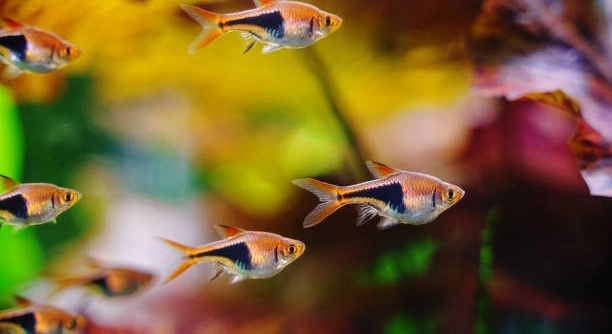
Many aquarists enjoy watching their Rasbora swim gracefully in their tanks. These small, colorful fish often encounter their own reflections in the glass, which can influence their behavior. Understanding how Rasbora respond to these reflections is important for tank management.
Rasbora do respond to tank reflections, often perceiving them as other fish. This can lead to increased activity or territorial behavior. However, responses vary depending on the species and individual temperament, making it important to observe each fish closely.
Learning about these reactions can help improve tank conditions and fish well-being. Exploring this topic further offers valuable insights for any fish keeper.
How Rasbora See Their Reflections
Rasbora are small schooling fish that rely heavily on their vision to navigate their environment. When they see their own reflection in the glass, they often interpret it as another fish. This can trigger different behaviors depending on the situation. Sometimes, they may swim toward the reflection with curiosity or attempt to interact. Other times, they might display signs of agitation, especially if they feel their space is being invaded. In a community tank, this reaction can be confusing to observe because it might look like aggression or excitement toward other fish. The reflection effect can be stronger in tanks with bright lighting or very clean glass, making the reflection more visible. It is important to watch how your Rasbora respond to reflections and consider adjusting lighting or tank placement if stress behaviors become frequent. Small changes can make a big difference for their comfort.
Reflections are more noticeable when the tank is dimly lit inside and brighter outside. This contrast creates clearer mirror-like images on the glass.
Controlling the environment to reduce strong reflections helps maintain calm behavior in Rasbora. Using plants or decorations near the glass can break up reflections and provide visual barriers. Additionally, ensuring that the tank has proper schooling companions can reduce fixation on reflections, as the fish will focus on their real tank mates. Monitoring light sources and their angles also plays a role. Adjusting light timing, such as dimming lights during evening hours, can minimize reflections and stress. Overall, managing reflections improves the Rasbora’s experience, promoting natural swimming and social interactions. Understanding these factors lets you create a better habitat that supports their well-being.
Managing Rasbora Behavior Around Reflections
Rasbora can sometimes become fixated on their reflections, which may lead to repetitive or restless swimming. This behavior indicates they see the reflection as another fish.
Reducing stress from reflections requires thoughtful tank setup and observation.
To manage these behaviors, start by providing plenty of hiding spots and plants to give the fish places to retreat. These areas reduce the chances of constant interaction with reflections and help Rasbora feel secure. Adding more Rasbora or compatible schooling fish encourages natural group behavior, which can distract them from mirror images. Also, check the lighting setup to avoid harsh or uneven light that emphasizes reflections on the glass. If reflections remain an issue, consider using a background on the outside of the tank to minimize glare. Regularly cleaning the tank glass inside and out can also help by reducing spots that cause distorted reflections. By carefully adjusting the tank environment and observing your fish’s responses, you can help reduce stress and promote healthier behavior patterns in your Rasbora.
Signs of Stress from Reflections
Rasbora showing stress from reflections may swim erratically or repeatedly attack the glass. This behavior indicates they perceive the reflection as a rival. Stress can affect their appetite and overall health if not addressed.
Erratic swimming includes rapid darting or pacing along the tank walls. Fish might also chase their reflection aggressively or hide more than usual. Over time, these signs can lead to fatigue or illness. Noticing these behaviors early helps prevent long-term problems. Adjusting tank conditions to reduce reflections often calms the fish. Using plants, decorations, or dimming lights can decrease the reflection’s visibility, easing stress. It is important to maintain stable water quality alongside these changes, as stressed fish become more vulnerable to disease.
Stress from reflections is not always constant. Sometimes Rasbora adapt or lose interest if they have plenty of companions and a stimulating environment. However, persistent fixation requires intervention to keep the fish comfortable and healthy.
Preventing Reflection Issues in Your Tank
Preventing problems starts with proper tank placement. Avoid direct sunlight or bright room lights that create strong reflections on the glass surface. Positioning the tank away from windows or light sources reduces glare. Using a dark background or mat behind the tank also minimizes mirror effects.
Providing ample hiding places and maintaining a balanced school of Rasbora helps prevent fixation on reflections. A healthy social group distracts the fish and encourages natural behavior. Regularly monitoring lighting intensity and timing supports this balance. For example, using a timer for consistent light cycles reduces sudden changes that may stress fish. In some cases, installing a non-reflective film on the tank glass can be beneficial. These preventive measures create a calm environment, allowing Rasbora to thrive without confusion or stress from their reflections.
Common Myths About Rasbora and Reflections
Some believe Rasbora attack their reflections out of loneliness. While social needs matter, reflection responses are more about territorial instincts than isolation. Understanding this helps avoid unnecessary changes to tank companions.
Others think reflections always cause harm. In reality, many Rasbora ignore reflections once they adjust or if the environment is well set up.
How Lighting Affects Reflection Visibility
Bright lighting increases reflection clarity, making mirror images more noticeable to Rasbora. Dimming lights or using softer, diffused lighting reduces this effect. Adjusting light placement can prevent strong glare on the glass, creating a less stressful environment for the fish.
The Role of Tank Mates
Choosing calm, compatible tank mates helps Rasbora stay focused on real fish rather than reflections. Aggressive or overly active species may increase stress, while peaceful companions encourage natural schooling and distraction from reflections.
Quick Tips to Reduce Reflection Stress
Add plants and decorations near tank edges.
Use a dark background outside the tank.
Adjust lighting to avoid glare.
Keep Rasbora in groups for natural social behavior.
FAQ
Do Rasbora get stressed by their reflections?
Yes, Rasbora can become stressed when they see their own reflections. They often mistake the reflection for another fish, which may cause them to act aggressively or nervously. This behavior can lead to increased swimming activity or hiding, signs of stress that should be monitored closely.
How can I tell if my Rasbora is stressed by reflections?
Signs include erratic swimming, repeatedly attacking the glass, or hiding more than usual. Stress may also affect their appetite and make them more prone to illness. If you notice these behaviors, it is likely the reflections are causing discomfort.
Can Rasbora learn to ignore their reflections?
In many cases, yes. Rasbora often adapt over time if the reflections are not too strong or if the tank environment is stimulating enough. Providing plenty of plants, decorations, and tank mates helps distract them from focusing on reflections.
What lighting setup is best to reduce reflection stress?
Using soft, diffused lighting or dimming the lights can help. Avoid placing the tank in direct sunlight or near bright room lights, which increase reflection visibility. A consistent light cycle with a timer also reduces sudden changes that may upset the fish.
Are certain Rasbora species more affected by reflections?
Yes, some species are more territorial or reactive and may respond more strongly to reflections. Others are calmer and less likely to fixate on mirror images. Knowing your Rasbora species’ behavior helps in managing their environment better.
Will adding more Rasbora help reduce reflection stress?
Adding more Rasbora or compatible schooling fish can distract individuals from their reflections. A healthy school encourages natural social interaction, reducing the likelihood of stress caused by perceived rivals in the glass.
Can tank decorations prevent reflection issues?
Decorations such as plants, rocks, and driftwood placed near tank edges break up reflections and provide hiding spots. These elements reduce the clear mirror effect and offer the fish places to retreat, easing stress caused by reflections.
Is cleaning the tank glass important for managing reflections?
Yes. Clean glass reduces smudges and spots that can distort reflections and confuse the fish. Both inside and outside glass cleaning helps maintain a clear view and reduces unexpected visual triggers.
Does background color affect reflection stress?
A dark or matte background behind the tank helps absorb light and limits reflections. This setup reduces glare and makes reflections less noticeable to Rasbora, which improves their comfort.
Can reflections cause long-term health issues?
If not managed, persistent stress from reflections may weaken the immune system and lead to illness. Ensuring a calm environment and minimizing reflections helps maintain overall health and longevity of Rasbora.
Should I cover part of the tank to block reflections?
Partial coverings or films can be effective if reflections are severe. They help reduce mirror images but should not restrict light or ventilation. Careful placement is key to balance visibility and reflection control.
Are reflections less of a problem in larger tanks?
Larger tanks often have less intense reflections because the viewing angles are wider and there is more space for the fish to avoid glass surfaces. Still, reflections can occur, so monitoring is necessary regardless of tank size.
What role do tank mates play in reflection behavior?
Calm, compatible tank mates keep Rasbora engaged and reduce attention to reflections. Aggressive or fast-moving species may increase stress or encourage defensive behavior, making reflection issues worse.
How quickly do Rasbora react to reflections?
Reactions can be immediate, with fish swimming toward or attacking reflections within minutes. Some may lose interest quickly, while others fixate longer, depending on individual temperament and tank conditions.
Can reflections ever benefit Rasbora behavior?
In rare cases, seeing their reflection might stimulate activity or social behaviors temporarily. However, prolonged exposure generally causes stress rather than positive effects.
What is the best way to monitor reflection stress?
Regular observation during different lighting conditions is important. Note changes in swimming patterns, aggression, or hiding. Adjusting the environment based on these observations helps manage stress effectively.
Are nighttime reflections an issue for Rasbora?
Reflections can be more visible at night if the room is lit while the tank is dark. Minimizing external light sources during evening hours helps reduce reflection visibility and prevents night-time stress.
How often should I adjust tank lighting to prevent reflection stress?
Maintain a consistent light schedule with minimal sudden changes. Gradual dimming and brightening mimic natural conditions and reduce stress from reflections or light shifts.
Is it better to keep Rasbora alone or in groups regarding reflections?
Rasbora are schooling fish and do better in groups. A well-sized school reduces the focus on reflections and encourages natural, calming social behavior.
Can reflections cause aggressive behavior between Rasbora?
Sometimes reflections may trigger territorial responses, leading to aggression. This is often directed at the reflection rather than other fish but can increase tension in the tank overall.
Should I change the tank location if reflections are a problem?
Moving the tank away from light sources or windows reduces glare and reflections. A well-chosen location helps maintain a calm environment for Rasbora and minimizes stress triggers.
Are certain times of day worse for reflection issues?
Reflection visibility depends on lighting. Early morning or late afternoon, when sunlight angles change, can create stronger reflections. Adjusting tank placement or light exposure during these times helps control the effect.
How do reflections affect young Rasbora compared to adults?
Younger Rasbora may be more curious and reactive to reflections. Adults tend to be calmer but still can experience stress if reflections are strong or persistent.
What equipment helps reduce reflection problems?
Using dimmable LED lights, non-reflective tank backgrounds, and adding live plants can all contribute to reducing reflections and improving fish comfort.
Is it okay to leave lights off to prevent reflections?
While turning off lights eliminates reflections, fish still need a consistent light cycle for health. Balance is important—dim or indirect lighting is better than no light.
How long does it take for Rasbora to get used to reflections?
Adjustment time varies. Some fish lose interest within days, while others may remain stressed for weeks. Continuous observation and environmental changes support faster adaptation.
Can reflections cause Rasbora to injure themselves?
Repeated attacks on the glass can cause physical harm or stress. Preventing reflections and monitoring behavior reduces this risk.
What should I do if my Rasbora show severe stress from reflections?
Improve hiding places, reduce lighting intensity, and add tank mates. If stress continues, consult a specialist or consider tank modifications to create a safer environment.
Do reflections affect breeding behavior in Rasbora?
Reflections may disrupt normal social interactions and cause stress that impacts breeding. Providing a calm, reflection-free environment supports healthy reproduction.
Reflections in a Rasbora tank can influence the fish’s behavior in different ways. These small fish often see their reflections as other fish, which can cause curiosity, excitement, or stress. Understanding this natural response helps fish keepers create a better environment. It is important to watch how your Rasbora react to reflections and make changes if you notice signs of discomfort. Small adjustments in lighting, tank placement, and decorations can reduce the visibility of reflections and help the fish feel more secure. Keeping Rasbora in groups and providing hiding spots also encourages natural social behavior, which distracts them from mirror images.
Managing reflections is part of maintaining a healthy aquarium. Clean glass reduces distorted reflections that confuse the fish. Using a dark background behind the tank limits glare, while soft lighting keeps reflections minimal. Reflections are not always harmful, but persistent fixation can cause stress. Stress can affect appetite, behavior, and overall health, so it is important to act quickly if you notice these signs. Tank mates also play a role in how Rasbora respond to reflections. Calm, peaceful companions help reduce stress and keep the fish focused on real social interactions rather than their own images.
In summary, reflections in a Rasbora tank are a common occurrence, but they do require attention. By understanding how Rasbora respond and making thoughtful changes to the tank environment, you can reduce stress and promote healthier, happier fish. Monitoring behavior regularly and adjusting lighting, decorations, and tank mates supports a balanced habitat. Taking these steps ensures your Rasbora can swim comfortably, interact naturally, and thrive in their aquatic home.

Hello,
If you enjoy the content that we create, please consider saying a "Thank You!" by leaving a tip.
Every little bit helps us continue crafting quality advice that supports the health, happiness, and well-being of pets around the world, for pets of all shapes, sizes, and species.
We really appreciate the kindness and support that you show us!