
Neon Tetra disease is a common concern for aquarium enthusiasts. This disease can affect the health of your fish and spread quickly if not identified early. Recognizing the early signs is essential to preventing further harm to your aquarium.
Neon Tetra Disease is a parasitic infection that causes various symptoms, such as faded colors, loss of appetite, and unusual swimming behavior. Early detection of these symptoms can help prevent the disease from spreading to other fish.
Being able to identify the early signs of Neon Tetra Disease is key to maintaining a healthy tank. Keep reading to learn more about these symptoms and how you can protect your fish.
1. Loss of Coloration
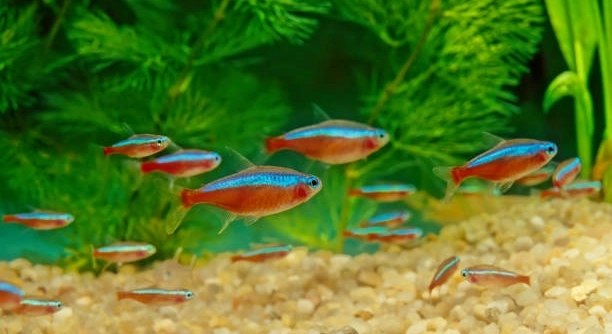
One of the first signs of Neon Tetra Disease is a noticeable change in the fish’s coloration. Normally, neon tetras are vibrant with blue and red hues. When infected, their colors can fade, appearing dull or washed out. This symptom can be easy to spot, especially in healthy fish. If your neon tetras lose their vibrant colors without any obvious environmental changes, it could indicate the onset of the disease. This fading is due to the parasite attacking the fish’s tissues, affecting their natural pigmentation.
Noticing this early can help you act quickly to separate infected fish and prevent the spread to others.
If your neon tetra looks sick and its bright colors start to disappear, it’s time to check the rest of your tank. A faded neon tetra may be trying to fight an infection that could spread quickly if not managed properly.
2. Difficulty Swimming
Another sign of Neon Tetra Disease is difficulty in swimming. Infected fish may seem less active or have trouble swimming properly. They might swim in circles or struggle to stay afloat. This abnormal behavior is caused by the parasite attacking the fish’s nervous system. It disrupts their motor functions, making it hard for them to move naturally in the water. This change in swimming patterns is often one of the first clear signs that something is wrong.
If you notice your fish is acting strangely, monitor them closely. Early intervention is key to preventing the disease from spreading. If several fish show signs of abnormal swimming, the infection could already be well advanced.
When a fish has difficulty swimming, it can quickly deteriorate. The disease affects the nervous system, making it harder for the fish to stay coordinated. If you spot this symptom, isolate the affected fish immediately and ensure the water quality is optimal. A clean environment can reduce stress and prevent further spread of the disease.
3. Loss of Appetite
A noticeable loss of appetite can also signal Neon Tetra Disease. Infected fish may refuse to eat or show disinterest in food. When fish stop eating, it’s often an early sign of illness. This happens because the parasite affects their internal organs and reduces their natural desire to feed.
If your fish are no longer responding to food, it’s important to monitor them closely. A lack of appetite can weaken the fish, leading to further complications. It’s essential to offer food in small portions and ensure it’s high-quality, as this can help prevent malnutrition during the healing process.
If multiple fish in your tank begin to avoid food, the problem could be more widespread. Take this as a clear indication to check the water quality and isolate any sick fish. By acting quickly, you can minimize the risk of the infection spreading to healthy fish.
4. White Patches or Lesions
White patches or lesions on the body are common signs of Neon Tetra Disease. The parasite causes these skin changes, which often appear as small, white spots. They can occur around the fish’s head, body, or fins. These lesions are not just a cosmetic issue but signal an infection that could spread quickly.
This skin condition might begin as tiny, white spots but can grow into larger lesions over time. If untreated, the infected fish may show visible damage to their skin. Regularly inspect your fish for any signs of unusual growth or discoloration on their body.
The lesions caused by Neon Tetra Disease can make the fish more vulnerable to secondary infections. The skin damage, combined with other symptoms, could lead to further complications if the disease goes untreated. Keep an eye on any sores or lesions and consult with an aquarium specialist if you notice any concerning changes.
5. Erratic Behavior
Fish with Neon Tetra Disease often display erratic behavior, such as swimming in a disoriented manner or suddenly darting around the tank. This happens because the parasite affects the nervous system, causing irregular motor functions. If you see your fish acting strangely, it’s likely a sign of the disease.
When neon tetras swim uncontrollably or seem confused, it’s a signal that the infection is advancing. These abnormal movements may worsen over time. If you observe this behavior in your fish, it’s important to take action immediately to reduce the risk of the disease spreading to others in the tank.
6. Clamped Fins
Clamped fins, where the fish keep their fins pressed against their bodies, is another common sign of Neon Tetra Disease. Healthy fish generally hold their fins wide open, but infected fish may show signs of distress by clamping them close to their bodies. This behavior indicates discomfort.
Fish with clamped fins are often stressed or weakened due to the infection. It can be caused by the fish’s internal struggle with the parasite. Clamped fins should not be ignored, as they can indicate serious underlying health problems that need immediate attention.
7. Abnormal Swimming Patterns
Abnormal swimming patterns are another telltale sign of Neon Tetra Disease. Infected fish may swim erratically or in strange patterns, such as spiraling or floating near the surface. This occurs because the parasite disrupts their movement, making it difficult for them to swim normally.
If your neon tetra displays this behavior, take immediate action. Abnormal swimming can make it harder for the fish to catch food or avoid stressors in the tank. This can result in further weakening the fish, leading to a rapid decline in their health.
FAQ
What causes Neon Tetra Disease?
Neon Tetra Disease is caused by a parasite called Plistophora hyphessobryconis, which primarily affects neon tetras. This parasite attacks the fish’s internal organs and nervous system, leading to symptoms like color loss, abnormal swimming, and lesions. It can be introduced through infected fish, water, or equipment. Maintaining clean water and quarantining new fish can help reduce the risk.
How does Neon Tetra Disease spread?
The disease spreads easily in aquariums, particularly when infected fish are introduced without proper quarantine. The parasite can also spread through contaminated water, tank equipment, or by direct contact between infected and healthy fish. It’s essential to isolate any sick fish and disinfect the tank regularly to prevent further contamination.
Can Neon Tetra Disease be cured?
Unfortunately, Neon Tetra Disease has no effective cure. Once a fish is infected, the disease typically progresses rapidly, and the fish will eventually succumb to the infection. However, isolating the infected fish and maintaining excellent water quality can help reduce the spread. In some cases, treating the tank with medicated food or anti-parasitic medications can ease symptoms and help keep other fish healthy.
How can I prevent Neon Tetra Disease?
Preventing Neon Tetra Disease begins with proper tank maintenance and careful monitoring of your fish. Quarantine new fish for at least two weeks before introducing them to your main tank. Maintain stable water conditions, clean your equipment regularly, and avoid overfeeding to reduce the risk of infection. It’s also important to monitor your fish for any early signs of illness and address them immediately.
Is Neon Tetra Disease contagious to other fish species?
While Neon Tetra Disease primarily affects neon tetras, it can potentially infect other species of fish in the Characidae family. However, it is rare for the disease to spread to fish outside of this group. It’s always best to isolate infected fish to prevent any risk to other species in the tank.
Can the parasite survive outside of water?
The parasite that causes Neon Tetra Disease cannot survive for long outside of water. It requires a fish host to complete its life cycle. However, contaminated equipment, such as nets, tanks, or decorations, can carry the parasite. Cleaning and disinfecting all aquarium equipment thoroughly can help reduce the risk of spreading the disease.
What are the early signs of Neon Tetra Disease?
Early signs of Neon Tetra Disease include color fading, loss of appetite, abnormal swimming, and white lesions on the fish’s body. If you notice these symptoms, it’s important to act quickly by isolating the infected fish and maintaining optimal water conditions. Early detection can help slow the spread of the disease.
How do I know if my fish has Neon Tetra Disease or something else?
Identifying Neon Tetra Disease can be tricky because its symptoms overlap with other illnesses. However, the distinct white lesions, color fading, and erratic swimming are strong indicators. If you’re unsure, consider consulting an aquarium specialist or veterinarian to get an accurate diagnosis. Proper identification is key to effective treatment.
Can Neon Tetra Disease be transmitted through the water?
Yes, Neon Tetra Disease can be transmitted through the water, especially if it contains parasites or infected debris from sick fish. The disease can spread quickly in tanks with poor water quality or when new fish are introduced without quarantine. Regular water changes and disinfecting equipment are essential to maintaining a healthy tank.
Can I treat Neon Tetra Disease with medication?
There are some medications available that claim to treat parasitic infections in fish. However, most treatments are not effective against Neon Tetra Disease, as the parasite attacks the fish internally. Some fish may survive longer with supportive care, such as maintaining excellent water quality and providing a stress-free environment, but there’s no guaranteed cure.
How long can a fish live with Neon Tetra Disease?
The lifespan of a fish with Neon Tetra Disease can vary. The disease often progresses rapidly, and many fish may succumb to it within a few weeks after showing symptoms. However, the progression speed can depend on the severity of the infection and the overall health of the fish. Isolating the sick fish and improving the water conditions may extend their life, but there is no cure for the disease.
What should I do if my tank has a case of Neon Tetra Disease?
If Neon Tetra Disease is present in your tank, immediately isolate the infected fish. Disinfect all equipment, such as nets, tanks, and decorations, to prevent further contamination. Test and maintain the water quality by ensuring proper filtration and water parameters. Regularly monitor the health of the remaining fish to spot any signs of infection early.
Is Neon Tetra Disease fatal?
Yes, Neon Tetra Disease is usually fatal if left untreated. The parasite causes severe internal damage, which can lead to death. While there is no cure, early isolation of infected fish and maintaining excellent water conditions can help prevent the spread of the disease to other fish. It’s important to act quickly to limit the damage.
Can I still keep neon tetras in my tank after an outbreak of Neon Tetra Disease?
Once your tank has had an outbreak of Neon Tetra Disease, it’s best to wait before adding new neon tetras. The parasite can linger in the water or on tank equipment, potentially affecting future fish. Thoroughly clean and disinfect everything before introducing new fish, and keep a close watch on their health to prevent reinfection.
What are the long-term effects of Neon Tetra Disease?
The long-term effects of Neon Tetra Disease are mostly seen in the fish that have been infected. Once the parasite takes hold, it causes progressive internal damage, leading to death. If the disease spreads, it can significantly affect your entire tank. For the tank itself, maintaining proper care and keeping fish isolated can help prevent long-term contamination of the environment.
Final Thoughts
Neon Tetra Disease can be a serious issue for any aquarium owner, but with the right approach, it can be managed. Recognizing the early symptoms is crucial to preventing the spread of the disease to healthy fish. The key signs—such as fading colors, loss of appetite, and erratic swimming—can be spotted early, giving you the chance to act quickly. By monitoring your fish regularly and keeping your tank environment clean, you can reduce the risk of infection and help protect your fish from this harmful disease.
Unfortunately, there is no known cure for Neon Tetra Disease, and once a fish is infected, it typically doesn’t survive. However, by isolating affected fish and maintaining excellent water quality, you can slow the disease’s progression and keep other fish safe. Regularly cleaning your tank, quarantining new arrivals, and using high-quality food can all contribute to a healthier environment for your fish. The more you care for your tank and fish, the more likely they are to thrive, even in the face of potential disease.
If you find yourself dealing with an outbreak of Neon Tetra Disease, it’s important to remain calm and take steps to contain it. Isolating sick fish, disinfecting your tank equipment, and ensuring optimal water conditions are essential actions to take. While the disease is serious, keeping your tank clean, reducing stress, and quickly responding to the early signs of illness will help you protect your neon tetras and other fish. Taking these steps can help ensure that your tank remains a safe and healthy place for all its inhabitants.

Hello,
If you enjoy the content that we create, please consider saying a "Thank You!" by leaving a tip.
Every little bit helps us continue crafting quality advice that supports the health, happiness, and well-being of pets around the world, for pets of all shapes, sizes, and species.
We really appreciate the kindness and support that you show us!