
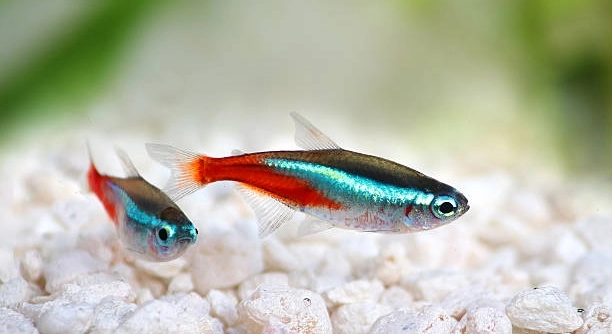
Neon Tetras are beautiful and peaceful fish that thrive in community aquariums. However, creating a harmonious environment for them requires careful attention to their needs and the dynamics of other fish in the tank.
To successfully cultivate a peaceful Neon Tetra community, focus on maintaining stable water conditions, selecting compatible tankmates, providing ample hiding spots, feeding appropriately, ensuring proper schooling behavior, monitoring stress levels, and avoiding aggressive species.
By following these simple approaches, you will create an environment where your Neon Tetras can thrive peacefully and coexist with their companions.
Maintaining Stable Water Conditions
Neon Tetras require stable water parameters to thrive. It’s essential to monitor the temperature, pH, and hardness regularly. They prefer water temperatures between 72°F and 78°F and a pH of 6.0 to 7.5. Sudden changes in water conditions can stress the fish, affecting their health and behavior. Maintaining a consistent environment reduces the risk of disease and encourages natural behavior.
Regular water changes, around 25% every two weeks, will help maintain water quality. Using a reliable filter is important to keep the water clear and oxygenated. Additionally, avoid overcrowding the tank to ensure proper filtration and space for each fish.
Testing your water with reliable kits will help you stay on top of any shifts in parameters. Keep in mind that the more stable the environment, the less stress your Neon Tetras will experience. Healthy water conditions are a foundation for a peaceful and thriving tank.
Choosing Compatible Tankmates
Neon Tetras are small, peaceful fish that can be easily intimidated by more aggressive species. When selecting tankmates, choose fish of similar size and temperament. Avoid larger or overly active fish that might harass them.
Suitable tankmates for Neon Tetras include other small, peaceful fish like Corydoras, Guppies, and Harlequin Rasboras. These species share similar water requirements and temperaments, making them ideal companions. Always consider the size of your tank and the number of fish to avoid overcrowding.
When planning your community tank, remember that peaceful tankmates will contribute to a calm atmosphere. Too many aggressive species can disrupt the peace, causing stress and reducing the overall well-being of your Neon Tetras. Keeping a harmonious environment with compatible species ensures a healthy, happy aquarium for everyone.
Providing Ample Hiding Spots
Neon Tetras enjoy having places to retreat to when they feel stressed. Adding plants, caves, or decorations gives them the space they need to hide and rest. These spots also mimic their natural environment, which helps reduce stress and encourages natural behavior.
When selecting decorations, be mindful of their material. Avoid sharp edges or rough surfaces that could harm the delicate fins of your fish. Live plants work well for creating hiding spots, and they also contribute to water quality by absorbing excess nutrients.
Remember that some Neon Tetras may be shy, especially in a new environment. Providing enough hiding spots ensures they feel safe, especially when they need a break from other fish. The more they feel secure, the more relaxed and peaceful the entire community will be.
Feeding Appropriately
Overfeeding can lead to water pollution and health issues for your fish. It’s essential to provide the right amount of food that your Neon Tetras can consume in 2-3 minutes. Avoid leaving uneaten food in the tank, as it can decompose and harm water quality.
Neon Tetras are omnivores, so a varied diet is necessary for their well-being. Offer them high-quality flake food, frozen or live foods like brine shrimp, and occasional plant matter. This variety ensures they get the nutrients they need for vibrant color and overall health.
Feed them small portions throughout the day, ensuring they eat everything in one go. This feeding method helps prevent the buildup of uneaten food, reducing water pollution and maintaining a healthy environment. By feeding appropriately, you help your Neon Tetras stay active and healthy in their peaceful community.
Ensuring Proper Schooling Behavior
Neon Tetras are naturally social fish and thrive when kept in groups of at least six or more. A proper school helps reduce stress and allows them to exhibit their natural behaviors. A single Neon Tetra will likely feel isolated and stressed.
When you have a proper school of Neon Tetras, they become more active and exhibit less aggression. This is crucial for maintaining a peaceful tank. A group of at least six fish ensures they can socialize and stay calm. The larger the school, the more comfortable they will feel.
A well-maintained school not only boosts their well-being but also creates an attractive display in your aquarium. Watching them swim together in harmony adds to the peaceful nature of your community tank.
Monitoring Stress Levels
Stress in Neon Tetras can lead to disease and aggression. It’s important to observe their behavior regularly. Signs of stress include erratic swimming, hiding for long periods, or faded colors.
If you notice these signs, check the water conditions first. Poor water quality, temperature changes, or incompatible tankmates can trigger stress. By ensuring a stable environment and compatible fish, you reduce the risk of stress-related health issues.
Keeping your Neon Tetras’ stress levels in check is crucial for maintaining their health and peaceful behavior. A calm environment promotes natural behavior and a thriving community.
Avoiding Aggressive Species
Aggressive tankmates can upset the peace of your Neon Tetra community. Fish like cichlids, bettas, or larger, more territorial species should be avoided. These fish often cause stress and harm to the more peaceful Neon Tetras.
By avoiding aggressive species and selecting peaceful tankmates, you ensure a calm and harmonious environment. Smaller, non-aggressive fish such as Corydoras, Guppies, or Rasboras are ideal. Keeping the tankmates compatible will help prevent bullying and reduce stress in your Neon Tetras.
FAQ
How many Neon Tetras should be kept together?
Neon Tetras are schooling fish and should be kept in groups of at least six to thrive. A larger group will reduce stress and help them feel secure. A small school will cause them to feel isolated and possibly stressed.
What temperature is best for Neon Tetras?
Neon Tetras prefer water temperatures between 72°F and 78°F (22°C – 26°C). Fluctuating temperatures can lead to stress and health issues. Keep the aquarium in this range to ensure their well-being and prevent disease.
Can Neon Tetras live with other fish?
Yes, Neon Tetras are peaceful and get along well with other non-aggressive species. Avoid tankmates that are too large or overly territorial, as they may cause stress or harm to the Neon Tetras.
What size tank is needed for Neon Tetras?
A 10-gallon tank is the minimum size recommended for a small school of Neon Tetras. If you plan on adding other species, a larger tank is preferred to maintain water quality and provide enough space for all the fish to swim comfortably.
What should I feed Neon Tetras?
Neon Tetras are omnivores and need a balanced diet. Feed them a mix of high-quality flake food, frozen or live foods like brine shrimp, and occasional plant matter. This variety will support their health and vibrant colors.
How often should I feed my Neon Tetras?
Feed your Neon Tetras small portions 2-3 times a day. Make sure they can consume all the food within a few minutes. Overfeeding can lead to water quality issues, so only provide what they can eat.
How long do Neon Tetras live?
Neon Tetras typically live 5 to 10 years with proper care. Factors such as water quality, tank conditions, and diet will affect their lifespan. Keeping their environment stable is key to ensuring they live a long, healthy life.
What are the signs of a stressed Neon Tetra?
Signs of stress include erratic swimming, hiding for long periods, and faded or dull colors. Stress can also lead to illness, so it’s important to identify the cause and address it quickly.
How do I prevent disease in Neon Tetras?
Preventing disease starts with maintaining stable water conditions, avoiding overcrowding, and feeding a varied diet. Regular water changes, proper filtration, and quarantine for new fish will help reduce the risk of introducing disease.
Can Neon Tetras tolerate hard water?
Neon Tetras prefer soft, slightly acidic water. They can tolerate moderately hard water, but extreme hardness can cause stress and impact their health. Test your water regularly to ensure it remains within the preferred range.
Are Neon Tetras easy to breed in an aquarium?
Breeding Neon Tetras in an aquarium can be challenging but not impossible. They require specific conditions like soft, slightly acidic water and stable temperatures. Providing plants for the eggs to attach to and separating the adults after spawning is also necessary.
What should I do if my Neon Tetra is swimming erratically?
Erratic swimming can indicate stress, poor water quality, or illness. Check the water conditions first to ensure they are within the proper range. If the issue persists, look for signs of disease or injury and consult an aquarium specialist if needed.
How can I tell if a Neon Tetra is male or female?
Male Neon Tetras are typically slimmer and more colorful than females, while females are slightly rounder, especially when carrying eggs. During breeding, males will often become more vibrant and actively chase the females.
Can I keep a single Neon Tetra in a tank?
No, Neon Tetras should always be kept in schools of at least six to reduce stress and encourage natural behavior. A solitary Neon Tetra will likely become stressed and may exhibit poor health.
Do Neon Tetras need special lighting?
Neon Tetras do not require special lighting. However, low to moderate light is best for them. Bright light can stress the fish and make them hide. Using a light that mimics natural conditions will help create a calm environment.
How do I introduce new fish to a tank with Neon Tetras?
When adding new fish, quarantine them for a few weeks to avoid introducing disease. Ensure the new fish are compatible in terms of size and temperament. Introduce them slowly, allowing time for the existing school to adjust.
Can Neon Tetras live with shrimp?
Yes, Neon Tetras can live with shrimp, especially smaller species like cherry shrimp. However, they may occasionally eat baby shrimp. To prevent this, provide plenty of hiding spaces for the shrimp to stay out of reach.
What should I do if my Neon Tetra is sick?
If your Neon Tetra shows signs of illness, quarantine it immediately to prevent the spread of disease. Check the water quality and research symptoms to determine the cause. Consult an aquarium expert or vet for proper treatment.
How do I maintain good water quality for Neon Tetras?
Good water quality is maintained through regular water changes (about 25% every 2 weeks), a reliable filter, and monitoring water parameters like temperature, pH, and hardness. Avoid overfeeding and overcrowding to help keep the water clean.
Can Neon Tetras live in a planted tank?
Yes, Neon Tetras thrive in planted tanks. Plants provide hiding spots, reduce stress, and help maintain water quality by absorbing excess nutrients. Make sure to choose plants that won’t overwhelm the fish or crowd the tank too much.
What should I do if my Neon Tetra isn’t eating?
If your Neon Tetra isn’t eating, check the water parameters and ensure they are within the optimal range. Stress, disease, or incompatible tankmates can cause loss of appetite. Try offering different foods or seek advice from an aquarium expert.
Final Thoughts
Creating a peaceful and thriving Neon Tetra community requires attention to their natural behaviors and environmental needs. They are small, peaceful fish that prefer being in schools, and providing them with the right conditions will help them flourish. A proper school of at least six Neon Tetras reduces stress and encourages natural behavior, creating a dynamic and attractive tank environment. By carefully selecting tankmates that are compatible and ensuring that the water parameters are stable, you can maintain a healthy and peaceful aquarium.
Proper care extends beyond just providing a stable environment. Regular water changes, a balanced diet, and keeping stress factors low will all contribute to the well-being of your Neon Tetras. They are sensitive to water conditions, so maintaining a consistent water temperature and pH level is essential. Overfeeding should be avoided, as this can lead to poor water quality, which in turn can harm your fish. Providing appropriate filtration and avoiding overcrowding will help maintain a safe space for them to thrive.
By following these guidelines, you can enjoy a peaceful Neon Tetra community in your aquarium. They are relatively low-maintenance and easy to care for, making them a great choice for beginners and experienced aquarists alike. Taking the time to create an environment where they can live comfortably will ensure that your Neon Tetras remain healthy and vibrant for years to come. With the right approach, you will have a beautiful, harmonious tank full of happy, active fish.

Hello,
If you enjoy the content that we create, please consider saying a "Thank You!" by leaving a tip.
Every little bit helps us continue crafting quality advice that supports the health, happiness, and well-being of pets around the world, for pets of all shapes, sizes, and species.
We really appreciate the kindness and support that you show us!