
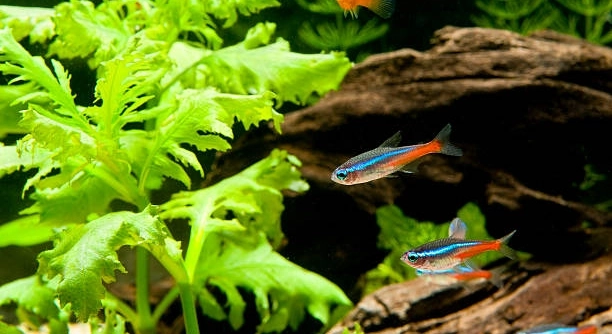
Is your neon tetra refusing to eat, even though you’ve tried offering their usual food and a few treats too? It can be frustrating and worrying when your fish starts acting differently without a clear reason.
The most common reasons your neon tetra is not eating include poor water quality, stress, illness, and changes in diet or environment. Identifying and addressing these issues quickly is essential for your fish’s health and well-being.
Understanding each of these reasons can help you make simple but effective changes that may encourage your tetra to start eating again.
Poor Water Quality
Neon tetras are sensitive fish, and even small changes in water quality can affect their behavior and appetite. Ammonia, nitrite, and nitrate levels that are too high can stress them out or make them sick. A sudden drop or rise in temperature, or a change in pH, can also throw them off. Regular testing is important, especially after a water change or if something new was added to the tank. If the water doesn’t feel right for them, they may stop eating. Keeping the tank clean and conditions stable gives your tetra a safe and healthy space to live.
Signs like cloudy water, odd swimming, or hiding more than usual can mean the water needs attention.
Check your filter, monitor the water temperature daily, and use a test kit weekly. Even if the water looks clean, invisible shifts in chemistry may be affecting your tetra’s health. Small, regular changes go a long way.
Stress from Tank Changes
Neon tetras can become stressed when their environment changes too fast. Moving decor, switching tanks, or adding new fish can all lead to stress.
Stress affects how neon tetras eat, swim, and interact. They may stay near the bottom or hide more than usual. Loud noises, sudden lights, or even frequent tapping on the tank can make them feel unsafe. Their natural instinct is to stay still or out of sight when something doesn’t feel right. When that happens, they may lose interest in food altogether. Even things like a recent cleaning session or a new plant in the tank can cause temporary stress. It’s important to give your tetra time to adjust. Try to keep routines steady and changes gradual. If new fish were added, make sure they are peaceful and not disturbing the tetras. A calm, familiar environment helps neon tetras feel secure enough to resume their normal behavior, including feeding.
Illness or Parasites
If your neon tetra is not eating, it could be due to an illness or internal parasites. Fish that are sick often lose their appetite and may become less active or hide more often than usual.
Common signs of illness in neon tetras include faded color, clamped fins, white spots, or bloating. Internal parasites may not always show visible symptoms but can lead to weight loss, strange swimming patterns, and lack of appetite. If you notice any of these signs, isolate the fish if possible and consult a vet or aquarium specialist. Treatment usually involves medicated food or water additives. Keeping the tank clean and avoiding overfeeding also helps prevent illness. Prompt attention makes a big difference in recovery.
When illness is caught early, many fish recover well. However, if multiple fish stop eating or act strangely, it may point to a larger issue in the tank. Always monitor all your fish for changes.
Incompatible Tank Mates
Some tank mates can intimidate or harass neon tetras, especially if they are larger or more aggressive. This can make your tetras feel unsafe, leading them to avoid feeding times.
Fast or territorial fish may outcompete tetras for food, causing stress during feeding. Tetras prefer to eat in calm, low-stress environments. If another fish is constantly chasing or blocking them, they may simply stop trying. Try observing your tank during feeding to see if the tetras are being pushed away. Consider rearranging the tank to create more hiding spaces and break line of sight. In some cases, rehoming the aggressive fish may be the best option. Neon tetras do best with peaceful companions like guppies, corydoras, or other small schooling fish. Matching their temperament ensures they feel relaxed enough to eat regularly. Keeping tank harmony makes a big difference in their overall health and behavior.
Unfamiliar or Poor-Quality Food
Sometimes neon tetras refuse to eat because they don’t recognize the food or it’s not appealing. Switching brands or types too quickly can confuse them, especially if the texture or smell is very different.
Low-quality food may lack the nutrients or freshness that neon tetras need. It can even make them sick over time.
Overfeeding or Feeding at the Wrong Time
Overfeeding can lead to leftover food, which spoils the water and causes stress. If the fish aren’t hungry, they’ll ignore new food. Tetras eat best when fed in small amounts once or twice a day. Observe how much they eat in two minutes and adjust portions accordingly.
Aging or Natural Decline
As neon tetras age, their appetite can slow down. They may eat less or become pickier, especially if they’re nearing the end of their lifespan.
FAQ
How long can a neon tetra go without eating?
Neon tetras can usually survive without food for about 5 to 7 days, but that doesn’t mean it’s healthy. Going more than a couple of days without eating can cause stress and weaken their immune system. If they stop eating for more than 2 days, it’s important to look for signs of illness, poor water conditions, or stress from tank mates. Even if they’re just adjusting to a new environment, you should keep a close watch and take steps to make them feel safe and comfortable again.
What should I feed my neon tetra to encourage eating?
Start with high-quality flakes or micro pellets made for small tropical fish. Frozen or live foods like daphnia, brine shrimp, or bloodworms are great for tempting picky eaters. Sometimes a variety can help—rotating between two or three types of food gives them options and can bring back their appetite. Make sure the pieces are small enough, as tetras have tiny mouths. If the food is too big, they might ignore it completely.
Can neon tetras get bored of the same food?
Yes, they can. While they don’t have complex emotions, neon tetras can stop showing interest in the same food day after day. Mixing things up with a different brand, type, or even frozen treats once a week can keep them more engaged during feeding. A varied diet is also better for their health in the long run, giving them a broader range of nutrients.
Should I isolate a neon tetra that isn’t eating?
If your tetra shows signs of illness—like swelling, discoloration, or strange swimming—it’s best to move it to a quarantine tank. This helps protect your other fish and gives the sick one a calmer place to recover. If it’s just not eating but otherwise seems healthy, you can observe it for a day or two in the main tank before taking action.
Why is only one tetra not eating while the others are fine?
It’s possible that the tetra is lower in the group’s social order or being bullied by another fish. It might also be dealing with an early-stage illness that hasn’t spread. Keep an eye on it and make sure it’s not being chased or blocked from food. If the behavior continues, consider separating it for closer observation.
Do neon tetras eat at specific times of day?
They don’t need a strict feeding schedule, but they usually respond best to a regular routine. Feeding them in the morning and evening around the same time each day helps them feel secure. Avoid feeding late at night, as most fish start to rest once lights are dimmed.
Is it normal for new neon tetras not to eat right away?
Yes, it’s pretty common. When neon tetras are added to a new tank, they often need a few days to settle in. During this time, they may avoid food, hide, or act nervous. Try to keep the lights low, avoid sudden movements, and let them adjust gradually. Once they feel safe, they usually begin eating.
Can poor lighting affect their eating habits?
Yes. If the lighting is too harsh or inconsistent, it can stress neon tetras and make them avoid food. They do best with gentle, consistent lighting that follows a natural day-night cycle. Sudden flashes or long periods of light can make them uneasy.
Is it okay to skip a day of feeding sometimes?
Yes, skipping a day every now and then is fine and can even help prevent overfeeding. It gives the tank time to clear any leftover food and helps maintain water quality. Just don’t make it a frequent habit, especially if your fish already seems uninterested in eating.
Can water temperature affect appetite?
Absolutely. Neon tetras thrive in water temperatures between 72–78°F (22–26°C). If it gets too cold or too warm, their metabolism slows down or speeds up too much, which affects their appetite. Always check your heater and thermometer to make sure the water stays stable.
Final Thoughts
Taking care of neon tetras means paying close attention to small changes in their behavior. When they stop eating, it’s often a sign that something in their environment or health needs attention. While it can be worrying to see them ignore their food, the reasons behind it are usually fixable. Things like water quality, stress, illness, or even changes in their food can all lead to a loss of appetite. The key is to stay calm, observe carefully, and try one solution at a time. Watching how your tetra behaves before, during, and after feeding can give you helpful clues.
Maintaining a clean and stable tank goes a long way. Make sure the water conditions are steady, the tank is peaceful, and your tetras are not being bullied or overwhelmed by more aggressive fish. Try feeding them small amounts at the same time each day, and mix up their diet every so often with good-quality food. If they still refuse to eat after a few days, check for signs of illness or consider moving them to a quiet, separate space. Acting early helps prevent bigger problems and can often get them back on track quickly.
Caring for small fish like neon tetras can feel tricky at times, but it gets easier once you understand their needs. They are sensitive creatures, but they’re also strong when given the right care. If your tetra isn’t eating, it doesn’t always mean something serious is wrong. Often, with a few small changes, they begin eating again and return to their usual behavior. The more time you spend learning about your fish and their habits, the more confident you’ll feel in keeping them healthy. Patience, consistency, and observation are the most helpful tools you can use.

Hello,
If you enjoy the content that we create, please consider saying a "Thank You!" by leaving a tip.
Every little bit helps us continue crafting quality advice that supports the health, happiness, and well-being of pets around the world, for pets of all shapes, sizes, and species.
We really appreciate the kindness and support that you show us!