
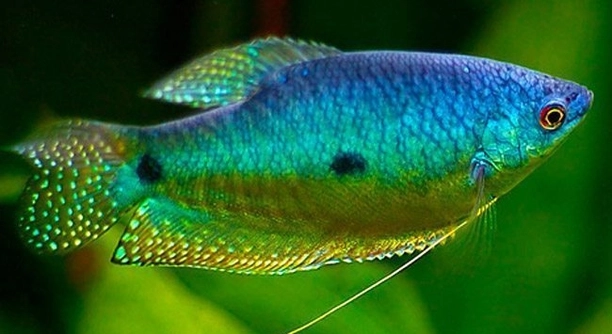
Female gouramis display various behaviors that indicate dominance within their groups. Recognizing these signs is important for maintaining a balanced and peaceful aquarium environment. Observing their interactions helps keep stress levels low and promotes healthier fish.
Dominance in female gouramis is typically shown through physical displays such as flaring fins, chasing, and maintaining control over preferred territories. These behaviors establish social hierarchy and reduce conflicts by clearly signaling status to other fish.
Identifying these dominant traits can improve aquarium management and ensure the well-being of all gouramis in the tank. Understanding these behaviors aids in creating a stable environment for your fish.
Recognizing Physical Signs of Dominance
Female gouramis show dominance mostly through body language and movements. They often flare their fins to appear larger and more intimidating to others. This fin-flaring is a clear warning to less dominant fish to keep their distance. Another common sign is chasing. Dominant females actively pursue subordinate ones, pushing them away from preferred areas in the tank. Territorial control is important, as dominant females usually claim the best hiding spots and feeding zones. These physical signs help keep the social order clear. Understanding these behaviors makes it easier to manage multiple gouramis in one tank and avoid unnecessary stress or injury.
Dominant females also maintain upright posture and swim confidently. Submissive fish tend to avoid eye contact and swim lower in the tank.
Observing these physical cues early helps prevent conflicts. Setting up enough space and hiding places reduces stress. When dominant gouramis control certain areas, others avoid confrontations and live more peacefully.
Social Behavior and Tank Dynamics
Social structure among female gouramis is usually stable once dominance is established. Dominant fish lead the group by controlling resources and space. Subordinate fish often accept this hierarchy to avoid fights. This behavior reduces stress and aggressive encounters in the tank. The established order benefits all fish by minimizing injuries and promoting natural interactions.
Dominance behaviors include chasing and brief fights that rarely cause serious harm.
Maintaining a proper tank environment supports these social dynamics. Providing enough room and plants for hiding helps weaker fish escape aggressive moments. Keeping an eye on the behavior allows timely action if tensions rise. Sometimes rearranging decorations breaks established territories and lowers aggression. Monitoring food distribution ensures that less dominant gouramis receive enough nutrition without being bullied away. Tank conditions and social balance go hand in hand to keep female gouramis healthy and calm.
Impact of Dominance on Gourami Health
Dominance behavior can sometimes stress less dominant female gouramis. Stress lowers their immune response and makes them prone to illness. Ensuring peaceful interactions is crucial for the overall health of all fish in the tank.
Stress from constant chasing or hiding leads to reduced feeding and slower growth. Submissive gouramis may also lose color and become lethargic. Long-term stress affects breeding success and lifespan. It is important to watch for these signs and intervene when necessary. Adjusting the tank layout or separating aggressive fish can help reduce tension. A well-balanced environment promotes healthier gouramis with better immunity and behavior.
Adding plants and decorations provides hiding spots to reduce direct contact. Consistent water quality and proper nutrition also help gouramis withstand social pressures. Keeping the tank environment stable supports the well-being of both dominant and submissive females.
Managing Dominance with Tank Setup
Tank size plays a critical role in controlling dominance behavior. A larger tank allows more space for territory and reduces direct competition. It lowers the chances of constant chasing and fighting. Providing plenty of hiding places gives less dominant females refuge from aggression. Plants, rocks, and decorations create natural barriers that help break up sightlines and territories. These structures make it harder for dominant gouramis to maintain control over the entire tank. Proper setup leads to a more balanced social environment and less stress for all fish.
Regular rearrangement of tank decor can prevent territorial buildup. Feeding in multiple locations helps avoid food guarding. Monitoring fish behavior allows timely changes in tank conditions. Managing dominance with tank setup is an effective way to maintain harmony. A thoughtfully arranged aquarium supports the natural social structure without excessive aggression or injury.
Feeding and Dominance
Dominant female gouramis often eat first and may chase others away from food. This behavior can lead to uneven feeding and weaker fish losing weight.
To prevent this, feed in multiple spots around the tank. This ensures all gouramis have access to food without competition or stress.
Recognizing Stress Indicators
Signs of stress in submissive gouramis include hiding more often, losing color, and reduced activity. These symptoms indicate they may be overwhelmed by dominant tank mates. Observing behavior closely helps catch problems early before health declines.
Separation Strategies
Separating overly aggressive gouramis may be necessary to protect weaker fish. Using tank dividers or creating a separate quarantine tank helps maintain peace and prevents injury.
Monitoring Behavior
Regular observation is essential to maintain a healthy balance. Spotting changes early allows quick adjustments to reduce dominance issues.
FAQ
How can I tell if a female gourami is dominant?
A dominant female gourami shows clear behaviors like flaring fins, chasing other fish, and controlling prime areas of the tank. She often swims confidently near the top or center and uses her size and colors to intimidate others. Watching for these signs helps identify the social leader in the group.
Why do dominant female gouramis chase others?
Chasing is a way to assert control and defend territory. It prevents other fish from entering their preferred spaces or eating first. This behavior keeps the social order stable, reducing the chance of ongoing fights by making roles clear among fish.
Can dominance cause health problems for female gouramis?
Yes. Submissive fish can become stressed from constant bullying, leading to poor appetite, faded colors, and weakened immune systems. Over time, stress can result in illness or shorter lifespans. It is important to manage dominance to protect all fish health.
How can I reduce aggression caused by dominance?
Increasing tank size and adding plants or decorations to create hiding spots can help. Feeding fish in multiple places also reduces food competition. Rearranging tank elements regularly breaks up established territories, lowering aggression levels naturally.
Is it necessary to separate dominant females?
Separation may be needed if aggression becomes severe and threatens other fish. Using tank dividers or a separate quarantine tank allows time for recovery and prevents injuries. Always observe behavior carefully before deciding on separation.
Do dominant female gouramis eat more than others?
Usually, yes. They often eat first and may block others from food. To avoid this, feeding in several locations ensures all fish can eat without stress or competition.
Can dominance affect breeding behavior?
Dominance impacts breeding by influencing which females get access to mates and breeding sites. Stress from being bullied can reduce breeding success in less dominant females. Creating a calm environment supports better reproductive outcomes.
How often should I monitor gourami behavior for dominance issues?
Daily observation is best, especially when introducing new fish or changing tank conditions. Early detection of dominance problems allows for quick intervention, preventing long-term stress or injury.
What signs indicate a submissive gourami is under too much stress?
Signs include hiding more than usual, lack of appetite, faded coloration, and sluggish swimming. These indicate the fish is overwhelmed and may require adjustments in tank setup or social grouping.
Can adding more gouramis help reduce dominance issues?
Adding more fish can sometimes spread aggression but may also increase stress if the tank is too small. It is better to focus on proper tank size, hiding spots, and feeding methods rather than increasing the number of gouramis.
Are there specific tank sizes recommended to manage dominance?
A larger tank, generally 20 gallons or more for a group of female gouramis, helps reduce competition. More space allows each fish to establish its own territory, reducing conflicts and stress.
How important is water quality in managing dominance stress?
Water quality plays a crucial role. Poor conditions add to stress and weaken immune systems, making fish more vulnerable. Regular water changes, proper filtration, and stable parameters support overall health and reduce dominance-related problems.
Can changing tank decorations help with dominance problems?
Yes. Rearranging plants, rocks, and other decorations breaks up established territories. This interrupts aggressive behavior patterns and helps fish adjust to a new social balance.
What should I do if one female gourami is severely bullying others?
If bullying causes injury or extreme stress, separate the aggressive fish immediately. Provide a calm environment for the victims and observe the bully’s behavior closely. Adjust tank setup to minimize triggers before reintroducing fish.
Are dominant behaviors the same in male and female gouramis?
Dominance behaviors differ slightly. Male gouramis are often more territorial and aggressive during breeding. Female dominance is usually more about social order and resource control. Understanding these differences helps manage mixed groups better.
Can diet influence dominance behavior?
A balanced diet supports health and reduces stress, which can lower aggressive tendencies. Nutritional deficiencies may increase irritability. Feeding high-quality food regularly contributes to calmer interactions.
Is it normal for dominant females to lose color during fights?
Color changes usually indicate stress or submission, not dominance. Dominant females tend to maintain or enhance colors to assert control. Fading colors in a dominant fish could suggest health issues or ongoing stress.
How long does it take for a dominance hierarchy to form?
A stable hierarchy can form within days to weeks after introducing females. Early signs like chasing and fin-flaring appear quickly, but full social order settles over time as fish learn their roles.
Can tank mates other than gouramis influence dominance?
Yes. Aggressive or territorial species may trigger more dominant behavior in female gouramis. Choosing compatible tank mates helps reduce overall stress and supports peaceful coexistence.
What equipment can help monitor fish health related to dominance?
Using clear tank lighting and observation tools like a net or container for gentle isolation helps. A good filtration system maintains water quality, while a thermometer ensures stable temperature. These tools support overall fish well-being.
Final Thoughts
Understanding dominance in female gouramis is important for maintaining a healthy aquarium. Dominance behaviors like chasing, fin flaring, and controlling space are natural social actions. Recognizing these signs early helps prevent unnecessary stress and injury among fish. Keeping a close eye on how gouramis interact will give you insight into their social order and help you manage their environment more effectively.
Managing dominance requires a combination of proper tank setup and attentive care. Providing enough space, adding plants and hiding places, and feeding in several locations can reduce conflicts. These adjustments create a more balanced environment where all gouramis can thrive without constant stress. It is essential to monitor their behavior regularly and be ready to make changes when signs of aggression or stress appear. Early intervention helps maintain harmony and supports the health of the entire tank.
While dominance is a natural part of gourami behavior, it should not lead to harm or prolonged stress. Separating overly aggressive individuals may sometimes be necessary to protect weaker fish. Maintaining good water quality, a balanced diet, and a stable environment also plays a vital role in reducing dominance-related problems. Being mindful of these factors ensures female gouramis live longer, healthier lives and that your aquarium remains a peaceful place for all its inhabitants.

Hello,
If you enjoy the content that we create, please consider saying a "Thank You!" by leaving a tip.
Every little bit helps us continue crafting quality advice that supports the health, happiness, and well-being of pets around the world, for pets of all shapes, sizes, and species.
We really appreciate the kindness and support that you show us!