
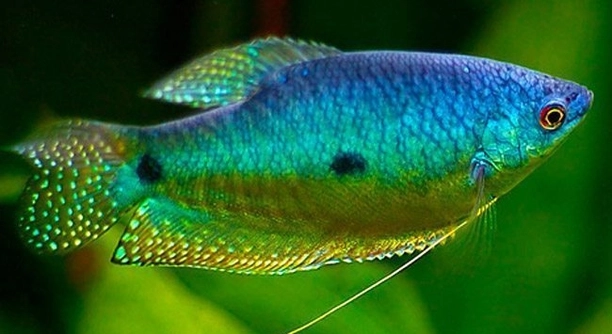
Gouramis are popular aquarium fish known for their calm behavior and interesting habits. One notable behavior is their tendency to guard a specific plant within their environment. This action often puzzles aquarium keepers observing these peaceful fish.
Gouramis guard a specific plant to establish territory, ensure safety, and create a breeding site. This behavior protects their eggs and young, provides shelter, and helps maintain a sense of security within their habitat. It is a natural and instinctive response.
Understanding why gouramis show this behavior can improve aquarium management and fish welfare. The following explanations clarify the reasons behind their plant-guarding habits.
Establishing Territory
Gouramis guard a specific plant mainly to mark their territory. In an aquarium, space is limited, and these fish use plants as boundaries to keep other fish away. This behavior reduces stress by creating a personal safe zone where they feel in control. The guarded plant becomes a visual signal to other gouramis or tank mates, helping avoid unnecessary conflicts. In nature, defending territory ensures access to resources like food and shelter. In captivity, the behavior continues because it provides comfort and security. By choosing one plant, gouramis can monitor their environment more efficiently and react quickly to any threats or intrusions. Observing this behavior can reveal much about a gourami’s mood and health.
Territory guarding also plays a role in social hierarchy, with dominant gouramis claiming the best spots. This natural instinct is important for maintaining order within the tank.
Protecting a plant helps gouramis reduce competition and stress. It creates a secure base where they can thrive peacefully.
Protection and Breeding
Gouramis guard plants as a natural instinct linked to reproduction. These plants offer an ideal site for building bubble nests, which males create to protect eggs and fry. The plant’s leaves provide shelter from strong currents and potential predators. Guarding the nest ensures that the eggs remain safe until they hatch, increasing offspring survival rates. This behavior is particularly visible during breeding seasons when males become more territorial and attentive to their chosen plant.
The guarding fish often chases away intruders, even from different species, showing strong parental investment. This protective behavior is vital for the continuation of their species.
Bubble nests attached to plants allow gouramis to use stable surfaces to support the eggs, preventing them from drifting away. The chosen plant’s position in the aquarium matters, as gouramis prefer quiet, sheltered areas. This selective guarding supports reproductive success and offspring survival. When gouramis are not breeding, their guarding behavior may lessen but remains a significant part of their natural instinct.
Understanding this behavior helps aquarium keepers provide better breeding conditions and improve the fish’s overall well-being.
Comfort and Shelter
Gouramis guard plants because these provide shelter and a sense of comfort. The plant’s leaves offer hiding spots from potential threats and reduce stress.
Plants create shaded areas that mimic the gouramis’ natural environment. In the wild, dense vegetation offers protection from predators and strong water currents. Within an aquarium, the guarded plant becomes a retreat where gouramis can rest safely. The structure of the plant helps break up open spaces, giving the fish a place to feel secure.
This behavior also reduces anxiety by providing a familiar landmark. Gouramis return to this plant frequently, using it as a refuge when they feel threatened or tired. By maintaining a close relationship with the plant, gouramis maintain their well-being and reduce the risk of illness related to stress.
Feeding Strategy
Gouramis guard plants as part of their feeding habits. Plants attract small insects, algae, and microorganisms that serve as food.
By staying close to a plant, gouramis have better access to these food sources without expending much energy searching elsewhere. The guarded plant can support a micro-ecosystem that provides a steady supply of nutrition. This behavior maximizes feeding efficiency, especially in tanks where food may be spread unevenly.
In addition, the plant’s location often helps gouramis ambush small prey passing by. Their guarding behavior allows them to protect this advantageous feeding spot from other fish, ensuring consistent access to nourishment. This natural feeding strategy is key to their survival both in the wild and in captivity.
Environmental Familiarity
Gouramis guard a specific plant because it helps them become familiar with their surroundings. This plant serves as a constant reference point within the tank, reducing disorientation.
This familiarity lowers stress and improves their confidence when exploring.
Stress Reduction
Guarding a plant reduces stress by offering a predictable, secure spot in the environment. This behavior helps gouramis feel safe in a sometimes crowded aquarium.
Plant Choice Preference
Gouramis tend to choose plants with broad leaves or dense foliage. These types provide better cover and support for nesting, making them ideal for guarding.
Behavioral Routine
Guarding a particular plant becomes part of a gourami’s daily routine. Repeating this behavior reinforces their sense of security and territorial ownership.
Why do gouramis guard only one specific plant?
Gouramis often select one plant that meets their needs for shelter, safety, and breeding. This plant usually offers the best combination of cover and location in the tank. Guarding a single plant helps them establish a clear territory and reduces conflicts with other fish. Focusing on one plant also simplifies their environment, making it easier to monitor and defend.
Is this guarding behavior a sign of aggression?
Not necessarily. While guarding involves defending territory, it is more about protection than aggression. Gouramis generally show calm behavior unless another fish approaches too close to their chosen plant. The guarding is mainly a natural instinct to secure safety and breeding sites rather than an act of hostility.
Can guarding harm the plant?
In some cases, yes. Gouramis may nibble on leaves or disturb the roots while defending their territory. However, most of the time, they cause minimal damage. Providing hardy plants can help maintain the tank’s health despite this behavior.
Does guarding change during breeding?
Guarding becomes more intense during breeding seasons. Males protect bubble nests attached to plants and actively chase away intruders. Outside of breeding, guarding is usually less strict but still present as part of their natural instincts.
How can I encourage my gourami to guard a specific plant?
Placing plants with broad leaves and dense foliage in quiet areas of the tank can attract gouramis. Avoid frequent rearranging so the fish can become familiar and comfortable with the environment. Providing good water quality and adequate space will also encourage natural behaviors.
Should I worry about other fish interfering with the guarded plant?
Other fish may sometimes intrude, but gouramis usually defend their territory effectively. If tank mates are aggressive or too curious, it can cause stress. Choosing compatible species and providing multiple plants can help reduce conflicts.
Is it normal for gouramis to guard plants even when there are no threats?
Yes, this is a natural behavior tied to their instincts. Guarding offers comfort and a sense of security, even if the environment is calm. It becomes part of their routine to feel safe and maintain their territory.
Does guarding help gouramis survive in captivity?
Guarding plays a key role in their well-being by reducing stress, protecting breeding sites, and ensuring access to food. It helps replicate their natural instincts, which supports their health and longevity in an aquarium setting.
Can guarding behavior indicate the health of my gourami?
Changes in guarding behavior can sometimes signal stress or illness. If a gourami suddenly stops guarding or becomes overly aggressive, it may be a sign to check water conditions, diet, or look for health issues.
How can I maintain the plant gouramis guard without disturbing them?
Regular but gentle maintenance is best. Trim dead leaves carefully and clean the tank without sudden movements. This approach minimizes stress and helps gouramis keep their preferred plant healthy.
Guarding a specific plant is a natural and important behavior for gouramis. This instinct helps them feel secure and reduces stress in their environment. When gouramis protect a particular plant, they create a safe area that serves multiple purposes such as shelter, territory, and breeding grounds. Understanding this behavior is key to providing a better habitat for these fish. Observing their interaction with plants can reveal much about their mood and well-being. It also shows how their natural instincts continue even in an aquarium setting. By recognizing the reasons behind plant guarding, aquarium keepers can create conditions that support the gouramis’ health and comfort.
Providing suitable plants is essential for gouramis to express this behavior properly. Broad-leafed plants or those with dense foliage are often preferred because they offer better shelter and nesting support. Choosing hardy plants ensures that any minor damage from guarding does not affect the overall appearance and health of the tank. Placing these plants in quiet, stable locations encourages gouramis to settle and claim their territory. Stability in the tank’s environment allows gouramis to feel safe and reduces stress levels. When plants are well maintained and positioned thoughtfully, it helps gouramis thrive and engage in their natural behaviors without disruption.
It is important to monitor the gouramis and their environment regularly. Changes in guarding behavior can indicate issues such as stress, illness, or unsuitable tank conditions. Maintaining good water quality, a balanced diet, and compatible tank mates will support the gouramis’ natural instincts and overall health. Being mindful of their plant-guarding habits helps to prevent conflicts within the tank and ensures that these peaceful fish have the space they need. By respecting this behavior and providing proper care, aquarium keepers can enjoy watching their gouramis live comfortably and naturally. The relationship gouramis form with their chosen plants is a clear example of how environment and instinct work together in aquatic life.

Hello,
If you enjoy the content that we create, please consider saying a "Thank You!" by leaving a tip.
Every little bit helps us continue crafting quality advice that supports the health, happiness, and well-being of pets around the world, for pets of all shapes, sizes, and species.
We really appreciate the kindness and support that you show us!