
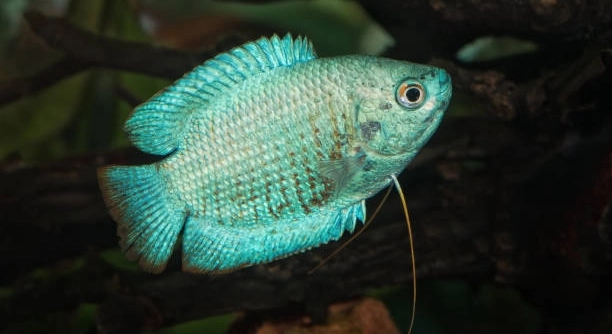
Gouramis are popular freshwater fish known for their peaceful nature and unique behaviors. Many fish owners observe their pets closely, especially when it comes to daily habits like resting. Understanding where and how gouramis sleep can enhance their care.
Gouramis do not sleep in fixed, specific areas but tend to rest among plants or near hiding spots in their environment. Their sleep behavior involves reduced movement and lowered responsiveness, usually in places that provide security and comfort.
Learning about gouramis’ resting habits can improve aquarium setup and ensure their well-being. This article will provide insight into their natural behavior and ideal conditions for restful periods.
Where Do Gouramis Prefer to Rest?
Gouramis often choose resting spots that offer shelter and a sense of safety. In an aquarium, they usually settle among dense plants, near driftwood, or close to decorations that provide hiding spaces. These locations help reduce stress and protect them from perceived threats. Gouramis are labyrinth fish, meaning they breathe air from the surface, so they may also rest near the water surface, sometimes floating or clinging gently to leaves. Their resting behavior is subtle and can be mistaken for inactivity or slow swimming. They lower their movements and stay still for short periods but remain alert enough to respond quickly if needed. Providing ample plants and hiding spots in the tank encourages natural resting habits and helps maintain their comfort and health.
Gouramis rarely pick one exact spot but prefer areas that feel safe and allow easy access to the surface for air.
Resting spots vary based on tank setup and individual temperament. Observing these preferences helps create a more suitable environment and reduces stress, promoting better overall health.
How Sleep Patterns Affect Gourami Behavior
Gouramis do not experience sleep as mammals do but enter restful states with reduced activity. These resting periods occur mostly at night or during quieter times of the day. During rest, gouramis decrease movement and lower responsiveness but remain alert to environmental changes. They may float gently or stay near their chosen hiding spots. This rest is essential for conserving energy and supporting bodily functions. Disturbances, such as sudden light or loud noises, can interrupt these restful phases and cause stress, impacting their well-being. Maintaining a consistent light-dark cycle in the aquarium helps regulate their resting behavior, simulating natural conditions. Providing a calm environment encourages proper rest and allows gouramis to recover and stay healthy.
Gouramis’ sleep-like behavior differs from deep sleep, focusing on energy conservation and alertness.
Their resting state supports health, but frequent interruptions can cause stress and affect behavior negatively. Ensuring quiet and consistent lighting aids in maintaining this balance.
Signs That Gouramis Are Resting
Gouramis show clear signs when they are resting. They slow down their swimming, hover quietly near plants or tank decorations, and reduce their responses to external stimuli. Their fins may remain gently spread, and they often stay close to the water surface.
During rest, gouramis reduce movement but stay alert enough to react if disturbed. They may hold still for minutes, appearing almost motionless but ready to swim away quickly if needed. Their breathing slows, but they continue using their labyrinth organ to take occasional gulps of air. This behavior is normal and important for their health, allowing them to conserve energy while maintaining awareness of their surroundings.
Observing these signs helps aquarium owners understand when their gouramis are resting. It also indicates the fish feel safe and comfortable in their environment. Changes in resting behavior can signal stress or illness, so regular monitoring is useful for early detection.
Creating a Comfortable Resting Environment
A well-planned aquarium supports gouramis’ resting habits. Provide dense plants and decorations for shelter, and maintain a stable temperature and water quality. Soft lighting and a consistent day-night cycle encourage restful behavior.
Avoid overcrowding the tank to reduce stress. Gouramis prefer calm surroundings, so limiting sudden noises or vibrations is essential. Using floating plants helps gouramis rest near the surface comfortably. Ensure oxygen levels are adequate, especially at night, to support their breathing through the labyrinth organ. Regular tank maintenance keeps the environment clean and comfortable, preventing health issues that disrupt resting patterns. By considering these factors, gouramis will have a secure, stress-free place to rest and thrive.
Common Misconceptions About Gourami Resting
Many believe gouramis need a special sleeping area, but they simply seek comfort and security. Their resting behavior is subtle and not easily noticed by casual observation.
Gouramis do not build nests for sleep, though some species create bubble nests for breeding purposes only.
Impact of Lighting on Gourami Rest
Lighting greatly influences gouramis’ resting patterns. Bright or inconsistent light can disrupt their rest and increase stress. A stable light-dark cycle helps maintain their natural rhythm. Dimming lights gradually at night mimics natural conditions, encouraging restful behavior and reducing anxiety.
Gourami Resting Habits in Community Tanks
Gouramis adapt their resting spots to coexist peacefully with tank mates. They often rest in quieter corners or denser plant areas to avoid disturbances and competition.
Signs of Disturbed Rest in Gouramis
Restlessness, increased hiding, or unusual activity may indicate disturbed rest. Such signs often point to stress or unsuitable tank conditions.
FAQ
Do gouramis need complete darkness to rest?
Gouramis do not require complete darkness to rest but do benefit from a consistent light-dark cycle. Dim lighting or natural night conditions help them enter restful states. Sudden bright lights can startle them and interrupt their rest. A gradual transition from light to dark is best for their comfort.
How long do gouramis typically rest each day?
Gouramis usually rest in short periods throughout the day and night, especially during quieter times. They do not have a fixed sleep schedule like mammals but alternate between active and restful phases. Each resting period can last from several minutes to longer, depending on their environment and stress levels.
Can gouramis rest while swimming?
Yes, gouramis often rest by hovering or floating gently in the water. This state involves very low movement and lowered responsiveness. They may stay near plants or decorations to feel secure while resting. This behavior conserves energy without fully losing awareness of their surroundings.
Are there differences in resting habits among gourami species?
Different gourami species may show slight variations in resting preferences based on their natural habitats. Some may prefer denser plant areas, while others rest closer to the water surface. However, all gouramis share the need for secure spots and access to air for breathing during rest.
What signs indicate that a gourami is stressed and not resting well?
Signs of stress include constant swimming without rest, hiding excessively, rapid breathing, or erratic movements. These behaviors suggest the fish feels unsafe or uncomfortable. Poor water quality, overcrowding, or sudden changes in the tank environment are common causes. Addressing these issues usually helps gouramis resume normal rest.
How can I improve my gourami’s resting environment?
Provide plenty of plants and hiding spots to create a secure atmosphere. Maintain stable water temperature and quality. Use soft lighting and establish a regular light-dark schedule. Avoid loud noises or sudden movements near the tank. These steps help gouramis feel safe and encourage proper rest.
Is it normal for gouramis to rest near the water surface?
Yes, gouramis often rest near the surface because they use a labyrinth organ to breathe air. Resting in this area allows easy access to oxygen. Floating or clinging to leaves near the surface is common during their restful phases.
Do gouramis ever stop moving completely when resting?
Gouramis rarely stop moving entirely. Instead, they slow down significantly and may hover in place. This low activity helps conserve energy while keeping them alert to any potential danger. Complete immobility is unusual and could indicate illness.
Can tank mates disturb gouramis’ rest?
Yes, active or aggressive tank mates can disrupt gouramis’ resting behavior. Stress from constant chasing or competition may prevent gouramis from settling comfortably. Choosing peaceful community members and providing enough space reduces these disturbances.
How often should I observe my gouramis to ensure healthy rest?
Regular daily observation is helpful to notice any changes in resting habits or behavior. Watching during quiet times, such as early morning or evening, can reveal how comfortably they rest. Early detection of restlessness or stress helps prevent health problems.
Final Thoughts
Gouramis have simple resting needs that focus on comfort and safety. They do not require special sleeping spots but prefer areas with shelter and easy access to the water surface for breathing air. Providing plants, decorations, and calm surroundings helps gouramis feel secure and supports their natural resting habits. Observing their behavior closely can show when they are resting and when they might be stressed or uncomfortable. These signs are important to maintain a healthy aquarium environment.
Rest is an essential part of a gourami’s life, even though it looks different from the sleep of mammals. Their resting periods involve low activity and reduced responsiveness while still staying alert. Gouramis often rest near plants or float gently at the water surface. Light levels and tank conditions affect how well they rest, so maintaining a consistent day-night cycle and stable water quality is crucial. Disturbances, such as sudden bright lights or loud noises, can disrupt their rest and cause stress.
Understanding gouramis’ resting behavior helps create a better environment for them. Proper care involves attention to tank setup, lighting, and community dynamics to minimize stress and promote natural habits. When gouramis have a comfortable place to rest, they use less energy and stay healthier. Keeping these factors in mind ensures that gouramis live peacefully and thrive in captivity. Resting is a quiet but important part of their well-being.

Hello,
If you enjoy the content that we create, please consider saying a "Thank You!" by leaving a tip.
Every little bit helps us continue crafting quality advice that supports the health, happiness, and well-being of pets around the world, for pets of all shapes, sizes, and species.
We really appreciate the kindness and support that you show us!