
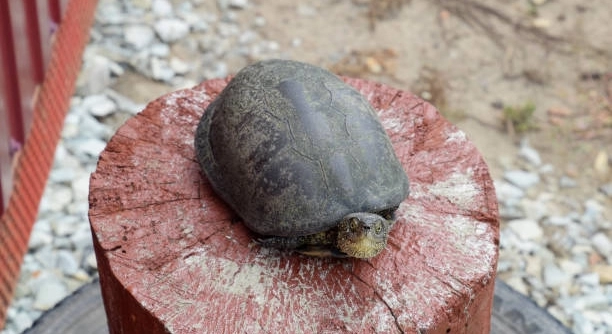
Setting up a tank for a musk turtle may seem overwhelming at first, but with the right approach, it can be simple and rewarding. Having the proper environment is essential for your turtle’s health and well-being.
The first step in setting up a musk turtle tank is ensuring proper water quality and temperature. Use a water filter, maintain the water temperature between 75-85°F, and provide basking areas for your turtle to climb out and dry off.
With these basic steps, you can create a safe and healthy space for your musk turtle to thrive.
Choosing the Right Tank Size
When setting up a musk turtle tank, size matters. A larger tank offers more space for your turtle to explore and swim, ensuring it remains active and healthy. A 40-gallon tank is a minimum for one musk turtle, but larger tanks are better if you plan to keep multiple turtles. The tank should also be at least 12 inches deep, as musk turtles like to dive and need enough space to swim comfortably.
Make sure the tank is long enough to allow the turtle to move around freely, with enough room for a basking area. It’s also a good idea to leave some extra space in case you decide to add more turtles in the future. A larger tank means more water, but it also requires a more robust filtration system to keep the water clean.
Ultimately, the more space you provide, the healthier and happier your turtle will be.
Water Filtration System
A good filtration system is essential. Proper filtration keeps the water clean, preventing the buildup of harmful waste. This will help keep your turtle healthy and reduce the frequency of water changes.
Basking Area Setup
Your musk turtle needs a basking area to rest and dry off. Set up a platform above the water where the turtle can climb out and warm up under a heat lamp. Ensure the area is easily accessible for your turtle, so it doesn’t struggle to get out of the water.
The basking platform should be large enough for your turtle to fully stretch out. Use a sturdy, non-slip material to avoid accidents. It’s essential to place a heat lamp above the platform to maintain a temperature of 85-90°F. This warmth helps regulate your turtle’s body temperature and provides vital UVB rays, necessary for its health.
Place the basking area close enough to the water to encourage your turtle to use it often but not so close that the turtle is exposed to extreme heat.
Temperature and Lighting
Proper temperature regulation is crucial for musk turtles. The water temperature should be between 75-85°F. This range supports their metabolism and ensures their overall health. Use a water heater to maintain this temperature, making sure the heater is submerged properly to avoid any malfunction.
The basking area should be equipped with both a heat lamp and a UVB bulb. The heat lamp keeps the basking platform warm, while the UVB bulb helps your turtle absorb calcium. Without proper UVB exposure, turtles can develop health issues like shell deformities. Ensure the UVB light is on for 10-12 hours daily to mimic natural sunlight.
Without appropriate lighting and temperature, your turtle may become lethargic or develop health problems, so setting this up correctly from the start is key.
Substrate and Tank Decor
A clean and natural-looking substrate helps create a comfortable environment for your musk turtle. Use gravel, river rocks, or smooth sand to line the bottom of the tank. Avoid sharp or small particles that could be ingested.
The substrate should be easy to clean and allow for some digging. Musk turtles like to forage and search for food in the substrate. Additionally, adding tank decor like rocks, logs, or plants provides hiding spots and encourages natural behaviors.
These additions help your turtle feel secure and promote a healthier environment.
Water Quality Maintenance
Keeping the water clean is essential for your turtle’s health. Invest in a good filtration system to remove waste and debris. Regular water changes will also help maintain water quality. You should replace 25% of the water every 1-2 weeks.
Test the water regularly for ammonia, nitrites, and nitrates to make sure the levels are safe for your turtle. The pH should be between 6.5 and 7.5. Clear water helps prevent infections and ensures your turtle stays healthy.
Proper water maintenance makes a significant difference in the overall health of your turtle.
Feeding Your Musk Turtle
Musk turtles are omnivores, so their diet should consist of both animal and plant-based foods. Offer a variety of foods such as pellets, small fish, shrimp, and vegetables like leafy greens. Feeding them a balanced diet ensures proper nutrition and promotes growth.
FAQ
How often should I feed my musk turtle?
Musk turtles should be fed around 3-4 times a week, with portions based on their size and age. Young turtles may need daily feedings, while adults typically do well with every other day or every third day. Make sure the food is appropriately sized and that it includes a mix of proteins and greens for a balanced diet.
Can I use tap water in my musk turtle tank?
Using tap water in your turtle tank is fine, but it’s important to treat it first. Tap water may contain chlorine or chloramine, which can harm your turtle. Use a water conditioner to remove these chemicals and test the water quality regularly to ensure it remains safe for your turtle.
Do musk turtles need to be in groups?
Musk turtles are solitary creatures and typically prefer to live alone. While they can cohabit in larger tanks, you must monitor their interactions. They can become territorial and aggressive, especially during feeding or when there are limited basking spots. It’s best to keep one musk turtle per tank unless you have a large setup.
How big do musk turtles grow?
Musk turtles usually reach a size of about 4-5 inches in length. Some species may grow a bit larger, but overall, they are considered small turtles. Despite their size, they still need ample space to swim and roam, making a properly sized tank essential for their well-being.
What should the water temperature be in a musk turtle tank?
The water temperature should be kept between 75-85°F to maintain a healthy environment for your musk turtle. This range supports their metabolism and overall health. Use a reliable aquarium heater to maintain the water temperature, and check it regularly to avoid drastic fluctuations.
How long do musk turtles live?
Musk turtles can live up to 20 years or more if properly cared for. Their lifespan depends on the quality of their environment, diet, and general care. Ensuring they have clean water, proper temperature, and a balanced diet will help extend their lifespan and keep them healthy.
What type of lighting do musk turtles need?
Musk turtles require both UVB and heat lighting. A UVB bulb helps them metabolize calcium, which is essential for shell growth and health. A heat lamp is needed for basking, as it helps them regulate their body temperature. Keep the UVB light on for 10-12 hours daily, mimicking daylight hours.
How do I prevent my musk turtle from escaping the tank?
Musk turtles are known for being good climbers. To prevent escape, ensure that the tank has a secure lid or cover that is well-fitted. Additionally, make sure there are no gaps or areas that your turtle can squeeze through. Check the tank regularly to ensure everything is secure.
What should I do if my turtle is not eating?
If your musk turtle is not eating, it could be a sign of stress, water quality issues, or health problems. First, check the water conditions and temperature to ensure they are optimal. If everything seems fine, try offering different foods. If the issue persists, consult a veterinarian who specializes in reptiles.
Can I add plants to my musk turtle tank?
Yes, you can add live or artificial plants to your musk turtle’s tank. Live plants like java fern or anubias can be beneficial because they help with water filtration. However, be mindful of the plants you choose, as some can be easily uprooted or consumed by your turtle. Ensure the plants are safe and sturdy.
What is the best substrate for a musk turtle tank?
The best substrate for a musk turtle tank includes gravel, river rocks, or smooth sand. Avoid fine substrates that could be ingested, leading to potential health issues. Choose a substrate that is easy to clean and helps maintain the natural behavior of the turtle, such as foraging and digging.
How often should I clean the musk turtle tank?
Clean your musk turtle tank regularly to ensure a healthy environment. Perform partial water changes every 1-2 weeks, replacing 25% of the water. Clean the filter and remove any debris from the substrate as needed. Regular cleaning will help maintain water quality and reduce the risk of infections.
Can musk turtles live in cold water?
Musk turtles should not live in cold water. Water temperatures below 70°F can stress the turtle and make it vulnerable to illness. Keeping the water within the recommended temperature range of 75-85°F is crucial for their health. If you live in a cooler climate, consider using a water heater to maintain a stable temperature.
What do I do if my turtle’s shell is soft?
A soft shell is a sign that your musk turtle is not getting enough calcium or UVB exposure. Make sure the turtle is basking under a proper UVB light, and provide calcium supplements to its diet. If the condition persists, consult a reptile veterinarian to address the issue.
Final Thoughts
Setting up a musk turtle tank involves careful consideration of several factors to ensure a healthy environment for your pet. Proper tank size, water quality, and temperature are essential. Make sure to choose a tank that offers enough space for your turtle to swim and bask comfortably. The substrate and tank decor should mimic their natural habitat, allowing them to forage and hide as needed. Consistent water maintenance, including regular filter cleaning and water changes, is crucial for maintaining the overall health of your turtle. Testing the water regularly helps prevent any sudden changes that could harm your turtle.
Feeding your musk turtle a balanced diet of proteins and vegetables is key for its well-being. Offering a variety of foods helps meet its nutritional needs and prevents deficiencies. Be mindful of the portion sizes and feed your turtle the right amount to avoid overfeeding, which can lead to health issues. Providing proper lighting with UVB and heat lamps is also necessary to ensure your turtle can properly digest its food and maintain its calcium levels. Keeping the tank in a stable, warm environment is essential for their metabolism and growth.
While caring for a musk turtle may seem like a lot of work, with the right knowledge and preparation, it becomes manageable. Regular tank maintenance, proper feeding, and maintaining a safe, clean environment will keep your turtle healthy and happy for years to come. Whether you are new to turtle care or have experience, following these basic guidelines will ensure your musk turtle thrives. Keeping an eye on its behavior and health will allow you to address any issues early on and ensure a long, fulfilling life for your pet.

Hello,
If you enjoy the content that we create, please consider saying a "Thank You!" by leaving a tip.
Every little bit helps us continue crafting quality advice that supports the health, happiness, and well-being of pets around the world, for pets of all shapes, sizes, and species.
We really appreciate the kindness and support that you show us!