
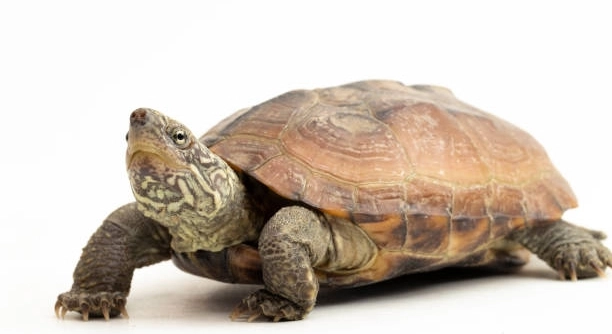
Musk turtles, known for their small size and unique characteristics, have sparked curiosity about their emotional bonds. Many wonder whether these creatures can form attachments to their owners or show signs of affection.
Musk turtles do exhibit signs of attachment, though not in the same way as mammals. They may recognize their owners and show comfort when in their presence. However, their affection is more subtle and differs from typical pet behaviors.
While their displays of affection may be less obvious than those of other pets, understanding their behavior can enhance the bond between you and your turtle.
Understanding Musk Turtle Behavior
Musk turtles are known for their somewhat reserved nature. They don’t seek attention the way some other pets do, but they can form connections with their owners over time. With consistent care, they may start to recognize familiar faces and sounds. This bond typically grows through routine feeding, habitat maintenance, and gentle handling. Though they don’t engage in physical affection like mammals, they are capable of showing comfort in your presence. Over time, they might even approach you more often, especially when they associate you with food or safety. Understanding these subtle signs is key to developing a closer relationship with your turtle.
Musk turtles are naturally cautious animals, and their bond with humans will always be less overt. They don’t usually crave constant attention or physical interaction, so their affection is often expressed through familiarity and trust.
Their behavior can also be affected by environmental factors. A calm and consistent habitat encourages a more secure turtle, leading to a higher likelihood of a peaceful interaction. When they feel safe, musk turtles may display certain behaviors, like resting near the glass of their tank or swimming calmly when approached. Even though their affection is not as obvious as a dog’s, they do show comfort in familiar surroundings and with people they trust. By respecting their space and routines, you will create an environment where they can feel more at ease.
The Role of Routine in Their Affection
Routine plays a significant role in building trust with musk turtles. These turtles thrive on stability, and when their environment remains predictable, they are more likely to show signs of recognition. Consistent feeding times, water changes, and tank cleaning rituals can help create a positive association with their human caregivers. Over time, your turtle will begin to recognize you as a source of care, not just food. This familiarity can lead to a more relaxed and trusting interaction.
By maintaining a steady routine, you’ll foster trust and potentially strengthen your bond with your musk turtle.
Signs of Affection from Musk Turtles
Musk turtles may not be as overt with affection as other pets, but they still show signs of attachment. They might swim toward you when you approach the tank, especially during feeding time. This behavior can indicate recognition and comfort.
These turtles tend to associate their owners with food, which is a major motivator. If your turtle comes to the front of the tank or looks at you with interest, it could be a sign that it recognizes you. While this is not affection in the traditional sense, it’s a clear sign that they are comfortable with your presence.
Another sign of affection might be their relaxed behavior when handled gently. If your turtle doesn’t retreat or show signs of stress during handling, it suggests that it trusts you. Over time, as you develop a routine, your turtle may display more of these subtle behaviors, strengthening your connection.
Why They Don’t Seek Constant Interaction
Musk turtles are solitary creatures by nature. Unlike more social pets, they don’t require constant interaction. Their instinct is to be more independent, and this affects how they respond to human presence.
In the wild, musk turtles tend to keep to themselves, only interacting with others for mating or territorial purposes. As a result, they aren’t inclined to form the same type of close, constant bonds as more social animals. While they do recognize their owners, they don’t seek out attention or affection in the way that mammals do. Understanding their independent nature can help set realistic expectations for bonding.
Despite their independent streak, they can still form attachments in their own way. The key is respecting their boundaries and ensuring they feel secure in their environment. They might not show affection like a cat or dog, but their trust and comfort are just as meaningful.
Handling Musk Turtles with Care
When handling musk turtles, it’s important to be gentle and calm. These animals don’t appreciate rough movements or sudden actions. Slow, steady handling helps them feel more secure.
Avoid picking them up too frequently, as it can stress them out. Handle them only when necessary, such as during tank cleanings or health checks. A calm environment will make your turtle feel more comfortable and safe.
Their Comfort in Familiar Environments
Musk turtles feel most at ease in familiar surroundings. The more consistent their habitat, the more secure they will feel. A well-maintained tank with clean water, familiar objects, and proper lighting promotes their well-being.
These turtles are creatures of habit. Changes in their environment can cause them stress, so it’s best to avoid rearranging their habitat too often. By maintaining a steady environment, your turtle will be more likely to feel secure and comfortable in your presence.
Bonding Through Feeding
Feeding time is one of the most effective ways to bond with a musk turtle. Turtles often recognize their owners as a source of food and will come to the front of the tank during feeding sessions.
By establishing a feeding routine, you can help your turtle associate you with something positive. Offering a variety of healthy foods, such as live insects or fresh vegetables, can also improve the bond over time.
FAQ
Can musk turtles bond with their owners?
Musk turtles can form a bond with their owners, though it is not as emotionally intense as the bonds seen in more social pets. They show recognition through behavior such as swimming toward their owners during feeding time. Over time, with consistent care and handling, they may become more comfortable with you. However, their bonding is more about trust and comfort rather than seeking affection.
How do I know if my musk turtle trusts me?
When a musk turtle trusts you, it will not show signs of fear or retreat when you approach. A turtle that recognizes its owner may swim toward the glass of the tank when you enter the room. If it feels safe and secure, it might even approach your hand or allow you to handle it gently without retreating. Regular interaction and respect for its space can foster this trust.
Do musk turtles like being handled?
Musk turtles don’t particularly enjoy being handled, especially frequently. They are solitary animals and prefer their space. However, with slow, gentle handling, they can become accustomed to it. It’s important to remember that they might not seek out physical affection, so any handling should be kept brief and stress-free. Always approach them calmly to avoid startling them.
How can I improve my relationship with my musk turtle?
Building a relationship with a musk turtle starts with creating a secure and stable environment. Ensure that the tank is clean, the water temperature is right, and the turtle has a comfortable place to hide. Regular feeding, gentle handling, and observing the turtle’s behavior can help you understand it better. Over time, consistency will lead to a more trusting relationship.
Can I train my musk turtle to recognize me?
Musk turtles can learn to recognize their owners, especially when food is involved. Consistent feeding times can help your turtle associate you with positive experiences. While they won’t perform tricks or respond to commands like a dog, they can learn to come toward you during feeding time or follow simple patterns. Training a turtle to recognize you takes time and patience, but it’s possible through routine and positive reinforcement.
Why does my musk turtle hide so much?
Hiding is a natural behavior for musk turtles. In the wild, they use hiding spots to protect themselves from predators and to rest. If your turtle hides frequently, it’s not necessarily a sign of stress—it may just be following its instinct to seek out quiet, secure spaces. However, if the hiding seems excessive or is coupled with other signs of distress, such as not eating or lethargy, it could indicate a health issue that needs attention.
How often should I handle my musk turtle?
Musk turtles should not be handled too often, as they are not social creatures that thrive on frequent interaction. It’s best to only handle your turtle when necessary, such as for tank cleaning or health checks. Too much handling can cause stress and disrupt their natural behavior. If you do need to handle your turtle, do so gently and for short periods of time to avoid overwhelming it.
What is the best way to feed a musk turtle?
Feeding a musk turtle involves offering a balanced diet that includes both animal and plant matter. You can feed them live insects, such as worms or crickets, along with leafy greens and occasional fruits. Ensure that the food is appropriately sized to avoid choking and is given in a clean, accessible area. A consistent feeding routine helps your turtle recognize you as a reliable source of nourishment, strengthening the bond over time.
What is a musk turtle’s natural behavior?
In the wild, musk turtles are primarily solitary and tend to be more active during the early morning and evening. They enjoy hiding in logs, rocks, or vegetation to feel safe. They are also excellent swimmers and spend much of their time submerged. While they can be social in specific situations, such as during mating, their daily behavior is largely independent. Understanding these natural tendencies will help you create an environment where they feel secure and can thrive.
How do I know if my musk turtle is stressed?
Signs of stress in musk turtles can include hiding for long periods, refusing to eat, or displaying erratic swimming patterns. Stress can also manifest through aggressive behavior or excessive basking. Common causes of stress include a dirty tank, improper water temperature, overcrowded conditions, or sudden changes in their environment. Ensuring a consistent and clean habitat can help prevent stress and keep your turtle healthy. If stress persists, it’s important to consult with a vet to rule out health problems.
Do musk turtles require special care?
Musk turtles do require specific care to thrive. Their tank needs to be large enough for swimming, with clean water and a proper filtration system. The water temperature should be kept between 75 and 80°F. Musk turtles also need access to a basking area where they can dry off and warm up. A UVB light is essential for their shell and overall health. While their care requirements aren’t overly complicated, attention to these details is crucial for their well-being.
Can musk turtles live with other turtles?
Musk turtles are generally solitary creatures, and they may not do well living with other turtles. When housed together, they might become territorial, leading to aggressive behavior. If you decide to house multiple turtles, make sure each has enough space to establish its own territory. Ideally, keeping musk turtles alone or in pairs of the same species can help avoid conflicts and ensure their comfort.
Are musk turtles good pets for beginners?
Musk turtles can make good pets for beginners who are willing to learn about their care requirements. They are relatively low-maintenance compared to some other pets, but they still need a suitable habitat and routine care. If you are prepared to provide a stable environment and understand their behavior, musk turtles can be a rewarding pet. However, they may not offer the same level of interaction as more affectionate animals, so they may not be the best choice for someone seeking a highly interactive pet.
Final Thoughts
Musk turtles can form bonds with their owners, though these relationships are not as overtly affectionate as those seen in other pets. Their trust is built through routine and consistent care. Over time, they may recognize their owners and associate them with positive experiences like feeding. However, it is essential to understand that musk turtles are not social animals by nature, and their interactions with humans are often limited to feeding times or when they feel safe. By maintaining a calm, secure environment, you can foster a peaceful and trusting relationship.
Handling musk turtles should be done carefully and with minimal disruption to their routine. While it’s possible to handle them, it should not be frequent. Excessive handling can cause stress, as these turtles are more independent and prefer their space. Their comfort is key, and they should be allowed to explore and rest without constant human interaction. In time, they may come to recognize you as a non-threatening presence, but it’s important to respect their need for solitude and avoid overburdening them with attention.
Providing the right environment is crucial for their well-being. A clean tank, the proper water temperature, and access to a basking area are necessary to keep them healthy and happy. Their natural behavior includes swimming and hiding, so ensure they have enough space to exhibit these instincts. By observing their actions and respecting their boundaries, you can build a trusting relationship with your musk turtle. Understanding their needs and limitations will lead to a positive experience for both you and your pet.

Hello,
If you enjoy the content that we create, please consider saying a "Thank You!" by leaving a tip.
Every little bit helps us continue crafting quality advice that supports the health, happiness, and well-being of pets around the world, for pets of all shapes, sizes, and species.
We really appreciate the kindness and support that you show us!