
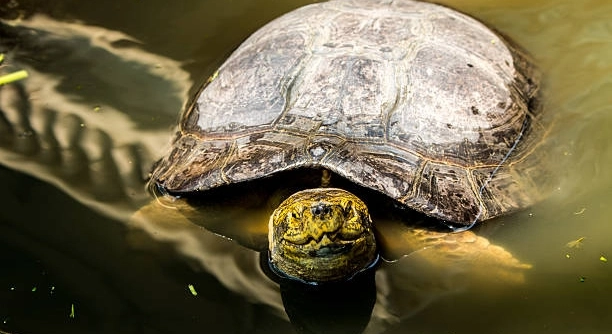
Musk turtles are unique, and their habitat plays a crucial role in their overall well-being. Over time, their environment may need some adjustments to keep them healthy and comfortable.
Upgrading your musk turtle’s habitat is essential when signs like poor water quality, inadequate space, and lack of proper heating become apparent. These issues can lead to stress and health problems for your turtle, affecting its quality of life.
Recognizing these signs early can help you take the necessary steps for improvement. With a few adjustments, you can create a better living space for your turtle to thrive.
1. Poor Water Quality
Water quality is vital for the health of your musk turtle. When the water becomes cloudy or starts to smell, it means that your filtration system isn’t doing its job properly. A buildup of waste can cause harmful bacteria to grow, which can lead to infections and stress for your turtle. If your water quality is not monitored regularly, your turtle may experience skin or shell issues. To ensure a healthy environment, the water should be changed regularly and the filtration system maintained.
Water quality issues often result from overcrowding or inadequate filtration. Over time, waste accumulates quickly, affecting both water clarity and cleanliness. If your turtle seems less active or starts floating unusually, it’s a sign that the water may need immediate attention. Regular water checks and proper filtration will make a significant difference.
You can upgrade your filtration system to one that is designed specifically for turtles. Consider a larger filter if you have multiple turtles or a tank that holds a lot of water. Additionally, a gravel vacuum can help you remove waste that settles on the bottom of the tank. This will help keep the water clear and reduce stress on your turtle. If the water remains murky or foul-smelling even after these steps, it might be time to replace the entire filtration system.
2. Insufficient Space
If your turtle feels cramped, it can affect its health and behavior. Providing enough space allows your turtle to move freely, exercise, and bask comfortably. Musk turtles, in particular, need a spacious habitat to thrive.
A cramped tank can lead to stress, aggression, and a lack of proper activity. When your turtle has limited space, it may show signs of frustration like swimming in circles or staying in one spot. These behaviors are usually a result of not enough room to explore and move around freely.
Upgrading the tank size or adding more water and land area can help improve the living conditions. Musk turtles need a minimum of 40 gallons of water, but if you have more than one, you may need a larger tank. Consider a tank with both water and dry land areas so that your turtle can swim and bask as it pleases. The more room they have, the more they will engage in natural behaviors. This leads to a healthier and happier turtle.
3. Inadequate Heating
Musk turtles need consistent water temperature to stay healthy. If the water is too cold or too warm, it can stress the turtle and affect its metabolism. A reliable heater is essential to maintaining the correct temperature range for your turtle.
A water temperature of 75-85°F (24-29°C) is ideal for musk turtles. Without a proper heater, the water may fluctuate too much, which can cause health issues like lethargy, digestive problems, or even shell rot. Be sure to use a submersible aquarium heater designed for reptiles to ensure stable conditions.
In addition to water temperature, it’s also important to provide a basking spot with a heat lamp. Musk turtles need a place to dry off and warm up under the light, which helps regulate their body temperature and prevents illnesses. A good heat source is crucial for their overall well-being. If your turtle seems sluggish or spends too much time hiding, it might be because its habitat isn’t warm enough. Make sure the heater and lamp are working properly, and monitor temperatures regularly.
4. Lack of Proper UVB Lighting
UVB lighting plays a major role in your turtle’s health, helping it synthesize vitamin D3. Without proper UVB exposure, your turtle can develop problems like shell deformities or weakened bones. This is why a UVB light is a must.
UVB bulbs should be replaced every 6 to 12 months because their effectiveness diminishes over time. Place the light over the basking area so your turtle can soak up the rays when it’s resting on the land. Without UVB light, turtles are at risk of metabolic bone disease, which can seriously impact their health.
Make sure the UVB bulb provides the correct amount of light for your turtle’s size and age. An underpowered bulb or one that’s too far from the basking area won’t be effective. If you’re unsure about the type of light your turtle needs, consult with a specialist. A properly set-up basking spot with UVB lighting will encourage natural behaviors and help keep your turtle strong and healthy.
5. Poor Tank Decorations
Your turtle’s environment should reflect its natural habitat. Too many decorations or the wrong types can cause stress. Simple, safe decorations like rocks and driftwood can provide hiding spots and encourage natural behaviors.
Overcrowding the tank with too many decorations may restrict your turtle’s movement, making it feel cramped. Choose decorations that are easy to clean and avoid anything sharp or hazardous. Well-placed items like smooth rocks or floating platforms help your turtle feel secure while giving it room to explore.
The right decorations can enhance your turtle’s well-being by providing enrichment and a sense of safety. Just make sure they’re placed properly to avoid making the tank feel cluttered or cramped.
6. Inconsistent Feeding Routine
Feeding your turtle consistently is just as important as maintaining the tank. Irregular feeding times can lead to stress or digestive issues. Set a fixed feeding schedule to keep your turtle happy and healthy.
A consistent feeding schedule helps regulate your turtle’s metabolism and ensures it gets the right amount of nutrition. Overfeeding or underfeeding can lead to obesity or malnutrition, which impacts its health. Monitor the amount of food you offer and adjust according to your turtle’s activity level and age.
FAQ
How often should I clean my musk turtle’s tank?
Cleaning your musk turtle’s tank should be a regular part of maintenance. At a minimum, perform a partial water change every 1-2 weeks. If you have a larger tank or multiple turtles, more frequent changes may be necessary. In addition to changing the water, it’s important to clean the substrate, filter, and decorations. Remove waste and debris from the tank daily to maintain water quality. Regular cleaning helps prevent the growth of harmful bacteria and keeps your turtle’s environment healthy.
What size tank does my musk turtle need?
A musk turtle needs a tank that allows it to swim freely and has space for basking. The general rule of thumb is 10 gallons of water for each inch of your turtle’s shell length. For example, a 4-inch turtle should have at least a 40-gallon tank. However, larger tanks are always better, especially if you have more than one turtle. Bigger tanks provide more space, reduce waste buildup, and help maintain better water quality.
What temperature should I keep the water at for my musk turtle?
Musk turtles require water temperatures between 75-85°F (24-29°C). It’s important to use a reliable heater to maintain a stable temperature, as fluctuations can lead to health issues. If the water gets too cold, your turtle may become sluggish and prone to illnesses. Conversely, water that’s too warm can cause stress. Ensure the basking area is a few degrees warmer, around 85-90°F (29-32°C), to allow your turtle to regulate its body temperature.
Do musk turtles need UVB lighting?
Yes, UVB lighting is crucial for musk turtles. They need UVB light to help them synthesize vitamin D3, which is essential for strong bones and a healthy shell. Without proper UVB exposure, turtles can develop metabolic bone disease. Ensure the UVB bulb is placed directly over the basking area, and replace it every 6-12 months to maintain its effectiveness. The bulb should be positioned within 6-12 inches of your turtle’s basking spot for maximum benefit.
Can I keep multiple musk turtles together?
Musk turtles can be kept together, but there are a few things to consider. Turtles are solitary by nature, and some may become territorial, especially if space is limited. If you’re planning to keep more than one, make sure the tank is large enough to give each turtle enough space to roam. Watch for signs of aggression, such as biting or chasing. If aggression occurs, consider separating the turtles to prevent injury. Make sure all turtles have access to basking spots and food.
What do musk turtles eat?
Musk turtles are omnivores, meaning they eat both plant and animal matter. Their diet should consist of a variety of foods, including commercial turtle pellets, insects, fish, worms, and leafy greens like dandelion or collard greens. You can also offer small pieces of fruits such as strawberries or bananas, but these should be fed in moderation. Make sure your turtle gets a balanced diet to maintain good health. Don’t overfeed, as musk turtles can become obese if they eat too much protein.
How can I tell if my musk turtle is sick?
There are several signs that could indicate your musk turtle is not feeling well. Look out for changes in behavior, such as a loss of appetite, lethargy, or excessive basking. Abnormal swimming, difficulty breathing, or discharge from the eyes or nose are also signs of illness. A soft or discolored shell, swelling, or open sores can indicate infections or other health issues. If you notice any of these symptoms, consult a veterinarian who specializes in reptiles as soon as possible.
How do I provide the right basking area for my musk turtle?
A basking area is essential for your musk turtle to regulate its body temperature. The area should be dry, warm, and easily accessible. You can create a basking platform using rocks or floating docks that allow your turtle to climb out of the water. The temperature of the basking area should be between 85-90°F (29-32°C), which you can achieve with a heat lamp. Make sure the basking area is well-lit, as this will encourage your turtle to spend time basking and help with the absorption of UVB light.
Can I use regular aquarium filters for my musk turtle’s tank?
Regular aquarium filters may not be enough for a musk turtle’s tank, as they need to handle larger amounts of waste. Turtles produce a lot of waste, which can quickly pollute the water. It’s best to invest in a filter designed for reptiles or larger tanks. Look for a filter with a high flow rate and a good filtration system that can handle both mechanical and biological filtration. Additionally, cleaning the filter regularly is crucial to maintaining water quality.
How long do musk turtles live?
Musk turtles typically live between 20 and 30 years when properly cared for. In some cases, they can even live longer, up to 40 years. To help your turtle reach its full lifespan, make sure it has a proper diet, a clean tank, and a suitable environment. Regular veterinary check-ups will also contribute to its long-term health. With the right care and environment, your musk turtle can enjoy a long, happy life.
Final Thoughts
Taking care of a musk turtle requires attention to detail and a commitment to creating the right environment for its needs. The key to a healthy turtle is maintaining proper water quality, temperature, and lighting. By monitoring these factors and making the necessary adjustments when signs of stress or poor health appear, you can help your turtle thrive. Regular water changes, appropriate filtration, and proper basking areas are essential for creating a habitat where your turtle feels comfortable and safe.
Aside from the basics like temperature and lighting, other aspects such as tank size, decorations, and feeding schedules play an important role in your turtle’s overall well-being. Having enough space for your turtle to swim freely and providing safe hiding spots helps reduce stress. The right amount of food, with a mix of proteins and vegetables, ensures your turtle gets the nutrients it needs without becoming overweight. Keeping your turtle’s routine consistent and checking for any signs of illness regularly are also essential steps in ensuring it remains healthy.
In the end, upgrading your musk turtle’s habitat doesn’t need to be overwhelming. With a little effort, you can create a living space that promotes its health and happiness for many years to come. Whether you’re making small changes or setting up a completely new habitat, keeping your turtle’s needs in mind will make a big difference. When you take care of these essentials, you’ll see a more active and content turtle that enjoys its environment.

Hello,
If you enjoy the content that we create, please consider saying a "Thank You!" by leaving a tip.
Every little bit helps us continue crafting quality advice that supports the health, happiness, and well-being of pets around the world, for pets of all shapes, sizes, and species.
We really appreciate the kindness and support that you show us!