
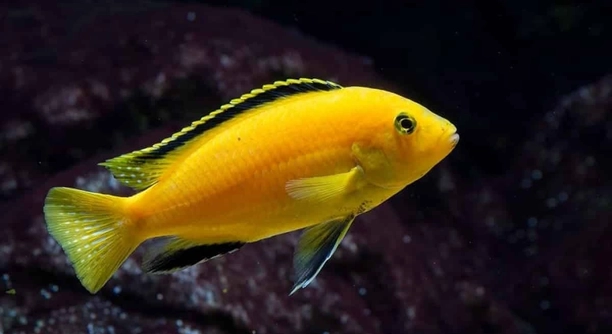
Setting up a cichlid tank can be a rewarding experience for fish lovers. Creating a proper environment helps these colorful fish thrive. Knowing the right steps ensures a healthy and balanced aquatic home for your cichlids.
Setting up a cichlid tank involves choosing the right tank size, preparing the substrate and decorations, installing proper filtration and heating, cycling the water, and selecting compatible fish species. These steps create a stable habitat that supports cichlids’ specific needs.
Following this guide will help you avoid common mistakes and build a thriving tank. It covers everything from basics to important details for cichlid care.
Choosing the Right Tank Size
The size of your cichlid tank is very important for the health of your fish. Cichlids need enough space to swim freely and establish territories. A tank that is too small can cause stress and aggressive behavior. Generally, a minimum of 30 gallons is recommended for most cichlids, but larger species may need more space. It is better to invest in a bigger tank from the start to avoid problems later. When picking your tank, consider how many fish you want and their adult size. A spacious tank also helps maintain water quality by diluting waste. Make sure the tank has a secure lid, as some cichlids like to jump. Having the right size tank sets a strong foundation for your cichlids to live comfortably and grow well.
Larger tanks tend to be easier to maintain because water conditions stay more stable. This reduces the risk of sudden changes that stress fish.
If you plan to keep multiple cichlids, consider a tank of at least 55 gallons. This allows for social groups and reduces aggression. Remember to add hiding spots and decorations to help fish feel secure. The tank’s dimensions should be long and wide enough for swimming, not just tall. Overall, bigger tanks make it easier to balance the needs of your cichlids and enjoy their activity without constant stress.
Setting Up Filtration and Heating
Proper filtration and heating are essential for a cichlid tank. Filtration removes waste and keeps the water clean, while heating keeps the temperature steady. Cichlids prefer warmer water, usually between 75 and 82 degrees Fahrenheit. Without the right temperature, they may become weak or stressed.
Choose a filter that can handle at least twice the volume of your tank per hour. Filters with mechanical, biological, and chemical media work best to maintain water quality. A heater with a reliable thermostat will keep the temperature stable. Place it near water flow for even heat distribution. Test the water regularly to make sure conditions stay within the ideal range. Clean or replace filter media as needed, but avoid changing all media at once to keep beneficial bacteria. Proper filtration and heating create a healthy environment where cichlids can thrive.
Preparing the Substrate and Decorations
Choose a substrate that suits your cichlids’ needs. Sand or fine gravel works well since many cichlids like digging. Avoid sharp or rough materials that can harm their fins.
Decorations should offer hiding places and territories. Rocks, caves, and driftwood create natural barriers and reduce aggression. Arrange these carefully to prevent collapse and injury. Use materials safe for aquarium use and avoid anything treated with chemicals. Plants can be added but select hardy types, as some cichlids may uproot them. This setup helps fish feel secure and mimics their natural habitat.
Regular cleaning of the substrate is important. Uneaten food and waste settle there, which can affect water quality. Use a siphon to remove debris during water changes, but avoid disturbing beneficial bacteria too much. A well-prepared substrate and decoration layout support a balanced tank and happier cichlids.
Cycling the Tank Water
Cycling the tank is vital before adding fish. It establishes beneficial bacteria that break down harmful waste. Without cycling, toxic ammonia and nitrite build up quickly.
To start, add a source of ammonia, like fish food or pure ammonia. Test the water daily for ammonia, nitrite, and nitrate. Ammonia and nitrite levels will rise, then fall as bacteria grow. This process usually takes 4 to 6 weeks. Patience is key, as rushing can harm your fish later. Once ammonia and nitrite reach zero and nitrate rises, the tank is cycled.
During cycling, avoid adding fish. You can add hardy species or use filter media from an established tank to speed things up. Cycling ensures a safe environment and prevents many common problems for your cichlids.
Selecting Compatible Cichlids
Choosing cichlids that get along reduces stress and aggression in your tank. Avoid mixing very aggressive species with peaceful ones to keep balance.
Research each species’ temperament and size before adding them. Compatibility helps maintain a peaceful environment and healthier fish.
Adding the Fish to the Tank
Introduce new cichlids slowly after the tank is fully cycled. Acclimate them by floating the sealed bag in the tank for 15–20 minutes. This helps them adjust to the water temperature gradually.
Next, slowly add small amounts of tank water into the bag over 30 minutes. Finally, gently release the fish into the tank, avoiding adding the bag water to prevent contamination. Watch for signs of stress or aggression and be ready to separate fish if needed. Proper introduction reduces shock and helps your cichlids settle smoothly into their new home.
Monitoring Water Quality
Regularly check water parameters to keep your tank healthy. Test for ammonia, nitrite, nitrate, and pH levels.
Maintaining stable water quality prevents disease and promotes cichlid well-being.
FAQ
How often should I clean my cichlid tank?
Regular cleaning keeps your tank healthy. Perform partial water changes of about 20–30% every week or two. Clean the substrate gently with a siphon to remove debris without disturbing beneficial bacteria. Avoid over-cleaning filters, but replace media as recommended by the manufacturer. This routine helps maintain water quality and prevents harmful buildup.
What is the best diet for cichlids?
Cichlids are generally omnivores but diet varies by species. Provide a balanced mix of high-quality pellets or flakes, supplemented with live or frozen foods like brine shrimp or bloodworms. Vegetables like spinach or peas can also be added. Feeding small amounts 1–2 times a day avoids overfeeding and water pollution.
Can I keep different species of cichlids together?
Compatibility depends on species behavior and tank size. Avoid mixing highly aggressive species with peaceful ones. African cichlids and South American cichlids usually should not be housed together because of different water requirements and temperaments. Research each species carefully before mixing to reduce aggression and stress.
How do I know if my cichlid is stressed or sick?
Signs of stress or illness include loss of appetite, hiding, faded colors, rapid breathing, or unusual swimming patterns. White spots or fungus can indicate disease. If you notice these, check water quality first, then consider isolating the fish and treating as needed. Early detection helps recovery.
What water parameters are ideal for cichlids?
Most cichlids prefer water temperatures between 75–82°F (24–28°C). pH levels vary but generally range from 6.5 to 8.5, depending on species. Ammonia and nitrite should always be zero, and nitrates kept low (under 20 ppm). Regular testing ensures a stable and safe environment.
How long does it take to cycle a cichlid tank?
Cycling usually takes 4 to 6 weeks. Beneficial bacteria need time to grow and break down ammonia and nitrites. Using test kits helps track progress. Patience during this phase prevents harm to your fish and creates a healthy tank environment.
What kind of substrate is best for cichlids?
Sand or fine gravel is ideal since many cichlids like to dig. Avoid sharp or rough substrates that can injure their delicate fins and mouths. A suitable substrate supports natural behaviors and makes maintenance easier.
How can I reduce aggression among cichlids?
Provide plenty of hiding spots and break up sightlines with rocks or decorations. Choose compatible species and avoid overcrowding. Larger tanks give fish more space to establish territories. Regular observation helps identify and separate overly aggressive individuals if needed.
Is it necessary to have a heater in a cichlid tank?
Yes, most cichlids need stable warm temperatures between 75–82°F. A reliable heater with a thermostat ensures consistent heat, preventing stress from temperature fluctuations. Place the heater where water flows freely for even distribution.
What is the best way to introduce new cichlids to an established tank?
Acclimate new fish slowly by floating their sealed bag in the tank for 15–20 minutes. Gradually add small amounts of tank water to the bag over 30 minutes. Gently release the fish, avoiding adding the bag water to the tank. This method reduces shock and helps fish adjust safely.
Can plants survive in a cichlid tank?
Some hardy plants can survive, but many cichlids dig or uproot them. Use strong-rooted plants like Java fern or Anubias attached to rocks or driftwood. Artificial plants are an alternative for decoration without risk of damage.
How often should I feed my cichlids?
Feeding once or twice daily with small portions is enough. Overfeeding can pollute the water and harm fish health. Remove uneaten food after a few minutes to keep the tank clean.
What should I do if my cichlid shows signs of disease?
First, test water parameters and improve water quality if needed. Isolate sick fish in a quarantine tank if possible. Use appropriate treatments based on symptoms, such as antifungal or antibacterial medications. Prompt action increases the chance of recovery.
Can I keep cichlids with other fish species?
It depends on the species and tank size. Many cichlids are territorial and aggressive, so peaceful community fish may be stressed or harmed. Choose tank mates carefully, preferably those that tolerate similar water conditions and temperaments.
How important is lighting in a cichlid tank?
Lighting should mimic a natural day/night cycle, about 8 to 12 hours of light daily. Proper lighting supports plant growth and enhances fish colors. Avoid strong or constant light, which can stress fish and promote algae growth.
This FAQ covers common questions to help you care for your cichlids well. Keeping their environment stable and meeting their needs will make your tank a healthy, vibrant space.
Setting up a cichlid tank requires careful planning and attention to detail. Choosing the right tank size, preparing the substrate, installing proper filtration and heating, and cycling the water are all important steps. Each step helps create a safe and healthy environment where cichlids can live comfortably. Skipping any of these can lead to problems like poor water quality, stress, or aggression among fish. Taking time to do things correctly from the start makes caring for cichlids easier in the long run.
Once the tank is ready, selecting compatible fish and introducing them properly is key. Cichlids have different temperaments, and some can be aggressive if kept with the wrong tank mates. Providing hiding spots and space helps reduce stress and fighting. Regular maintenance, including water changes, testing water parameters, and cleaning, keeps the tank stable and safe. Feeding a balanced diet in appropriate amounts supports your fish’s health and vibrant colors. Paying attention to these details ensures your cichlids thrive and show their best behavior.
Overall, setting up a cichlid tank is a rewarding task that takes patience and care. The process is straightforward but requires following important steps carefully. When done right, it results in a beautiful aquatic environment where cichlids can flourish. Watching these fish grow and interact in a healthy tank is satisfying. Whether you are new to fishkeeping or experienced, a well-planned cichlid tank provides enjoyment and a glimpse into the lives of these fascinating fish.

Hello,
If you enjoy the content that we create, please consider saying a "Thank You!" by leaving a tip.
Every little bit helps us continue crafting quality advice that supports the health, happiness, and well-being of pets around the world, for pets of all shapes, sizes, and species.
We really appreciate the kindness and support that you show us!