
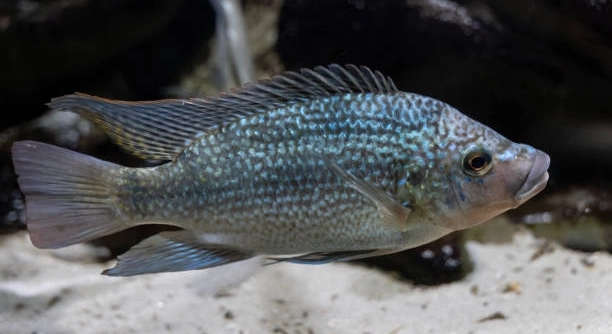
Many aquarium enthusiasts enjoy raising cichlid fry, watching them grow from tiny hatchlings into colorful adults. Understanding the growth timeline helps hobbyists provide proper care and create a healthy environment for their young fish. Knowing what to expect can improve their success.
Cichlid fry typically take between 6 to 12 months to reach juvenile size, depending on the species, water conditions, and diet. Growth rates vary but maintaining stable water quality and a nutritious feeding routine promotes steady development.
Learning about growth stages and care techniques will support healthier fry and more rewarding experiences with your cichlid breeding efforts. This knowledge is essential for both beginners and experienced fishkeepers alike.
Factors Affecting Cichlid Fry Growth
The growth rate of cichlid fry depends on several important factors. Water quality plays a big role—clean water with stable temperature helps fry develop healthily. Poor water conditions can slow growth and cause illness. Feeding is another key aspect. Fry need frequent meals of high-quality food rich in protein to grow well. Overfeeding or underfeeding can lead to problems. The species of cichlid also affects how fast fry grow. Some species mature quickly, while others take more time. Tank size and stocking density influence growth too. Crowded tanks may stress fry and reduce their development rate. Providing hiding spots and a peaceful environment lowers stress and supports steady growth. Monitoring these factors closely allows better care and healthier fry.
Regular water changes and feeding small amounts often are good practices to encourage proper growth and avoid common problems with cichlid fry.
Proper care of water, food, and environment creates the best conditions for fry to grow strong and healthy. Understanding how these elements work together helps ensure your cichlid fry thrive and reach their full potential over time.
Typical Growth Timeline for Cichlid Fry
Cichlid fry grow most rapidly in the first few months after hatching. During this period, they develop basic body structure and start to show colors. Growth then slows as they mature. Most fry reach juvenile size by six to twelve months, depending on species and care. The rate can vary widely.
Growth slows as cichlids approach adulthood. At this stage, they need less frequent feeding and more space to thrive. Consistent care during all growth phases is important for their health and development. Adjusting feeding routines and tank conditions based on growth stages helps keep fry healthy and encourages proper development throughout their lifespan.
Feeding Tips for Healthy Growth
Feeding cichlid fry the right food is essential for their growth. Small, frequent feedings help fry absorb nutrients better. Choose foods designed for fry or finely crushed flakes.
Live foods like baby brine shrimp are excellent for protein and stimulate natural hunting behavior. In addition to live food, high-quality powdered or frozen fry food supports balanced nutrition. Avoid overfeeding, which can pollute the water and harm fry health. Feeding multiple times a day in small amounts keeps the fry active and growing steadily. A varied diet encourages better development and color formation. Adjust feeding as fry grow, moving from microscopic foods to larger pellets or flakes over time to match their changing needs. This careful approach improves survival rates and overall fry condition.
Regularly observe the fry during feeding to avoid leftover food that can decay. Good feeding habits directly influence how well your cichlid fry develop in their first months.
Ideal Tank Conditions for Cichlid Fry
Maintaining ideal tank conditions ensures healthy fry growth. Temperature should be stable, usually between 75-82°F depending on the species. pH levels should match the natural environment of the cichlid species, often ranging from 6.5 to 7.5. Keeping ammonia, nitrites, and nitrates at zero or very low levels is critical to prevent stress and disease.
Good filtration and aeration help maintain water quality and oxygen levels. Use gentle filters to avoid harming tiny fry. Regular water changes remove toxins and keep the tank environment fresh. Providing hiding spots with plants or decorations helps fry feel safe and reduces stress. Light levels should be moderate, avoiding harsh or direct lighting that can disturb fry.
Stable and clean tank conditions promote faster growth and reduce mortality, creating a supportive environment for young cichlids to develop their full potential.
Common Growth Issues
Slow growth in cichlid fry often results from poor water quality or inadequate nutrition. Stress from overcrowding can also affect their development negatively. Monitoring these factors helps avoid common problems.
Disease can stunt growth and cause mortality. Early detection and proper treatment are important to keep fry healthy and growing at a good pace.
When to Separate Fry from Parents
Separating fry from adult cichlids depends on species behavior and tank conditions. Some parents may protect their young, but others might eat them. Watch for signs of aggression or stress.
Separation usually happens after fry are free-swimming and able to feed independently, around 2-3 weeks old. Using a breeder box or separate tank prevents harm and gives fry room to grow safely.
Signs of Healthy Growth
Healthy cichlid fry are active, have clear eyes, and show steady size increase. Brightening colors indicate good nutrition and well-being.
Growth should be consistent without sudden stops. Any lethargy or discoloration may signal issues requiring attention. Regular observation helps ensure healthy development.
FAQ
How often should I feed cichlid fry?
Cichlid fry need to be fed small amounts multiple times a day, typically 3 to 5 times. Their tiny stomachs can only hold limited food, so frequent feedings ensure they get enough nutrients without polluting the tank. As they grow, the feeding frequency can be reduced.
What is the best food for cichlid fry?
The best food includes live options like baby brine shrimp, which provide essential protein and encourage natural feeding behavior. You can also use powdered fry food or finely crushed flakes designed for young fish. A varied diet helps ensure balanced nutrition for healthy growth.
When should I start feeding fry solid foods?
Fry begin taking solid foods about one to two weeks after hatching, once they are free-swimming and no longer rely solely on their yolk sacs. Start with finely crushed flakes or powdered foods, gradually introducing larger particles as they grow.
How can I tell if my fry are growing properly?
Healthy fry grow steadily in size, remain active, and start showing color patterns typical for their species. If you notice lethargy, discoloration, or unusually slow growth, these can be signs of stress, poor nutrition, or illness.
Is it necessary to separate fry from adult cichlids?
Separation depends on the species and parental behavior. Some cichlid parents protect their young, while others might see fry as food. Watch your tank closely; if adults show aggression or start eating fry, move the young to a separate tank or breeder box.
What water conditions are ideal for cichlid fry growth?
Stable water temperature between 75-82°F, low ammonia and nitrite levels, and a pH near the species’ natural environment (usually 6.5 to 7.5) are important. Gentle filtration and regular water changes keep water clean and support healthy growth.
Can overcrowding affect fry growth?
Yes, overcrowding increases stress and competition for food, slowing growth and raising disease risk. It’s best to keep fry in a spacious tank or divide them into smaller groups for better development.
How long does it take for cichlid fry to reach adult size?
Growth rates vary by species, but most cichlids reach juvenile size in 6 to 12 months. Full adult size can take longer, sometimes up to two years, depending on genetics and care.
What are common diseases that affect fry growth?
Fungal infections, bacterial diseases, and parasites are common threats to fry. Poor water quality and overcrowding increase vulnerability. Prompt treatment and good tank hygiene help prevent these issues.
How important is lighting for fry development?
Moderate lighting helps fry develop natural behaviors without causing stress. Avoid harsh or direct light, which can disturb fry and encourage algae growth that harms water quality.
Should I use medications in a tank with fry?
Medications can be risky for fry, so use them cautiously. Always follow dosing instructions and choose treatments safe for young fish. If possible, move sick fry to a separate quarantine tank for treatment.
How do I encourage color development in cichlid fry?
Proper nutrition, stable water conditions, and low stress levels promote healthy coloration. Foods rich in carotenoids, like certain live and frozen foods, support vibrant colors as fry mature.
What is the best tank setup for raising cichlid fry?
A tank with gentle filtration, plenty of hiding spots, and stable water parameters is ideal. Avoid strong currents that can harm fry. Plants or decorations provide shelter and reduce stress.
How often should I perform water changes in a fry tank?
Frequent small water changes, about 10-20% every few days, keep water clean without shocking fry. Regular monitoring of water quality guides how often changes are needed.
Can fry survive without live food?
Some species can survive on powdered or frozen food, but live food usually leads to better growth and survival rates. Live food also stimulates natural hunting and feeding behaviors.
These answers cover many common concerns and help create the best conditions for cichlid fry to thrive and grow healthily.
Raising cichlid fry can be a rewarding experience, but it requires patience and attention to detail. Understanding how long it takes for fry to grow helps set realistic expectations. Growth depends on many factors like water quality, diet, and species. Providing the right conditions ensures that the fry develop steadily and stay healthy. It’s important to keep water clean, feed them properly, and watch for signs of stress or illness. These small efforts make a big difference in helping fry reach their juvenile and adult stages successfully.
Taking care of cichlid fry means creating a stable and supportive environment. Maintaining proper tank conditions such as temperature, pH, and filtration supports healthy growth. Feeding plays a major role too, and offering a balanced diet with live or high-quality foods helps fry build strong bodies and colors. Avoiding overcrowding and providing hiding places reduces stress, which can slow down growth or cause disease. Keeping a close eye on the fry during their early months helps catch any problems early and improves survival rates.
Growing cichlid fry is not always quick, but with consistent care, they will develop over several months. Different species grow at different speeds, and each requires slightly different care, so learning about your specific cichlids is helpful. Patience is key, as fry need time to reach full size. Following good practices for feeding, water quality, and tank setup supports their growth and makes the process smoother. By understanding these basics, you can enjoy watching your cichlid fry grow into healthy, colorful fish.

Hello,
If you enjoy the content that we create, please consider saying a "Thank You!" by leaving a tip.
Every little bit helps us continue crafting quality advice that supports the health, happiness, and well-being of pets around the world, for pets of all shapes, sizes, and species.
We really appreciate the kindness and support that you show us!