
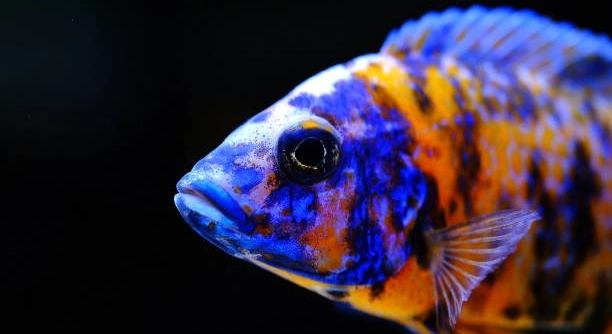
Is your cichlid acting out, swimming erratically, or constantly hiding behind tank decorations more than usual these days?
The most common reason a cichlid may display unusual behavior is due to limited space. When confined to a tank that is too small, cichlids often become stressed, territorial, and more prone to illness and aggression.
Recognizing the signs early can help you make the right changes and ensure your fish stays healthy and content in its environment.
Sign #1: Your Cichlid Is Becoming More Aggressive
Cichlids can be territorial by nature, but when they start acting overly aggressive toward other tank mates, it could be a sign they need more space. In smaller tanks, cichlids feel crowded, which can increase stress and trigger aggressive behavior. You might notice chasing, fin nipping, or constant confrontations with other fish. These actions aren’t always just about dominance—they often reflect discomfort caused by limited space. A tank that is too small doesn’t allow them to establish their own territory, which is essential for their mental well-being. Adding more hiding spots or decorations might help for a short time, but it doesn’t solve the root problem. A larger tank provides better territory spacing and reduces the tension between fish. When cichlids have enough room, they can swim more freely and engage in more natural behaviors, leading to a calmer environment and healthier fish overall.
Short tempers are sometimes just a sign that your fish feel trapped and overwhelmed.
A tank upgrade can be one of the most effective ways to reduce these aggressive outbursts. It gives each cichlid its own space to retreat and helps prevent unnecessary stress. Once settled into a larger area, many fish become noticeably calmer and healthier.
Sign #2: Constant Glass Surfing
Glass surfing is when your cichlid swims up and down along the tank walls over and over again.
This repetitive movement often signals restlessness or boredom. In many cases, it’s because the fish doesn’t have enough space to explore or enough stimulation to stay engaged. Smaller tanks limit the natural swimming patterns that cichlids need. When there’s no room to move, they start pacing along the walls out of frustration. This behavior can also lead to physical exhaustion and injury over time. If your fish seems otherwise healthy—eating well, with no visible signs of illness—but keeps glass surfing, the size of the tank may be the problem. Increasing the tank size allows for more decorations, caves, and room to explore. This helps keep your cichlid mentally and physically active. A larger space with a better layout can make a big difference in reducing these types of stress-related behaviors and supporting a more peaceful daily routine.
Sign #3: Growth Seems Stunted
When a cichlid stops growing or grows slower than expected, the tank size could be to blame. Limited space can restrict physical development and prevent your fish from reaching its full size and potential.
A cichlid’s growth depends on several factors—diet, water quality, and room to swim. In a tank that’s too small, even the best food and care can’t make up for the lack of space. Their bodies respond to crowded conditions by slowing down growth as a survival response. You might not notice it at first, but over time, their size will lag behind what’s normal for their species. Young cichlids are especially sensitive to these limitations. If you plan to keep multiple fish or a species known to grow larger, starting with a bigger tank prevents this issue from the beginning and supports natural, steady development.
Once moved to a larger tank, many cichlids show noticeable improvements in size over the next few months. Better swimming space supports muscle development and encourages more movement, both of which play a role in healthy growth. Stunted fish are also more likely to have health issues later on, so early action helps avoid long-term problems. A properly sized tank gives them the conditions they need to thrive.
Sign #4: Water Quality Declines Quickly
When water becomes dirty soon after a change, it’s often because the tank is too small for the bio-load. Even with good filtration, small tanks can’t keep up with large or multiple cichlids.
Cichlids are messy eaters and produce a lot of waste, which puts extra pressure on water conditions. Ammonia and nitrate levels rise fast in tight spaces, even if you’re doing regular water changes. Poor water quality affects your fish’s health and can cause stress, fin damage, and disease. It also limits the beneficial bacteria’s ability to keep things balanced. Larger tanks help dilute waste more effectively and reduce the frequency of major water shifts. This makes it easier to keep the water clear, stable, and safe. You’ll also notice fewer algae blooms and a more pleasant environment overall. Clean water isn’t just about appearance—it plays a huge role in your cichlid’s long-term health and behavior.
Sign #5: Your Cichlid Hides Constantly
A cichlid that hides all day may not feel safe or comfortable in its environment. This can happen when the tank is too small to offer proper cover or personal space.
When there’s not enough room, your fish might retreat more often to avoid conflict or reduce stress.
Sign #6: Tank Mates Keep Getting Bullied
In a cramped tank, cichlids are more likely to target weaker or smaller tank mates. Without enough space to set clear territories, fish often become aggressive as they compete for limited areas. This causes stress not only for the victim but also for the aggressor. Constant chasing, fin damage, and fear-based hiding are all signs of tank overcrowding. If your peaceful fish are suddenly being bullied, it’s often a warning sign that space is too limited. A larger tank can create natural separation between species and reduce the urge to fight. It helps improve overall tank harmony.
Sign #7: There’s Just No Room to Swim
If your cichlid looks cramped while swimming, the tank is likely too small. They need enough space to move freely, stretch their fins, and explore their surroundings without bumping into decorations or tank mates constantly.
FAQ
How do I know what size tank my cichlid needs?
The right tank size depends on the type and number of cichlids you have. In general, a single small cichlid, like an Apistogramma, needs at least a 20-gallon tank. Medium-sized cichlids, such as Angelfish or Bolivian Rams, should have 30 to 40 gallons minimum. Larger species, like Oscars or Jack Dempseys, need 55 gallons or more—per fish in some cases. If you’re keeping multiple cichlids, especially territorial types, plan on at least 10 to 20 extra gallons per fish to help reduce aggression and provide space for territories.
Can I keep cichlids in a community tank?
Yes, but it depends on the type of cichlids and the tank setup. Some cichlids are more peaceful and can live in community tanks with other calm species. For example, keyhole cichlids and dwarf cichlids often do well with tetras, corydoras, and other peaceful fish. However, African cichlids and larger Central American varieties are usually more territorial and aggressive. They’re better suited for species-only or carefully planned tanks. When keeping cichlids with other fish, it’s important to provide lots of hiding spaces and keep an eye on behavior, especially during breeding.
What are signs that my tank is overcrowded?
Some of the most common signs include frequent aggression, poor water quality, stunted growth, and stress-related behaviors like glass surfing or hiding. You might also see your fish breathing heavily or acting lethargic. If your tank requires constant water changes to stay clean, or if you’re noticing illness more often, overcrowding could be the issue. Visual signs include a lack of open swimming space and fish struggling to establish separate territories. Even if the water tests look fine, behavior and physical condition can tell you when the tank is too full.
How quickly should I move my cichlid to a larger tank?
If you’re seeing signs of stress or poor health, it’s best to upgrade as soon as possible. A delayed move can lead to long-term damage, including stunted growth and chronic stress. Before moving them, set up the new tank and allow it to cycle properly to avoid shocking your fish. Try to match the water parameters between tanks to make the transition easier. If a full upgrade isn’t possible right away, consider reducing the number of fish or increasing water changes temporarily until you can make the change.
Does tank shape matter or just the size?
Both matter. Cichlids are active swimmers and need horizontal space more than vertical height. A long, wide tank is usually better than a tall one, even if they hold the same volume. Longer tanks allow fish to swim naturally and set up territories with space between them. Corner tanks or oddly shaped aquariums might look nice but don’t always provide practical space for active fish. Always consider swimming room, surface area for oxygen exchange, and room for hiding spots when choosing a tank.
Can decor help reduce stress in a small tank?
Yes, but only to a point. Adding caves, rocks, plants, and visual barriers can give cichlids places to hide or claim as territory, which helps reduce conflict. However, if the tank is too small overall, no amount of decor can fully fix the issue. It might calm the fish temporarily, but the underlying problem of space still remains. In fact, adding too much decor in a small tank can make things worse by reducing swimming space and causing more crowding. Use decor wisely, especially in smaller tanks.
Will my cichlid’s behavior change after upgrading to a bigger tank?
Yes, in most cases, behavior improves noticeably. Aggressive fish may become more tolerant, shy fish might explore more, and stressed fish can regain their natural patterns. You’ll likely see more stable behavior, improved color, better appetite, and healthier activity levels. Upgrading doesn’t just offer more room—it also improves water stability, reduces stress, and allows for more natural interaction among tank mates. If your fish has been showing signs of stress or aggression, a larger tank could be one of the most effective long-term solutions.
Final Thoughts
Keeping cichlids healthy and happy takes more than just feeding them well and cleaning the tank. Tank size plays a big role in how your fish behave, grow, and interact with their surroundings. When a tank is too small, it can lead to stress, aggression, illness, and many other problems that may not always be obvious right away. If you’ve noticed changes in your cichlid’s behavior—like constant hiding, glass surfing, or stunted growth—it could be their way of telling you they need more space. Sometimes even a few extra gallons can make a big difference in how your fish feel and act.
A larger tank provides more swimming room, better water quality, and enough space for natural behaviors to develop. It also gives you more flexibility with adding tank mates, decorations, or plants without overcrowding the space. When fish have enough room to swim, rest, and claim their own territory, they feel more secure. This can reduce stress and aggression while supporting a more peaceful tank overall. You’ll often see brighter colors, more activity, and a stronger appetite once your cichlid settles into a bigger home. It’s not just about having a “nice looking” tank—it’s about creating a proper environment that supports the fish’s well-being.
Upgrading your tank might feel like a big step, especially if you’re working with limited space or budget, but it’s one of the most important choices you can make for your cichlid’s long-term health. In the end, your fish will thank you in their own way—by living longer, staying healthier, and showing off their full personality. Paying attention to the signs and responding early can prevent a lot of stress and problems down the road. Whether you’re caring for one cichlid or managing a group, giving them the right amount of space is one of the simplest and most rewarding ways to support their care.

Hello,
If you enjoy the content that we create, please consider saying a "Thank You!" by leaving a tip.
Every little bit helps us continue crafting quality advice that supports the health, happiness, and well-being of pets around the world, for pets of all shapes, sizes, and species.
We really appreciate the kindness and support that you show us!