
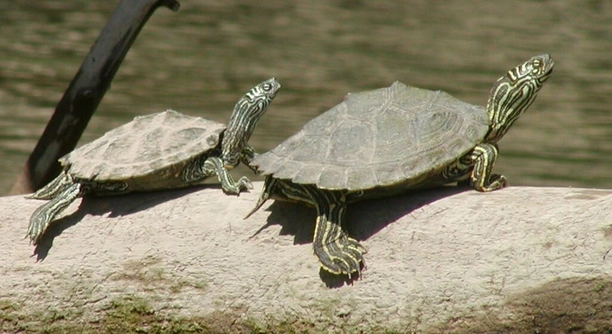
When map turtle hatchlings emerge, they must quickly make their way to the water. Ensuring their safe relocation is essential to their survival and development. This process requires careful attention to their delicate needs.
To safely relocate map turtle hatchlings to water, gently scoop them up and avoid handling them too much. Place them in a shallow area of the water, allowing them to naturally move into deeper regions as they adjust.
Understanding the right methods ensures a smooth transition for hatchlings, providing them with the best chance for survival and growth in their aquatic environment.
Why Map Turtle Hatchlings Need Immediate Assistance
When map turtle hatchlings first emerge, they are often disoriented and vulnerable. Their instinct is to head toward the water, but obstacles like predators or harsh weather can put them in danger. In the wild, many hatchlings face threats from birds or other animals. Relocating them to water gives them a better chance at survival. The hatchlings are incredibly small and fragile, making their early movements crucial for their development. Without proper guidance, they might wander off course, becoming easy prey. This is why human intervention is so vital during their early stages of life.
The first 24 hours are critical. Relocating hatchlings quickly and safely helps them avoid dangers and settle into their new aquatic environment.
Making sure to place them in a safe, shallow part of the water helps them build the confidence to swim. Map turtle hatchlings are naturally drawn to water, but if they are not guided, they may struggle or get lost. By observing their natural instincts, you can assist them in navigating to the best habitat. After releasing them, ensure the area is free from predators and any hazards that could impede their movement. A calm environment increases their chances of thriving.
Best Locations for Relocating
Choosing the right place to release map turtle hatchlings is essential for their survival. The water must be shallow and free from immediate threats like fish or other predators.
It’s important to place them in areas where they can easily find shelter and food.
Look for slow-moving waters, such as ponds or marshes, where the hatchlings are less likely to face currents or large predators. These areas provide a stable environment where they can grow and develop their survival skills. By releasing hatchlings in the right location, you give them the best opportunity for a healthy, long life.
How to Handle Map Turtle Hatchlings
Gently pick up the hatchlings by the sides of their shells, avoiding pressure on their delicate bodies. Handling them as little as possible reduces stress.
When handling map turtle hatchlings, always keep them low to the ground. They are fragile and should not be dropped. Hold them securely but lightly, making sure not to squeeze. Avoid lifting them by the legs or head, as this can cause injury. Place them in a safe container, like a shallow box, if they need to be transported to water. Ensure the container has enough ventilation for them to breathe easily.
Turtle hatchlings may also be startled by human presence. Keeping movements slow and calm can prevent them from becoming stressed. When it’s time to release them, ensure they are placed gently in a safe, shallow area of water. Moving quickly or forcefully could cause unnecessary harm.
Monitoring the Hatchlings After Relocation
Once relocated, monitor the hatchlings for a short time to ensure they make their way into deeper water. This ensures they have started their new life safely.
While it’s important to step back and let nature take its course, a quick observation ensures the hatchlings are moving toward the right direction. Keep a safe distance to avoid causing them to panic. If they seem to be struggling, gently encourage them toward the water without touching them. It’s crucial to avoid crowding or overwhelming them, as they need space to acclimate to their new environment.
You can also monitor their behavior over the next few days, noting if they are actively foraging and adjusting to their surroundings. These signs will confirm they have adapted well to the aquatic habitat. Providing a safe start in their new home is essential for their long-term survival.
Keeping Hatchlings Safe From Predators
Map turtle hatchlings are vulnerable to many types of predators, including birds and small mammals. Protecting them in the first few days is crucial for their survival.
After relocating the hatchlings to water, keep an eye out for potential predators. If the location is near known predator activity, move the hatchlings to a more secure spot. Even in calm waters, some predators may still be lurking, ready to hunt.
Temperature Considerations
Temperature plays a significant role in the development of map turtle hatchlings. Water that’s too cold can slow their growth, while water that’s too warm can cause stress.
Before relocating hatchlings, make sure the water temperature is within the ideal range for map turtles. A slight variation in temperature can impact their health and survival rates. Monitoring water temperature during the relocation process helps avoid placing hatchlings in areas where they might struggle to thrive. The right environment is key for their long-term success.
FAQ
What should I do if the hatchlings aren’t moving toward the water?
If the hatchlings aren’t heading toward the water, gently guide them in the right direction. Avoid touching them too much, as it can cause stress. You can create a small path with your hand or move obstacles that might be in their way. Patience is important. Sometimes hatchlings take a little time to find their way.
How can I tell if a hatchling is healthy?
A healthy map turtle hatchling will have bright, clear eyes and an intact shell. If the hatchling’s shell is cracked or damaged, it may be in need of care. Additionally, healthy hatchlings will be active and responsive when you approach them. Lethargy or abnormal behavior could indicate health issues.
Can I relocate hatchlings during the night?
It is generally safe to relocate map turtle hatchlings at night if needed. Turtle hatchlings are often more active in the cooler hours. However, always ensure they are placed in a safe environment, free from predators and hazards. You should monitor them briefly to ensure they are moving toward the water.
Should I feed the hatchlings after relocating them?
It’s usually best to let the hatchlings find food on their own. Map turtle hatchlings instinctively know how to forage once they’re in their aquatic environment. However, if you notice they aren’t foraging within the first few days, you may gently offer small, appropriate foods like aquatic insects or worms.
What’s the best time of year to relocate map turtle hatchlings?
The ideal time to relocate map turtle hatchlings is shortly after they hatch and make their way to the water. Timing is crucial as they need to find water quickly to avoid dehydration. Spring and early summer are common hatching periods, but always check for local seasonal patterns.
Is it safe to relocate hatchlings to any body of water?
Not all water bodies are suitable for relocating map turtle hatchlings. Avoid areas with strong currents, predators, or contaminants. Freshwater ponds, marshes, or quiet lakes are generally good options. Ensure the water is clean, free from harmful chemicals, and doesn’t have large predatory fish that could harm the hatchlings.
How far can map turtle hatchlings travel on land?
Map turtle hatchlings can travel small distances on land but are not well-equipped for long journeys. They are more vulnerable when exposed to dry conditions, so it’s important to get them to the water as quickly as possible. The longer they stay on land, the higher the risk from predators or environmental factors.
How can I ensure the hatchlings are safe after relocation?
Once the hatchlings are in the water, ensure the area is free of predators like birds and large fish. It’s also helpful to place them in shallow water near natural hiding spots, such as submerged plants or rocks. You can monitor the area for a short period, but allow the hatchlings to settle into their new home.
What should I do if a hatchling seems injured?
If a hatchling is injured, it’s important to seek immediate help from a wildlife rehabilitator or a local veterinarian. Do not attempt to treat the injury yourself, as improper care can worsen the condition. Keep the hatchling in a safe, warm place until help arrives.
How long do map turtle hatchlings stay in the water?
Map turtle hatchlings usually stay in the water for the first few months of their lives as they grow and learn survival skills. During this time, they develop their swimming ability and start to forage for food. As they mature, they will venture into deeper waters.
Can I keep map turtle hatchlings as pets?
While it’s legal in some areas to keep map turtles as pets, it’s important to provide them with the proper care. Hatchlings need a controlled environment with appropriate water temperature, lighting, and food. If you choose to keep them, make sure you can meet their long-term care needs.
Do map turtle hatchlings need any special care?
Map turtle hatchlings are relatively low-maintenance, but they do require specific care, especially in the early stages. They need access to clean water, a safe environment free of predators, and proper food sources. You should also monitor their health, keeping an eye out for any signs of stress or illness.
What are the main threats to map turtle hatchlings?
Predators, such as birds, raccoons, and fish, pose significant threats to map turtle hatchlings. Environmental factors like extreme temperatures or pollution can also impact their survival. Invasive species may compete with hatchlings for resources. Providing a safe environment and minimizing exposure to these threats is key to their survival.
Final Thoughts
Relocating map turtle hatchlings requires careful attention to detail and an understanding of their needs. By following the right steps, you can help ensure that the hatchlings have the best chance of survival after hatching. This involves not only physically relocating them but also considering the conditions that will support their growth, such as water temperature, predators, and food availability. In many cases, hatchlings are born with the instinct to find water, but human intervention can offer extra protection in areas where risks are higher.
It is important to minimize handling and disturbance to the hatchlings, as stress can negatively impact their health and ability to survive. Always take care when moving them, and avoid any actions that might cause unnecessary harm. Once relocated, make sure they have a safe and stable environment to settle into, with minimal exposure to predators and other threats. Choosing the right body of water, ensuring proper temperature, and monitoring for the first few days are essential for their successful transition to the wild.
While map turtle hatchlings are resilient, they face many challenges in their early days. By being aware of these challenges and providing a safe, supportive environment, you can increase their chances of thriving. This process not only helps the hatchlings but also contributes to the conservation of the species as a whole. Whether you are helping hatchlings in the wild or monitoring a group, every effort counts toward ensuring their future in nature. The actions taken now can play a crucial role in securing their long-term survival.

Hello,
If you enjoy the content that we create, please consider saying a "Thank You!" by leaving a tip.
Every little bit helps us continue crafting quality advice that supports the health, happiness, and well-being of pets around the world, for pets of all shapes, sizes, and species.
We really appreciate the kindness and support that you show us!