
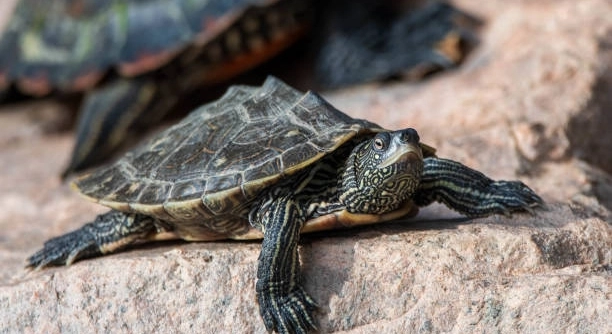
Map turtles are fascinating creatures, and their diet plays a crucial role in their well-being. They are known to consume various types of food, including aquatic plants. Understanding their dietary preferences is important for their care.
Map turtles can eat aquatic plants, and they benefit from these plants due to their nutritional content. Aquatic plants provide essential vitamins and minerals, promoting healthy digestion, growth, and overall well-being in map turtles.
Incorporating aquatic plants into their diet can support their natural behaviors and improve their health.
Nutritional Benefits of Aquatic Plants for Map Turtles
Aquatic plants provide map turtles with essential nutrients. These plants are rich in fiber, vitamins, and minerals, which contribute to their digestive health. The plant matter also aids in balancing their diet, especially when combined with other foods such as insects or small fish. By offering these plants, map turtles receive natural enrichment, supporting their long-term health. Regular consumption helps strengthen their immune system and prevents dietary deficiencies. Furthermore, aquatic plants encourage natural foraging behavior, which is vital for their mental and physical stimulation. The leaves, stems, and roots provide a variety of textures and flavors, making feeding time more engaging for these turtles.
Providing a range of aquatic plants ensures your map turtle’s diet remains balanced and varied. Certain plants may offer additional benefits, including hydration and antioxidants, which can protect their cells and promote better overall health.
Different types of aquatic plants, such as water lilies, anacharis, and duckweed, provide various nutrients. Each plant species offers distinct advantages, from aiding digestion to promoting healthy skin and shell growth. Some plants, like elodea, are especially rich in fiber, helping to regulate the turtle’s digestive system. Others, like water hyacinth, contain vitamins that contribute to skin health. A variety of plants will help simulate their natural environment, supporting their well-being and making feeding time both fun and nutritious.
How to Safely Incorporate Aquatic Plants
When introducing aquatic plants into your map turtle’s diet, it is important to select safe, non-toxic options. Some plants may contain chemicals or compounds that could harm the turtles, so it’s vital to research plant varieties carefully. Offering a mixture of fresh plants from a reliable source will ensure the plants are free from pesticides or other harmful substances.
You can find a variety of safe aquatic plants at pet stores or online. Additionally, plants grown in your own pond or tank can provide an endless supply of fresh food for your turtles. Always ensure the plants are clean and free from any harmful chemicals.
Feeding Map Turtles with Fresh Aquatic Plants
Fresh aquatic plants are a great addition to your map turtle’s diet. They provide essential nutrients and keep your turtle active and healthy. Introduce a variety of plants to offer more benefits. Fresh plants are more nutritious and stimulating, encouraging your turtle to engage in natural foraging behaviors.
Incorporating fresh aquatic plants into your turtle’s diet helps maintain proper hydration and digestion. They are also an excellent source of fiber, which aids in digestion and bowel movement. Along with nutrients, fresh plants offer textures that enrich your turtle’s environment. Including a mix of plants will create an engaging and beneficial diet.
Feeding your turtle fresh plants can also prevent boredom and promote physical activity. Map turtles enjoy nibbling on plants in the wild, so this mimics their natural behaviors. Some plants, like water lettuce, float on the surface, which provides your turtle with both food and a fun challenge. Keeping things varied helps maintain their well-being and adds to the diversity of their diet.
Avoiding Harmful Plants
Certain aquatic plants can be toxic to map turtles and should be avoided. These plants may contain compounds that cause digestive problems or even poisoning. Knowing which plants are safe and which are harmful is crucial to ensuring your turtle’s safety and health.
A few plants to avoid include water hemlock, which can be fatal, and azolla, which can upset your turtle’s digestive system. In addition, ensure that any plants you add to the tank have not been treated with pesticides. Even naturally grown plants can sometimes harbor harmful chemicals. Always check thoroughly before introducing them to the tank.
Safe alternatives include plants like duckweed, anacharis, and water spinach. These plants provide a balanced mix of nutrients and are safe for map turtles to consume. Incorporating a variety of these plants into your turtle’s diet will help ensure they receive the necessary nutrients without any risk to their health.
Types of Aquatic Plants Map Turtles Enjoy
Map turtles enjoy a variety of aquatic plants. Duckweed, water lettuce, and anacharis are among the most popular choices. These plants are not only nutritious but also offer different textures and shapes, which engage your turtle’s foraging instincts. Incorporating different types will enrich their diet.
You can also try adding water hyacinth, which provides vitamins and supports hydration. Floating plants, like water lilies, offer both food and shelter, enhancing your turtle’s environment. A mixture of submerged and floating plants will create a more natural, diverse habitat, promoting physical activity and mental stimulation.
How to Grow Aquatic Plants for Your Map Turtle
Growing your own aquatic plants can be a rewarding way to provide fresh food for your map turtle. Plants like anacharis and duckweed grow easily in a tank or pond with proper lighting. Ensure they are placed in a clean, well-maintained environment to thrive.
By growing your own plants, you can ensure their freshness and avoid harmful pesticides. Regularly trim plants to prevent overgrowth and ensure your turtle has easy access to them. A well-maintained aquatic garden will offer an endless supply of nutritious plants for your turtle to enjoy.
Rotating Aquatic Plants for Balanced Nutrition
Rotating aquatic plants in your turtle’s diet helps maintain a balance of nutrients. Different plants contain varying vitamins, minerals, and fiber, so it’s beneficial to offer new plants regularly. This variety helps avoid potential nutrient imbalances and keeps the feeding process interesting.
Mixing up the types of plants you provide ensures your turtle gets a well-rounded diet. Each plant offers distinct benefits, like improved digestion or enhanced hydration. By rotating plants, you provide a healthier and more enjoyable experience for your turtle.
FAQ
Can map turtles eat all types of aquatic plants?
Not all aquatic plants are safe for map turtles. While many plants are beneficial, some can be toxic. It’s important to avoid plants like water hemlock or azolla, as they can cause serious health issues. Always research the specific plant before introducing it to your turtle’s environment. Safe options include duckweed, anacharis, and water lettuce, which provide necessary nutrients without posing a risk.
How often should I feed my map turtle aquatic plants?
You can feed your map turtle aquatic plants several times a week, depending on the turtle’s overall diet. It’s important to provide a balanced meal, so plants should complement their diet of protein, such as insects or fish. Offering aquatic plants 2–3 times a week is usually sufficient, ensuring they receive the right amount of fiber and vitamins.
Are aquatic plants essential for a map turtle’s diet?
Aquatic plants are not strictly essential for survival, but they play a crucial role in a healthy diet. They offer important nutrients like vitamins, minerals, and fiber that support digestion, hydration, and overall well-being. Including plants in their diet mimics natural feeding behavior and helps prevent boredom, which can affect your turtle’s health.
Can I grow aquatic plants in my map turtle’s tank?
Yes, you can grow aquatic plants in your map turtle’s tank. Many plants, such as anacharis, duckweed, and water lettuce, can thrive in a well-maintained aquarium. Ensure the tank has proper lighting and water conditions to support plant growth. Regular maintenance is key to preventing overgrowth and ensuring the plants remain fresh and nutritious for your turtle.
What are the best aquatic plants for map turtles?
The best aquatic plants for map turtles include duckweed, anacharis, water lettuce, and water hyacinth. These plants are nutritious and provide essential vitamins and fiber. Floating plants like water lilies also offer shelter and food. A mix of submerged and floating plants will give your turtle variety and encourage natural foraging.
Do aquatic plants help with my turtle’s hydration?
Yes, aquatic plants can help with hydration. Many plants contain a high amount of water, which supports your turtle’s hydration needs. Consuming plants like water lettuce and duckweed helps your turtle stay hydrated, especially if they are not drinking from the water itself. This is especially important if your turtle spends most of its time on land.
How can I tell if my turtle is getting enough aquatic plants?
You can tell if your turtle is getting enough aquatic plants by monitoring their health and behavior. If your turtle seems lethargic or has shell issues, it might not be getting the right balance of nutrients. Healthy digestion, bright eyes, and an active demeanor usually indicate a well-balanced diet. Keep track of your turtle’s diet and adjust the amount of plants based on their needs.
Can I feed my map turtle only aquatic plants?
Feeding only aquatic plants is not recommended. While plants are a vital part of their diet, map turtles also need animal-based proteins for proper nutrition. A diet that includes insects, fish, and other protein sources will help ensure your turtle receives all the essential nutrients for growth, strength, and overall health.
Should I wash the aquatic plants before feeding them to my map turtle?
Yes, you should always wash aquatic plants before offering them to your map turtle. This helps remove any dirt, pesticides, or other contaminants that may be harmful. Even plants grown in your own tank should be cleaned to ensure they are safe for consumption. Simply rinse them with clean water before placing them in the tank.
Can map turtles eat plants from my garden?
You can offer certain garden plants to your map turtle, but it’s important to ensure they are safe. Some plants from your garden may have been treated with pesticides or chemicals, which could harm your turtle. Always check for toxicity and wash the plants thoroughly before offering them to your turtle. Safe options include dandelion leaves, clover, and some types of lettuce.
Are there any plants that should never be fed to a map turtle?
Yes, there are several plants that should never be fed to map turtles, including water hemlock, azolla, and certain types of algae. These plants contain toxic compounds that can harm your turtle’s health. Always research the specific plant before feeding it to your turtle and ensure it is non-toxic.
Final Thoughts
Map turtles thrive in environments that mimic their natural habitat, and aquatic plants play an important role in creating a balanced diet and healthy living conditions. Providing a variety of aquatic plants ensures that your turtle receives essential nutrients like fiber, vitamins, and minerals. Plants like anacharis, duckweed, and water lettuce are not only nutritious but also encourage natural behaviors such as foraging and grazing. A mix of floating and submerged plants will keep your turtle engaged, promoting mental stimulation and physical activity.
However, it is essential to ensure that the plants you provide are safe and free from harmful chemicals. Always wash the plants thoroughly before introducing them into the tank, especially if they are harvested from outside environments. Avoid toxic plants like water hemlock or azolla, as these can pose significant health risks. A clean and well-maintained tank with the right balance of aquatic plants is key to your turtle’s well-being. Regular maintenance is necessary to prevent the plants from overgrowing and to keep the water quality high.
Ultimately, the role of aquatic plants in a map turtle’s diet goes beyond just nutrition. They create a more natural habitat that supports hydration, shelter, and a more enriching environment. By offering a variety of plant options, you can provide a more enjoyable and fulfilling experience for your turtle. With proper care and attention, you can ensure that your map turtle thrives on a plant-inclusive diet, contributing to their long-term health and happiness.

Hello,
If you enjoy the content that we create, please consider saying a "Thank You!" by leaving a tip.
Every little bit helps us continue crafting quality advice that supports the health, happiness, and well-being of pets around the world, for pets of all shapes, sizes, and species.
We really appreciate the kindness and support that you show us!