
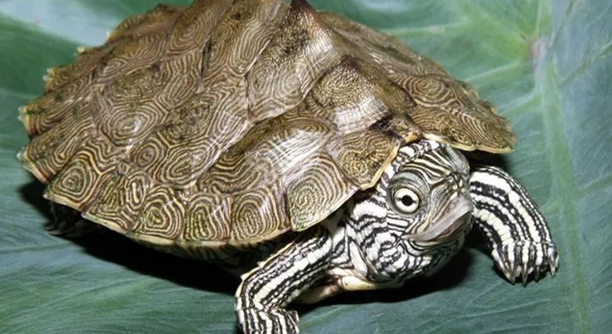
Map turtles are fascinating creatures, but you may notice a change in their eating habits during the colder months. It’s common for these turtles to eat less or stop eating altogether when winter arrives.
Map turtles often stop eating in winter due to decreased temperatures, which lower their metabolism. During this time, they enter a state of reduced activity and may fast. This behavior helps them conserve energy in cooler water.
Understanding the reasons behind this behavior will help ensure your turtle’s well-being and manage their care through the winter months.
Temperature and Metabolism
During winter, map turtles experience a drop in water temperature, which affects their metabolism. Their bodies slow down, reducing the need for food. As cold-blooded animals, they rely on their environment to regulate their body temperature. In colder waters, their digestive system becomes less efficient, making it difficult for them to process food properly. The lower activity level during this period also means they require fewer calories.
Map turtles may also become more lethargic in winter, further reducing their appetite. They are naturally adapted to survive in colder conditions by slowing down their bodily functions. In this state, eating becomes less of a priority.
Ensuring a proper temperature range in their tank or outdoor habitat can help maintain their health during this period. If temperatures are too low, consider using a heater to keep their environment within the ideal range to avoid stress and health issues.
Seasonal Changes in Behavior
As temperatures drop, map turtles may enter a semi-dormant state. This behavior helps them conserve energy until warmer weather returns. During winter, they may remain in one spot for longer periods, often resting more than usual. Their reduced activity means less food intake is necessary.
It’s crucial to monitor their overall health during this period. While they may not eat much, providing a stable and stress-free environment will help them through these months. Keep an eye on their water temperature and avoid unnecessary handling. Maintaining the right conditions will support their natural processes.
Importance of Proper Tank Conditions
Maintaining the right tank conditions is essential during winter. Map turtles need a stable environment to stay healthy. If the temperature drops too low, they may not be able to digest their food properly, which could lead to health problems. A well-maintained tank also provides them with a safe place to retreat and rest.
A proper tank setup includes using a reliable heater, especially in areas with colder climates. The water temperature should be kept between 70°F and 75°F during winter. If the water becomes too cold, the turtles might not eat or become sluggish, increasing their vulnerability to illness.
Regular monitoring of the tank’s water quality is just as important. Clean water helps prevent infections and other health problems. Make sure to change the water regularly and check the filtration system. Healthy tank conditions contribute to the overall well-being of your map turtle during the winter months.
Adjusting Diet for Winter
During winter, map turtles require less food due to their slower metabolism. Adjusting their diet to fit this change is important for their health. Offer food less frequently, perhaps once or twice a week, instead of daily feeding. This allows their body to process food more slowly.
Map turtles tend to lose interest in food when they are not as active. Their hunger decreases during winter, and forcing food on them may cause stress. If they refuse to eat, it’s best to remove uneaten food to keep the tank clean. Focus on offering high-quality food during the times they are eating. This ensures they are still getting the nutrients they need without overfeeding.
Reducing the amount of food also helps to prevent water quality issues. Leftover food can quickly degrade in colder water, causing the water to become murky and unhealthy. Providing only as much as your turtle can consume prevents such problems and keeps their environment clean.
Signs of Stress
When map turtles stop eating in winter, it can sometimes be a sign of stress. Stress can come from poor water quality, sudden temperature changes, or handling. If the environment is not suitable, turtles may become agitated and less likely to eat.
Ensure the water is clean and within the right temperature range. Make sure your turtle has a peaceful environment, avoiding unnecessary interactions. Stress can also be caused by changes in light or habitat, so keep everything consistent to reduce any possible triggers.
A stressed map turtle may also hide more often, retreating to a dark, quiet spot in their tank. Keep monitoring their behavior closely to spot any signs of discomfort or distress.
Winter Care Routine
A consistent routine is important for your map turtle’s winter care. Check their water temperature regularly and maintain their habitat by cleaning the tank and changing the water. Keeping the tank at a stable temperature helps your turtle avoid unnecessary stress.
Offer food less frequently, but ensure the food you give is nutritionally balanced. Keep the tank free from debris and uneaten food to maintain water quality. If needed, use a water heater to keep the temperature in the optimal range. This helps your turtle get through winter without additional strain.
Hydration Needs
Even though map turtles eat less in winter, hydration is still crucial. Ensure they have access to clean water at all times. Dehydration can lead to health problems, especially when they are less active. Provide a shallow water dish for them to drink from if their tank water levels are low.
FAQ
Why does my map turtle stop eating in winter?
In winter, map turtles experience a drop in temperature, which slows down their metabolism. As cold-blooded animals, they rely on the temperature of their environment to regulate their body functions. When the water cools down, their digestive system becomes less efficient, and they need less food. This behavior is natural, as they conserve energy during this time. Reduced activity and lowered appetite are part of their winter survival strategy.
Should I be concerned if my map turtle refuses to eat in winter?
It’s generally not a cause for concern if your map turtle stops eating during winter. This behavior is common and usually temporary. However, if the turtle refuses to eat for an extended period or shows other signs of distress, like lethargy or shell problems, it’s a good idea to consult a vet. Ensuring the water temperature stays within the recommended range can also help improve their appetite.
Can I force my map turtle to eat during winter?
Forcing your map turtle to eat is not recommended, as it can cause stress. During winter, their appetite naturally decreases, and pressuring them can lead to further health issues. Instead, offer food sparingly and ensure that it’s of high nutritional value. If your turtle isn’t interested, it’s best to remove the food to keep the tank clean.
How do I maintain proper water temperature for my map turtle in winter?
To maintain the proper water temperature, use a reliable aquarium heater. Map turtles need water temperatures between 70°F and 75°F to stay healthy. It’s important to regularly monitor the temperature, especially in colder months. Place the heater at the tank’s deepest section and ensure that the water is evenly heated. A thermometer is essential for keeping track.
What if my map turtle’s tank gets too cold during winter?
If the tank water gets too cold, it can lead to health problems. Map turtles may become lethargic, stop eating, and their metabolism may slow down even more. If you notice this happening, immediately increase the water temperature with a suitable aquarium heater. Be sure to check the temperature regularly to avoid sudden shifts that could stress your turtle.
Can I add a basking light to help my map turtle in winter?
Yes, adding a basking light can help. Map turtles need access to heat and UVB light for proper health. The basking light should be positioned above a basking platform, creating a warm area for your turtle to regulate its body temperature. Keep the basking area between 85°F and 90°F, providing your turtle with a warm spot to relax and bask.
Should I adjust the lighting schedule in winter?
Map turtles rely on a natural day-night cycle. During winter, you can reduce the duration of the light cycle to mimic the shorter days. A 10-12 hour light cycle should suffice. Be sure to provide adequate UVB lighting to support your turtle’s calcium needs and overall health. Don’t completely cut off the light, as it can affect their behavior and health.
Can I reduce the frequency of feeding my map turtle during winter?
Yes, it’s important to reduce feeding frequency during winter. Map turtles’ metabolism slows down, so they require less food. Feed them less often, around once or twice a week, and monitor their weight to ensure they are not losing too much. Always provide high-quality food to maintain their health during this period.
How do I prevent my map turtle from getting sick in winter?
Preventing illness starts with maintaining proper tank conditions. Ensure the water temperature stays within the ideal range of 70°F to 75°F and the tank remains clean. Regularly monitor water quality, and clean the tank to avoid bacterial or fungal growth. Additionally, avoid stressing your turtle by handling it too much during the colder months.
Is it necessary to keep my map turtle’s tank in complete darkness during winter?
No, it’s not necessary to keep the tank completely dark during winter. Map turtles still need a light cycle to maintain their health. However, the lighting period can be shorter, around 10-12 hours, to reflect the natural changes in daylight hours. Ensure that they still have access to UVB light to support their immune system and calcium absorption.
What should I do if my map turtle is showing signs of distress in winter?
If your map turtle is showing signs of distress, like lethargy, loss of appetite for an extended period, or any unusual behavior, it’s important to investigate potential causes. Check the water temperature and quality, and ensure there are no sudden changes in their environment. If these factors are optimal and the distress continues, consult a vet for further advice.
Can my map turtle still grow in winter if it’s not eating much?
Yes, map turtles can still grow even with reduced food intake during winter. Their growth slows down in colder months due to the drop in metabolism. However, they won’t stop growing completely, and when the weather warms up and their activity increases, they may begin eating more again. Growth is less about continuous feeding and more about overall health and environmental conditions.
How do I prevent my map turtle from becoming overweight?
To prevent your map turtle from becoming overweight, ensure you are feeding it the appropriate amount of food, particularly during winter. Since their metabolism slows down in colder months, feeding them too often can lead to weight gain. Offer food only once or twice a week, and make sure the portions are appropriate for their size. Also, keep an eye on their activity level to ensure they are not becoming sedentary.
Can map turtles hibernate in winter?
Map turtles don’t fully hibernate, but they do enter a state of reduced activity during colder months. This semi-dormant behavior helps them conserve energy when food is scarce. If the temperature in their environment drops too low, they may become very inactive. However, unlike some other turtles, they won’t go into full hibernation.
Should I take my map turtle outside during winter?
It’s not advisable to take your map turtle outside during winter unless the climate is warm enough to meet its needs. Cold temperatures can be harmful to your turtle. If kept outdoors in cold weather, they could become stressed or ill. It’s best to keep them inside, where you can control their environment more easily.
Can I use a UVB bulb during winter?
Yes, using a UVB bulb during winter is essential for your map turtle’s health. UVB light helps with calcium absorption and supports the turtle’s immune system. Even in winter, turtles need access to UVB light, so be sure to provide a proper bulb. Aim for 10-12 hours of exposure each day, following a natural light cycle.
Is it okay to add decorations or plants to the tank during winter?
Yes, adding decorations and plants can help create a more natural, enriching environment for your map turtle. Plants also help with water filtration, which is important for maintaining water quality. Just be sure to clean them regularly to prevent algae growth or debris buildup. Avoid overcrowding the tank, as your turtle needs space to move around comfortably.
Final Thoughts
Map turtles, like many reptiles, naturally reduce their activity and food intake during the colder months. This response is mainly due to the drop in environmental temperature, which affects their metabolism. As cold-blooded creatures, map turtles rely on their surroundings to regulate their body temperature and energy use. During winter, their digestive system slows down, causing them to eat less or even stop eating altogether. While this is a normal behavior, it’s important to ensure that their environment remains stable and meets their basic needs, including appropriate water temperatures and proper UVB lighting.
Keeping your map turtle’s tank conditions optimal is key to ensuring their health during the winter months. Consistently maintaining the water temperature within the recommended range of 70°F to 75°F will prevent them from becoming too lethargic. Additionally, using an aquarium heater and checking water temperature regularly can help avoid drastic fluctuations. Providing adequate lighting, especially UVB light, will also support their overall health, even if they aren’t eating as much. It’s essential to strike a balance between providing proper care and allowing your turtle to naturally adjust to its winter routine.
Ultimately, map turtles are resilient creatures, and as long as their basic care needs are met, they will likely emerge from the winter season healthy and ready to resume eating and being active. While it can be concerning if your turtle stops eating, this is usually a temporary situation, and their appetite will return when temperatures rise. Keep monitoring their health, water quality, and temperature. If problems persist, it’s always wise to consult a veterinarian to ensure your turtle remains in good condition. Remember that providing a stable, stress-free environment is the key to a happy and healthy map turtle.

Hello,
If you enjoy the content that we create, please consider saying a "Thank You!" by leaving a tip.
Every little bit helps us continue crafting quality advice that supports the health, happiness, and well-being of pets around the world, for pets of all shapes, sizes, and species.
We really appreciate the kindness and support that you show us!