
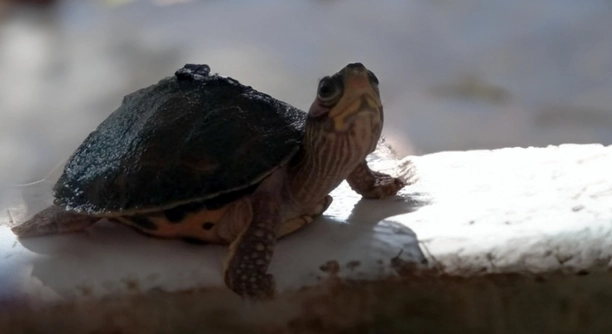
Relocating an Indian Roofed Tortoise to a new tank can be a delicate process. Ensuring its safety and comfort during the transition is essential. The right approach can prevent stress and potential harm to your tortoise.
To safely relocate an Indian Roofed Tortoise, ensure that the new tank is appropriately sized and equipped with the necessary heating, lighting, and substrate. Gradually introduce the tortoise into the new environment, minimizing stress and giving it time to adjust.
Properly relocating your tortoise is crucial to its well-being. The following steps will help make the transition smoother and safer.
Preparing the New Tank for Your Tortoise
Before relocating your Indian Roofed Tortoise, ensure that the new tank meets all of its needs. The tank should be large enough for it to move around comfortably, with a minimum size of 40 gallons for an adult tortoise. Set up a proper heat gradient, as tortoises need a warm basking spot and a cooler area for temperature regulation. Lighting is another key element. UVB lights are necessary for the tortoise’s health, helping with vitamin D3 synthesis. Use a substrate like coconut husk or soil that allows for burrowing and is safe for consumption.
Check the tank regularly for cleanliness, as a dirty environment can lead to health issues. Water should be provided in a shallow dish for drinking and soaking. Ensure the tank is secure, as tortoises are excellent escape artists. Finally, make sure the habitat reflects the natural environment to reduce stress and help with the tortoise’s adjustment.
Gradual Introduction to the New Habitat
When relocating, it’s important to introduce your tortoise to the new tank gradually. The transition should be calm and free from sudden disturbances.
Start by placing the tortoise in the new tank for short periods. Gradually extend these periods over a few days. This will help the tortoise acclimate to its new environment without becoming overwhelmed. Avoid handling the tortoise too much during the transition. Instead, let it explore the space at its own pace. During this time, observe its behavior to ensure it’s adjusting well and isn’t showing signs of stress.
Adjusting the Tank Setup as Needed
Even with careful planning, you might need to tweak the setup to better suit your tortoise’s preferences. It’s common for a tortoise to show interest in certain areas of the tank more than others, so pay attention to where it spends most of its time. If it prefers the basking spot, make sure the heat is adequate in that area. If the tortoise isn’t using the water dish, try adjusting its placement or ensuring it’s at the right height for easy access.
It’s also important to monitor the substrate for any signs of contamination. Keep the environment clean to avoid bacterial buildup. Changing the tank setup occasionally can provide mental stimulation for your tortoise, keeping it engaged in its environment. If you notice any signs of distress, such as excessive hiding or lack of movement, reassess the temperature and lighting conditions.
Monitoring Your Tortoise’s Behavior
Once the tortoise is in its new tank, monitor its behavior closely. Watch for signs of stress, such as excessive hiding or disinterest in food. Tortoises that are stressed can become lethargic or stop eating, which can affect their overall health.
If you notice these signs, check the tank’s temperature and lighting. A too-warm or too-cold environment can cause stress, making the tortoise uncomfortable. Keep an eye on the substrate, as improper bedding could lead to irritation. If the tortoise seems to be avoiding the water dish or basking area, try adjusting its placement.
The tortoise should become active and start moving around once it’s settled into its new space. Some tortoises may take a few days to fully adjust, so be patient.
Providing the Right Diet During Transition
Diet plays a crucial role during the relocation process. When moving to a new tank, the tortoise might feel unsure about its new surroundings and could lose its appetite temporarily.
Offer a variety of fresh, leafy greens like dandelion greens and collard greens to entice the tortoise. Avoid feeding it too much fruit or high-protein foods, as these are not part of a typical tortoise’s diet and can lead to health issues. Make sure any food you offer is pesticide-free, as chemicals could harm the tortoise.
You can also add a calcium supplement to its diet to promote shell health. If the tortoise still refuses food after a few days, recheck the environmental conditions, as a stressed tortoise may need a more gradual transition.
Ensuring Proper Lighting and Heating
Proper lighting and heating are essential for your tortoise’s health. Ensure the tank has both a heat source and UVB light. These will help regulate its body temperature and ensure the proper metabolism of calcium.
The heat should be in the basking area, with a cooler side for the tortoise to retreat to. UVB light should be on for 10-12 hours a day, mimicking a natural day cycle. Ensure the light is not too close to the tortoise, as it can cause overheating.
Choosing the Right Substrate
The substrate plays a big role in your tortoise’s environment. A safe, comfortable bedding like coconut husk or soil will allow your tortoise to dig and burrow.
Avoid using sand or gravel, as they can cause digestive issues if ingested. Make sure the substrate is kept dry, as damp conditions can lead to health problems. Clean the tank regularly to prevent any buildup of bacteria or mold, which could harm the tortoise.
FAQ
How long should I wait before moving my tortoise to the new tank?
You can move your tortoise to its new tank as soon as the environment is set up correctly, with the proper heating, lighting, and substrate. However, if the tortoise is still adjusting to its new surroundings, give it a day or two to get used to the new space before moving it. Make sure it’s not stressed before making the transition.
What if my tortoise isn’t eating after the move?
If your tortoise isn’t eating after being moved, it could be due to stress or environmental factors. Ensure the temperature is correct, and check that the lighting is adequate. A change in surroundings can sometimes cause a loss of appetite, so be patient. Try offering a variety of fresh greens and ensure the tank is clean and comfortable.
Can I move my tortoise during winter?
It’s not ideal to move a tortoise during cold months. Cold temperatures can stress your tortoise and affect its immune system. If the move is necessary, ensure the new tank is warm and heated adequately before the transition. Try to make the move during a time when you can control the environment closely.
What should I do if my tortoise escapes from the new tank?
If your tortoise escapes from the new tank, check for any gaps or weak spots in the tank setup. Tortoises are excellent escape artists and can often find ways out. Ensure the tank is properly secured, with a tight-fitting lid or a high enough wall. If it escapes, gently return it to the tank and recheck the setup.
How can I tell if the temperature is right for my tortoise?
A simple way to tell if the temperature is correct is by using a thermometer. The basking area should be between 90-95°F, while the cooler side should be around 70-75°F. If your tortoise is staying on the cooler side and not basking, the heat might not be sufficient. Regularly check the temperature to ensure consistency.
Is it necessary to provide a water dish in the new tank?
Yes, providing a water dish is essential. Tortoises need water not just for drinking but also for soaking. Ensure the dish is shallow enough for your tortoise to easily access and soak in. Change the water daily to prevent bacteria growth and keep the dish clean.
How do I know if my tortoise is too stressed in the new tank?
Signs of stress include excessive hiding, a lack of interest in food, or excessive pacing around the tank. If your tortoise isn’t moving around and seems lethargic, there may be an issue with the temperature, lighting, or tank setup. Check for any changes in behavior and adjust the environment if necessary.
Can I add other animals to the new tank with my tortoise?
It’s best to keep your tortoise in its own space. Tortoises are solitary creatures and can become stressed when housed with other animals. Adding other pets to the tank can also lead to territorial behavior or stress. If you plan to add anything, be sure it’s a species compatible with your tortoise.
How often should I clean the tank after relocating the tortoise?
After relocating your tortoise, you should clean the tank at least once a week. If the tortoise soils the substrate, clean the area immediately. Regular cleaning will help prevent bacterial growth and ensure your tortoise stays healthy. Remove uneaten food daily, and replace soiled substrate as needed.
What kind of lighting does my tortoise need in the new tank?
Your tortoise needs both heat and UVB lighting in the new tank. A heat lamp will provide a basking spot for temperature regulation, while UVB lighting is essential for bone health and vitamin D3 production. Set the UVB light on a 12-hour cycle and make sure it’s positioned correctly for optimal exposure.
How do I encourage my tortoise to eat after relocating?
To encourage eating, provide a variety of fresh greens like dandelion greens, kale, and collard greens. Make sure the food is pesticide-free, and try to offer it at the same time every day. You can also lightly sprinkle calcium powder on the food to help with shell health. If your tortoise continues to refuse food, check the tank setup for potential issues.
What should I do if my tortoise is not moving around much in the new tank?
If your tortoise isn’t moving around much, check the temperature first. If it’s too warm or too cold, your tortoise may stay still to regulate its body temperature. Ensure it has access to a basking area and a cooler zone. If the temperature is fine, consider if the substrate or environment might be causing discomfort.
Is it safe to relocate my tortoise if it has health issues?
If your tortoise is experiencing health issues, it’s best to consult with a vet before moving it to a new tank. Relocating a sick tortoise could add stress to an already weakened immune system. Once cleared by the vet, follow the proper steps for a smooth transition.
How do I know when my tortoise has fully adjusted to its new tank?
Your tortoise will likely start moving around, basking regularly, and eating more once it’s fully adjusted. It should show a return to normal behavior, including exploring its environment and interacting with its food. Keep monitoring the temperature, humidity, and lighting to ensure it’s comfortable in its new space.
Final Thoughts
Relocating your Indian Roofed Tortoise to a new tank is a significant step in providing a better living environment for your pet. While the process may seem challenging, careful planning and proper setup will make the transition smoother. Start by ensuring that the new tank has all the necessary features like the right lighting, heating, and substrate. These factors contribute to a healthy environment that supports your tortoise’s well-being. A well-maintained tank will also make your tortoise feel more comfortable and secure in its new space.
Patience is key when moving your tortoise to a new tank. It’s important to give your pet time to adjust to the new surroundings. If your tortoise seems stressed, don’t panic. Stress is common during such changes, and the tortoise will gradually adapt as long as its needs are met. Providing a quiet and calm environment will also help ease the adjustment period. Offering familiar food and placing objects it recognizes in the new tank can make the transition easier for your tortoise, helping it feel more at home.
Remember that keeping your tortoise’s new tank clean and safe is essential for its health. Regular cleaning, proper heating, and maintaining the right humidity levels are necessary to prevent illness. Make sure to monitor your tortoise’s behavior and check that it’s eating, moving around, and interacting with the environment. If you notice any unusual signs, such as lack of appetite or lethargy, it’s important to address these issues quickly. With time, your tortoise will settle into its new home and thrive.

Hello,
If you enjoy the content that we create, please consider saying a "Thank You!" by leaving a tip.
Every little bit helps us continue crafting quality advice that supports the health, happiness, and well-being of pets around the world, for pets of all shapes, sizes, and species.
We really appreciate the kindness and support that you show us!