
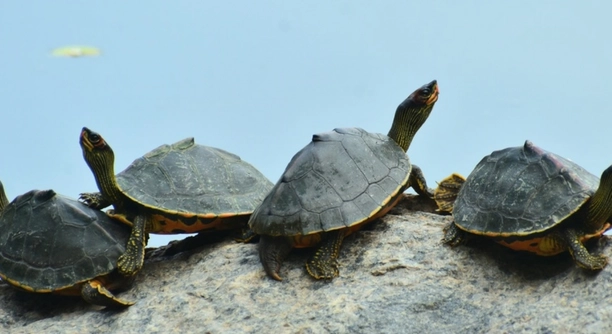
If your Indian Roofed Tortoise is losing weight, it’s important to address the cause promptly. A healthy tortoise is essential for its long-term well-being, and understanding the factors at play can help improve its health.
Several factors can contribute to weight loss in Indian Roofed Tortoises, including improper diet, stress, illness, dehydration, or environmental changes. Monitoring their food intake, hydration, and living conditions can help determine the underlying issue and guide effective solutions.
Understanding these possible causes can help you identify the root of the problem and take steps to improve your tortoise’s overall health.
Improper Diet and Nutritional Deficiencies
A proper diet is essential for the health of your Indian Roofed Tortoise. If it is not getting the right balance of nutrients, it can lead to weight loss. These tortoises need a diet rich in leafy greens, grasses, and vegetables. High-calcium foods like dandelion greens, collard greens, and clover should be included to prevent calcium deficiencies. When they don’t get enough food or the right kind, it can lead to weakness, lethargy, and weight loss.
Tortoises also need to avoid foods that are too high in protein, as this can cause kidney strain over time. Without a proper balance, your tortoise might struggle to maintain a healthy weight. It’s important to research the best foods for your pet to make sure they’re eating the right amounts.
Feeding your tortoise a varied and balanced diet, with an emphasis on fibrous plants and low-protein greens, helps keep their digestive system functioning properly and supports their overall health. Make sure to adjust their meals based on their age, size, and activity level.
Stress and Environmental Factors
Stress is a major factor that can lead to weight loss. Tortoises are sensitive to changes in their environment, and if they feel stressed, they may stop eating. Temperature fluctuations, incorrect humidity, or loud noises can all contribute to stress.
Creating a stable, quiet environment for your tortoise can help reduce stress and promote healthy eating habits. Ensure that their habitat is set up with the right temperature and humidity, and that it is a safe, quiet space for them to thrive.
Illness and Health Issues
Weight loss in your tortoise can sometimes signal an underlying health problem. Respiratory infections, gastrointestinal issues, or parasites could be causing your tortoise to lose weight. These conditions may affect appetite, digestion, and energy levels.
If your tortoise seems lethargic, has difficulty breathing, or shows signs of diarrhea, it’s crucial to consult a vet. A professional diagnosis can help identify the issue and prevent further complications. Many illnesses can be managed if detected early.
Getting regular check-ups for your tortoise ensures that health problems are caught early. Veterinary care and proper medications can help restore your tortoise’s health. If you suspect something is wrong, it’s always best to seek expert advice.
Dehydration
Dehydration is a common reason for weight loss in tortoises. Without enough water, they can quickly become weak and lose appetite. Your tortoise’s shell may even look dull and dry if it’s not hydrated properly.
Tortoises often don’t drink enough water on their own, so it’s important to provide a shallow water dish that they can easily access. Bathing your tortoise in lukewarm water for 15-20 minutes can also help with hydration. Make sure the water is clean and fresh every day.
By monitoring your tortoise’s hydration levels, you can ensure they stay healthy. Water is as vital as food in supporting their metabolism and bodily functions. Regular hydration helps keep their weight steady and supports digestion.
Inadequate Lighting and UVB Exposure
Your tortoise needs proper UVB lighting for its shell and overall health. Without it, it can suffer from metabolic bone disease, which impacts its ability to digest food properly, leading to weight loss. UVB helps in calcium absorption, crucial for growth.
If your tortoise is not receiving enough UVB exposure, they may not be able to metabolize food properly, leading to health problems. Make sure their habitat includes the right UVB bulbs, which should be replaced regularly as they lose effectiveness over time.
Poor Habitat Temperature
Maintaining the proper temperature is essential for your tortoise’s digestive process. If the enclosure is too cold, your tortoise may not be able to digest food efficiently, leading to weight loss. It’s important to provide a warm, consistent environment with both a basking spot and a cooler area for your tortoise.
A temperature range between 75°F and 85°F is ideal for most tortoises. Use a thermometer to monitor the enclosure’s temperature and adjust the heat source as needed. This ensures your tortoise stays active and can properly digest its food.
FAQ
What are the common signs that my Indian Roofed Tortoise is losing weight?
The most common signs of weight loss in your tortoise include a noticeable decrease in body size, a lack of appetite, and lethargy. If your tortoise is moving less than usual or seems to be avoiding food, it could be an indication of weight loss. You might also notice a change in its shell appearance, which could be duller or softer if the weight loss is linked to poor health.
How often should I feed my Indian Roofed Tortoise?
Your tortoise should be fed every day, with a mix of leafy greens, vegetables, and occasional fruits. A consistent feeding schedule helps maintain its weight and supports a healthy metabolism. Depending on age and activity level, adult tortoises typically eat once a day, while younger ones may need to eat more frequently.
Can stress cause weight loss in my tortoise?
Yes, stress can cause weight loss in tortoises. Factors like environmental changes, loud noises, or overcrowding can make your tortoise anxious. Stress affects its eating habits, leading to a lack of appetite and, over time, weight loss. To reduce stress, create a stable, quiet environment for your tortoise, ensuring it feels secure.
What temperature should I keep my tortoise’s habitat?
The temperature in your tortoise’s habitat should be between 75°F and 85°F, with a basking area of about 90°F. These temperature ranges allow your tortoise to digest food properly and stay active. Cold temperatures can lead to digestive problems, decreased appetite, and weight loss. Regularly check the temperature using a thermometer.
How can I prevent dehydration in my tortoise?
To prevent dehydration, make sure your tortoise has access to fresh, clean water at all times. Tortoises often don’t drink enough water on their own, so soaking them in shallow water for 15 to 20 minutes a few times a week can help. Always ensure they have a shallow water dish to drink from.
Should I be worried if my tortoise stops eating for a few days?
If your tortoise stops eating for a few days, it could be a sign of stress or health issues. Monitor its behavior closely, checking for signs of illness, such as lethargy, difficulty breathing, or a change in its shell. If it doesn’t resume eating after a few days, consult a vet for advice.
How do I know if my tortoise has parasites?
Signs of parasitic infection in tortoises include diarrhea, weight loss, and a lack of appetite. You may also notice changes in their behavior, like becoming lethargic or hiding more than usual. If you suspect parasites, it’s important to take your tortoise to a vet for a stool sample test and proper treatment.
What should I do if my tortoise’s shell looks soft or weak?
A soft or weak shell could indicate a calcium deficiency or metabolic bone disease, often caused by a lack of UVB light or improper diet. To correct this, provide proper UVB lighting and ensure your tortoise is getting enough calcium from leafy greens. In severe cases, a vet visit is necessary.
How much UVB light does my tortoise need?
Your tortoise needs around 10-12 hours of UVB exposure daily to stay healthy. UVB light helps your tortoise process calcium, which is vital for bone health. Be sure to replace the UVB bulbs regularly, as they lose their effectiveness over time. Without proper UVB exposure, your tortoise could experience weight loss and other health issues.
Can a sudden change in diet cause weight loss?
Yes, a sudden change in diet can cause your tortoise to stop eating or have digestive problems, leading to weight loss. It’s best to introduce new foods gradually and ensure that their diet is balanced. Sudden shifts can also cause stress, further affecting their appetite.
How can I make sure my tortoise is getting enough calcium?
To make sure your tortoise gets enough calcium, provide calcium-rich foods like dandelion greens, collard greens, and clover. You can also dust their food with a calcium supplement. Make sure your tortoise has access to proper UVB lighting to aid in calcium absorption.
Is it normal for my tortoise to lose weight during brumation?
It’s normal for tortoises to lose a small amount of weight during brumation, as they become less active and eat less. However, significant weight loss or prolonged periods of inactivity may be a sign of a health problem. If you’re concerned, check your tortoise’s condition regularly and consult a vet if necessary.
Can poor lighting affect my tortoise’s digestion?
Yes, improper lighting, especially a lack of UVB light, can affect your tortoise’s ability to digest food. UVB light is crucial for calcium absorption, and without it, your tortoise may suffer from metabolic bone disease, leading to digestive problems and weight loss. Make sure the lighting in the habitat is appropriate.
What should I do if my tortoise seems lethargic?
If your tortoise is lethargic, check its temperature, hydration, and diet. Ensure the environment is stress-free, with proper lighting and temperature. If lethargy persists, it could be a sign of illness or other health issues. Consulting a vet is recommended for proper diagnosis and treatment.
Final Thoughts
Losing weight in an Indian Roofed Tortoise can be concerning, but it’s important to understand the various factors that could contribute to it. The most common reasons for weight loss include inadequate diet, improper habitat conditions, and health issues like parasites or dehydration. By closely monitoring your tortoise’s behavior, environment, and diet, you can catch potential problems early and address them before they become serious.
To keep your tortoise healthy, ensure that it has a balanced diet rich in leafy greens, vegetables, and occasional fruits. Proper hydration is also key, so always provide fresh water and occasionally soak your tortoise to promote hydration. Temperature regulation and UVB lighting are just as crucial to their well-being. Without proper UVB exposure, your tortoise could suffer from metabolic bone disease, affecting digestion and overall health.
If you notice any signs of illness or drastic weight loss in your tortoise, it’s best to consult a veterinarian who specializes in reptiles. Regular check-ups can help catch any underlying health issues before they worsen. By maintaining the right environment, diet, and seeking timely medical advice when necessary, you can help your Indian Roofed Tortoise stay healthy and thrive.

Hello,
If you enjoy the content that we create, please consider saying a "Thank You!" by leaving a tip.
Every little bit helps us continue crafting quality advice that supports the health, happiness, and well-being of pets around the world, for pets of all shapes, sizes, and species.
We really appreciate the kindness and support that you show us!