
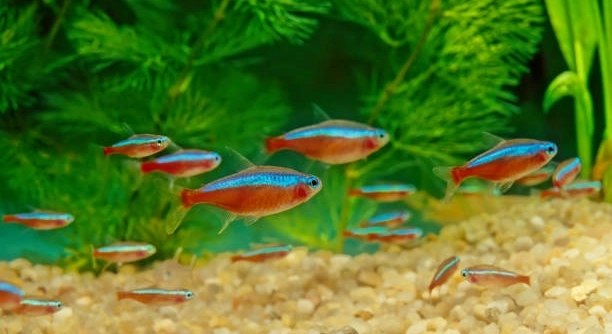
Changing water in your aquarium can be tricky, especially for delicate fish like neon tetras. Keeping their environment clean is essential, but a large water change can be risky if not done properly. Here’s how to do it safely.
To safely perform a large water change for neon tetras, gradually remove 25-30% of the water at a time, ensuring the replacement water matches the aquarium’s temperature and pH. This minimizes stress and helps maintain water quality.
Taking care of your neon tetras during a water change is essential to their health and well-being. Follow these tips for a smoother process and a healthier tank environment for your fish.
Why Water Changes Are Important for Neon Tetras
Neon tetras are sensitive to water quality, and regular water changes are necessary to keep them healthy. Water naturally accumulates waste, debris, and excess nutrients over time, which can lead to harmful conditions for your fish. Performing water changes helps remove toxins, replenish minerals, and regulate pH levels.
By changing water consistently, you prevent ammonia and nitrate buildup, which can be dangerous for neon tetras. It also helps maintain a stable environment that supports their vibrant colors and energy. A clean tank means your fish are more likely to thrive and display natural behaviors.
Understanding the importance of water changes allows you to make informed decisions on how often to clean your tank. Over time, this will contribute to the long-term health of your fish and the overall stability of your aquarium. This proactive approach will make sure that your neon tetras stay active and beautiful.
When to Perform a Large Water Change
The best time for a large water change is typically once every two weeks.
This timing prevents the buildup of harmful substances in the tank. However, if you notice your neon tetras swimming erratically or the water becoming cloudy, it may be time for a larger change. Monitoring the water’s appearance, smell, and clarity can help you decide when to perform the next water change.
It’s crucial not to wait too long, as neglecting water changes can lead to stress and potential illness in your fish. Neon tetras are especially sensitive to fluctuations in their environment, so staying consistent with water changes can prevent unwanted surprises. Checking the water parameters before each change will give you a good sense of how much change is needed. Regular monitoring helps keep your tank in top shape, benefiting both you and your fish.
Preparing the Replacement Water
Before performing a large water change, it’s important to prepare the replacement water correctly.
Use a clean container to hold the water, and ensure it matches the temperature of the tank. Cold or hot water can shock your neon tetras, causing stress or illness. Use a thermometer to double-check the temperature, aiming for a range between 74°F and 80°F.
Additionally, treat the water with a dechlorinator to remove any chlorine or chloramine, which can harm your fish. Make sure the water is well-mixed and free from any harmful contaminants before introducing it into the tank. Matching the pH level with the existing tank water is also crucial to avoid shocking the fish. Use a pH testing kit to ensure the water is compatible with the tank’s environment.
Removing the Water
Now that you’ve prepared the new water, it’s time to remove the old water.
Begin by using a siphon or aquarium vacuum to gently remove about 25-30% of the tank water. This method also helps to clean the substrate, removing debris and leftover food. Avoid stirring up the gravel too much, as this can release trapped toxins back into the water. You can focus on areas where waste tends to accumulate, like the corners and along decorations.
Always be mindful not to disturb the neon tetras too much during this process. They can become stressed if there’s too much movement in the tank. If you’re unsure how much water to remove, it’s safer to do smaller changes more frequently than risk taking out too much at once. Regular water changes help maintain a healthy environment and prevent water parameters from swinging too wildly.
Introducing the New Water
Once you’ve removed the old water, slowly introduce the new water to the tank.
Pour the water in gently to avoid disturbing your neon tetras. A slow pour helps to prevent stress and keeps the tank’s environment stable. Don’t rush this step—take your time to add the new water gradually.
Make sure the new water is thoroughly mixed in with the existing tank water. This ensures that the temperature and pH remain consistent. Allow the fish to adjust without any drastic changes, as rapid shifts in their environment can cause unnecessary stress.
Monitor the Water Parameters
It’s important to test the water after making the change.
Check the pH, ammonia, nitrite, and nitrate levels to ensure they fall within a safe range. Neon tetras prefer a pH of 6.0 to 7.0. Regular testing helps you track water quality and adjust as needed.
Test strips or a liquid test kit will help provide accurate results. These tools give you an idea of the tank’s health, guiding you on whether further adjustments are needed. Keeping an eye on these levels ensures that your fish live in the healthiest environment possible.
Clean the Equipment
After a large water change, it’s essential to clean your aquarium tools.
Rinse the siphon, vacuum, and any other equipment with warm water to remove debris. Avoid soap or chemicals, as these can leave residues that harm your neon tetras. Clean tools regularly to maintain tank hygiene and ensure safe water changes.
FAQ
How often should I change the water in my neon tetra tank?
It’s recommended to change about 25-30% of the water every two weeks. However, if you notice poor water quality or your neon tetras seem stressed, you might need to change the water more frequently. Keeping an eye on the tank’s appearance and the behavior of your fish will help you determine the right timing. Smaller, more frequent changes are better than waiting too long and risking a larger build-up of waste.
Can I change all the water in the tank at once?
It’s not advisable to change all the water at once. A sudden, drastic change can shock your neon tetras due to the rapid change in water parameters like temperature, pH, and hardness. Gradual water changes are safer and help maintain stability in the tank. If you feel that a larger change is needed, try removing no more than 30% of the water at a time.
Why is the temperature important during a water change?
Neon tetras are sensitive to temperature fluctuations. If the new water is too cold or too hot, it can cause stress or even shock. Matching the temperature of the new water with the tank water helps maintain a stable environment. Use a thermometer to ensure the new water is within the same range, around 74°F to 80°F, before introducing it to the tank.
What is the best way to remove water from the tank?
Using a siphon or aquarium vacuum is the best way to remove water. These tools help clean the substrate while removing water, preventing the buildup of waste and debris. When siphoning, start in one corner of the tank and work your way around, ensuring you remove debris without disturbing your fish. Keep the siphon submerged to avoid spillage and prevent rapid water loss.
Do I need to treat the replacement water?
Yes, you should treat the new water with a dechlorinator before adding it to the tank. Chlorine and chloramine, which are found in tap water, are harmful to neon tetras. A dechlorinator will neutralize these chemicals, making the water safe for your fish. Always treat the water, even if it looks clean to the naked eye.
Can water changes stress out my neon tetras?
Large water changes, if not done carefully, can stress out neon tetras. Rapid changes in water temperature, pH, or hardness may cause them to become agitated or even fall ill. To reduce stress, make sure the new water is similar in temperature and pH to the tank water. Avoid making too many changes too quickly, and always monitor the behavior of your fish afterward.
How can I make the water change process smoother for my neon tetras?
To make the process smoother, perform water changes during a calm part of the day when the fish are least active. Use a slow and steady pour to introduce the new water, preventing sudden movements. If your tank has decorations or plants, consider moving them temporarily to ensure a more peaceful water change process. Keeping noise and vibrations to a minimum during the water change will also reduce stress on your fish.
Should I clean the filter during water changes?
It’s a good idea to clean the filter occasionally, but avoid doing it every time you change the water. Over-cleaning the filter can disrupt the beneficial bacteria that help maintain water quality. If you clean the filter, rinse it in tank water to avoid killing these beneficial bacteria with chlorinated tap water. Clean the filter every 1-2 months or when you notice a decrease in its effectiveness.
How can I ensure the new water is safe for my neon tetras?
To ensure the new water is safe, always test it before adding it to the tank. Check the temperature, pH, and any levels of chlorine, chloramine, or other chemicals. If possible, use a water conditioner to remove harmful substances. Using a water testing kit will also help you determine if adjustments are needed to match the tank’s existing water. This helps prevent any sudden changes that could harm your neon tetras.
What happens if I don’t change the water regularly?
If you don’t change the water regularly, harmful substances like ammonia and nitrates can build up, which can negatively affect your neon tetras’ health. Poor water quality can lead to diseases, stunted growth, and stress in your fish. Algae may also overgrow, further degrading the tank’s environment. Regular water changes are key to maintaining a clean, healthy environment for your fish to thrive.
Can I use distilled or spring water for my neon tetra tank?
Distilled water is not recommended for your neon tetras. It lacks the minerals and trace elements necessary for a balanced aquarium. Spring water, on the other hand, can be used as long as you test its parameters to ensure it’s compatible with your tank. It’s best to use tap water treated with a dechlorinator or, if necessary, mix distilled water with tap water to adjust hardness levels. Always test the pH and hardness before adding it to your tank.
What’s the best way to introduce new neon tetras to a tank after a water change?
After a water change, it’s essential to acclimate new neon tetras slowly. Float the bag with the new fish in the aquarium for 15-20 minutes to help them adjust to the water temperature. Then, gradually add small amounts of tank water to the bag, ensuring a smooth transition before releasing them into the tank. Avoid introducing new fish too quickly after a large water change, as it can further stress your neon tetras.
Can I change the water during the fish’s breeding season?
Yes, you can perform water changes during the breeding season, but it’s important to be extra gentle. The stress of a water change can affect neon tetras’ breeding behavior. Try to keep disturbances to a minimum, and avoid overchanging the water during this sensitive period. Maintaining stable water conditions will help encourage healthy breeding.
Final Thoughts
Performing a large water change for your neon tetras is essential for maintaining a healthy tank environment. Regular water changes help remove harmful waste, toxins, and debris that build up over time. They also ensure the water stays clean and balanced, supporting the overall health of your fish. Without proper water changes, the water quality can degrade, leading to poor fish health and possibly even disease. By following the tips provided in this article, you can create a stable environment that promotes your neon tetras’ well-being.
While large water changes are necessary, it’s important not to go overboard. Sudden or drastic changes in water conditions, such as temperature or pH, can cause stress to your neon tetras. That’s why it’s always better to change a smaller percentage of the water at a time, especially if you’re new to aquarium care. Over time, you’ll learn the best schedule for your tank, and regular testing of the water will help you understand when to make adjustments. The key is to be consistent and mindful of the needs of your fish, without pushing them too hard.
Finally, don’t forget to monitor the behavior of your neon tetras after each water change. If they’re swimming actively and showing their vibrant colors, you can be confident that your water change was successful. On the other hand, if you notice signs of stress, such as erratic swimming or hiding, you may need to adjust the process or timing of your water changes. Taking the time to understand your tank and the specific needs of your neon tetras will ensure they stay healthy and happy in the long run.

Hello,
If you enjoy the content that we create, please consider saying a "Thank You!" by leaving a tip.
Every little bit helps us continue crafting quality advice that supports the health, happiness, and well-being of pets around the world, for pets of all shapes, sizes, and species.
We really appreciate the kindness and support that you show us!