
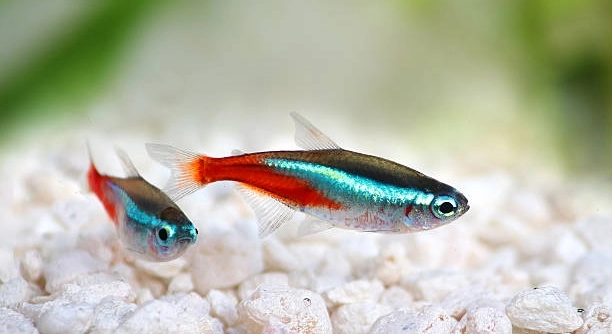
Is your neon tetra tank looking cloudy after a recent water change? It can be frustrating when your clean-up efforts lead to murky results. This guide will walk you through the exact steps to clear things up.
A cloudy neon tetra tank after a water change is often caused by bacterial bloom, disturbed substrate, or chemical imbalance. Fixing the issue involves proper filtration, water testing, substrate cleaning, and gradual adjustments to restore clarity and balance.
With the right approach, you can enjoy a cleaner tank and healthier fish. This guide will take you through each step in a simple, manageable way.
Step 1: Test the Water Parameters
After a water change, the first thing to do is test the water. Sudden changes can shift the tank’s chemistry, especially if the new water differs in pH, hardness, or temperature. Use a reliable liquid test kit to check ammonia, nitrite, nitrate, and pH levels. A spike in ammonia or nitrite may mean that the biological balance was disrupted. If the values are off, avoid feeding your fish temporarily and prepare to perform a partial water change with properly treated water. Addressing these changes early can prevent stress and illness in your neon tetras and help stabilize the tank.
Testing your water helps you catch small problems before they grow into bigger ones. It’s a simple way to protect your fish and fix cloudiness quickly.
Once the water parameters are known, you’ll understand whether the cloudiness is from a bacterial bloom or a chemical shift. This clarity allows for better decisions moving forward.
Step 2: Improve Filtration
Good filtration is key to clearing cloudy water. A weak or dirty filter can’t remove fine particles or maintain stable bacteria levels. If your filter is clogged or running slowly, rinse the media in tank water, never tap water. This keeps helpful bacteria intact. Consider adding a sponge filter or upgrading your current one to increase surface area and biological filtration. Activated carbon or water polishing pads can help remove floating debris and fine particles. If your filter is already strong, give it time to clear the tank. Neon tetras are sensitive, so avoid making too many changes too quickly. Gradual improvements help maintain balance and reduce stress.
Step 3: Clean the Substrate Carefully
Cloudiness can come from disturbed debris in the substrate. If gravel or sand was stirred too much during the water change, fine particles may stay suspended. This makes the tank look cloudy even if the water is safe.
Use a gravel vacuum gently around the substrate during your next water change. Focus on areas with visible debris, but avoid over-cleaning, especially if your tank is newly cycled. A light clean helps remove waste without disrupting beneficial bacteria. If you use sand, avoid stirring it too much. Instead, hover the vacuum above it to collect loose debris.
Cleaning the substrate slowly over a few water changes keeps the bacterial balance steady. This also prevents harmful gas pockets in deeper substrates. Don’t try to clean everything at once—work in sections. Keeping the bottom of your tank clean will help prevent future cloudiness and give your neon tetras a healthier space.
Step 4: Monitor Feeding Habits
Overfeeding can increase organic waste, leading to cloudy water. Feed small portions once or twice a day, and make sure everything is eaten within two minutes. Excess food sinks and decays, affecting water clarity and stability.
If uneaten food is a regular issue, reduce the amount given at each feeding. It helps to skip feeding for a day if the tank is already cloudy. Neon tetras can handle short fasts, and this gives your filtration system time to catch up. Observe their behavior during feeding to understand how much they actually eat. Dropped flakes or pellets should be removed immediately with a net or siphon. Monitoring feeding reduces waste buildup, supports water clarity, and keeps your fish more active and healthy.
Step 5: Add Beneficial Bacteria
Adding bottled beneficial bacteria can help rebalance the tank after a water change. These supplements support the biological filter and reduce ammonia and nitrite spikes. Use a trusted brand and follow the dosing instructions carefully.
This step can speed up recovery if the tank is newly set up or slightly unstable.
Step 6: Use Water Clarifiers Cautiously
If the tank stays cloudy after other adjustments, a water clarifier may help. These products bind fine particles so your filter can remove them more easily. Only use them occasionally and never as a long-term fix.
Clarifiers don’t solve the root problem, but they can improve visibility temporarily.
Step 7: Allow Time and Observe
Sometimes the tank just needs time to stabilize. If all parameters are safe and filtration is working well, give it a few days. Avoid over-cleaning or adding more products. A little patience often leads to clear water and healthy fish.
FAQ
Why does my tank get cloudy after every water change?
Cloudy water after a change is usually due to disturbed substrate, bacterial imbalance, or a shift in water chemistry. Stirring the gravel or sand can release trapped debris and particles. If the new water is too different in pH or hardness, it may also stress beneficial bacteria, causing a bloom. In most cases, the cloudiness is temporary and clears up within a few days. Regular maintenance, testing, and gentle water changes can help keep the tank stable and avoid this recurring issue. If the cloudiness lasts longer than a few days, it’s a sign to recheck your setup.
How long does bacterial bloom last in a neon tetra tank?
A bacterial bloom usually lasts anywhere from a few days to about a week. It can happen in new tanks, during cycling, or after a big water change. While it may look concerning, it’s a natural part of the tank balancing process. The bacteria multiply to handle changes in waste levels and eventually settle down once balance is restored. Avoid overfeeding or making too many adjustments during this period. If your fish are active and your test results show safe ammonia and nitrite levels, give the tank time. Good filtration and consistency will help it clear on its own.
Can I do another water change if the tank is still cloudy?
It depends on the cause of the cloudiness. If your test results show high ammonia or nitrite, another partial water change is helpful. But if the tank is cloudy due to a bacterial bloom or stirred-up substrate, another water change may make it worse. Let things settle first unless there’s a safety issue for your fish. Overchanging water can delay the natural process of bacterial stabilization. Always make sure the new water is properly treated and matches the temperature of the tank. Stability is key when dealing with cloudy water in a neon tetra setup.
Is cloudy water harmful to neon tetras?
Cloudy water isn’t always dangerous, but it depends on the cause. If it’s due to waste, uneaten food, or high ammonia, then yes—it can be harmful and lead to stress or disease. If the cloudiness is from a bacterial bloom with balanced water parameters, it’s not usually a threat. Still, it’s important to monitor your fish. If they are gasping at the surface, showing pale colors, or acting differently, it could mean the water quality is poor. In those cases, quick action is needed. Test the water regularly and make gradual corrections based on the results.
Should I turn off the light while the tank is cloudy?
Turning off the light can help if the cloudiness is caused by algae. Algae blooms can happen when too much light and excess nutrients are present. If your water is greenish rather than white or gray, it’s likely algae-related. Reducing the light to just a few hours a day—or even keeping it off for a day or two—can help clear it. However, if the cloudiness is from bacterial bloom or stirred-up particles, light won’t affect it much. Focus on testing the water, improving filtration, and avoiding overfeeding instead of just adjusting the lighting.
Can I use a UV sterilizer to clear cloudy water?
Yes, a UV sterilizer can be useful, especially if the cloudiness is from bacteria or algae. It helps by killing free-floating microorganisms as the water passes through the light. This can clear up the tank faster, but it should not replace regular tank care. Make sure the sterilizer is sized appropriately for your tank. Also, remember that it won’t fix the cause of the problem, only the symptoms. Use it as a support tool alongside proper filtration, feeding habits, and water changes. It’s best used when other steps aren’t enough or if you want extra clarity.
Final Thoughts
Keeping a neon tetra tank clean and clear takes patience and simple daily care. Cloudy water after a water change is common and can happen even if you’ve done everything right. The good news is that most of the time, this cloudiness is not dangerous and goes away on its own. Whether it’s caused by stirred-up debris, a slight bacterial bloom, or a change in water chemistry, your tank usually just needs time to settle. Keeping things stable is one of the most helpful things you can do. Avoid making too many changes at once and keep a consistent maintenance routine.
Cleaning filters too often, replacing too much water at once, or using products without checking the tank’s needs can slow the recovery process. Beneficial bacteria are sensitive and play a major role in keeping the water safe for your fish. If these bacteria are disrupted, the water may appear cloudy while the system tries to rebalance. Testing the water regularly helps you understand what’s really going on. Ammonia, nitrite, and nitrate levels can give you a clear picture of whether something needs fixing or if the tank just needs time. This also helps prevent panic, especially if the fish are acting normally.
Neon tetras are peaceful, sensitive fish that thrive best in calm, stable conditions. A well-maintained tank with steady water parameters and good filtration supports their health. Each step in this guide is designed to gently bring your tank back to balance without stressing your fish. Small changes can make a big difference. Using a gravel vacuum carefully, adding bacteria supplements when needed, and letting the filter do its job are often enough to fix cloudy water. If your tank becomes cloudy again in the future, you’ll now know what to look for and how to respond calmly. Staying consistent with care is the best way to keep your neon tetra tank healthy and clear.

Hello,
If you enjoy the content that we create, please consider saying a "Thank You!" by leaving a tip.
Every little bit helps us continue crafting quality advice that supports the health, happiness, and well-being of pets around the world, for pets of all shapes, sizes, and species.
We really appreciate the kindness and support that you show us!