
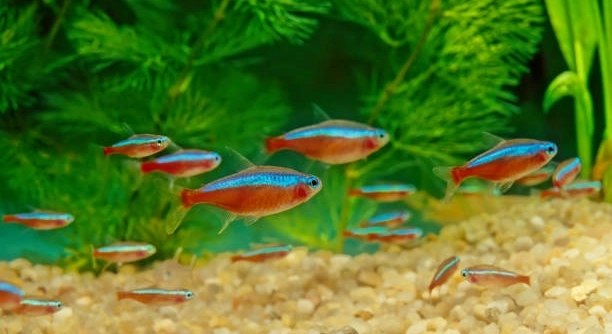
Creating the perfect environment for Neon Tetras can seem like a challenge. However, replicating their natural habitat is easier than it may appear. Understanding their needs ensures they thrive in a comfortable, healthy environment.
Mimicking the natural habitat of Neon Tetras involves replicating aspects of their native Amazonian waters. This includes water temperature, pH levels, and the right substrate, plants, and decorations that offer shelter and promote their natural behaviors.
By following simple steps, you can create a vibrant and peaceful environment for your Neon Tetras.
Understanding the Neon Tetra’s Natural Environment
Neon Tetras are native to the Amazon River Basin, where they live in slow-moving waters filled with plants and natural cover. Their habitat consists of soft, slightly acidic water that remains at a constant temperature. In this environment, they thrive with low light, providing them with the shelter and peace they need. To replicate this, your tank should include plants like Java Moss and floating vegetation. Driftwood or rocks placed strategically provide hiding spots. Mimicking this natural setting helps reduce stress and promotes natural behavior, making your Neon Tetras feel more at home.
Creating a natural habitat requires specific water conditions. Neon Tetras prefer soft water with a pH level between 6.0 and 7.0. Maintaining a steady temperature between 72°F and 80°F is key to their well-being. Regular water changes and monitoring the water quality will ensure a healthy environment.
An environment that reflects their natural habitat not only ensures your Neon Tetras are comfortable but also promotes breeding behaviors. Proper lighting and filtration are crucial in maintaining water quality. By taking these simple steps, you’ll create an ideal setting where they feel secure and thrive.
Tank Setup for Neon Tetras
Start with a tank size that allows enough swimming space. A 10-gallon tank is the minimum for a small group of Neon Tetras. With the right tank size, they will have room to move and explore their environment.
When setting up your tank, focus on creating natural hiding spots. Driftwood, rocks, and plants like Anubias can mimic the dense underwater vegetation they would experience in the wild. Adding live plants also helps to maintain water quality and gives the fish an area to hide. Aim for a tank that feels lush and safe, offering places for the Tetras to feel secure.
To complete the setup, consider using a gentle filter to maintain clean water. High water flow can stress out your fish, so opt for a low-flow filter. Combining these elements helps create a peaceful, natural habitat that Neon Tetras will enjoy.
Water Parameters for Neon Tetras
Neon Tetras thrive in soft, slightly acidic water with a pH between 6.0 and 7.0. Regularly checking the water’s hardness and pH ensures a healthy environment for the fish. Keep the water temperature stable between 72°F and 80°F to prevent stress.
Use a reliable water testing kit to monitor the water conditions. Soft water is essential, and if your tap water is hard, you can soften it using aquarium-specific products. Ensure that you’re also regularly performing water changes, as maintaining clean water is crucial to their well-being. You can also use a substrate that helps maintain stable water parameters.
To keep the environment ideal, avoid fluctuating water conditions. Sudden changes in pH or temperature can cause stress and affect the Tetras’ health. By keeping the water stable and within the appropriate range, your Neon Tetras will feel more secure and be less prone to diseases.
Choosing the Right Substrate
The substrate you use is more than just decorative. Neon Tetras benefit from a soft substrate, such as fine gravel or sand. These types of substrates mimic the natural environment of slow-moving streams.
Fine sand or small gravel is preferred for several reasons. It allows for proper water flow, preventing debris from accumulating. Neon Tetras like to sift through the substrate for food, and a smooth surface prevents injury. Choose a neutral-colored substrate to make the vibrant colors of your fish pop without overwhelming the tank’s aesthetic.
In addition to providing a suitable surface for the fish, the right substrate also supports plant growth. Plants like Java Ferns or Anubias will do well in fine gravel or sand, creating a more natural, thriving environment for your Tetras. A balanced setup helps maintain water quality and supports a stable ecosystem in the tank.
Lighting for Neon Tetras
Neon Tetras prefer dim lighting, as they come from regions with limited sunlight. Too much light can stress them out, so it’s best to use a soft, low-wattage light. This also helps mimic their natural environment, where light is filtered through plants and water.
To maintain a comfortable setting, use aquarium lights designed to replicate the soft glow of their natural habitat. Ensure that the light cycle follows a natural rhythm, with 10-12 hours of light per day. Using a timer can help maintain consistency and keep the Tetras comfortable.
Plants for Neon Tetras
Live plants are essential for Neon Tetras. They provide shelter, reduce stress, and help maintain water quality. Plants like Java Moss and Amazon Sword are perfect for creating hiding spots and enhancing the aesthetic of the tank.
By adding a variety of plants, you mimic the dense vegetation found in their natural habitat. The plants not only make the tank feel more secure but also help oxygenate the water. Some floating plants can even help create shaded areas, offering the Tetras a place to retreat from the light.
FAQ
How many Neon Tetras should I keep together?
Neon Tetras are schooling fish and feel safest when kept in groups. A minimum of 6 to 8 Neon Tetras is recommended for them to thrive. In larger schools, they display more natural behaviors, swim together, and help reduce stress. Keeping a group also ensures they feel secure in their environment.
Can Neon Tetras live with other fish?
Yes, Neon Tetras are peaceful and can live with most other small, non-aggressive fish. Some suitable tankmates include Corydoras catfish, Guppies, and small species of livebearers. However, avoid aggressive fish or those that might view the Tetras as food, like large cichlids or predatory species.
What is the ideal tank size for Neon Tetras?
The minimum tank size for a small school of Neon Tetras is 10 gallons. A larger tank, such as 20 gallons, is ideal if you plan to keep a larger school or want to add additional species. Ensure there’s enough space for them to swim freely and comfortably.
How often should I clean my Neon Tetra tank?
Regular maintenance is crucial for a healthy tank. Perform partial water changes of 25-30% every 1-2 weeks, depending on water quality and fish load. Clean the substrate and remove any debris or uneaten food during each water change. Keep the filter clean but avoid over-cleaning, as this can disrupt the tank’s balance.
What is the best water temperature for Neon Tetras?
Neon Tetras thrive in water temperatures between 72°F and 80°F. Keeping the temperature stable within this range helps them feel secure and reduces stress. Invest in a reliable aquarium heater to maintain a consistent temperature and avoid fluctuations that can negatively impact your fish’s health.
What should I feed Neon Tetras?
Neon Tetras are omnivores and will accept a variety of foods. High-quality flake food or pellets specifically designed for tropical fish should be their primary diet. Supplement their meals with live or frozen foods, like brine shrimp or daphnia, to encourage natural foraging behavior. Ensure you feed them small amounts several times a day, as they are small fish with high metabolism.
How long do Neon Tetras live?
On average, Neon Tetras live 5 to 10 years in a well-maintained aquarium. The lifespan can vary based on water quality, diet, and overall tank conditions. Providing them with the right care, proper water parameters, and a stable environment will help them live a longer, healthier life.
Can Neon Tetras breed in a home aquarium?
Yes, Neon Tetras can breed in a well-maintained aquarium. To encourage breeding, lower the temperature slightly, reduce the light intensity, and ensure the water is soft and slightly acidic. Set up a separate breeding tank with fine-leaved plants where the Tetras can lay eggs. Keep in mind that the fry are tiny and need infusoria or liquid fry food initially.
Why are my Neon Tetras not eating?
If your Neon Tetras are not eating, it could be due to stress, poor water quality, or an issue with the food itself. Check the water parameters to ensure they are within the appropriate range. Try offering a different type of food or adjust the tank’s environment to reduce stressors, like too much light or aggressive tankmates.
How can I tell if my Neon Tetras are healthy?
Healthy Neon Tetras should be active, with vibrant colors and a full, sleek body. They should swim in schools and not display signs of illness, such as lethargy or abnormal swimming behavior. Check for any external signs like faded colors, fin rot, or swelling, which could indicate a health problem. Regularly monitoring their behavior and environment will help detect any issues early.
Do Neon Tetras need a filter?
Yes, a filter is essential for maintaining water quality in your Neon Tetra tank. While Neon Tetras prefer calm water, the filter helps remove waste and keep the water clean. Opt for a filter with an adjustable flow rate to avoid creating strong currents, as this can stress out your fish.
What kind of lighting do Neon Tetras need?
Neon Tetras thrive in low to moderate lighting. Bright lights can cause stress, so it’s best to replicate their natural environment with dim, soft lighting. Use an aquarium light with a timer to mimic a natural day-night cycle. Ensure the light is not too harsh, providing a comfortable environment for your Tetras.
Can Neon Tetras survive in cold water?
Neon Tetras are tropical fish and cannot survive in cold water. They need a stable temperature between 72°F and 80°F. If the water becomes too cold, it can weaken their immune system and make them more susceptible to diseases. Always monitor the tank temperature and use a heater to maintain it within the optimal range.
Are Neon Tetras sensitive to water changes?
Yes, Neon Tetras are sensitive to sudden changes in water parameters, including temperature, pH, and hardness. It’s important to make gradual changes when performing water changes or adjusting tank conditions. This helps prevent stress and allows the Tetras to acclimate to the new water conditions more comfortably.
Final Thoughts
Creating a natural habitat for Neon Tetras is not difficult but requires attention to detail. The right water parameters, substrate, and environment will help ensure they feel secure and thrive. By understanding their needs and carefully setting up their tank, you can create a peaceful and healthy environment for these vibrant fish. Regular maintenance, such as water changes and filter cleaning, will also support their long-term well-being.
Neon Tetras are relatively low-maintenance fish, but their environment must be stable to prevent stress. This means keeping water temperature and quality consistent and making sure the tank has enough plants and hiding spots. Neon Tetras feel safest when they can swim in schools, so it’s essential to keep a group together. Their small size and peaceful nature make them excellent tankmates for many other species, as long as they are not aggressive.
By following these simple guidelines, you will be able to enjoy your Neon Tetras for many years. They are hardy fish, but maintaining the right conditions will keep them healthy and vibrant. It’s important to regularly monitor their health and make necessary adjustments to the tank. As long as you prioritize their needs, you’ll have happy and colorful Neon Tetras swimming around in your aquarium.

Hello,
If you enjoy the content that we create, please consider saying a "Thank You!" by leaving a tip.
Every little bit helps us continue crafting quality advice that supports the health, happiness, and well-being of pets around the world, for pets of all shapes, sizes, and species.
We really appreciate the kindness and support that you show us!