
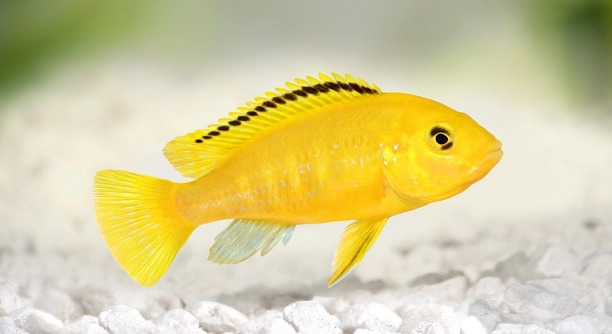
Have you ever noticed your electric yellow cichlids acting restless or hiding more than usual? Stress can affect their health and behavior, making it important to understand the signs and take quick action to support them.
Reducing stress in electric yellow cichlids quickly involves maintaining stable water conditions, providing adequate hiding spaces, minimizing sudden changes, and ensuring a balanced diet. Monitoring their environment and behavior consistently helps prevent stress-related illnesses and promotes overall well-being.
Keeping these tips in mind can help your cichlids feel more comfortable, active, and healthy in their aquarium environment.
Identifying Stress Signs in Electric Yellow Cichlids
Electric yellow cichlids can show stress in several ways, and recognizing these signs early is important. They may hide more than usual, swim erratically, or lose their vibrant color. Some fish might stop eating or become aggressive toward tank mates. Stress can also make them more vulnerable to disease. Observing their behavior daily helps you notice changes quickly. Even small shifts, like remaining near the bottom of the tank or staying still for long periods, can indicate discomfort. Environmental factors such as sudden temperature changes, poor water quality, or overcrowding are often behind these behaviors. By keeping an eye on your fish and understanding normal behavior patterns, you can respond faster. Stress management starts with careful observation. Adjusting the tank setup and monitoring their habits allows for a healthier, calmer environment. Simple actions can make a noticeable difference in their overall activity and coloration, showing they are more comfortable.
Consistent monitoring is key. Spotting unusual behaviors early helps prevent long-term health problems and keeps your cichlids thriving in their environment.
Providing enrichment like rocks, plants, and hiding spots reduces stress naturally. Structured spaces allow fish to feel secure and explore safely, improving behavior and overall health.
Quick Environmental Adjustments to Reduce Stress
Small changes to water conditions can lower stress rapidly. Maintaining stable temperature, proper filtration, and clean water helps cichlids feel secure.
Water quality plays a major role in electric yellow cichlids’ stress levels. Ensuring proper filtration and regular water changes removes toxins and keeps ammonia and nitrate levels low. Temperature stability is equally important, as fluctuations can shock the fish. Adjusting the pH and hardness to match their natural preferences supports comfort. Tank layout impacts stress too; adding hiding spots with rocks, caves, or plants gives fish secure areas to retreat. Avoid overcrowding, as limited space and competition increase tension. Even minor disturbances, like sudden movements near the tank or loud noises, can trigger stress, so a calm environment is essential. Feeding routines also matter. Providing a balanced diet at consistent times supports their immune system and behavior. By making these small adjustments, you create an environment that reduces stress quickly, promotes natural behavior, and enhances overall health and coloration of electric yellow cichlids, ensuring they thrive in your aquarium.
Adjusting Diet to Calm Electric Yellow Cichlids
Providing a balanced diet reduces stress quickly. High-quality pellets, occasional live or frozen foods, and vegetables help maintain health and energy levels. Consistent feeding routines support comfort and prevent aggression caused by hunger.
Diet impacts stress in electric yellow cichlids significantly. Offering a mix of high-protein pellets, frozen foods like brine shrimp or bloodworms, and fresh vegetables ensures they receive essential nutrients. Overfeeding can cause water quality issues, which increases stress, so feeding measured portions is key. Skipping irregular feeding or sudden diet changes prevents digestive problems and behavioral stress. Proper nutrition strengthens their immune system, making them more resilient to environmental changes. Feeding at the same time each day helps fish establish routine, reducing anxiety and aggressive behavior.
Supplements like spirulina or vitamin-enriched pellets can improve coloration and vitality. Treats should be given sparingly to prevent overeating. Avoid sudden diet changes, as they may trigger stress or refusal to eat, keeping fish calmer and healthier in the long term.
Minimizing External Disturbances
Limiting loud noises and sudden movements near the tank keeps cichlids calm. Consistent lighting and stable surroundings support a peaceful environment.
External disturbances can stress electric yellow cichlids even if tank conditions are ideal. Vibrations, slamming doors, or tapping on the glass can startle them, leading to erratic swimming or hiding. Consistent lighting prevents sudden shifts that confuse their natural rhythm. Placing the tank in a low-traffic area reduces disturbances, allowing fish to establish territories safely. Avoid sudden introduction of new tankmates, as this can increase aggression and stress levels. Observing fish behavior helps identify which disturbances affect them most, allowing precise adjustments. A calm environment encourages normal activity and feeding, improving overall health and coloration.
Providing covers like plants or rocks creates secure hiding spots that reduce stress from unavoidable disturbances. Even small changes, like keeping room lights consistent and avoiding shadows on the tank, make a big difference. Reducing human interference and maintaining a stable environment supports natural behavior, allowing cichlids to thrive. Consistency in handling and observation routines also reinforces security, making fish more comfortable with daily activity around the tank.
Providing Adequate Hiding Spots
Rocks, caves, and plants offer cichlids secure areas to retreat when stressed. These spaces reduce aggression and allow fish to explore without feeling threatened.
Arranging multiple hiding spots in different tank areas prevents territorial disputes. Fish feel safer and display calmer behavior when they can escape to these protected zones.
Maintaining Consistent Water Temperature
Electric yellow cichlids are sensitive to sudden temperature changes. Keeping water steady prevents shock, supports metabolism, and reduces stress. Regular monitoring ensures optimal conditions, improving health and activity levels.
Avoiding Overcrowding
Too many fish in one tank increases competition, aggression, and stress. Limiting tank population ensures space for swimming, resting, and proper feeding.
FAQ
How quickly can electric yellow cichlids recover from stress?
Recovery depends on the severity of stress and environmental adjustments. Mild stress can improve within a few days after stabilizing water conditions, providing hiding spots, and ensuring consistent feeding. More severe stress, especially if it caused illness, may take weeks and require careful observation.
What are the most common stress triggers in electric yellow cichlids?
Changes in water temperature, poor water quality, overcrowding, and sudden movements near the tank are common triggers. Aggressive tankmates, insufficient hiding places, or irregular feeding schedules can also cause stress, leading to color fading, hiding, or erratic swimming behaviors.
Can diet help reduce stress in cichlids?
Yes, a balanced diet with high-quality pellets, frozen or live foods, and vegetables supports overall health. Avoiding sudden diet changes and overfeeding prevents digestive stress. Supplements like spirulina or vitamin-enriched pellets can enhance vitality and coloration, indirectly reducing stress.
How can I tell if stress is affecting their health?
Stress can lead to weakened immunity, making cichlids more susceptible to diseases. Signs include loss of appetite, faded colors, rapid gill movement, lethargy, or unusual hiding. Frequent observation is key to catching these signs early and preventing complications.
Do tank decorations influence stress levels?
Absolutely. Rocks, caves, and plants give fish secure areas to hide and feel safe. Structured spaces reduce aggression and allow exploration without feeling threatened. Multiple hiding spots prevent territorial disputes and encourage calmer behavior among tankmates.
How important is water temperature consistency?
Extremely important. Sudden shifts can shock cichlids, affecting metabolism and increasing stress. Maintaining a stable temperature suited to their natural habitat ensures comfort, supports immune function, and reduces erratic behaviors caused by temperature fluctuations.
What role does tank size play in stress management?
Larger tanks reduce overcrowding, giving fish space to swim, rest, and establish territories. Overcrowded tanks increase competition, aggression, and stress. Ensuring adequate space for all fish promotes normal activity, reduces conflicts, and supports overall well-being.
Can minimizing external disturbances really help?
Yes. Loud noises, vibrations, and sudden movements near the tank can startle cichlids. Placing the tank in a quiet, low-traffic area and avoiding sudden interactions reduces anxiety. Consistent lighting and calm surroundings also help fish feel secure.
Are there signs that stress has permanently affected a cichlid?
Persistent color fading, stunted growth, chronic hiding, or long-term aggression can indicate lasting stress effects. Promptly addressing environmental factors and diet is essential to prevent permanent behavioral or physical changes.
How often should I monitor my cichlids for stress?
Daily observation is ideal. Checking behavior, color, feeding, and water conditions regularly ensures quick responses to stressors. Small, consistent adjustments make a noticeable difference in comfort, health, and overall activity levels.
Do sudden additions of new fish cause stress?
Yes, introducing new tankmates can increase competition and aggression. Quarantining new fish and slowly acclimating them reduces stress. Adding hiding spots and observing interactions carefully helps maintain a calmer environment during transitions.
What are the best practices for feeding stressed cichlids?
Feed consistent portions at the same time each day. Avoid overfeeding and sudden diet changes. Providing high-quality, nutrient-rich food supports immunity and energy levels. Occasional treats can improve coloration but should be limited to prevent digestive issues.
How long should hiding spots be left in the tank?
Hiding spots should remain permanently. Even when fish appear calm, these spaces provide security, reduce territorial aggression, and encourage natural behaviors. Rotating or moving decorations can be stressful, so stability is important.
Can stress affect breeding behavior?
Yes, stressed cichlids may delay or avoid breeding. Ensuring stable water conditions, adequate space, hiding spots, and consistent feeding supports natural reproductive behaviors. Reducing stress increases the likelihood of successful spawning and healthy fry.
What water parameters are ideal for reducing stress?
Stable temperature, proper pH, low ammonia and nitrate levels, and appropriate hardness support comfort. Regular testing and maintenance prevent sudden fluctuations, which are major stress triggers. Clean, filtered water improves health and behavior significantly.
How do I know if stress is due to water quality or environment?
Observe fish behavior in conjunction with testing water parameters. Signs like rapid gill movement, hiding, or color fading may point to poor water quality. Environmental factors, like lack of hiding spots or overcrowding, often manifest as territorial disputes or erratic swimming.
Can cichlids fully recover from prolonged stress?
With proper care, many cichlids recover fully, though severe or long-term stress may cause lasting behavioral or physical changes. Early intervention, consistent environment, and proper diet greatly improve recovery chances. Recovery time varies by individual fish and stress severity.
Is it helpful to separate stressed fish temporarily?
In some cases, isolating a stressed fish can prevent aggression and allow recovery. Quarantine tanks or temporary partitions provide safety and reduce competition, especially during illness or after sudden environmental changes. Monitoring closely ensures the isolation supports healing.
What routine maintenance helps prevent stress?
Regular water changes, monitoring temperature and pH, cleaning filters, and checking for signs of disease reduce stress. Observing behavior daily and maintaining consistent feeding schedules supports a healthy, calm aquarium environment.
How do lighting conditions impact stress?
Consistent lighting prevents disorientation and reduces anxiety. Sudden changes or overly bright lights can startle cichlids. Providing shaded areas or adjusting light duration helps maintain a stable day-night cycle, supporting natural behavior and comfort.
Can social dynamics in the tank affect stress?
Yes, aggression, dominance, and territorial disputes increase stress. Keeping compatible species, providing hiding spots, and monitoring interactions prevents prolonged conflicts. Adjusting stocking levels and layout supports balanced social dynamics and calmer behavior.
What are warning signs that require immediate action?
Rapid color loss, frantic swimming, gasping at the surface, or sudden isolation indicate urgent problems. Testing water, checking temperature, and addressing diet or tankmates immediately can prevent serious health issues. Prompt response is critical for recovery.
How often should water be changed to reduce stress?
Partial water changes weekly or biweekly, depending on tank size and population, maintain water quality. Removing waste, balancing chemicals, and refreshing the environment lowers stress and supports fish health consistently.
Does tank placement affect stress levels?
Yes, placing the tank in a quiet, stable location reduces disturbances. Avoiding areas with constant traffic, loud appliances, or direct sunlight helps cichlids feel secure and minimizes erratic behaviors caused by environmental stressors.
Are there natural stress-reducing additives for water?
Some aquarium conditioners and plant-based extracts can help calm fish temporarily, but they are not substitutes for proper care. Stable water parameters, hiding spots, and consistent feeding remain the most effective long-term stress management strategies.
How long does it take to notice improvements after adjustments?
Behavioral changes, like increased activity and normal feeding, may appear within a few days. Color restoration and full recovery of health can take weeks, depending on stress severity and the effectiveness of environmental changes.
Final Thoughts
Managing stress in electric yellow cichlids is essential for their health and well-being. These fish are sensitive to changes in their environment, and even small disruptions can affect their behavior, appetite, and coloration. Paying attention to water quality, temperature, and tank setup is the first step in keeping them calm. Clean water with stable temperature, proper pH, and balanced hardness creates a safe environment. Adding hiding spots like rocks, caves, and plants gives them places to retreat and feel secure. Observing their daily behavior helps identify any early signs of stress, allowing adjustments before problems escalate. Stress management is not a one-time effort; it requires regular monitoring and small improvements over time to ensure the fish remain healthy and active.
Diet also plays a major role in reducing stress for electric yellow cichlids. Providing high-quality pellets, frozen or live foods, and occasional vegetables ensures they receive the necessary nutrients. Avoid overfeeding, which can harm water quality and increase stress levels, and maintain a consistent feeding schedule to promote a routine that the fish can rely on. Supplements like spirulina or vitamin-enriched foods can improve coloration and overall vitality. Sudden changes in diet should be avoided, as they may cause digestive issues or refusal to eat, which adds stress. Proper nutrition strengthens their immune system, making them more resilient to environmental changes or minor disturbances in the tank. Combined with a stable environment, a good diet helps maintain calm, healthy, and vibrant fish.
External factors can also influence stress levels in cichlids. Loud noises, sudden movements, or frequent disturbances near the tank can startle them. Placing the aquarium in a quiet area with low traffic, consistent lighting, and minimal vibrations supports a calmer environment. Overcrowding increases aggression and competition, so ensuring enough space for each fish is important. When introducing new tankmates, gradual acclimation and careful observation can prevent unnecessary stress. Even small details like consistent light schedules, proper hiding spots, and gentle handling make a noticeable difference in their behavior and comfort. By focusing on water quality, diet, environment, and external influences, electric yellow cichlids can live with reduced stress, show vibrant coloration, and display natural behaviors, ensuring they remain healthy and active in their tank for years to come.

Hello,
If you enjoy the content that we create, please consider saying a "Thank You!" by leaving a tip.
Every little bit helps us continue crafting quality advice that supports the health, happiness, and well-being of pets around the world, for pets of all shapes, sizes, and species.
We really appreciate the kindness and support that you show us!