
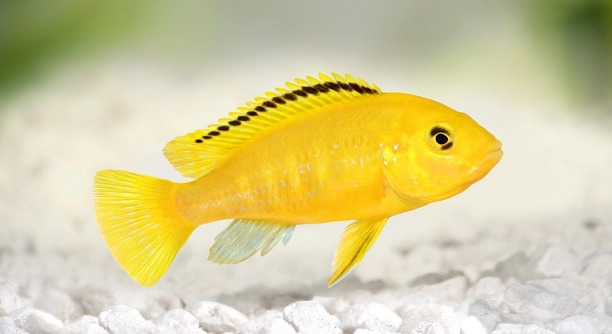
Are your cichlids showing signs of stress or unusual behavior in their tank? Maintaining a clean and stable environment is crucial for these fish to thrive. Small, consistent habits can make a noticeable difference.
Regular tank cleaning, including water changes, substrate vacuuming, and filter maintenance, significantly reduces harmful bacteria and toxins. Consistent hygiene practices ensure optimal water quality, supporting cichlids’ immune systems, growth, and overall health in a controlled aquatic environment.
Following simple cleaning routines can prevent common health issues, making your cichlids more active and vibrant over time. Proper care ensures a longer, healthier life for your fish.
Substrate Vacuuming
Vacuuming the substrate is an important cleaning habit I follow every two weeks. Uneaten food and waste tend to settle at the bottom, creating harmful ammonia if left untouched. Using a siphon, I carefully remove debris without disturbing the beneficial bacteria too much. It also helps prevent algae growth and keeps the tank looking clean. I focus on corners and under decorations where waste tends to accumulate. Substrate cleaning keeps the water clearer and reduces odors. Over time, I noticed that my cichlids are more active and their colors appear brighter. Regular vacuuming also prevents the buildup of toxins that could stress the fish and make them more vulnerable to disease. This habit, combined with water changes and filter maintenance, forms the foundation of a healthy tank routine. It’s simple but makes a noticeable difference in the overall environment and fish behavior.
Substrate vacuuming not only keeps the tank clean but also supports a balanced, safe environment for cichlids.
Removing debris from the substrate prevents ammonia spikes and reduces stress. Fish have cleaner surroundings, promoting better health and longer lifespan.
Cleaning Decorations and Plants
Decorations and plants need attention to prevent algae and bacterial growth. I remove them occasionally to rinse off buildup carefully.
Keeping decorations and plants clean maintains water quality and reduces disease risks for cichlids.
Over time, I realized that neglected decorations often hide food particles and waste, which can affect water chemistry. Artificial plants, rocks, and ornaments should be scrubbed gently with tank water to avoid introducing chemicals that could harm the fish. Live plants need trimming and cleaning of decaying leaves to prevent decomposition in the tank. Regular care of decorations and plants also improves aesthetics and provides a more natural environment for cichlids to explore. It encourages natural behaviors like hiding, breeding, and foraging, which help keep the fish active and healthy. I always avoid harsh chemicals and soaps, relying on rinsing and gentle scrubbing to maintain safety. Clean decorations complement other cleaning habits, contributing to a stable, thriving tank that supports the long-term wellbeing of cichlids.
Monitoring Water Parameters
Regularly checking water parameters ensures cichlids remain healthy and stress-free. I test pH, ammonia, nitrite, and nitrate levels weekly. Consistent monitoring helps catch issues early before they impact the fish’s wellbeing.
Keeping water parameters stable prevents sudden changes that can shock cichlids. I keep a log of test results to track trends and adjust water changes or additives as needed. This routine makes maintaining a healthy tank more predictable and reduces the risk of illness. Observing the fish alongside these readings also helps me notice subtle signs of discomfort.
Monitoring parameters is not just about numbers; it guides practical decisions. Adjusting pH gradually, controlling nitrate buildup, and maintaining consistent temperature all create a safe environment. Over time, this habit has helped my cichlids stay active, eat well, and show brighter colors. It also simplifies problem-solving, as early detection allows small corrections before larger issues develop. Tracking changes makes tank maintenance more efficient and gives me confidence that my fish are thriving in a stable environment.
Removing Algae
Removing algae from glass and decorations keeps the tank visually clean and safe for fish. I use a scraper or brush to control growth.
Algae growth can affect water quality and reduce oxygen levels if left unchecked. Removing it regularly ensures a healthier habitat.
I handle algae carefully to avoid disturbing beneficial bacteria in the tank. For stubborn spots, I use tank water to rinse brushes or scrubbers instead of tap water. Consistent removal prevents excessive buildup that could block light for live plants and interfere with fish activity. I also check for sources of excess nutrients, like overfeeding, to limit algae growth naturally. Over time, keeping algae under control has made the tank environment more stable, reduced stress for my cichlids, and enhanced their natural colors. Regular attention to algae ensures a clean, balanced aquarium without overcomplicating maintenance routines.
Removing Uneaten Food
Uneaten food can quickly pollute the tank if not removed promptly. I use a small net to scoop leftovers after feeding.
Consistently removing excess food prevents ammonia spikes and keeps water quality stable, reducing stress and promoting healthier cichlids.
Regular Glass Cleaning
Cleaning the tank glass keeps visibility clear and prevents algae buildup. I wipe the inside with a soft scraper and the outside with a damp cloth.
Glass cleaning is simple but essential. Clear glass allows me to observe fish behavior, notice any health issues early, and maintain a visually appealing tank. Regular attention prevents algae from spreading and keeps the tank looking well-maintained.
Inspecting Fish Health
Observing fish for signs of illness or unusual behavior helps catch problems early. I check for spots, fin damage, or sluggishness.
How often should I change the water in my cichlid tank?
I change about 20-25% of the water every week. This keeps ammonia, nitrite, and nitrate levels low. Regular water changes prevent toxins from building up, reduce stress, and promote healthier fish. I also make sure the new water is conditioned and matches the tank’s temperature to avoid shocking the cichlids.
What is the best way to clean the filter without harming beneficial bacteria?
I rinse the filter media in tank water rather than tap water. Tap water can kill helpful bacteria that break down waste. Gently removing debris and checking for blockages keeps the filter working efficiently while preserving the bacteria that maintain a healthy ecosystem. Replacing worn parts ensures the filter continues functioning properly.
How can I prevent algae from taking over the tank?
Regularly scraping glass, rinsing decorations, and trimming plants helps control algae growth. I also monitor nutrient levels and avoid overfeeding, which reduces the food available for algae. Proper lighting schedules and keeping the tank clean prevent excessive buildup, keeping the water clear and safe for cichlids.
How do I know if my cichlids are stressed or sick?
I watch for changes in behavior, appetite, and appearance. Fin clamping, lethargy, loss of color, or unusual swimming patterns can indicate stress or illness. Early observation allows me to adjust water conditions, clean the tank, or isolate affected fish to prevent further problems.
Is it necessary to vacuum the substrate regularly?
Yes, I vacuum the substrate every two weeks. Waste and uneaten food sink to the bottom, where it can produce harmful ammonia. Using a siphon keeps debris in check without disturbing beneficial bacteria. A clean substrate reduces odors, prevents toxins from accumulating, and supports healthier, more active fish.
How should I clean decorations and artificial plants?
I remove them occasionally and rinse them with tank water, avoiding soap or chemicals. Gently scrubbing prevents buildup without harming beneficial bacteria. Live plants need trimming of decaying leaves, which keeps the tank healthy and allows cichlids to explore safely. Clean decorations also improve the overall look of the tank.
How often should I test water parameters?
I test pH, ammonia, nitrite, and nitrate levels weekly. Keeping a log of results helps me notice trends and address changes before they affect the fish. Stable water parameters reduce stress, support the immune system, and encourage natural behavior. Consistent monitoring is key to long-term health.
Can overfeeding harm my cichlids?
Yes, overfeeding leads to uneaten food that decomposes and pollutes the water. I feed small amounts and remove leftovers promptly. Controlled feeding keeps water quality high, prevents obesity, and ensures the fish stay active and healthy. Proper feeding habits complement all other cleaning practices.
What tools do I need for regular cleaning?
I keep a siphon, soft brushes, algae scraper, and water testing kits handy. These tools make cleaning quick and effective while protecting beneficial bacteria. Having everything ready simplifies maintenance and ensures I don’t skip important tasks, keeping the tank environment stable and healthy.
How do I maintain live plants in a cichlid tank?
I trim dead leaves, clean algae gently, and ensure proper lighting. Healthy plants absorb excess nutrients, reduce algae growth, and provide hiding spots for cichlids. Maintaining plants contributes to water quality and creates a more natural environment, benefiting both the fish and the tank ecosystem.
What signs indicate my filter needs cleaning or replacement?
Slower water flow, unusual noises, or visible debris buildup signal the filter needs attention. I rinse media in tank water and check for worn parts regularly. Keeping the filter efficient ensures waste is removed and oxygen levels remain stable, supporting cichlid health.
Can irregular cleaning harm my cichlids?
Yes, neglecting water changes, substrate vacuuming, or filter maintenance allows toxins and waste to build up. This increases stress, reduces immunity, and can lead to disease. Consistent habits, even small ones, maintain a safe, balanced environment that keeps cichlids vibrant and active.
How do I safely remove uneaten food?
I use a small net to scoop out leftover pellets or flakes after feeding. Removing food promptly prevents it from decomposing and producing harmful chemicals. This simple step helps maintain clean water and reduces the risk of illness while supporting the tank’s overall stability.
What is the best way to observe my cichlids for health issues?
I watch daily for behavior, color changes, and interactions. Healthy cichlids are active, explore the tank, and have bright colors. Any deviation, such as hiding excessively, clamped fins, or loss of appetite, signals the need for cleaning, water adjustments, or isolation to prevent further problems.
How can I balance cleanliness without stressing my cichlids?
I clean gently, using tank water when possible, and avoid sudden water changes. Small, regular maintenance keeps the environment stable. Gradual adjustments reduce stress, while consistent habits like vacuuming, filter care, and algae removal ensure the tank remains healthy without disrupting the fish.
Why is monitoring ammonia and nitrite so important?
High ammonia or nitrite levels are toxic and can harm cichlids quickly. Weekly testing allows me to intervene before levels become dangerous. Maintaining proper biological filtration and regular water changes keeps these compounds low, protecting the fish and supporting a thriving, balanced tank environment.
How can I make cleaning easier and more effective?
I create a routine with scheduled water changes, substrate vacuuming, and filter checks. Using the right tools and observing fish regularly reduces time spent and improves efficiency. Consistency ensures the tank remains healthy, water stays clear, and cichlids continue to thrive with minimal stress.
Keeping cichlids healthy requires consistent care and attention, but it does not have to be complicated. Maintaining a clean tank is one of the most important habits I have learned. Regular water changes remove toxins and help maintain stable water conditions. Vacuuming the substrate prevents waste buildup, while cleaning the filter ensures proper water circulation. Even simple steps, like removing uneaten food or scrubbing algae from decorations, make a noticeable difference in water quality. Over time, these habits create a stable environment where fish feel secure, eat well, and remain active. I have found that combining these cleaning routines into a weekly schedule makes maintenance manageable and less overwhelming. The effort is small compared to the positive impact it has on the fish’s health and behavior. Consistency is key, and small, regular tasks prevent larger problems from developing in the tank.
Observing the fish closely is just as important as cleaning. Paying attention to changes in behavior, color, or appetite allows me to catch potential health issues early. Stress or illness often shows up first in subtle ways, like less movement, hiding more than usual, or clamped fins. By monitoring the fish alongside cleaning habits, I can make small adjustments before a minor issue turns into a serious problem. Testing water parameters regularly also supports this effort. Measuring pH, ammonia, nitrite, and nitrate levels helps me maintain optimal water quality and prevent sudden changes that could harm the fish. Even though it may feel repetitive at first, this routine becomes second nature over time. The combination of careful observation and consistent cleaning ensures the tank environment remains stable and reduces the chances of disease. My cichlids respond well to this routine, showing stronger colors, more active behavior, and better overall health.
Creating a clean and healthy tank is not just about maintenance—it is about creating an environment that supports the long-term wellbeing of the fish. Healthy cichlids are active, display natural behavior, and have vibrant colors. Simple habits like water changes, substrate vacuuming, filter maintenance, algae removal, and monitoring water quality collectively build a safe and balanced habitat. Clean decorations and healthy plants provide hiding spots and encourage exploration, which contributes to mental stimulation and physical activity. Over time, these habits reduce stress, improve immune function, and promote longevity. The process does not require expensive equipment or complicated procedures—just attention, consistency, and care. By prioritizing these cleaning habits, I have seen a clear improvement in the health and vitality of my cichlids. These practices make tank maintenance predictable, manageable, and rewarding, creating a space where the fish can thrive and display their full natural beauty.

Hello,
If you enjoy the content that we create, please consider saying a "Thank You!" by leaving a tip.
Every little bit helps us continue crafting quality advice that supports the health, happiness, and well-being of pets around the world, for pets of all shapes, sizes, and species.
We really appreciate the kindness and support that you show us!